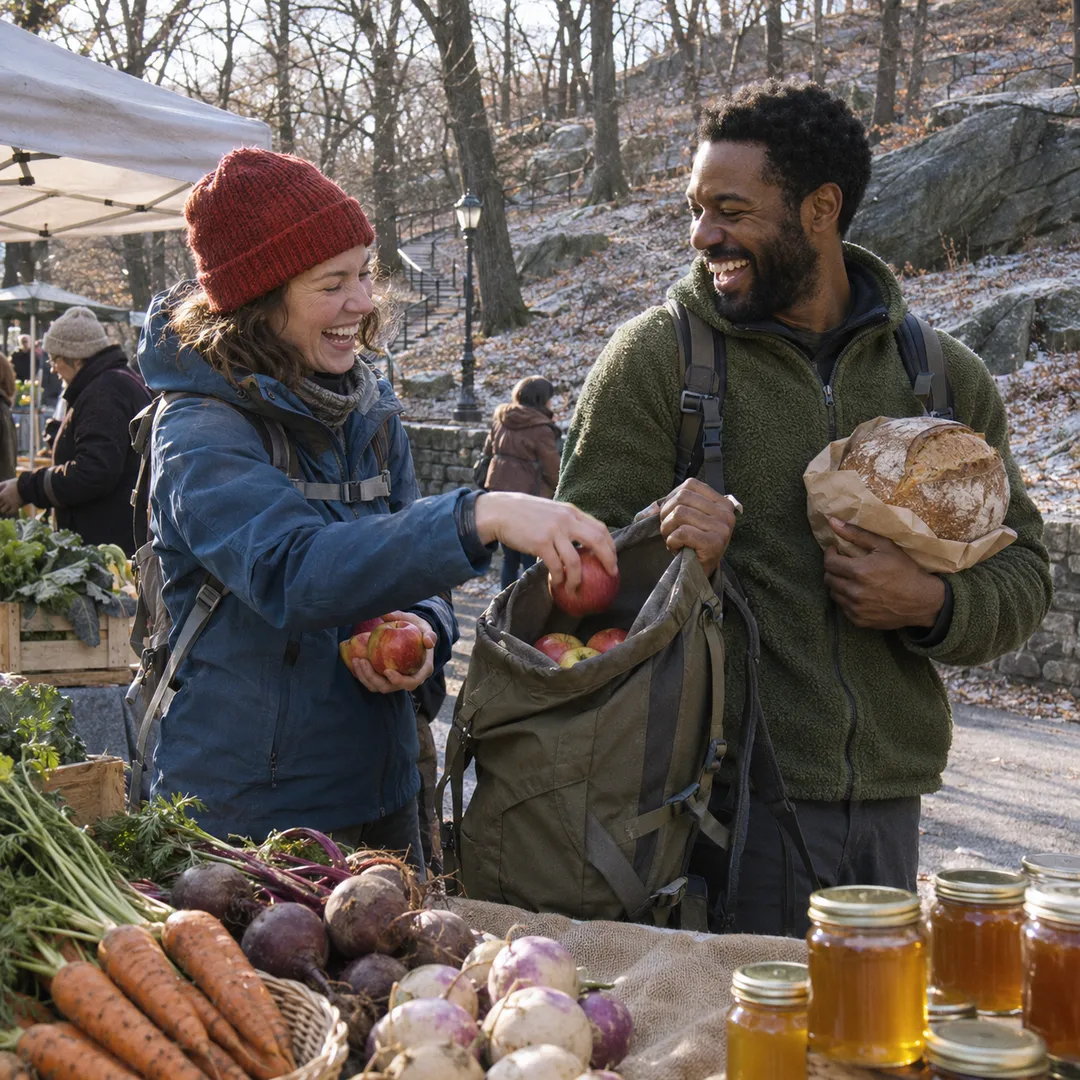
 Inwood Winter Greenmarket Picker for Hikers on Cold Mornings
Weekend Plans
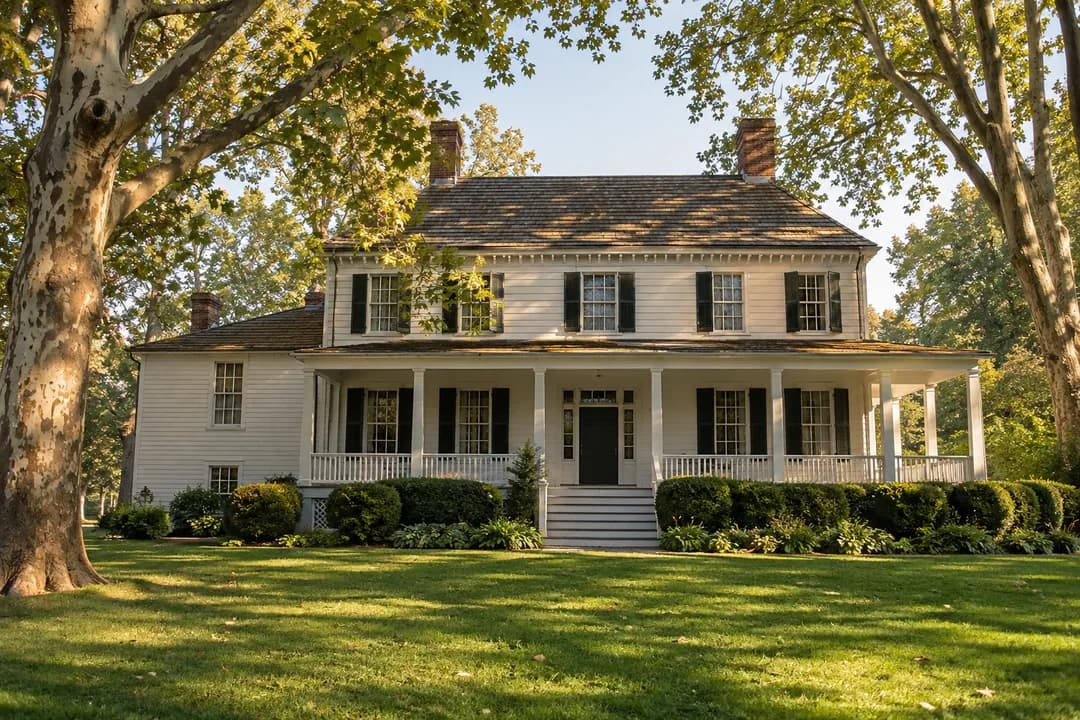
Historic Mansion Near Me in Queens: King Manor Museum Estate
An essential guide to King Manor Museum at 150-03 Jamaica Avenue in Rufus King Park, the historic country estate of Constitution signer and anti-slavery Senator Rufus King in Queens.
Surrounded by the mature sycamore and oak trees of Rufus King Park in downtown Jamaica, Queens, King Manor Museum at 150-03 Jamaica Avenue stands as one of the most historically significant country mansions in New York City. The core of the residence originated around 1750 as a modest colonial farmhouse, but its historical prominence began in 1805 when statesman Rufus King purchased the property and ninety acres of surrounding farmland. King, who served as an influential delegate to the Constitutional Convention, a signer of the United States Constitution, Minister to Great Britain, and an outspoken United States Senator against the expansion of slavery, expanded the house into an imposing Federal-style manor with Greek Revival additions. Today the estate serves as an active community museum, preserving the physical spaces where early American legal principles, anti-slavery debates, and innovative agrarian techniques were discussed and practiced in the first decades of the republic.
Rufus King's Statesmanship and the Historic Fight Against Slavery
Rufus King's political legacy makes King Manor unique among early American historic sites. Born in Massachusetts in 1755, King emerged as a brilliant young attorney and constitutional thinker, contributing directly to the drafting and signing of the Constitution in Philadelphia in 1787. Later representing New York in the United States Senate, King became one of the nation's most principled and passionate congressional opponents of slavery, delivering landmark speeches during the Missouri Compromise debates of 1819 and 1820 arguing that Congress had both the constitutional authority and the moral imperative to prohibit the expansion of human bondage into new western territories. At his Jamaica estate, King applied the same progressive principles to scientific agriculture, experimenting with crop rotation, developing improved orchard fruits, and cultivating ornamental gardens that turned his Queens farm into a showcase of early nineteenth-century horticulture.
Federal Architecture, Restored Period Libraries, and Kitchen Artifacts
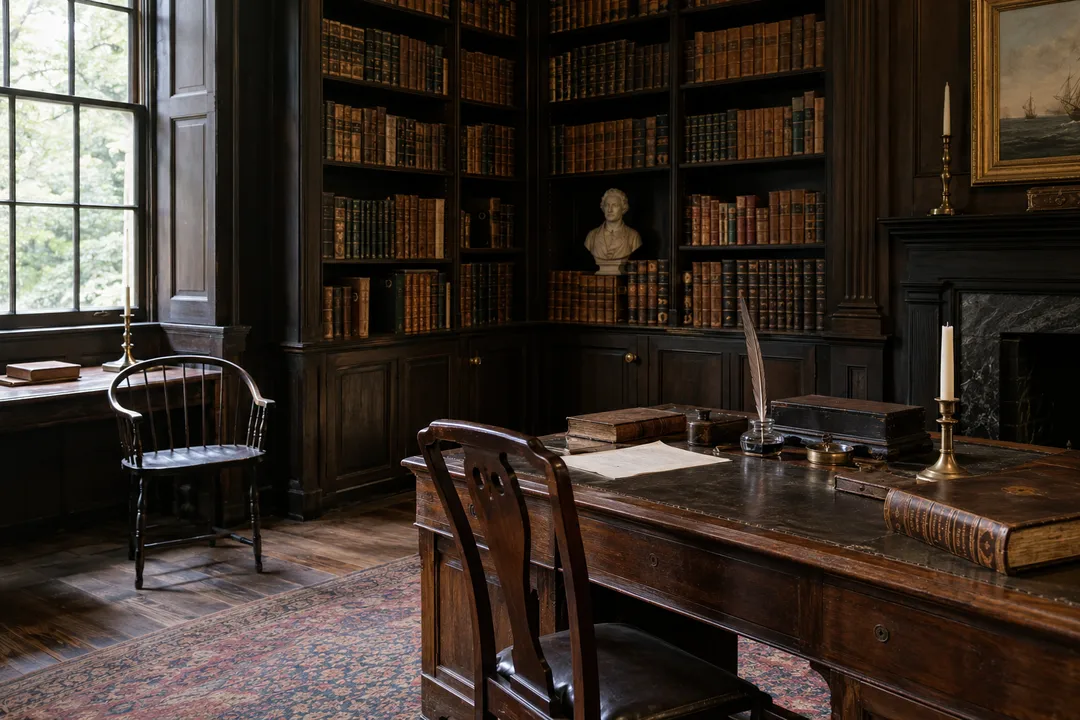
The architectural layout of King Manor illustrates the transformation of an eighteenth-century farmhouse into an expansive gentleman's country seat. The two-story timber-framed building features wide wooden clapboards, a dignified front veranda with classical columns, and multi-pane double-hung sash windows. Inside, the restored library reflects King's scholarly pursuits, housing hundreds of period legal treatises, diplomatic histories, and agricultural manuals arranged on floor-to-ceiling wooden bookshelves beside his personal mahogany writing desk. The adjacent formal parlor features original federal fireplace mantels, delicate plaster crown moldings, and authentic early nineteenth-century seating furniture. In the historic kitchen wing, visitors can view early cast-iron cookware, open hearth tools, bread paddles, and domestic textiles that document the labor of both paid and bound domestic workers who prepared meals and maintained the extensive estate during King's diplomatic and legislative career.
Horticultural Innovation, Experimental Orchards, and Estate Gardens
Beyond his political career, Rufus King was deeply dedicated to scientific agriculture and botanical improvement on his Jamaica estate. King maintained active correspondence with leading European agronomists, importing saplings, grafting new apple varieties, and testing organic fertilizers across his experimental fields. His surviving farm journals record detailed observations of local weather patterns, soil compositions, and harvest yields that influenced agricultural societies across New York State. The gardens surrounding King Manor featured formal gravel walks lined with lilac bushes, boxwoods, and flowering perennials, providing a tranquil pastoral sanctuary for the King family that contrast sharply with the bustling commercial avenues that surround the park today. King planted European linden trees and weeping willows, transforming what had been a utilitarian Long Island farm into an English-style landscape park that served as an outdoor laboratory for agrarian advancement.
Visitor Hours, Ticket Pricing, and Community Programming
King Manor Museum operates with accessible community-friendly admission policies designed to welcome neighbors, students, and traveling history enthusiasts alike. General adult admission is structured around a modest suggested donation of $5, while admission for senior citizens and students with current identification is $3. Children, local public school students, and museum members enter completely free of charge. The museum welcomes the public Tuesday through Saturday from 12:00 pm to 4:00 pm, remaining closed on Sundays and Mondays. Docent-led tours depart on the hour throughout operating times, offering engaging discussions of early American constitutional debates, local Queens agrarian history, and historic preservation. In addition to house tours, the museum frequently hosts hands-on weekend workshops, historic book clubs, and outdoor family festivals on the park lawn, making it a vibrant center of cultural life in southeastern Queens. Interactive programs often feature historic colonial candle making, butter churning demonstrations, and traditional open-hearth baking using period recipes.
Strolling Rufus King Park and Exploring Cultural Downtown Jamaica
Following your museum visit, take time to enjoy Rufus King Park, an eleven-acre municipal park that preserves a portion of King's original agricultural acreage. Shaded by ancient sycamore, beech, and weeping willow trees, the park offers paved walking paths, benches, children's playgrounds, and open green lawns where neighborhood residents gather for afternoon recreation. Just across Jamaica Avenue lies the historic business district of Jamaica, which evolved in the late nineteenth and early twentieth centuries into a bustling retail and commercial hub. A few blocks westward on 153rd Street stands the landmark Jamaica Performing Arts Center, housed inside a restored 1858 Gothic Revival church. Culinary options abound along Jamaica Avenue and nearby Hillside Avenue, offering delicious Jamaican patties, Guyanese bakeries, South Asian roti shops, and Latin American diners reflecting the incredible multicultural vitality of modern Queens.
Transit Connections, Accessibility, and Visitor Recommendations
Reaching King Manor Museum at 150-03 Jamaica Avenue is exceptionally fast via New York's transit network. The Jamaica Center–Parsons/Archer subway station, served by the E, J, and Z trains, is only two blocks east of the park gates. The Long Island Rail Road stops at Jamaica Station, four blocks to the southwest, providing a direct twenty-minute ride from Penn Station, Grand Central Madison, or Atlantic Terminal Brooklyn. Multiple MTA bus lines, including the Q24, Q54, and Q56, stop directly along Jamaica Avenue in front of the park. The ground floor of King Manor and the surrounding park paths are wheelchair accessible. Visitors are encouraged to allow at least an hour for the house tour and additional time to stroll the historic park grounds, ensuring a deeply rewarding cultural journey into the founding era.
Ask Karpo for more information.
Keep reading
- Inwood Winter Greenmarket Picker for Hikers on Cold Mornings
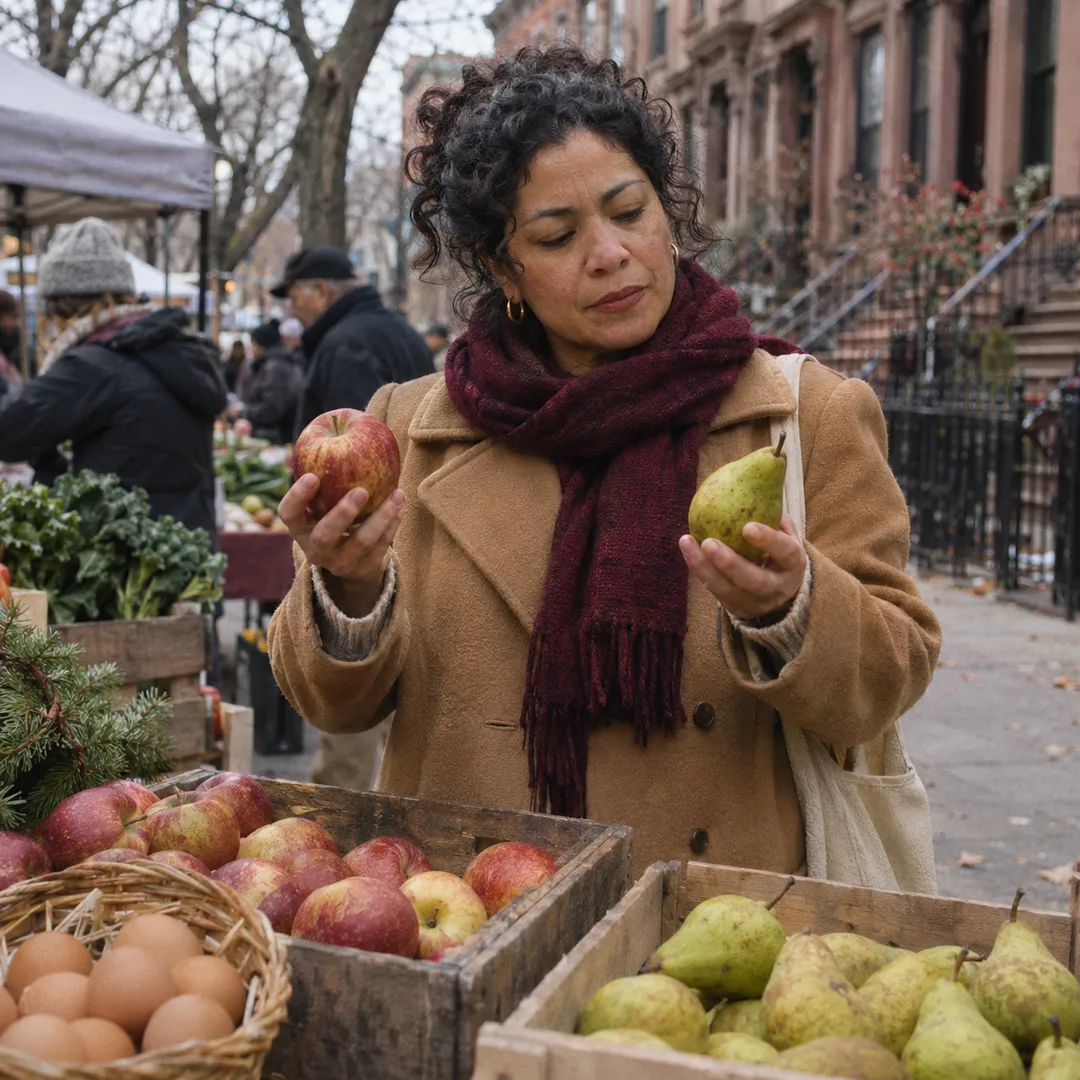 Carroll Gardens Winter Greenmarket Picker for Holiday Bakers
 Jackson Heights Winter Greenmarket Picker for a Family Day