June in Brooklyn means heat shimmers off parked sedans, fire hydrants bloom into makeshift fountains, and folding tables appear in parks and courtyards loaded with hand-stapled zines, risograph prints, and ceramic planters shaped like anxious faces. The city's independent art scene doesn't wait for white-cube invitations or ticketed openings. Instead, it sprawls across public green spaces and community centers, free to wander, where a five-dollar bill buys you a minicomic and change for an iced coffee. For those who've grown weary of sixty-dollar museum admissions and gallerists who greet you like a credit check, these grassroots gatherings feel like a gulp of fresh air—or at least air scented with newsprint and sunscreen.
The Appeal of the Table
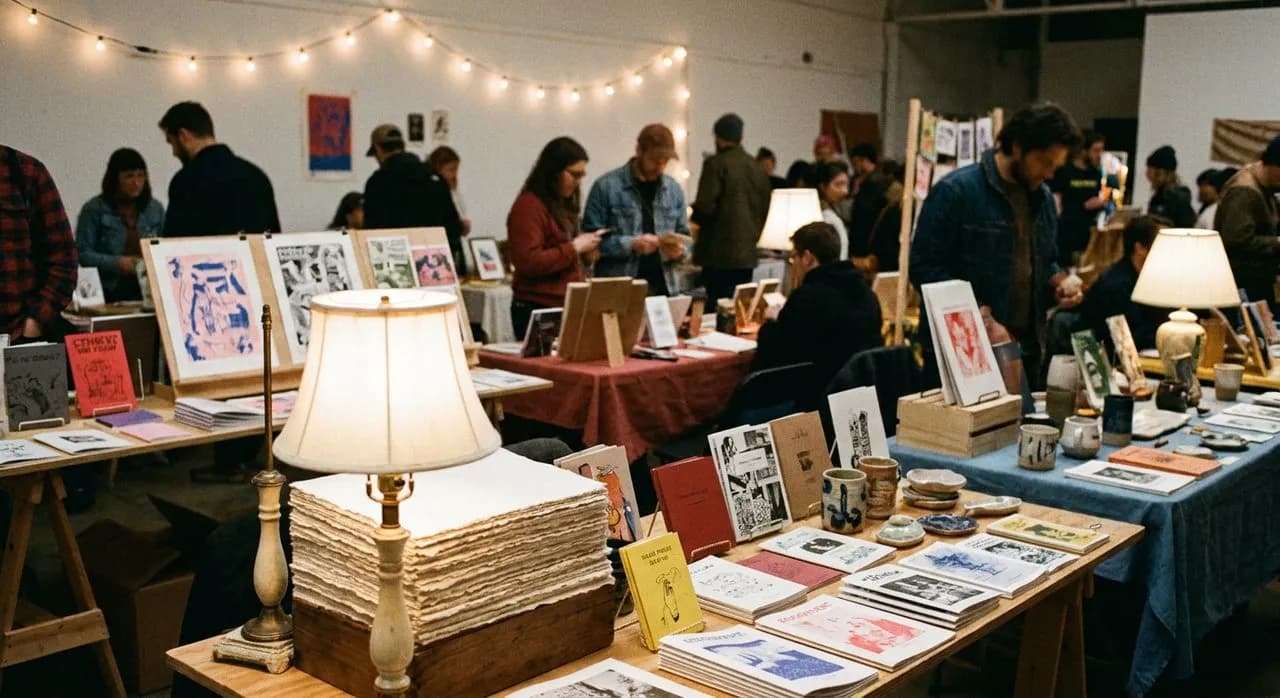
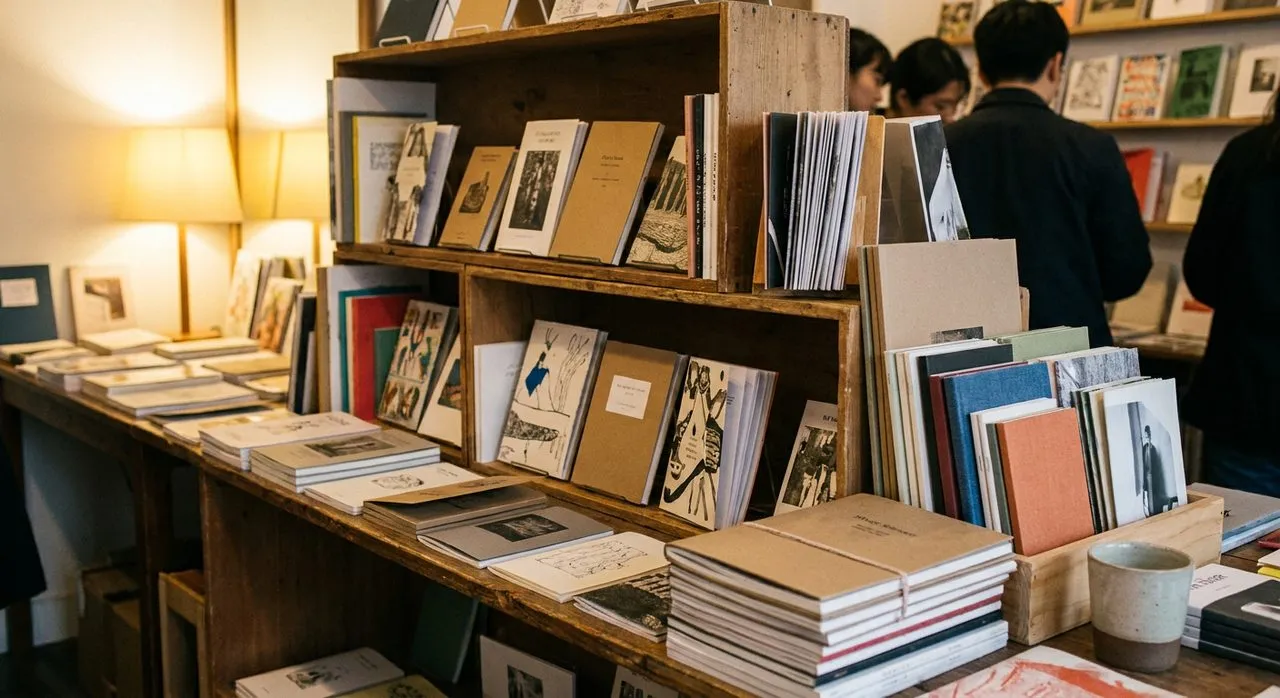
Zine fairs operate on a pleasantly analog economy. No Square readers, no shipping fees, just cash or Venmo and a maker sitting behind a folding table who can tell you exactly why they chose that particular shade of orange ink. The format attracts poets, illustrators, first-time publishers, and people who simply have something to say and access to a photocopier. You'll find hand-bound artist books next to punk manifestos next to recipe collections printed on cardstock. The range is dizzying, the production values uneven in the best way.
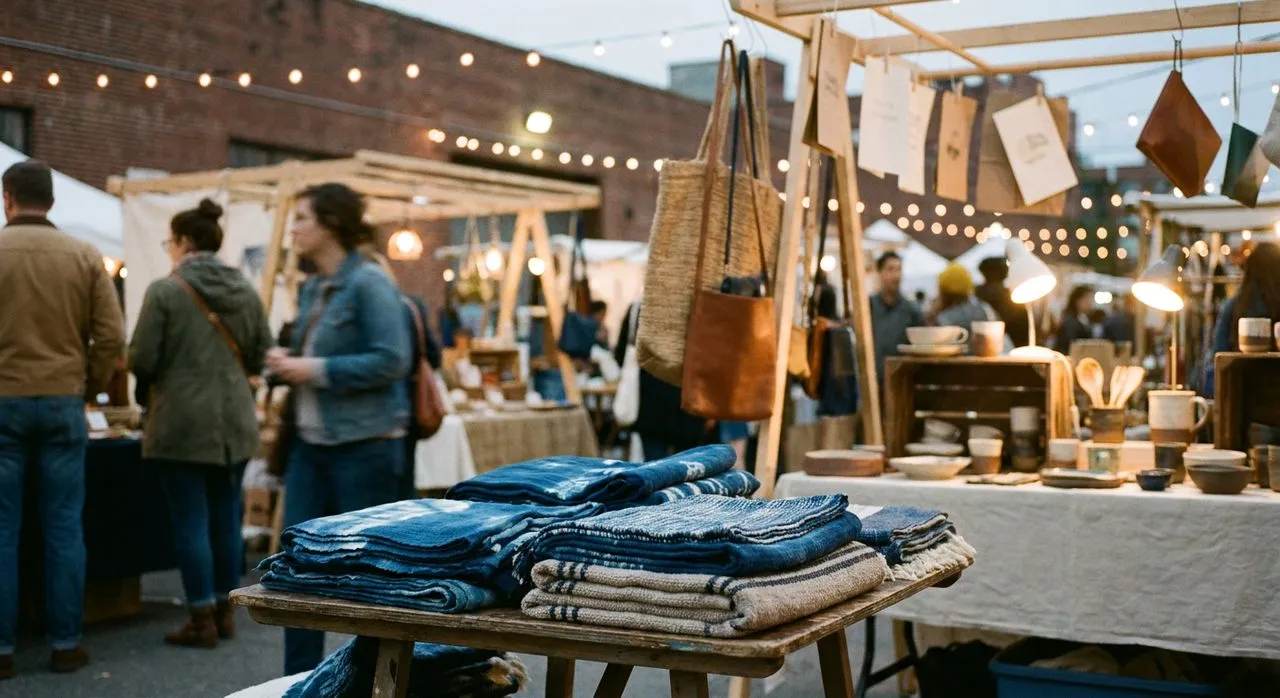
What keeps these events compelling is their refusal to professionalize too quickly. A zine fair brooklyn might occupy a church basement one month and a brewery courtyard the next, announced via Instagram story forty-eight hours in advance. The impermanence is part of the charm. You're not navigating a polished art market nyc with assigned booth numbers and sponsor banners; you're wandering through a temporary village of people who care more about getting their work into hands than building a brand. That DIY ethos survives, even as Brooklyn rents climb and storefronts shutter.
What You'll Actually Find
Expect risograph prints—those slightly off-register, saturated-color images that look like vintage textbooks got funky—alongside screen-printed tote bags, handmade jewelry from scrap metal, and ceramics that range from wobbly first attempts to genuinely sophisticated vessels. Zines themselves span every topic: mental health diaries, queer sci-fi comics, neighborhood oral histories, collage experiments that feel like fever dreams. Prices hover between two and fifteen dollars. You can leave with an armful of art for the cost of a single cocktail in Williamsburg.
The ephemera matters. Stickers, bookmarks, hand-stamped postcards—these are the calling cards of a scene that values accessibility over scarcity. Some makers sell out within an hour. Others sit patiently all afternoon, sketchbook open, drawing portraits for ten dollars. There's no velvet rope, no waitlist. If you see something you like, you buy it, or you chat with the person who made it and learn that the cyanotype series was inspired by their grandmother's garden in Queens. The transactions are low-stakes and oddly intimate.
Where the Action Concentrates
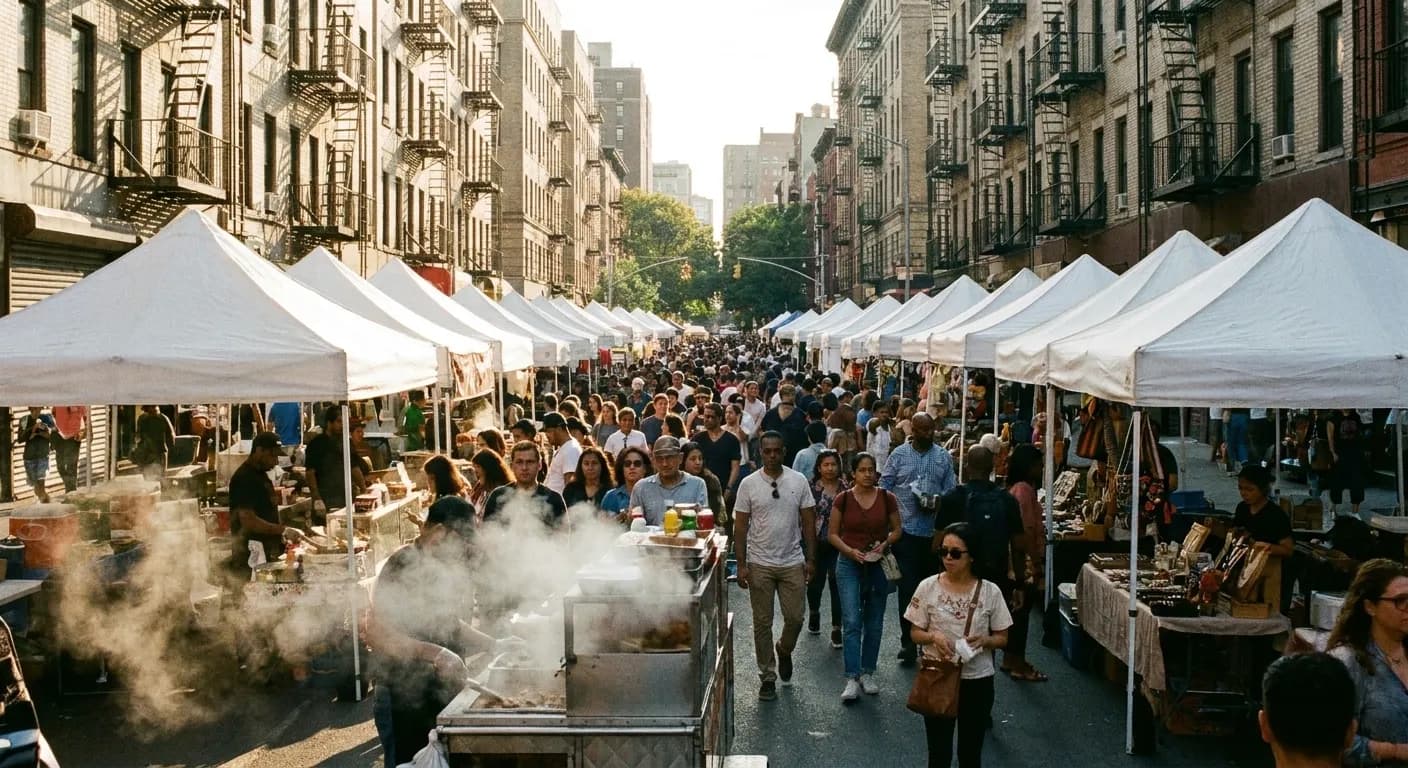
Prospect Park and McCarren Park host the largest gatherings, their wide lawns accommodating dozens of tables beneath late-spring sycamores that dapple the light just right. By mid-June, the grass has usually recovered from spring mud, and park departments allow weekend gatherings when permits are filed and tables are cleared by dusk. Smaller fairs pop up in Red Hook community gardens, Bushwick gallery storefronts, and the occasional church hall in Park Slope where the air smells faintly of old hymnals and fresh-brewed coffee from a volunteer table.
The borough's indie bookstores and artist-run spaces often co-sponsor these events, lending legitimacy without corporatizing the vibe. You might find a zine fair tucked into the back patio of a café or spilling onto the sidewalk outside a print studio. The location variety means you can stumble into one while running errands, which is half the fun—suddenly your Saturday includes a hand-sewn chapbook about urban foraging instead of just laundry and groceries.
The Social Fabric
These fairs double as meet-cutes for the creatively inclined. Artists reconnect, collaborators hatch plans, readers become contributors. There's a generosity in how makers talk about their peers' work, pointing you toward a table three rows over because that person does amazing stuff with cyanotypes or minicomics about bodega cats. It's the opposite of competitive—or at least it performs non-competitiveness convincingly.
Families show up, too. Kids finger through comic zines while parents debate which screen-printed poster belongs above the sofa. Dogs on leashes weave between tables, and someone's always selling baked goods to fund their next print run. The atmosphere leans communal, almost festival-like, without the ticket price or the sense that you're being upsold at every turn. You're allowed to browse without buying, to sit on the grass and flip through a free sample zine, to simply be present in a public space where making things still matters.
Why June Timing Works
Late spring offers that narrow window when it's warm enough to sit outside for hours but not yet the humid kiln of July and August. By early June 2026, the city has shaken off its late-winter gray and settled into longer daylight, the kind that stretches past eight PM and makes everything feel possible. The parks are lush, the light is golden hour by six-thirty, and people haven't yet fled for beach rentals or upstate cabins.
Organizers capitalize on this sweet spot. Weekend fairs run from noon to six or seven, catching the post-brunch crowd and the early-evening strollers. The timing also aligns with the end of the academic year, when recent grads and adjunct faculty suddenly have time to table their creative projects. There's an energy to it—a collective exhale, a willingness to spend a Saturday afternoon in the sun sorting through someone else's handmade multiples.
What to Bring, What to Expect
Cash remains king at these events, though many makers now accept Venmo or Cash App via QR codes taped to their tables. Small bills help; breaking a twenty for a three-dollar zine tests everyone's patience. Bring a tote bag—you'll accumulate more than you planned. Sunscreen, water, and a hat make sense if you're planning to linger in a park setting. These fairs are universally free to attend, no RSVP required, though arrival before two PM improves your chances of snagging limited-run prints before they sell out.
Practical notes
Prospect Park's main zine and art gatherings typically cluster near the Long Meadow or Nethermead, accessible via the Grand Army Plaza entrance (2/3 trains to Grand Army Plaza) or the 15th Street–Prospect Park entrance (F/G to 15th St–Prospect Park). McCarren Park in Williamsburg sits around Bedford Avenue and North 12th Street, with nearby access via the L train at Bedford Avenue or the G train at Nassau Avenue. Street parking in both neighborhoods is competitive on weekends; bikes or subways are your best bet. Most fairs run noon to six PM, though hours shift based on weather and organizer whim—check event pages day-of. These are outdoor, flat-terrain events generally accessible to wheelchairs and strollers, though grass and gravel paths can be uneven after rain. Bring cash, water, and an open mind. Verify specific dates and locations via social channels as June approaches, since grassroots events adapt quickly.
Tags: #FreeAndFine #BrooklynArt #ZineFair #IndieArtMarket #NYCArts #ProspectPark #McCarrenPark #BrooklynCreatives #DIYCulture #June2026 #FreeNYC #ArtLovers #BrooklynSummer #SupportIndieArtists #CityLife
Please drink responsibly. Must be of legal drinking age.
Sources consulted: Zine · Brooklyn · Time Out New York Art · Brooklyn Public Library · New York Times NY Region
All trademarks are the property of their respective owners.