June in New York carries a peculiar electricity—the sidewalk scaffolding throws lattice shadows, office workers eat lunch on plazas they ignored all winter, and the first notes of live music drift across Central Park's Rumsey Playfield. SummerStage, the city's democratic open-air concert tradition, is back for 2026 with its signature blend of global sounds, emerging artists, and headliners who could easily command arena prices. That it costs nothing to walk in and claim a patch of grass remains one of the city's quiet civic miracles, though you'll want to arrive early for the acts everyone's talking about.
A Season Built on Eclecticism
SummerStage has never subscribed to a single genre, and the June roster reflects that restless curiosity. One evening delivers Afrobeat percussion that ricochets off the surrounding elms; the next brings a singer-songwriter whose voice barely needs amplification. The programming team—now in its fourth decade—seems to take genuine pleasure in pairing a Malian kora virtuoso with a Bronx hip-hop collective on consecutive weekends, daring the audience to show up for both.
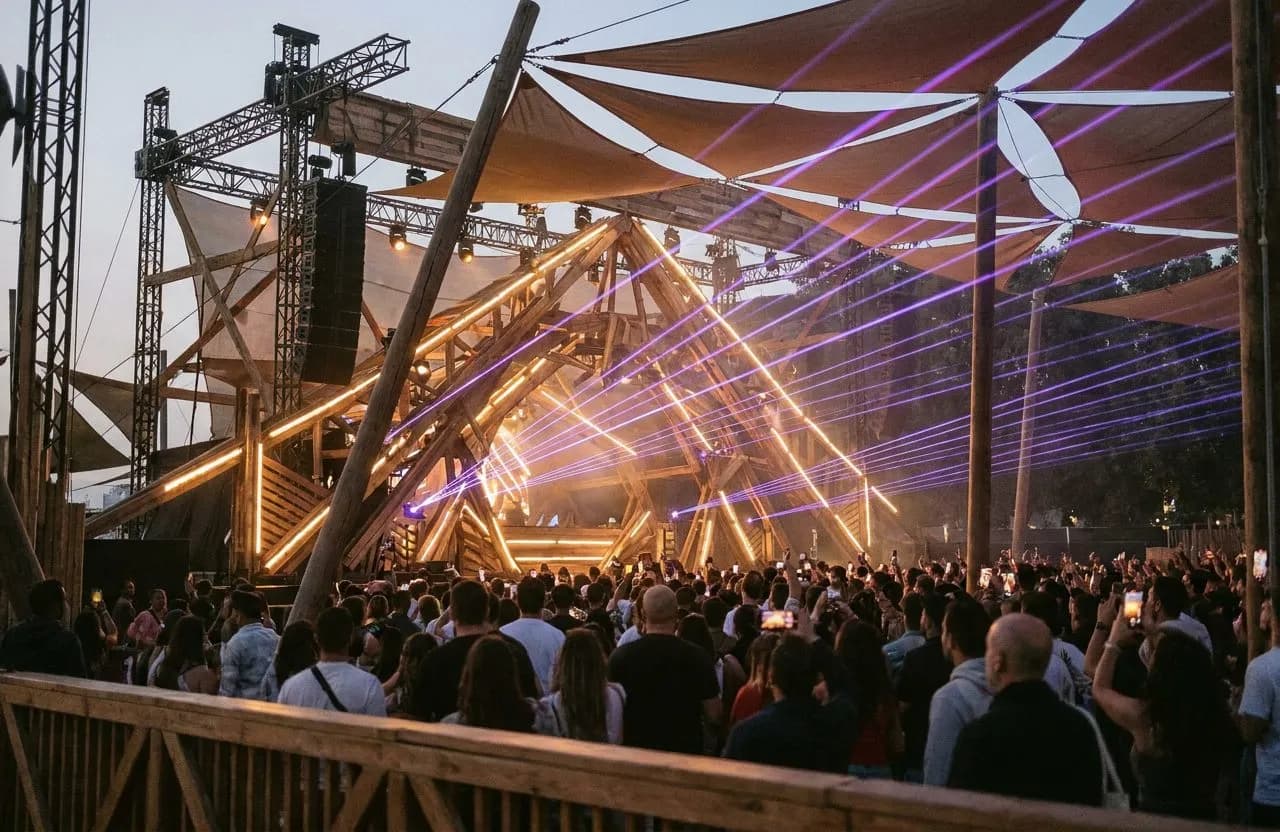
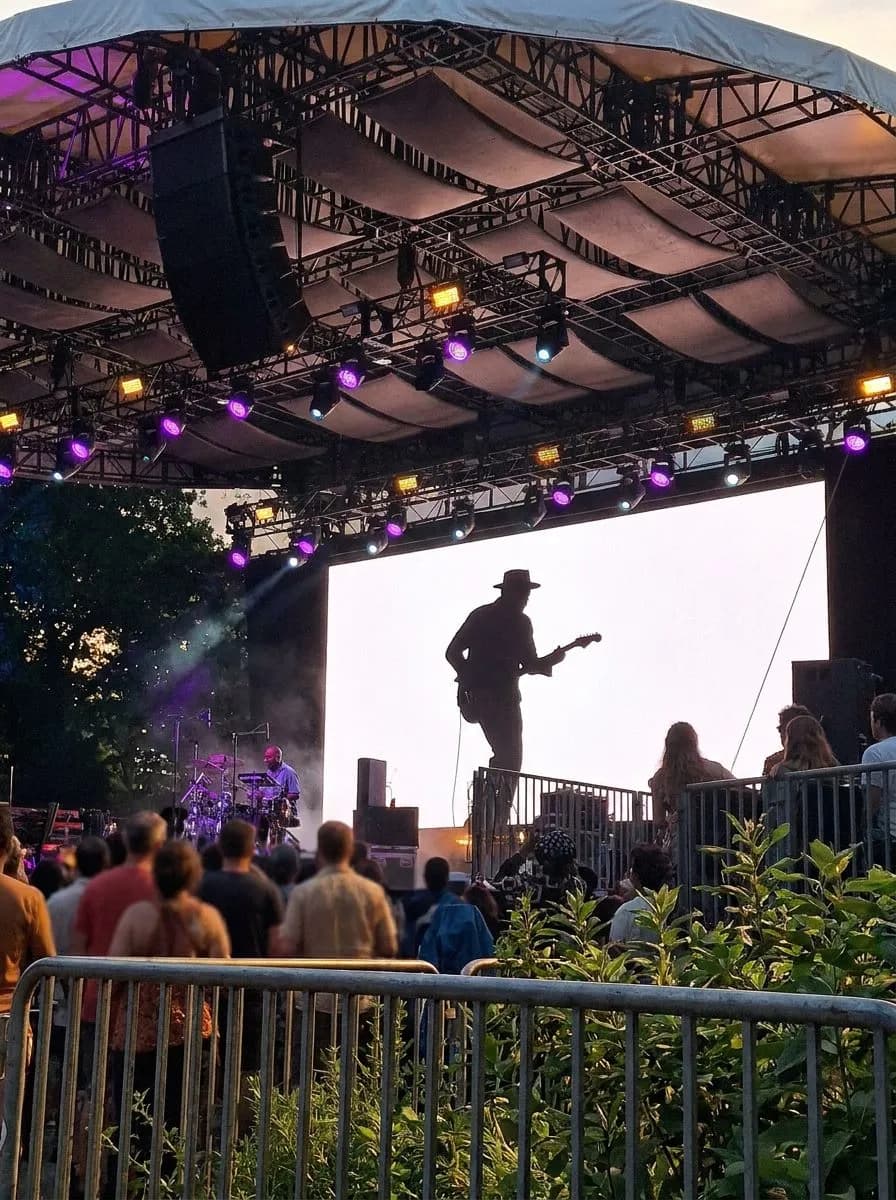
What makes summerstage nyc compelling isn't just the talent but the setting. Rumsey Playfield sits in a natural bowl, the stage framed by tree canopy and the hazy glow of buildings beyond the park perimeter. Sound engineers have spent years finessing the acoustics so bass doesn't muddy in open air, and by late May the technical setup feels as polished as any indoor hall. You hear the music, yes, but also the rustle of someone unpacking a picnic, the distant wail of a siren on Fifth Avenue, the particular hum of thousands of people breathing together in semi-darkness.
Beyond Central Park
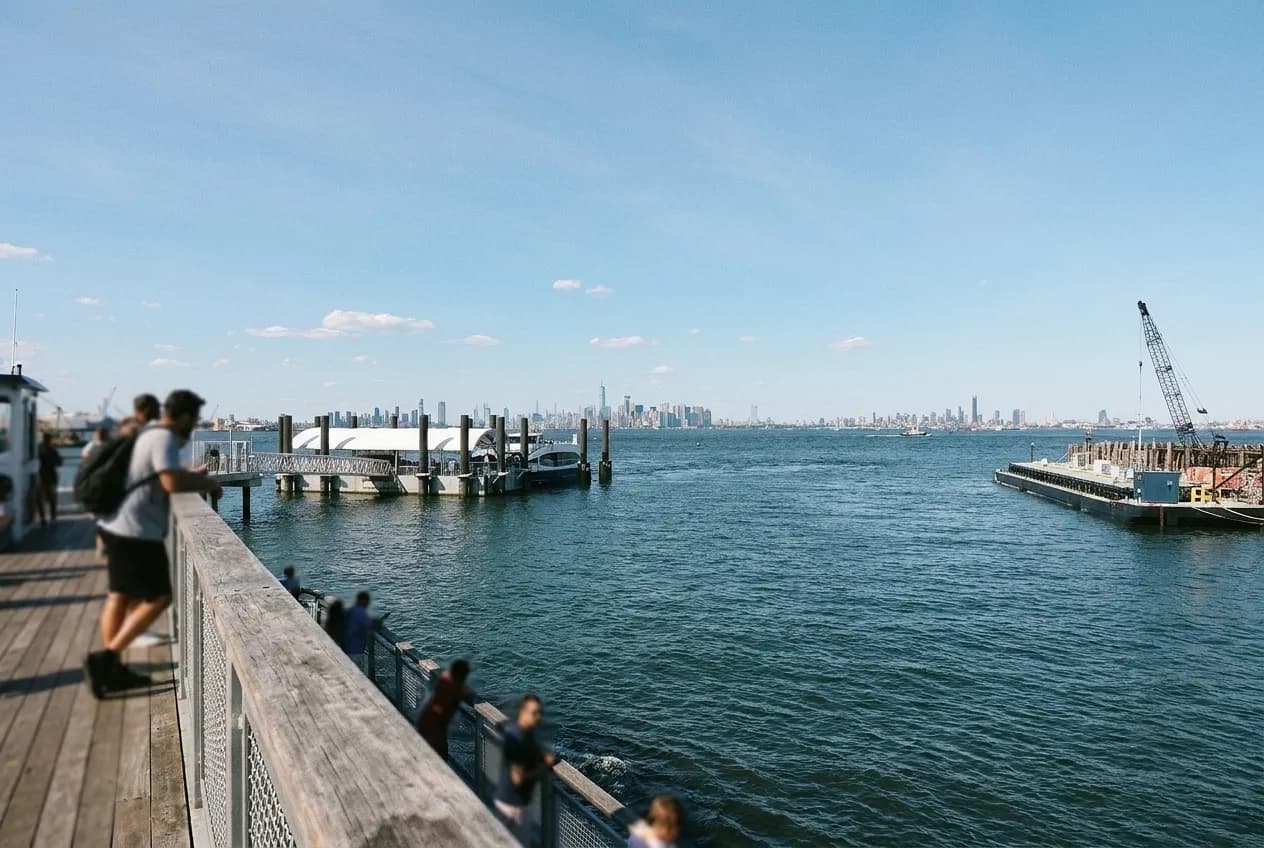
While Rumsey Playfield anchors the series, SummerStage sprawls across all five boroughs by mid-season. June typically sees shows activate parks in Brooklyn, Queens, the Bronx, and Staten Island—less famous venues, perhaps, but often more intimate. Marcus Garvey Park in Harlem, for instance, draws neighborhood crowds who treat the concerts as front-porch gatherings, kids weaving between blankets while someone's uncle provides running commentary on the guitarist's phrasing.
These outer-borough dates rarely pull the crush you'll find in Central Park, which is precisely their appeal. You can spread out. You can actually see the stage without craning around someone's tote bag. And the lineups skew toward artists with deep local ties—bachata bands whose members grew up three blocks away, jazz quartets who workshopped arrangements at a nearby community center. It's free concerts nyc 2026 at neighborhood scale, and often all the better for it.
The Ritual of Arrival
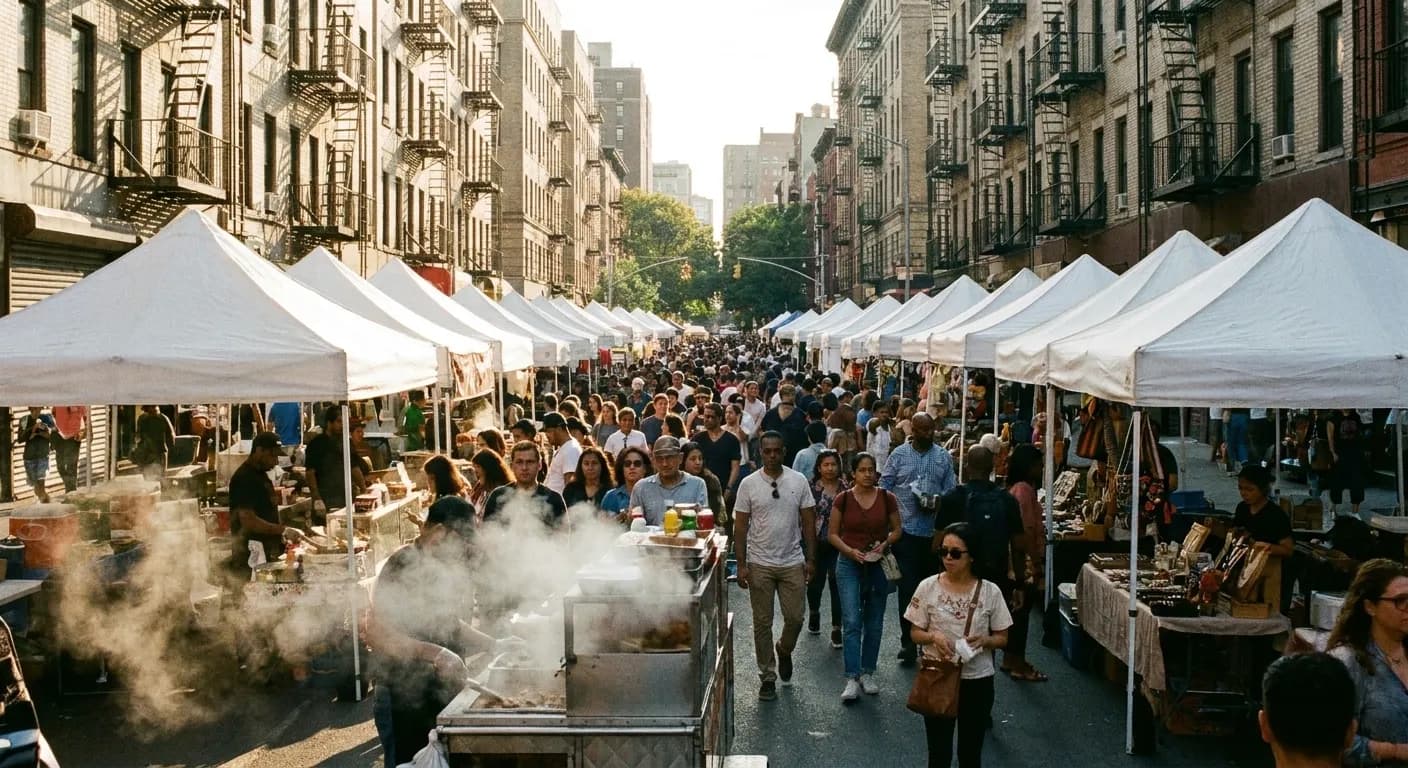
Veteran SummerStage attendees treat the hour before showtime as its own performance. They arrive with wheeled coolers, wool blankets (the grass can be damp even in June), and a certain territorial savvy about sight lines. The area near the soundboard offers the best audio balance; stage-left captures the sunset as it filters through the trees. By six-thirty on a popular night, the field resembles a patchwork city—clusters of friends, solo readers holding their spot, couples sharing takeout from the nearby food vendors who materialize like migratory birds every season.
There's an unspoken etiquette. You don't block someone's view if you stand. You keep your conversation to a murmur once the opening act starts. And if someone asks to squeeze past your blanket to reach the restrooms, you shuffle your tote without complaint. These small civilities, repeated across thousands of attendees, make the whole thing work. Without them, you'd just have a crowd. With them, you have something closer to temporary citizenship.
What to Expect in Early June
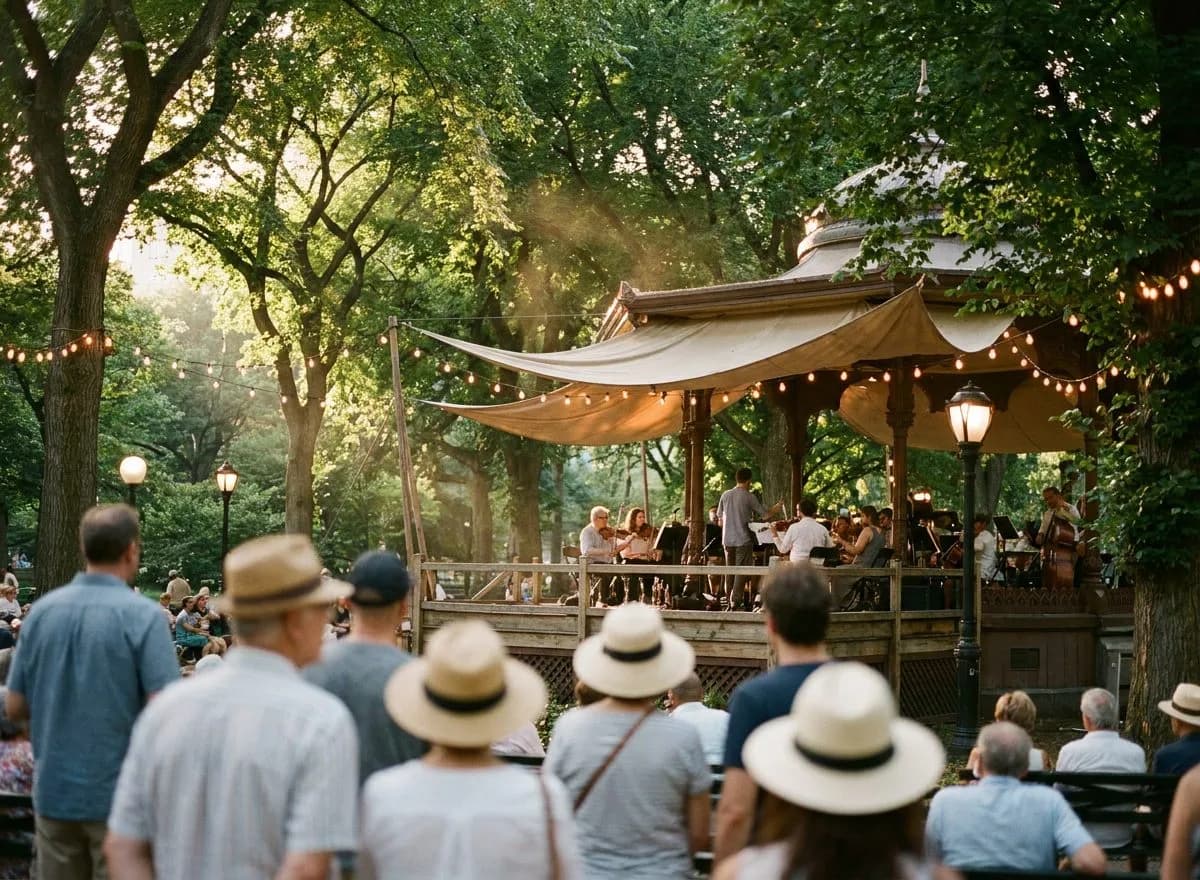
The season typically opens with a marquee act designed to remind the city that SummerStage is back—a well-loved veteran or a buzz-heavy newcomer whose debut album everyone streamed through April. Early June weather in New York can be fickle: warm enough for shirtsleeves by day, cool enough by nine that you want a light jacket. The park smells like cut grass and the faint sweetness of linden blossoms, which peak around the summer solstice. Daylight lingers past eight-thirty, so the first few songs often unfold in that golden pre-dusk when the skyline behind the stage turns bronze.
Programming details for specific dates usually drop in late April, with social media doing the heavy lifting for announcements. If you're planning around a particular act, check the official City Parks Foundation site and sign up for alerts. Popular shows can draw lines that snake back toward the Naumburg Bandshell, so factor in an extra thirty minutes if you want a decent spot. Less-hyped nights, though, remain remarkably accessible—you can wander in at seven forty-five and still find space near the center.
The Broader Parks Concert Landscape
SummerStage is the flagship, but it's part of a wider free-concert ecosystem. The same civic machinery powers Prospect Park's series, the Seaport's weekend sessions, and the smaller neighborhood stages tucked into parks most tourists never visit. June marks the start of all of them, a coordinated bloom of live music that runs through Labor Day. If you miss a Central Park date, odds are something equally compelling is happening in Fort Greene or Astoria the same week.
This decentralization is by design. City Parks Foundation operates SummerStage in partnership with NYC Parks, and spreading concerts across boroughs ensures that a kid in Stapleton has the same chance to hear a world-class percussionist as someone with a Central Park West address. It's a quietly radical model, and one that feels especially vital in a city where so much culture comes with a ticket gate.
Why It Still Matters
You could argue that in 2026, with endless streaming options and algorithmically curated playlists, the appeal of a crowd-packed park concert might fade. But SummerStage attendance keeps climbing, which suggests people still crave the analog thrill of live sound in shared space. There's something about standing among strangers—all of you watching the same drummer, feeling the same bassline through your sternum—that a solo listening session can't replicate. The music is the draw, but the communal witness is the point.
And then there's the city itself as backdrop. Where else do you get to hear a Cuban son ensemble while joggers loop past on the periphery and the Empire State Building blinks in the middle distance? The incongruity is part of the magic: high art and urban grit, reverence and chaos, all occupying the same two hours. It's very New York, which is to say it shouldn't work as well as it does, but here we are, thirty-something years in, still showing up.
Practical Notes
Rumsey Playfield sits mid-park at roughly East 72nd Street; enter from Fifth Avenue and follow the paths east, or come in from Central Park West and head toward the Bandshell. Nearest subway stops include 72nd Street–Central Park West (B, C trains) and 68th Street–Hunter College or 77th Street (6 train) with a walk through the park Driving is possible but impractical—if you must, look for metered spots along the park transversal or use a garage on Columbus or Lexington and walk. Check the City Parks Foundation website for event-specific entry times The venue is wheelchair accessible via paved paths. Bring a blanket, snacks, water, and layers. Alcohol isn't sold on-site, and open containers are technically prohibited in the park. Restrooms are available near the venue, though expect lines during intermissions.
Tags: #SummerStage #FreeAndFine #NYCMusic #CentralPark #FreeConcertsNYC #OutdoorConcerts #LiveMusicNYC #June2026 #NYCParks #SummerInTheCity #CityParksFoundation #RumseyPlayfield #BoroughCulture #NYCSummer #AccessibleCulture
Please drink responsibly. Must be of legal drinking age.
Sources consulted: SummerStage Wikipedia · Official SummerStage Site · Central Park - NYC Parks · Time Out New York Music · NY Times New York Section
All trademarks are the property of their respective owners.