June in New York City hums with a particular energy—the steam-grate heat hasn't yet arrived, café tables multiply like mushrooms after rain, and the city's two great botanical gardens throw open their doors for free admission days. It's a gesture both generous and shrewd: these institutions understand that nothing converts the curious into members quite like an unhurried afternoon among the peonies. The Brooklyn Botanic Garden free days and complimentary hours at the New York Botanical Garden in the Bronx offer a rare chance to wander acres of meticulously tended landscape without calculating the per-hour return on your ticket price.
Why June matters
Timing is everything in horticulture, and June sits at the apex of the garden calendar in the northeastern United States. Spring's tentative pastels have given way to assertive color—roses unfurl in shades that interior designers spend fortunes trying to replicate, the herb garden releases its oils into warm air, and the tree canopy has filled in enough to create those cathedral-like pockets of dappled shade. Late May into early June 2026 promises the sort of weather that makes you forgive the city its February cruelties.
Both gardens schedule their free days deliberately within this window, understanding that first-time visitors who encounter a garden at its most persuasive tend to return. It's hospitality with a long game, but the immediate beneficiary is anyone willing to board a subway with a tote bag and a water bottle.
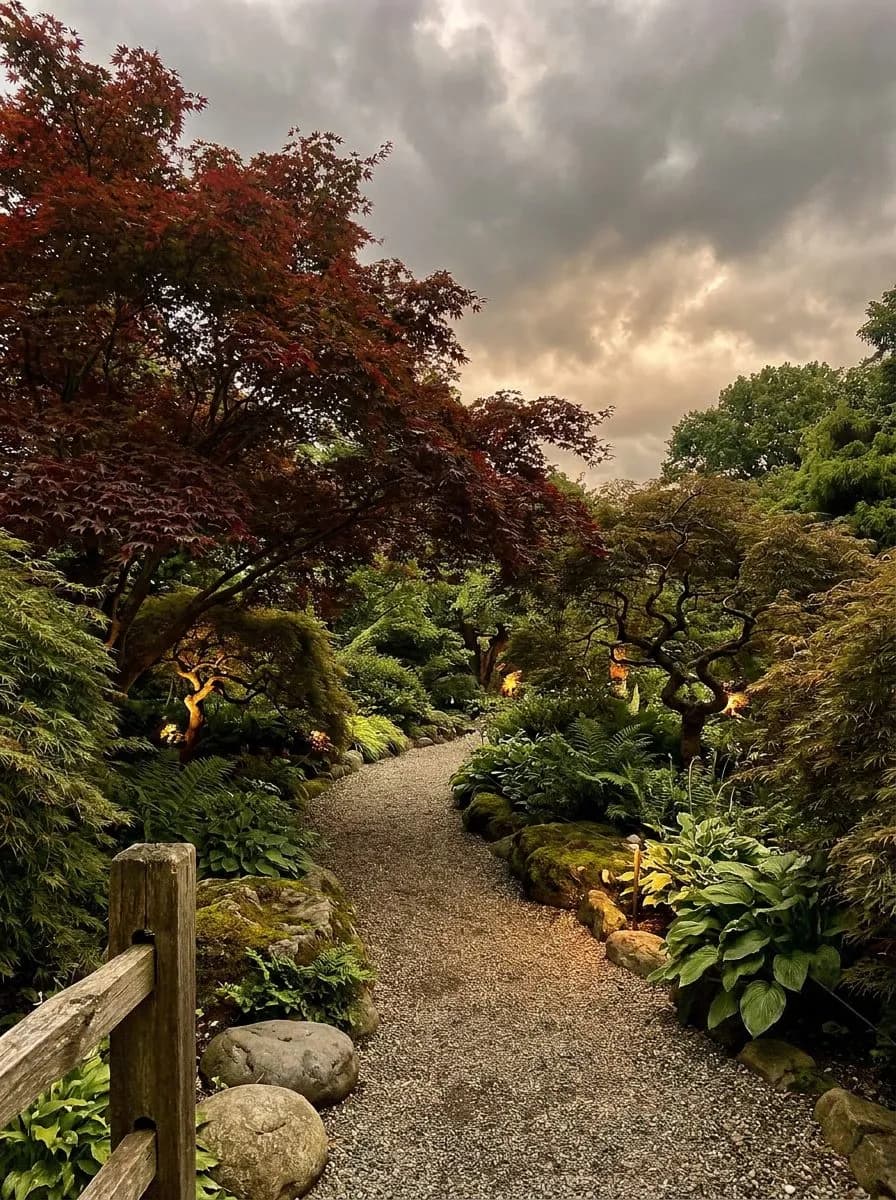
Brooklyn Botanic Garden: fifty-two acres of restraint
Brooklyn's garden practices a particularly urban form of beauty—compressed, layered, never wasting an inch. The Japanese Hill-and-Pond Garden alone justifies the trip, its meandering path and arched bridges offering a masterclass in how to slow human movement through strategic placement of stone and water. In June the irises along the pond's edge stand in formation, their blooms lasting just long enough to make you grateful you showed up this week and not the next.
The Rose Garden arcs across a hillside in geometric beds, each variety labeled with the kind of specificity that sends amateur gardeners frantically typing notes into their phones. Fragrance moves in waves here depending on the wind direction—some roses offer only visual pleasure, others announce themselves from six feet away. The Cranford Rose Garden holds over a thousand plants, and on a free admission day in botanical garden nyc june, the paths fill with an unusually democratic cross-section of the borough: elderly couples who remember when this neighborhood looked entirely different, young families negotiating stroller logistics, art students sketching in battered Moleskines.
Don't skip the Native Flora Garden, a woodland walk that demonstrates how much beauty existed on this continent before European ornamental tastes rewrote the rules. Ferns uncurl in the understory, and the plant labels read like a colonial-era pharmacopeia. It's cooler here by several degrees, the air holding moisture in a way the open lawn cannot.
New York Botanical Garden: where scale does the talking
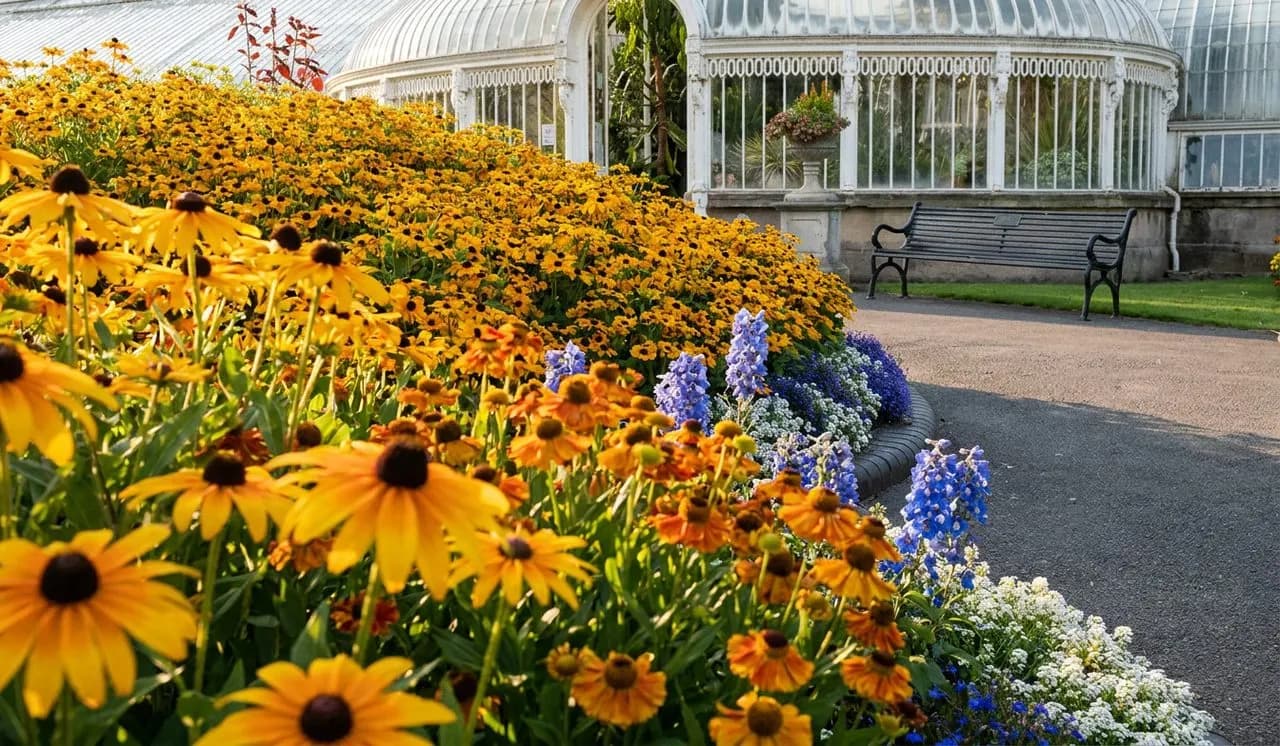
The Bronx garden operates at a different magnitude entirely—250 acres that include one of the last remaining tracts of original New York forest. The Enid A. Haupt Conservatory dominates the approach, its Victorian glasshouse curves catching light in a way that makes you understand why the Victorians were obsessed with crystal palaces and taxonomy. Inside, microclimates have been coaxed into existence: the humid lowland tropics in one wing, the arid succulents in another, each zone maintained with the sort of environmental precision usually reserved for museum storage.
June brings the perennial garden into its stride, a rolling meadow-like space where drifts of salvias and alliums create the illusion of happy accident rather than deliberate design. The effect is studied casualness perfected over decades. Photographers crouch in the pathways, trying to capture the way afternoon light turns ornamental grasses into something like spun gold.
The old-growth forest—the Thain Family Forest—deserves at least an hour. Tulip trees and oaks that predate the subway system rise overhead, their root systems threading through soil that has never known a plow. The temperature drops as you enter, and the sound profile shifts from crowd murmur to bird call and leaf rustle. It's the kind of walking that requires no destination, though the forest does eventually loop back toward the more cultivated sections.
What free admission actually means
Free days at both gardens typically cover general admission to the grounds, but special exhibitions or specific attractions—the conservatory at the Brooklyn garden, certain gallery shows at the Bronx location—may still carry separate fees. Read the fine print before you go, or simply plan to spend your time outdoors where the real spectacle unfolds anyway. Crowds will be heavier than on ticketed days, but both gardens possess enough acreage to absorb numbers. Arrive early if you prefer solitude, or embrace the mid-afternoon bustle as part of the urban garden experience.
Membership booths will be strategically positioned, staffed by enthusiasts who can recite benefits with the fluency of auctioneers. If you find yourself visiting three or more times a year, the math tips toward joining. If not, these free days offer a no-commitment way to satisfy your seasonal appetite for chlorophyll and design.
The surrounding neighborhoods
Brooklyn Botanic Garden sits at the intersection of Prospect Heights, Park Slope, and Crown Heights—neighborhoods that have spent the past decade perfecting the art of the expensive casual lunch. Eastern Parkway and Washington Avenue offer clusters of cafés where you can extend the afternoon over cold brew and a tartine. Prospect Park sprawls adjacent, if you want to trade curated landscape for wilder green space.
The Bronx garden anchors a quieter stretch of Fordham, though Arthur Avenue's Italian enclave sits close enough for a post-garden meal among the salumerias and bakeries that still make their mozzarella in-house. The neighborhood lacks Brooklyn's relentless self-awareness, which depending on your mood registers as either refreshing or slightly melancholy. Both are legitimate responses to the northern borough's complicated relationship with the rest of the city.
Practical notes
Brooklyn Botanic Garden is located at 990 Washington Avenue, Brooklyn; take the 2/3, 4, or 5 to Franklin Avenue–Medgar Evers College or the B/Q/S to Prospect Park. The New York Botanical Garden is at 2900 Southern Boulevard, Bronx; accessible via Metro-North to Botanical Garden station or the B/D/4 to Bedford Park Boulevard–Bryant Avenue, with a shuttle or bus connection to the garden. Limited paid parking is available at both locations. Free admission days in June are typically scheduled for weekday mornings or early afternoons—verify current hours and specific dates directly with each institution before traveling, as schedules can shift. Both gardens are largely accessible, with paved paths and wheelchairs available. Bring sun protection, water, and comfortable shoes; figure on two to three hours minimum to see the highlights without rushing. Strollers are permitted. Picnicking policies vary, so check in advance if you're planning to bring food.
Tags: #NYCBotanicalGardens #FreeAndFine #BrooklynBotanicGarden #NYBGBronx #NYCinJune #FreeAdmissionNYC #BotanicalGardenNYC #ProspectHeights #BronxAttractions #NYCParksAndGardens #JuneInNYC #FreeNYC #CityGardens #UrbanNature #KarpoFinds
Sources consulted: Brooklyn Botanic Garden - Wikipedia · New York Botanical Garden - Wikipedia · Brooklyn Botanic Garden Official Site · New York Botanical Garden Official Site · Time Out New York
All trademarks are the property of their respective owners.