New York City operates on multiple grids—geographic, social, chronological—but the architectural grid is the one that most rewards walking slowly. Late May 2026 arrives with warmer light, longer shadows, and a handful of genuinely free architecture tour programs that treat the city's built fabric not as backdrop but as argument. These aren't marketing stunts disguised as civic gestures; they're the result of nonprofit advocacy groups, professional associations, and neighborhood coalitions who believe access to design literacy ought not to require a donation button. Whether you've lived here a decade or a weekend, the city's skyline shifts when someone points out the cornice you've passed a thousand times.
Open House New York's rotating series
Open House New York has, for more than two decades, organized large-scale weekend events that unlock private buildings to the public. But its year-round calendar is the quieter story—monthly tours led by architects, historians, and preservation advocates who treat each walk as a seminar on material culture. Late May typically sees thematic itineraries: Art Deco lobbies in Midtown, postwar housing experiments in the Bronx, the adaptive-reuse projects remaking waterfront Brooklyn. Reservations open three weeks ahead and fill within hours, not because the tours are exclusive but because they're genuinely substantive.
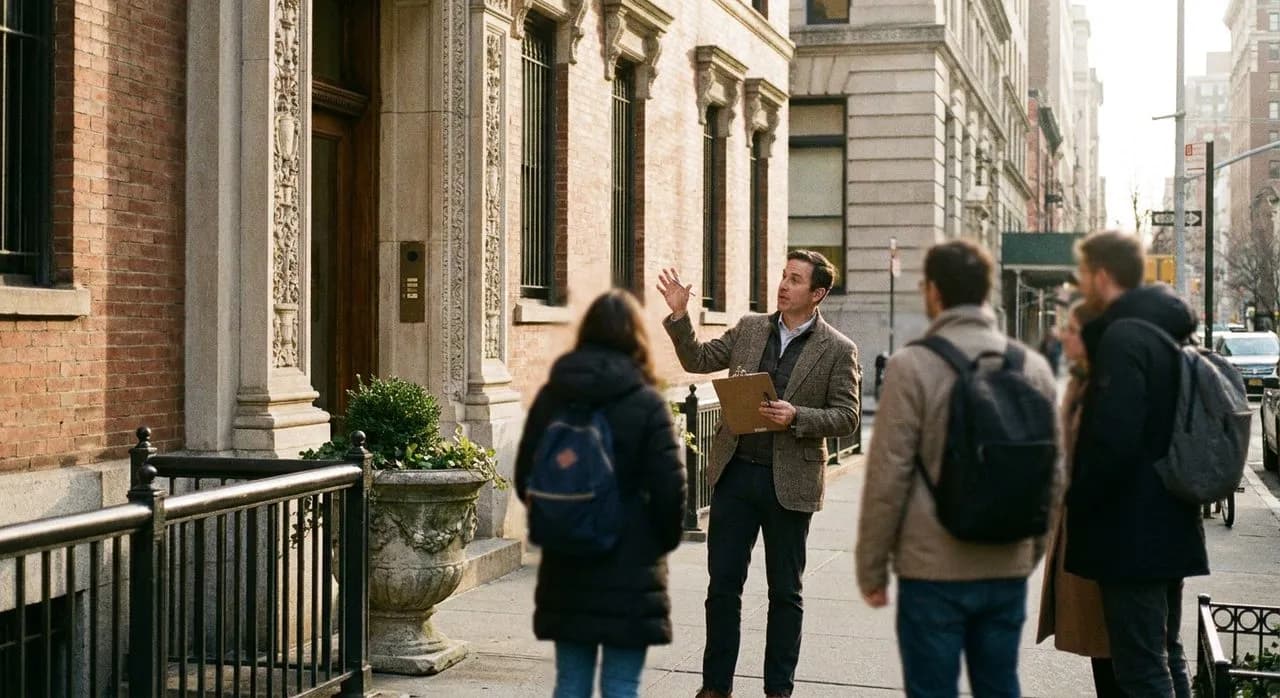
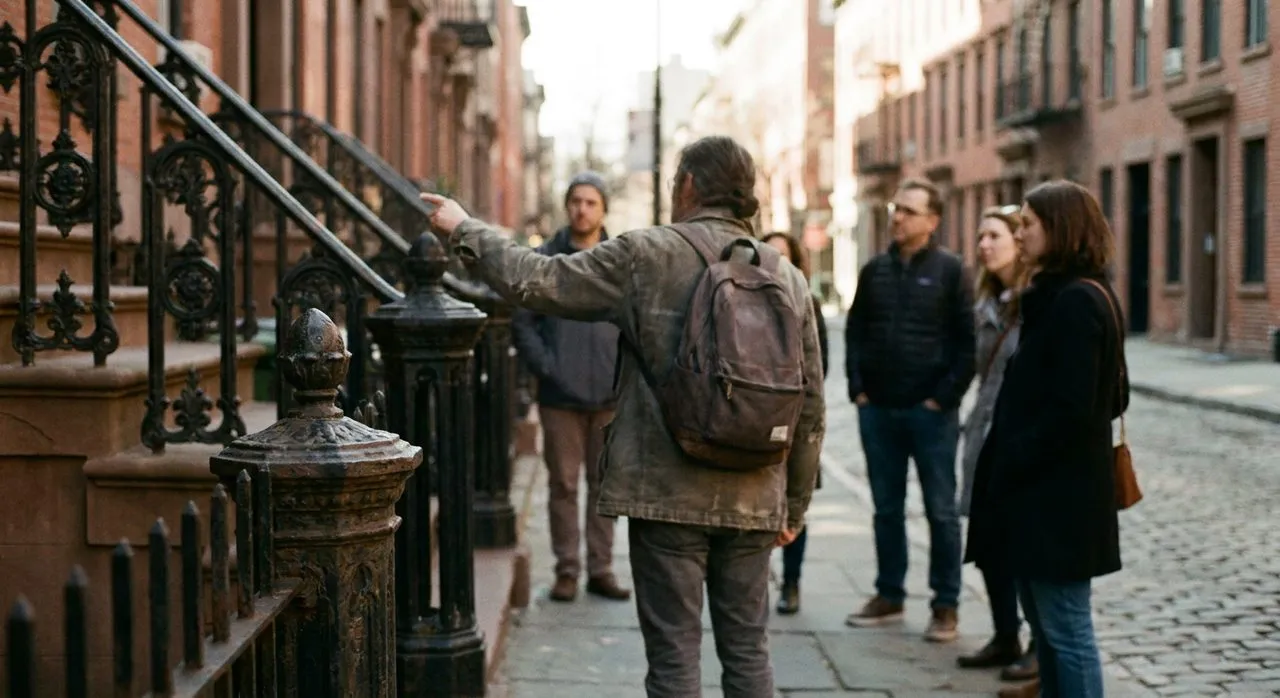
The format is consistent. Groups cap at twenty-five. Guides speak without microphones, so you stand close and crane your neck at terra-cotta ornament or steel rivets catching afternoon sun. There's no upsell, no gift-shop exit. You leave with a seven-page PDF bibliography if you ask politely. Check OHNY's event calendar in early May for the late-month slate; the Upper West Side civic-architecture walk and the downtown financial-district tour tend to anchor the rotation.
AIA New York Chapter walking tours
The American Institute of Architects' New York chapter runs a less-publicized tour program that operates on a hybrid model: some walks are members-only, others open to the public at no charge. The public ones appear sporadically, often tied to architectural anniversaries or building openings, and they lean toward contemporary projects—glass-and-steel interventions in older neighborhoods, waterfront parks with engineered wetlands, libraries designed by name-brand practices. Late May's weather makes these particularly appealing; you're outside for ninety minutes, and the architects who lead them tend to narrate not just form but the political and budgetary constraints that shaped each design.
What distinguishes AIA NY tours from others is the willingness to critique. A guide will point out where a developer cheaped out on facade materials, or where zoning compromises resulted in an awkward massing. The tone is collegial but unsparing. Expect to hear terms like "floor-area ratio" and "setback regulation" used without apology. Reservations open on the chapter's website under the Community tab; late May often includes a Hudson Yards walk and a Brooklyn Navy Yard industrial-adaptive route.
Municipal Art Society's pay-what-you-wish slate
The Municipal Art Society threads a middle path: many of its tours ask for a suggested donation, but the fine print clarifies that all walks are accessible regardless of ability to pay. That's meaningful, even if it feels delicate to arrive and wave off the clipboard. MAS tours skew historical—Gilded Age mansions, Beaux-Arts public buildings, the layered archaeology of neighborhoods like Greenwich Village and Brooklyn Heights. The guides are often retired urban planners or preservationists who remember the fights over Penn Station and the battles to landmark SoHo's cast-iron district.
Late May sees the full schedule in swing. A Grand Central walking tour remains a popular option: roughly ninety minutes tracing the terminal's celestial ceiling, its hidden passages, the real-estate chess game that saved it from demolition in the 1970s. There's also a Lower East Side tenement-and-transformation walk that foregrounds immigration history as much as building typology. MAS publishes its calendar two months ahead; if you're planning around late May 2026, check in mid-March for the finalized roster. The tours meet at subway-adjacent corners, always public space.
Self-guided brownstone routes through Bed-Stuy and Crown Heights
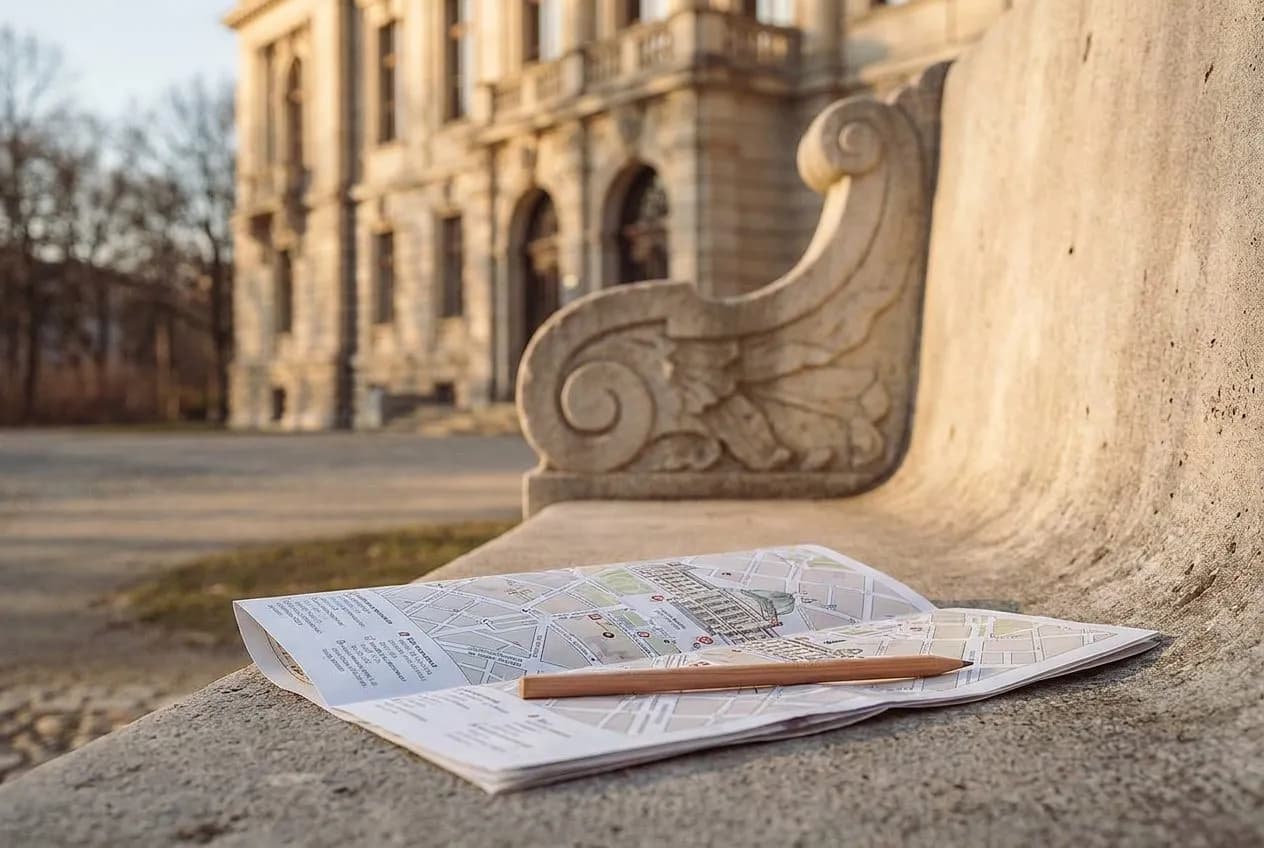
Sometimes the best architecture tour is the one you conduct alone, with a printed map and a willingness to look up. The Brooklyn brownstone belt—particularly the contiguous blocks of Bedford-Stuyvesant and Crown Heights—offers a Saturday afternoon's worth of Italianate, Neo-Grec, and Romanesque Revival rowhouses built between 1870 and 1910. The Brownstone Brooklyn coalition publishes a free downloadable PDF that maps three loops, each about two miles, with notes on stoop styles, cornice brackets, and the economic history encoded in floor heights.
Late May is ideal for this. Trees are fully leafed, the air smells faintly of linden blossoms, and the low sun rakes across stoops in a way that makes every shadow line legible. Start at the corner of Hancock Street and Stuyvesant Avenue; walk west. Notice the alternating brownstone and limestone facades, the way some blocks retain original ironwork while others have been painted over in unfortunate pastels. There are no guides here, no scheduled start times. Just you, the buildings, and the occasional neighbor watering a tree pit who might tell you which house used to belong to a jazz musician or a congressman.
Brooklyn Historical Society's free First Saturdays
The Brooklyn Historical Society (now the Center for Brooklyn History, part of the Brooklyn Public Library) anchors its programming with a monthly free-admission Saturday, and while the focus is archival rather than ambulatory, the tours that launch from its Pierrepont Street location are worth marking. A volunteer docent leads a forty-minute walk through Brooklyn Heights' landmarked district, pointing out Federal-style rowhouses, the Promenade's cantilevered design, and the row of brownstones where Truman Capote and Arthur Miller once lived. It's less technical than the AIA walks, more anecdotal than OHNY, but the scale is intimate—often fewer than fifteen people.
The tours run at 11 a.m. and 2 p.m. on First Saturdays, and they don't require advance registration. Arrive early if late May coincides with good weather; the line can stretch down the block. After the walk, the society's library is open for browsing—old borough maps, historic building permits, photographs of demolished landmarks. The whole experience takes two hours if you linger. If you're hungry afterward, Brooklyn Heights' Montague Street has a cluster of cafés and sandwich counters that have survived multiple real-estate cycles.
Lower Manhattan's self-guided Seaport loop
The South Street Seaport's cobblestone blocks and 19th-century mercantile buildings have survived urban renewal, hurricanes, and several waves of commercial redevelopment. The Seaport Museum publishes a self-guided walking map that traces the old port's footprint—from Fulton Fish Market's ghostly remains to the schooners docked at Pier 16. It's less a tour than a scavenger hunt: find the bronze medallions embedded in sidewalks, locate the last wooden water tower, notice where Federal-style brick gives way to cast-iron Italianate.
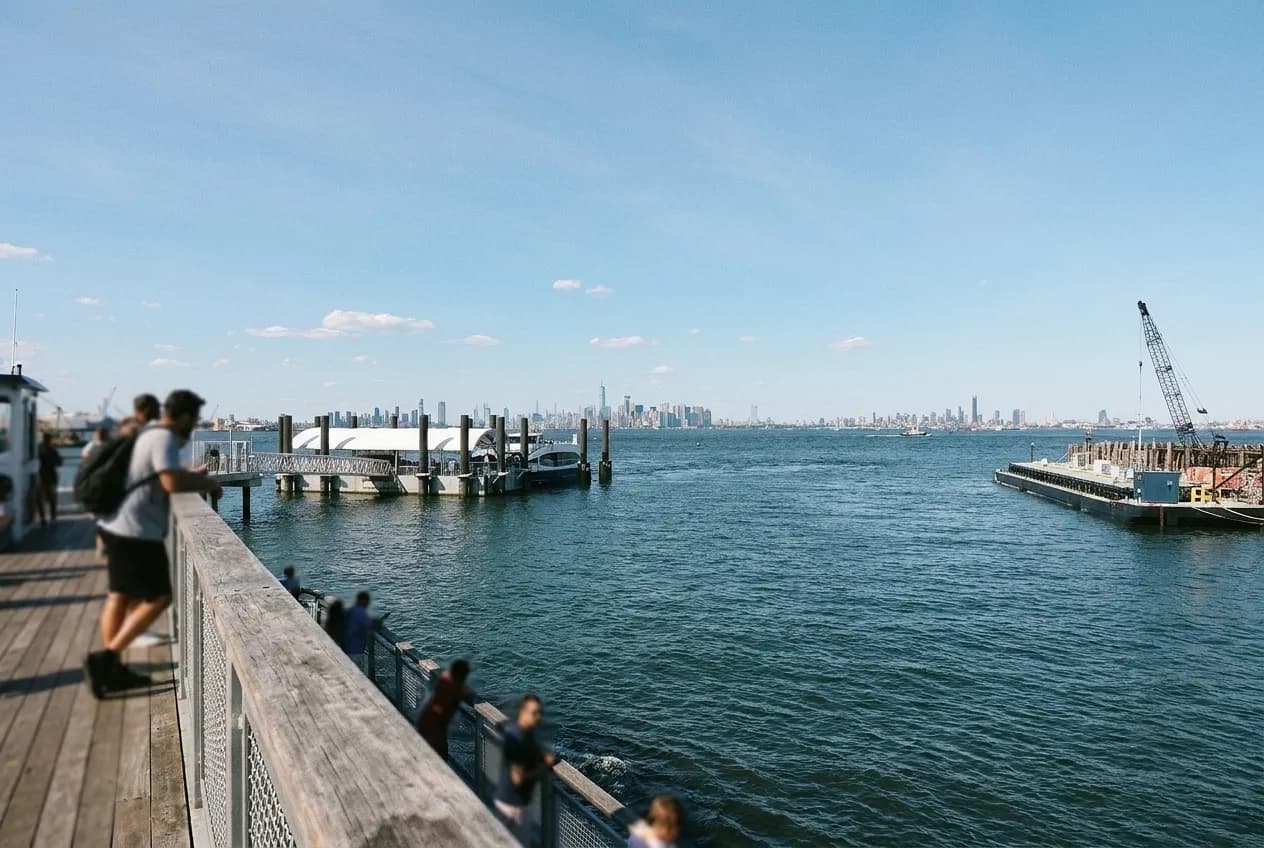
Late May brings tourists, but early mornings stay quiet. The light off the East River is clean, almost coastal. You can walk the loop in forty-five minutes or stretch it to two hours if you detour through narrow streets like Peck Slip and Beekman. The map is free at the museum entrance or downloadable as a PDF. There's no audio guide, no app. Just paper, a pen if you like to take notes, and the pleasure of triangulating your position between the Brooklyn Bridge's stone towers and the glassy rise of the Financial District behind you.
Practical notes
Open House New York tours depart from various locations; check individual event listings for meeting points, typically near subway stops. AIA NY walks meet at specified building entrances or public plazas; the chapter's website lists nearest subway lines. Municipal Art Society tours often begin at Grand Central Terminal (42nd Street and Park Avenue; accessible via 4/5/6/7/S trains). Brooklyn Historical Society sits at 128 Pierrepont Street in Brooklyn Heights (2/3 to Clark Street or A/C to High Street). Brownstone self-guided routes start near the A/C at Utica Avenue or the G at Bedford-Nostrand. Bring water, a hat, comfortable shoes, and a phone for photos. Most tours last 75 to 120 minutes. Accessibility varies by route; OHNY and MAS tours often accommodate mobility devices, but cobblestone and stoop-heavy walks may present challenges. Verify current schedules and reservation policies directly; nonprofit programming can shift.
Tags: #NYCArchitecture #FreeAndFine #ManhattanWalking #BrooklynBrownstones #OpenHouseNewYork #AIANY #ArchitectureTours #NYCMay2026 #SelfGuidedNYC #BrooklynHeights #SouthStreetSeaport #MunicipalArtSociety #BedStuyArchitecture #NYCSpring #FreeNYC
Sources consulted: Architecture of New York City · Open House New York · AIA New York · Brownstone · Time Out New York Architecture
All trademarks are the property of their respective owners.