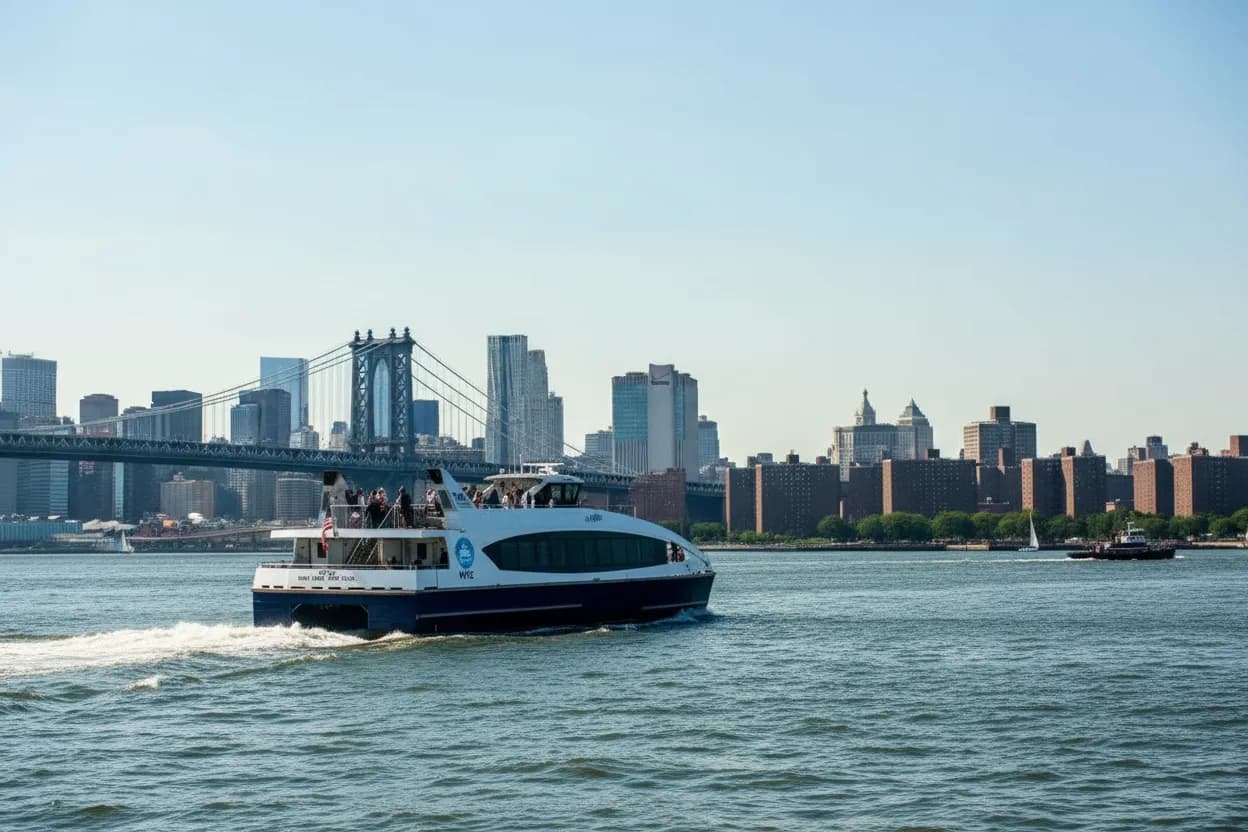
For students who freeze at the sight of a packed platform, the NYC Ferry Astoria route can look like a clean escape: open air, scheduled stops, and less shoulder-to-shoulder pressure than a subway crush. Treat it as a commute test, not a fantasy ride. As of July 23, 2026, the route links Astoria, Roosevelt Island, Long Island City, East 34th Street, Brooklyn Navy Yard, Wall Street/Pier 11, and East 90th Street, with weekday departures that can work for some school mornings and fail badly for others. The useful question is narrow: can this ferry absorb one stressful morning without making lateness, cost, or weather worse?
Want a second check before your practice ride? Text Karpo with your school arrival time, landing, and backup subway, and ask for a ferry commute reality check.
Run the Astoria Landing Clock Before School Starts
Start the test at the Astoria landing, listed by NYC Ferry at 3-10 Astoria Boulevard, because the land-side approach is the part most students underestimate. Time the walk from home, bus stop, or bike rack without rushing, then add five minutes for missed lights, bag checks, or a parent handoff. If that buffer already feels tight, the ferry may still be useful as a backup, but not as the first-choice everyday commute.
On a breezy clear morning, the landing can feel calmer than a subway mezzanine, but calm is not the same as flexible. NYC Ferry lists bike racks at Astoria and nearby bus options including Q18, Q19, Q102, and Q103 at 8th Street and Astoria Boulevard. That helps if your first mile is predictable. It hurts if your bus is the weak link, because a missed boat can mean waiting for the next scheduled departure.
Match the Astoria Route Direction to the School Bell
For Manhattan-bound students, the morning math depends on direction. NYC Ferry’s weekday Astoria-to-Wall Street line shows Astoria departures including 7:25 AM, 8:03 AM, 8:41 AM, and 9:19 AM, arriving Wall Street/Pier 11 about forty-five to fifty minutes after leaving East 90th Street. For East 90th Street or East 34th Street schools, the route may be shorter, but only if your final walk is realistic.
Students heading toward the Upper East Side should study the opposite pattern too. From Wall Street/Pier 11 toward East 90th Street, NYC Ferry lists Astoria as a stop before East 90th Street, with weekday morning calls such as 7:10 AM, 7:48 AM, 8:26 AM, and 9:04 AM at Astoria. Those times may fit a rehearsal day, but the key test is arrival at the classroom door, not arrival at the pier.
Price the Ferry Against a Student MetroCard Habit
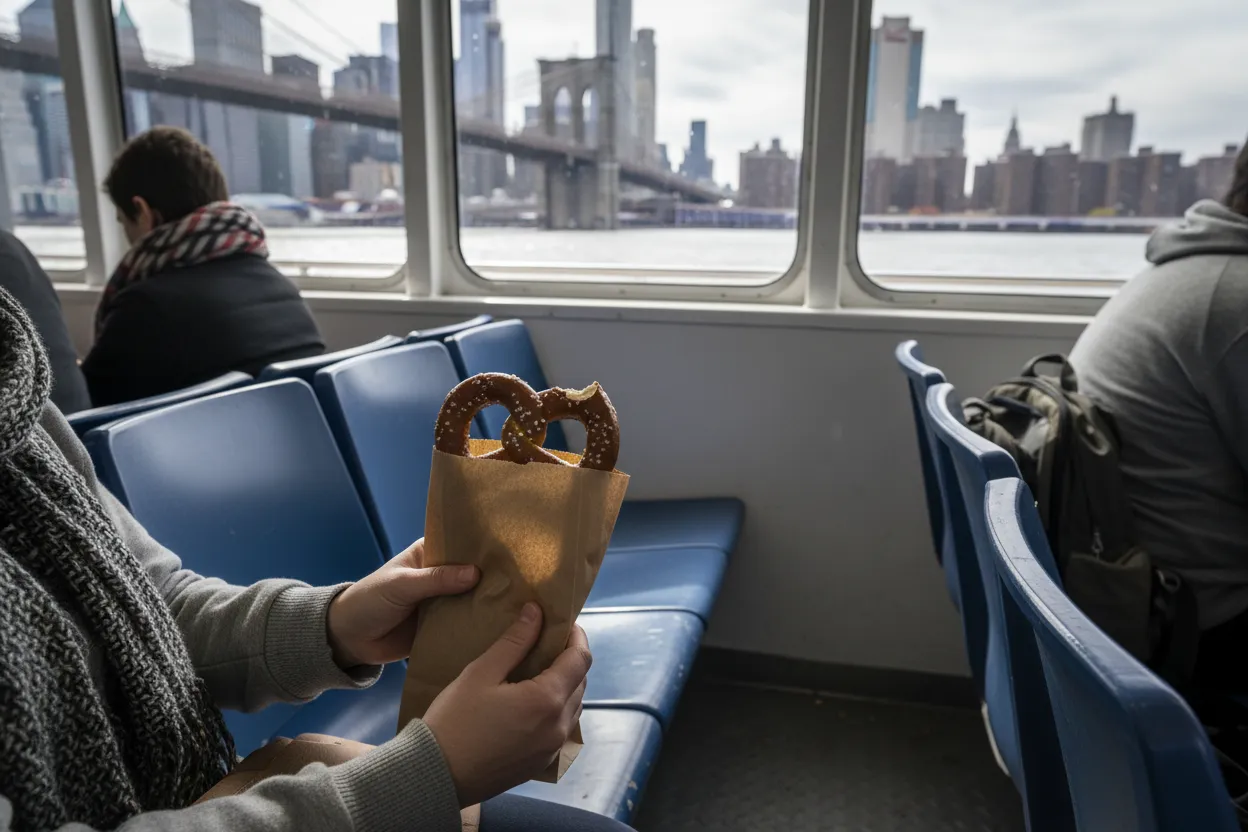
Fare cost is the first reality check. NYC Ferry lists a one-way ticket at $4.50, a 10-trip pass at $29.00, and a $1.45 Student Discount Program fare for eligible NYC middle and high school students. The ferry does not become a smart backup just because it is calmer. A student who can ride the subway or bus free with school transportation benefits should treat full-price ferry rides as occasional relief, not default spending.
The student discount is promising but not automatic. NYC Ferry says 2026-2027 student discounts become available starting August 1, 2026 through NYC Schools Account access, and student discount tickets are for weekday use during the school year. Discount codes and app setup should be tested before the first serious commute. If the app, code, or account is not ready, the backup plan should assume the regular fare until eligibility is confirmed.
Use East 90th Street as the Comfort and Last-Mile Test
East 90th Street is the best test stop for students comparing ferry calm with subway pressure, because it reveals the tradeoff quickly. NYC Ferry lists the landing at East 90th Street and F.D.R. Drive, with M31 and M86-SBS bus connections between York Avenue and East 88th Street and nearby N, Q, and R trains at East 86th Street and Second Avenue. That gives options, but none removes the final walking calculation.
A student who dislikes crowds may love stepping off near the river and hate the next ten blocks. Test the full route with the same backpack, shoes, instrument case, or sports gear used during school weeks. Note whether the walk is exposed, whether the bus transfer adds uncertainty, and whether arriving windblown matters for the first class. If the last mile feels like a second commute, the ferry works better as an emergency pressure valve.
Treat Weather as an Astoria Route Gatekeeper
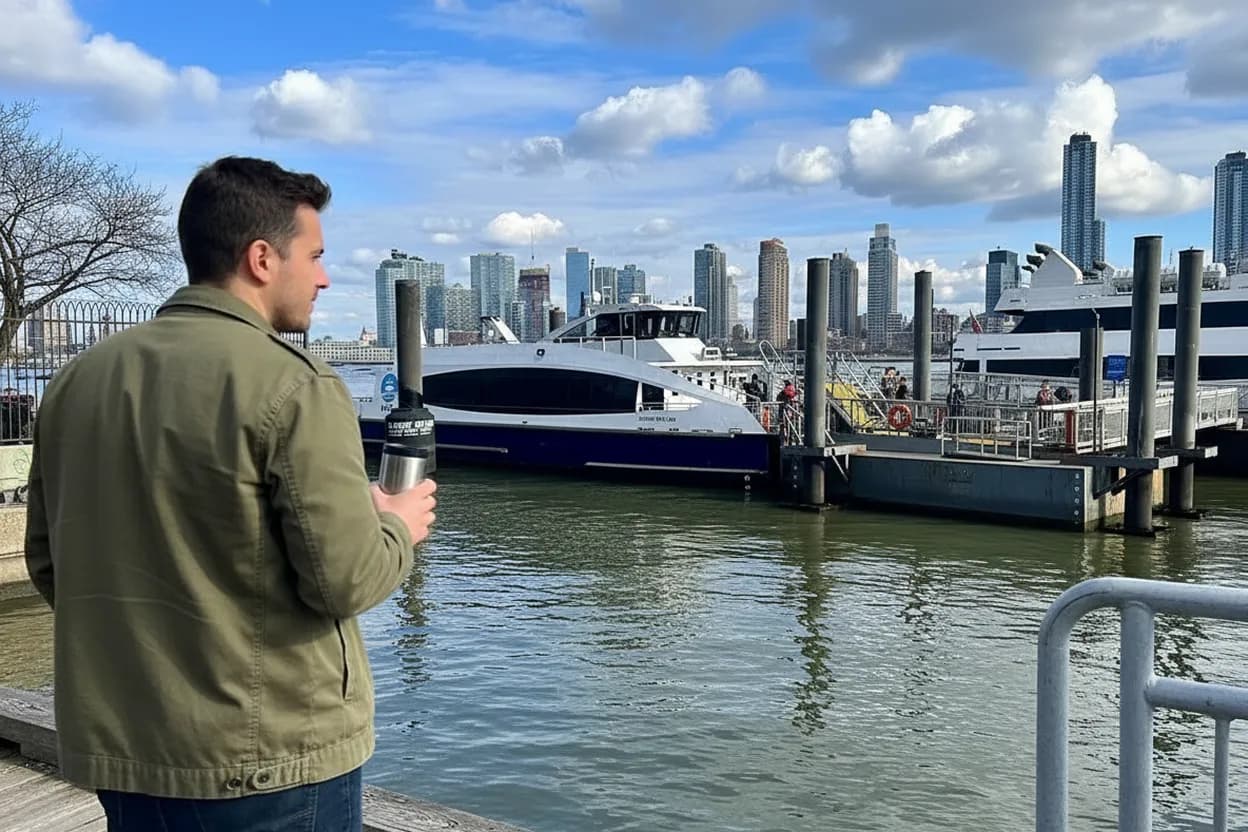
The ferry’s strength is also its weakness: more air, more light, and more exposure. A breezy clear morning is ideal for a confidence-building ride, but the decision guide should include rain, heat, cold, and wind off the East River. Check the NYC Ferry service alerts page before leaving, then compare the forecast against your tolerance for waiting outside. A student avoiding sensory overload may still find weather exposure easier than a packed train.
Do not build the plan around perfect conditions. Pack the same way you would for school, then ask whether wet shoes, a soaked backpack, or a delayed boat would damage the day more than subway crowding. If medication timing, mobility, asthma, migraines, or anxiety symptoms are part of the commute, the ferry should be tested with a parent or trusted adult first. The right answer may be seasonal: useful in September, less reliable in February.
Check Accessibility at Astoria Before Counting on Independence
Accessibility is not only whether a boat boards; it is whether the whole chain works independently. NYC Ferry publishes MTA Access-A-Ride pickup and drop-off points near its landings, including 30-02 Vernon Boulevard for Astoria and 99 East End Avenue for East 90th Street. Those locations are practical details, not guarantees that every student can improvise the trip. Confirm ramps, approach grades, elevator needs, and transfer distance during the same hour you would commute.
Students using mobility devices, service animals, or support from a parent should make the rehearsal boring on purpose: arrive early, board without rushing, identify where to wait, and confirm how staff handle boarding. If the plan depends on a bus connection, verify that connection separately through current MTA tools before relying on it. A ferry route can be calmer than the subway while still being a poor accessibility choice if the landings sit too far from school.
Make the Final Astoria Ferry Go-or-Backup Call
After one practice run, score the ferry on five points: door-to-door time, arrival reliability, out-of-pocket cost, weather tolerance, and recovery if the boat is missed. A strong result is not necessarily faster than the subway. It is a route that gets the student to school calm enough to function, with a known fallback and no mystery expenses. If two categories fail, keep it as a scenic weekend ride rather than a school-morning tool.
The final verification step belongs on the morning itself. Check NYC Ferry’s Astoria schedule, service alerts, and real-time tools before walking out; the route page lists landing codes and a text option for real-time schedules. Confirm the student discount status again after August 1 if planning for the 2026-2027 year. Then decide: ferry if timing, weather, and fare all hold; subway or bus if any one of those breaks.
Tags: #NYCFerry #Astoria #QueensNYC #StudentCommute #BackToSchoolNYC #TransitBackup #East90thStreet #RooseveltIsland #LongIslandCity #ManhattanCommute #FerryCommute #AskKarpo #BeforeYouGo #NYCStudents
Sources consulted: Source 1: ferry.nyc · Source 2: ferry.nyc · Source 3: ferry.nyc · Source 4: ferry.nyc · Source 5: ferry.nyc · Source 6: a858-nycnotify.nyc.gov
All trademarks are the property of their respective owners.
Ask Karpo first
Tell Karpo your date, group size, budget, and starting neighborhood. We’ll check current access, timing, transit, and the cleanest plan for NYC Ferry Astoria route before you head out.