 Inwood Winter Greenmarket Picker for Hikers on Cold Mornings
Weekend Plans

NYC Family Outing Planner: Two Hours Spent Indoors
For a short indoor outing in NYC, choose one activity that fits the whole window, including arrival and departure, instead of packing in extra stops.
Two free hours can disappear into a journey, a coat check and a discussion about lunch. An indoor family outing works better when the clock includes all of those pieces. If you are using a family outing planner in NYC between another commitment and dinner, compare activities by how easily you can start and finish them. The most interesting listing is not always the most useful choice. A smaller experience can give everyone a satisfying afternoon while leaving enough time to get where you need to be next.
Count the window from door to door
Write down the moment your family can actually leave and the moment everyone must reach the next destination. Those are the outside edges of the plan. The period between them includes getting into the building, finding the activity and leaving again. Avoid describing the entire gap as activity time. If one child needs a slower transition after school, include that in your thinking as well. The plan needs to work for the people arriving, not for an imaginary group already standing inside.
Use the next commitment to narrow the geography. If the family must end in the same neighborhood, a nearby activity may make more sense than a destination closer to home. If the outing ends with a journey elsewhere, think about the direction of that journey before comparing ideas. You do not need a precise transport estimate to identify an obvious detour. A good first filter is simply whether the suggestion moves the family toward or away from the required finish.
Compare three ways to spend the time
Consider a self-directed indoor visit when different family members want to move at different speeds. You can choose a small portion of the experience and leave without waiting for a formal ending. The tradeoff is that the family supplies its own structure. A child who prefers a clear task may need a little framing, such as choosing one object to draw or looking for a particular kind of pattern. Make the intended scope small enough to explain before entering.
A scheduled session offers a different bargain. It gives the afternoon a defined beginning, shared instructions and a clear finish, but the timetable becomes the central constraint. Consider whether getting there with a little margin leaves enough room for the return. If the session fills almost the whole available window, it may be a poor match even when its subject sounds ideal. The existence of a class in a suggestion is also separate from having a place in that class.
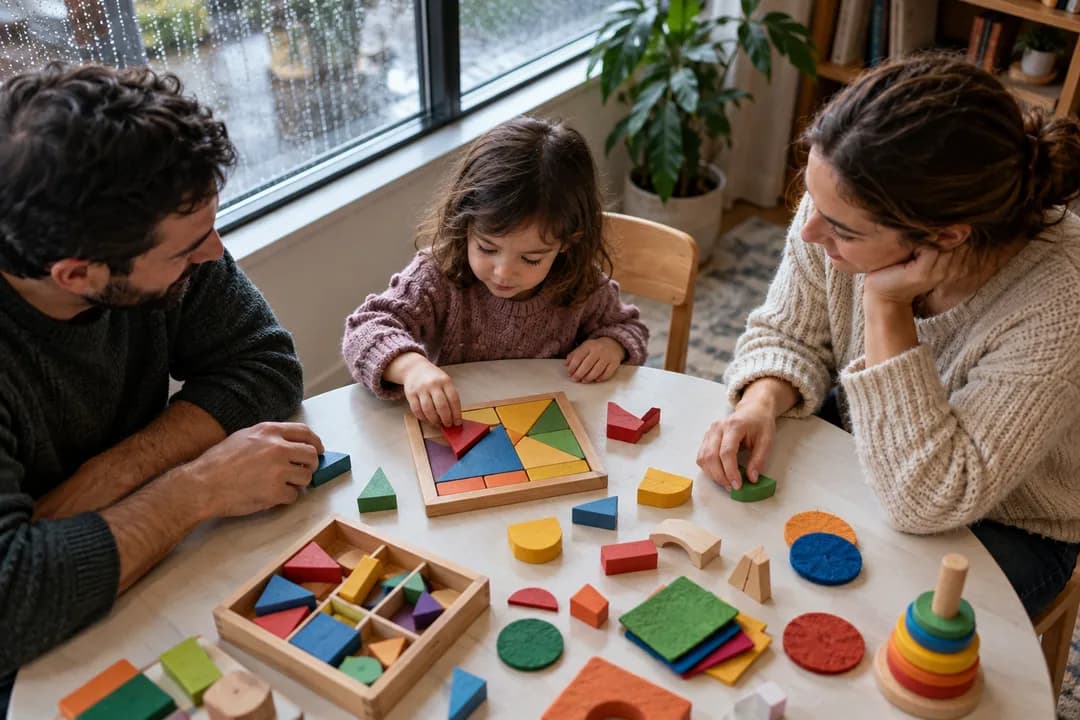
An informal activity around a table can suit a family that mainly wants time together. Think of drawing, puzzles or another hands-on task rather than a long sequence of destinations. This option asks you to be clear about the purpose: making something together, having a conversation or giving a child a chance to concentrate. It should not become an expensive substitute for an activity everyone would rather do at home. Choose it because the setting or shared task adds something valuable.
Give Karpo the awkward details early
Open the Karpo APP with the full shape of your afternoon. A useful request might read: “Our family has a short gap in Queens before an evening commitment in the same area. We want an indoor activity for an adult and two children with different attention spans. Suggest a few ideas we can compare without planning a full day.” Add the ages, your starting point and the real end time. You are asking for a shortlist that reflects the circumstances, rather than a citywide list of attractions.
Then specify what a good fit means. Perhaps one child wants a hands-on task while the other likes looking around. Perhaps you need somewhere that does not require sustained silence. Say whether you want a structured session or freedom to leave after a short visit. These distinctions help you judge recommendations. The phrase indoor family outing alone leaves too many possibilities open, from a guided experience with a fixed duration to a brief stop where the family sets its own pace.
Pick the option with a clean finish
Imagine the last part of each candidate activity. Will a project need drying or collection? Will a child be waiting for a final demonstration? Will leaving early spoil the reason for attending? These are questions about fit, not reasons to reject every structured activity. The strongest candidate is one whose natural ending suits your deadline. If the ending is unclear, keep it as a research candidate rather than placing it in a tight schedule as though every detail were settled.
Build a departure cue the family can understand. For a self-directed visit, decide on one small thing to finish before going. For a session, plan around its stated ending rather than hoping to slip away unnoticed. Explain the boundary to children before the activity becomes absorbing. “We will finish this drawing, put everything away and leave for dinner” gives the afternoon a visible shape. A vague warning that you must leave soon often creates a fresh negotiation at the least useful moment.
Do not make food a second appointment
A short indoor outing can become complicated when a meal is quietly added to it. Decide whether eating belongs before, during or after the available window. If the family has already eaten, there may be no need to turn a snack into another destination. If lunch is essential, treat it as time the plan must accommodate. Avoid assuming that food service will fit neatly into an otherwise full schedule. Your comparison should show which activity survives after the meal has its own place.
Bring the small practical items that keep a wet-weather afternoon comfortable. Think about a place for damp outer layers, something to carry a finished project and a bag that can close quickly when it is time to move. These are packing suggestions, not claims about storage or cloakrooms at any business. The point is to reduce the number of little jobs the family needs to solve at the doorway. Indoors should describe the activity's setting, not a promise that every part of the journey stays dry.
Turn the comparison into one decision
Before choosing, give each possibility a plain label: easiest arrival, most engaging task or most flexible departure. Decide which quality matters most today. The answer can change from one afternoon to the next. If the family is already tired, flexibility may outweigh novelty. If the children are excited about making something, a well-fitting session may deserve the extra structure. This comparison is useful because it connects the attraction to the actual window instead of treating every appealing idea as equally practical.
Take the strongest idea back into the conversation with one focused revision. Ask to keep the neighborhood and activity style while shortening the scope, or to replace a fixed session with a self-directed alternative. Stop browsing when you have one workable choice and a simple fallback. A short indoor plan needs a clear start, something everyone understands they are doing together, and an ending that respects the next commitment. It does not need to fill every minute to have been worth leaving home.
Ask Karpo for more information.
Keep reading
- Inwood Winter Greenmarket Picker for Hikers on Cold Mornings
 Carroll Gardens Winter Greenmarket Picker for Holiday Bakers
 Jackson Heights Winter Greenmarket Picker for a Family Day