 Inwood Winter Greenmarket Picker for Hikers on Cold Mornings
Weekend Plans

NYC Family Outing Planner: Five Ways to Spend Less
Plan an NYC family outing around one shared spending limit, transport and optional extras, then ask Karpo for ideas that fit your actual family budget.
A family outing budget works better when it covers the whole trip, including the journey, food and the extras children notice on the way. An NYC family outing planner should start with that total rather than a list of attractive ticket prices. Open the Karpo APP with a clear spending limit and a description of your group. Ask for ideas to compare within it, keeping your own figures separate from any venue charges returned in a recommendation.
Put the household total before the attraction
Decide what you are comfortable spending as a household before anyone starts choosing activities. A limit for four people is different from a limit per person, and a ticket allowance is different from a complete day allowance. Name which one you mean. Include the number of adults and children, because family groups do not always follow the same shape. You can give a rough age band without sharing names, birthdays or a home address.
A useful starting request might be: “We are two adults and two children starting in Queens. Help us think through a modest afternoon out with one main activity and food brought from home. Our household spending ceiling includes getting there and back.” Add your own amount to that request. It is a planning input, not a claim that any particular New York attraction offers admission at that price. Leave space for the response to explain tradeoffs.
First saving: choose where the money should go
Ask each person what would make the day feel worthwhile. Someone might care about making something, another about playing outside, and an adult about having enough time to talk. Translate those wishes into experiences before assigning money to them. A paid destination is only one way to meet a preference. Equally, a free activity can become an expensive outing if the rest of the day requires several purchases that nobody discussed beforehand.
Give the main experience a share of the budget, then protect the essentials around it. If a particular activity is the reason for going, fewer secondary stops can preserve that choice. If spending time together matters more than admission, put the effort into a comfortable location and a manageable journey. Ask Karpo for ideas based on the priority you choose. You are requesting a shortlist, rather than handing the household's spending decisions to a recommendation.
Second saving: compare complete journeys
Write the outward and return journeys beside each candidate. Count the people who need transport and the changes involved, using the fares that apply to your group. A destination that looks inexpensive in isolation can lose its advantage after the journey is included. Keep those costs as separate lines so you can see what actually drives the total. Do not assume that a shorter distance automatically produces a lower fare or easier travel.
For an NYC request, give a neighbourhood or a convenient meeting point instead of simply saying “nearby.” Explain whether you intend to walk, use public transport or travel another way. Ask for suggestions concentrated in one area if moving around is the part you want to reduce. That is a useful constraint to communicate in conversation. It does not require a dedicated budget calculator, a particular map button or an automatic fare comparison feature.
Third saving: settle the food decision early
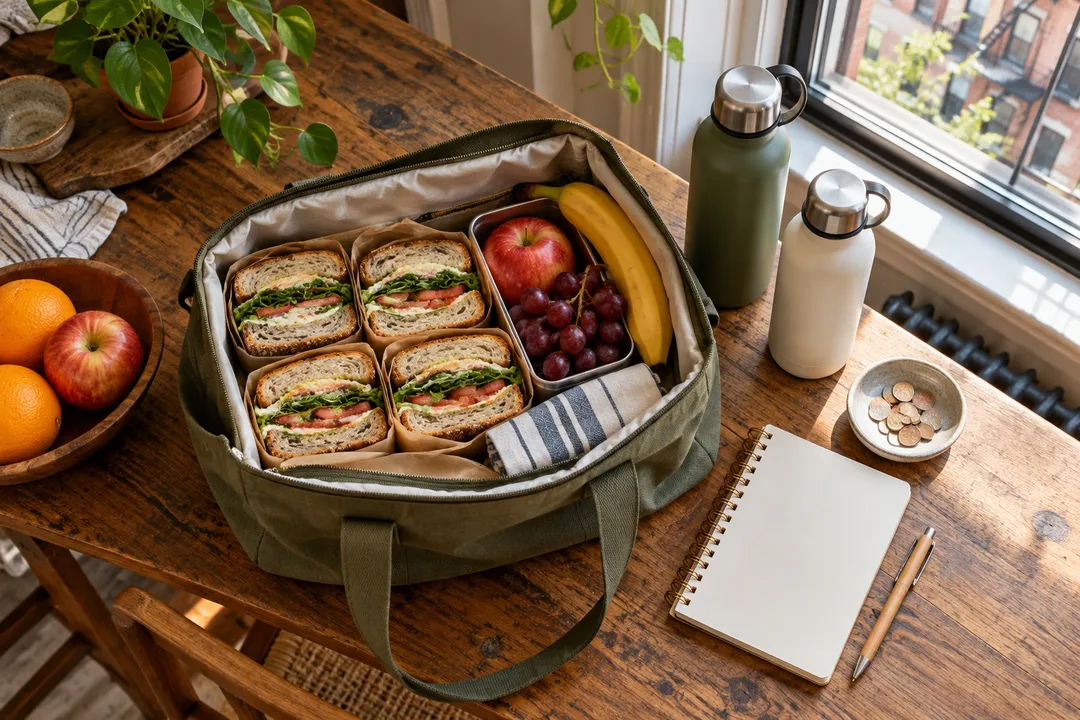
Choose whether food will be the main event, a packed meal or a small pause. These create different kinds of outing. Bringing lunch can make a longer activity possible, while buying a meal can be the experience everyone actually wants. Neither choice needs a moral argument. The important point is to make it together before arriving hungry. If your proposed activity has food restrictions, use its published rules when deciding what to carry.
Describe the decision clearly when you ask for ideas. “We will eat before leaving and want an activity without a restaurant stop” is more useful than “cheap family day.” Another family may prefer “one shared meal, with something simple to do afterward.” Avoid combining both requests into a long itinerary unless that is genuinely what you want. A focused food plan can reduce uncertainty without promising that a venue will allow outside snacks or provide picnic seating.
Fourth saving: make extras optional before they appear
Talk about souvenirs, additional games and treats before leaving home. If you want an allowance for those purchases, give it a clear boundary. If you are skipping them, explain that in ordinary language without turning the outing into a negotiation at every counter. Children can help choose the optional extra that matters most. An agreed choice is easier to understand than a series of different answers from adults who have not discussed the budget.
Keep optional purchases out of the minimum cost when comparing suggestions, but do not pretend they cannot happen. Put them in a separate column or note. You should be able to read the plan in two versions: the outing as intended and the outing with the agreed extra. If the second version breaks the household limit, change an actual decision. Rewriting the description as “affordable” does not make the arithmetic work for your family.
Fifth saving: have a stopping point
An outing does not need another purchase to count as finished. Decide what signals the end: completing the activity, eating the packed snack or reaching the point where the family turns home. A clear finish makes it easier to decline a late addition that would change the budget. It also gives you a way to shorten the day without describing that change as a failure. The time together is already the result.
When comparing options, favour a plan that can end comfortably after its main experience. A second paid destination should earn its place by meeting a distinct wish. Skip it if it mostly adds travel or fills an arbitrary gap in the schedule. Ask for one alternative idea rather than several extra stops. That alternative is a choice to make before committing, not an instruction to spend the money saved by finishing the first activity.
Practical Notes: turn the brief into one decision
In the Karpo APP, describe your group, starting area, available part of the day and household limit in the same message. Say which costs that limit includes and whether you want to bring food. Ask for a small set of possible outings with a reason each might suit your priorities. Use the reply to identify the remaining decisions. Published admission rules and any transaction terms belong to the provider offering the activity, not to this planning example.
Before selecting a candidate, put its stated charges beside your own transport and food allowances. Keep missing figures visibly unresolved instead of treating them as zero. Once the totals fit, choose a main plan and tell the family what is included. Save a short note with the shared limit, food decision and optional extra. You then have an outing you can explain in a few sentences, with a budget that reflects the day you actually intend to have.
Ask Karpo for more information.
Keep reading
- Inwood Winter Greenmarket Picker for Hikers on Cold Mornings
 Carroll Gardens Winter Greenmarket Picker for Holiday Bakers
 Jackson Heights Winter Greenmarket Picker for a Family Day