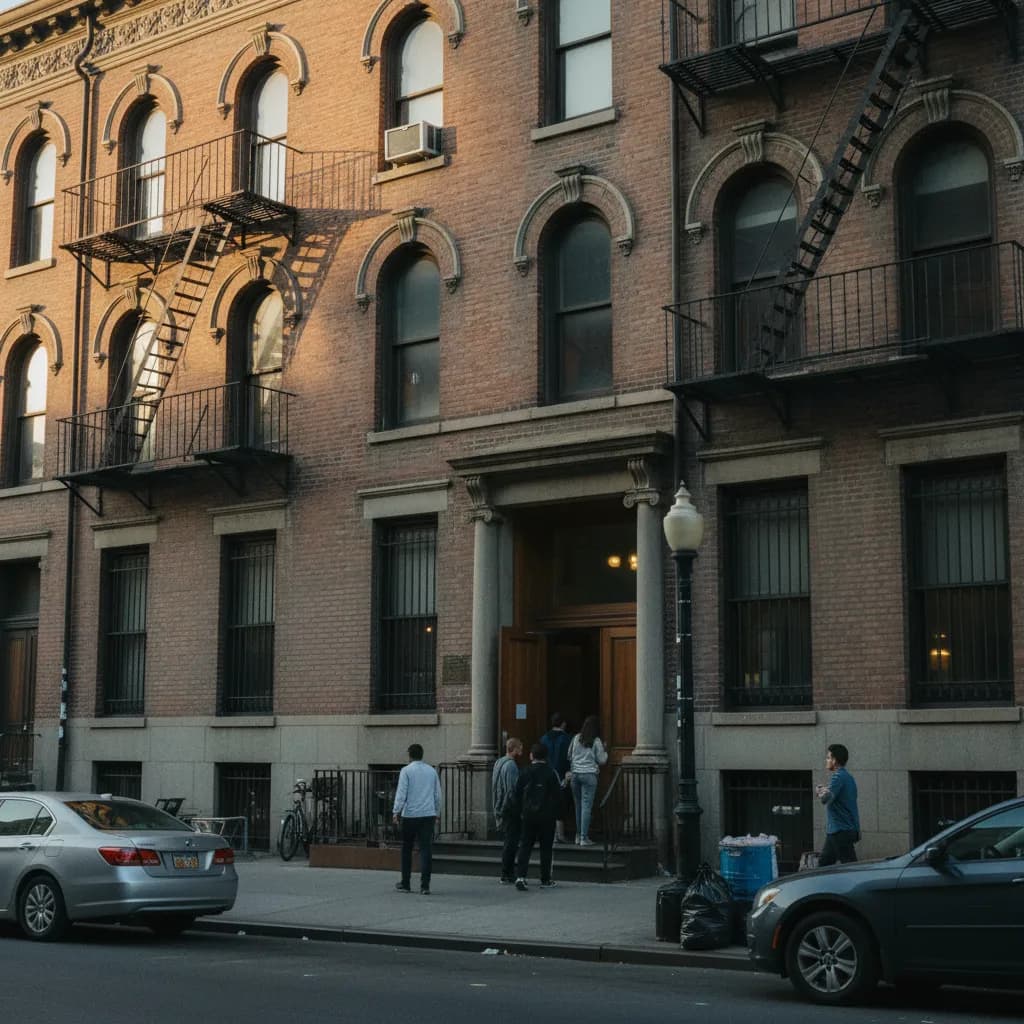
 Lower East Side Tenement Museum: Unveiling Immigrant Stories, Tours, and Events
Free Things to Do
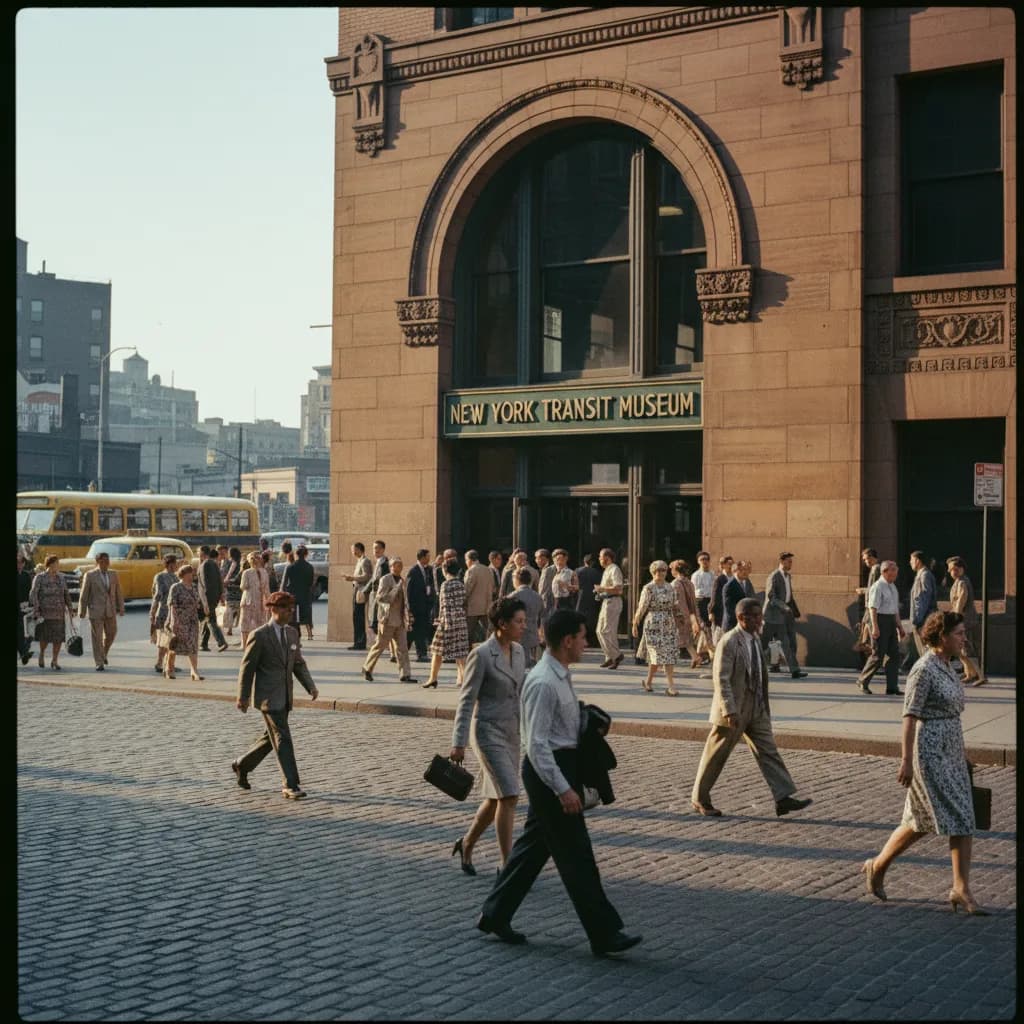
New York Transit Museum Downtown Brooklyn: Vintage Train Events & Underground History
Descend into a decommissioned 1936 subway station, where vintage trains gleam under vaulted arches. Experience living history with unique rides and captivating exhibits, a subterranean marvel in Downtown Brooklyn.
Nestled beneath the bustling streets of Downtown Brooklyn, where Fulton Street unfurls its contemporary retail tapestry, lies a portal to a bygone era: the New York Transit Museum. More than just a collection of artifacts, this institution occupies a decommissioned 1936 subway station, a subterranean marvel that pulses with the city's kinetic history. It's a place where the rumble of modern trains overhead provides a poignant soundtrack to the static grandeur of its predecessors, offering a unique, immersive dive into the very veins of New York's enduring spirit.
Open the Karpo APP to explore real-time table availability, walking routes, and insider tips for New York Transit Museum.
The Subterranean Genesis: Founding Lore and Enduring Atmosphere
The genesis of the New York Transit Museum is as compelling as its location. Established in 1976 as part of the bicentennial celebrations, it transformed the abandoned Court Street station into a living testament to the ingenuity and sheer human effort that built New York's iconic subway system. This wasn't merely a museum; it was a reclamation of space, a resurrection of a forgotten artery. The atmosphere within is electric, a palpable sense of history emanating from the original tiled walls, the vaulted ceilings, and the very tracks that once carried millions. Walking through the platforms, past meticulously restored subway and elevated train cars spanning a century of design, one is enveloped in a unique blend of nostalgia and awe. The air, cool and faintly metallic, carries whispers of past commutes, of untold stories etched into every rivet and polished handle. It’s an environment that transcends typical museum sterility, offering an authentic, almost theatrical, immersion into the city's subterranean soul.
Navigating the Depths: Layout, Vintage Fleets, and Ride Events
The museum's layout cleverly utilizes the original station's infrastructure. Two levels of tracks showcase an impressive fleet, from the early wooden R-1 cars to the iconic R-32 'Brightliners.' Each car is a time capsule, meticulously preserved, allowing visitors to step inside and experience the evolution of urban transit. For optimal engagement, allocate at least two to three hours. While formal reservations aren't typically required for general admission, special "Nostalgia Train" ride programs and other unique events often necessitate advance booking. These ride programs, where vintage trains are brought back into active service on the city's lines, are the museum's crown jewels, offering an unparalleled sensory experience. Keep an eye on their events calendar, as these limited-run excursions sell out quickly. During peak hours, especially on weekends, the museum can get quite busy, but the sheer scale of the old station usually prevents it from feeling overly crowded. Weekday mornings, just after opening, offer the most serene exploration opportunities. The museum is a self-guided experience, but docents are often on hand to share fascinating anecdotes.
Beyond the Exhibits: The Special Events and 'Nostalgia Train' Program
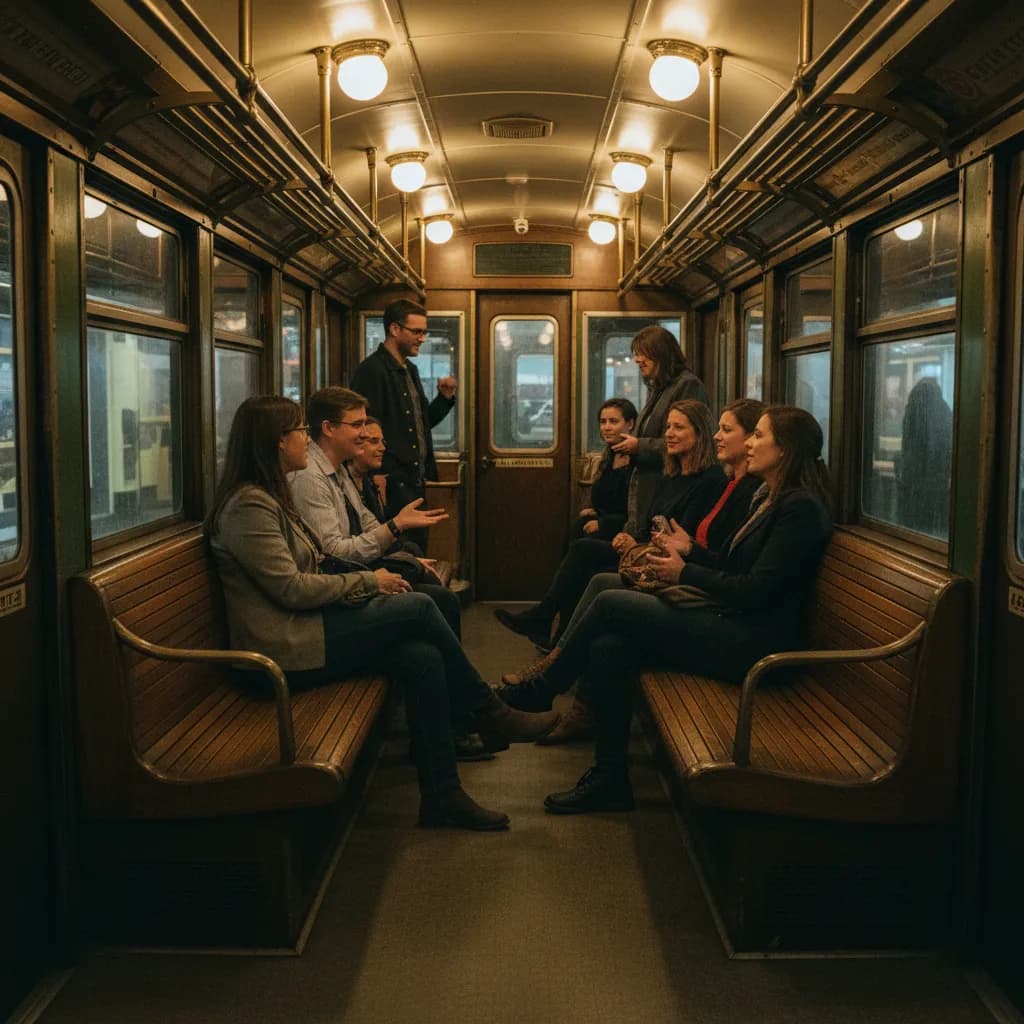
While the permanent collection is a draw, it’s the special events that truly elevate the New York Transit Museum from a historical repository to a dynamic cultural hub. The "Nostalgia Train" program is the undisputed highlight, a living, breathing exhibit that transports passengers through time. Imagine boarding a vintage train, perhaps a 1930s R1/9 or a 1960s R32, its interior gleaming with period-correct fixtures, and rumbling along active subway lines. The tactile sensation of the ride, the distinct sound of the old motors, and the visual spectacle of modern cityscapes blurring past vintage windows create an almost dreamlike experience. These rides are often themed around holidays or specific historical anniversaries, making each journey unique. Beyond the trains, the museum hosts a diverse array of events: film screenings delving into urban history, architectural walking tours exploring the surrounding cityscape, family-friendly workshops on subway art and engineering, and even jazz concerts on the platform. These events are meticulously curated, offering a multi-sensory engagement with the city's past and present. The programming is designed not just to inform, but to inspire, fostering a deeper appreciation for the intricate dance of infrastructure and humanity that defines New York.
The Artisanal Collection: Subterranean Art and Engineering Marvels
The New York Transit Museum isn't just about the vehicles; it's a profound exploration of the artisanal craftsmanship and engineering prowess that underpins the city. Beyond the grand trains, look closely at the details: the intricate mosaic patterns on the station walls, each tile hand-laid, telling a story of civic pride and artistic expression. The vintage signage, with its distinctive typography and enamel finishes, is a masterclass in functional design. The collection of turnstiles, from ornate brass mechanisms to more utilitarian models, reveals the evolving dance between technology and public access. Even the old fare booths, with their small windows and secure enclosures, speak volumes about the human element in this vast system. The museum also features exhibits on the monumental engineering challenges overcome to build the tunnels and bridges, showcasing original blueprints, tools, and models. It’s a testament to the anonymous laborers and brilliant minds who sculpted the subterranean landscape, transforming bedrock into a network of arteries that continue to pump life into the metropolis. This focus on detail elevates the experience, revealing the artistry in the everyday infrastructure.
Downtown Brooklyn's Tapestry: An Adjacent Walking Itinerary
Emerging from the historical depths of the Transit Museum, Downtown Brooklyn unfurls as a vibrant, constantly evolving district. From the museum's entrance on Boerum Place, a short stroll east on Schermerhorn Street leads to the Brooklyn Historical Society (now part of the Brooklyn Public Library system), a stunning Romanesque Revival building offering deeper dives into borough lore. Continue north to Brooklyn Borough Hall, an architectural gem anchoring the civic district. From there, meander through the charming streets of Brooklyn Heights, admiring its historic brownstones and sweeping views of the Manhattan skyline from the Promenade. For a more contemporary pulse, head back towards Fulton Street and explore the burgeoning retail and dining scene. Or, for a dose of green, a leisurely walk over the Brooklyn Bridge offers iconic vistas and culminates in Manhattan's City Hall Park. This itinerary seamlessly weaves together historical gravitas with modern urbanity, offering a comprehensive understanding of Brooklyn's multifaceted identity, all within a comfortable walking radius.
Practical Notes for Visiting
- Transit: Accessible via A, C, F, R to Jay St-Metrotech (exit to Borough Hall/Court St), or 2, 3, 4, 5 to Borough Hall. The museum is directly in the old Court Street station.
- Arrival Window: Weekday mornings (10 AM - 12 PM) are ideal for avoiding crowds. Weekends can be bustling, especially for family visits.
- Vibe: Immersive, educational, nostalgic. Perfect for history buffs, families, and anyone curious about NYC's infrastructure.
- Reservations: General admission walk-ins are fine. Special "Nostalgia Train" rides and specific events require advance booking; check the Karpo APP calendar.
Why New York Transit Museum Remains Irreplaceable in New York
The New York Transit Museum is more than a cultural institution; it’s the beating heart of New York's collective memory of mobility. In a city defined by its constant motion, this museum grounds us, literally and figuratively, in the very mechanics of that movement. It's irreplaceable because it offers a tangible connection to the past that few other venues can provide. Stepping into those vintage subway cars isn't just seeing history; it's experiencing it, feeling the texture of the seats, imagining the conversations, and understanding the sheer audacity of building such a system. For a city that never stops, the museum offers a rare moment of reflection, a chance to appreciate the monumental efforts that underpin our daily lives. It’s a profound testament to human ingenuity and resilience, ensuring that the stories of New York's underground arteries continue to inspire new generations.
Ask Karpo first
Planning your visit to New York Transit Museum? Check the Karpo APP for real-time neighborhood crowd density, transit updates, and curated evening itineraries across New York.
Ask Karpo for more information.
Keep reading
- Lower East Side Tenement Museum: Unveiling Immigrant Stories, Tours, and Events
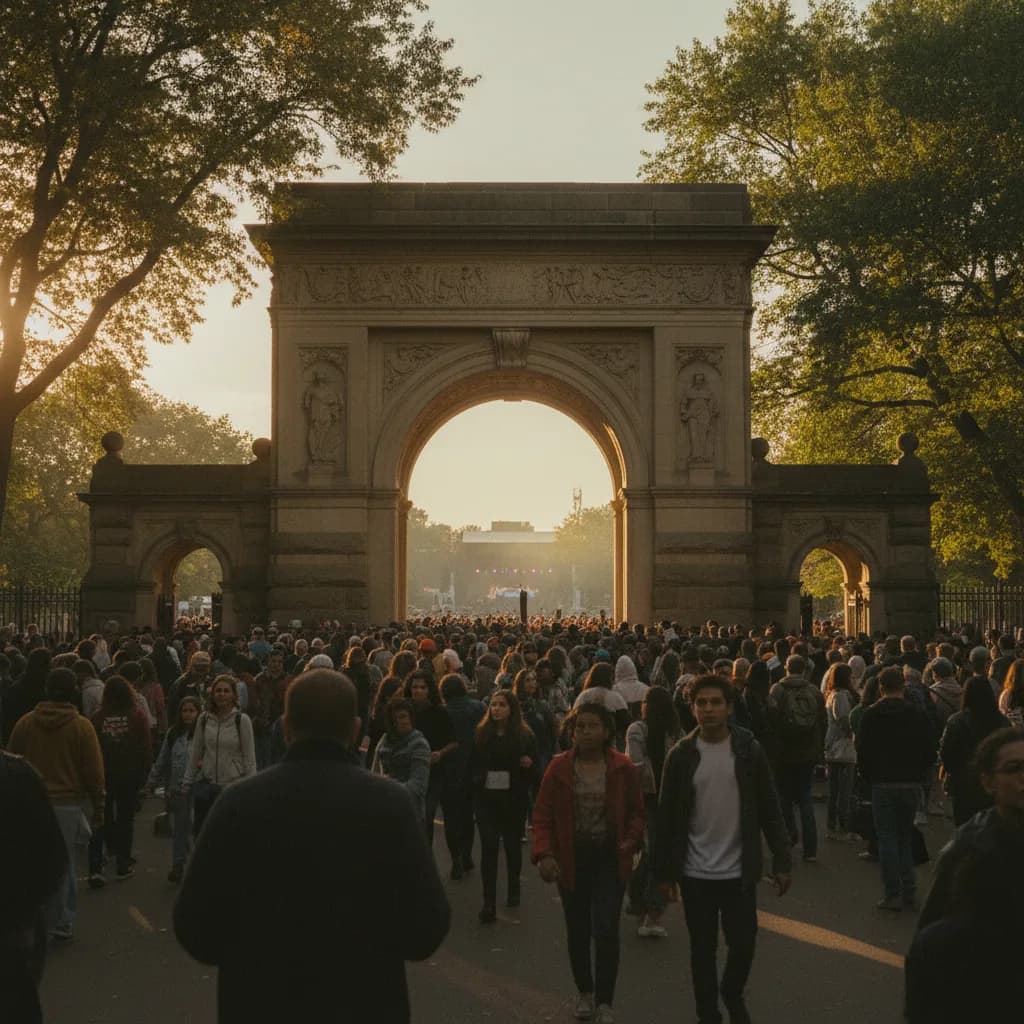 SummerStage, Rumsey Playfield Central Park: NYC's Essential Free Events
 Free Local Events Happening This Week at Bronx Museum of the Arts