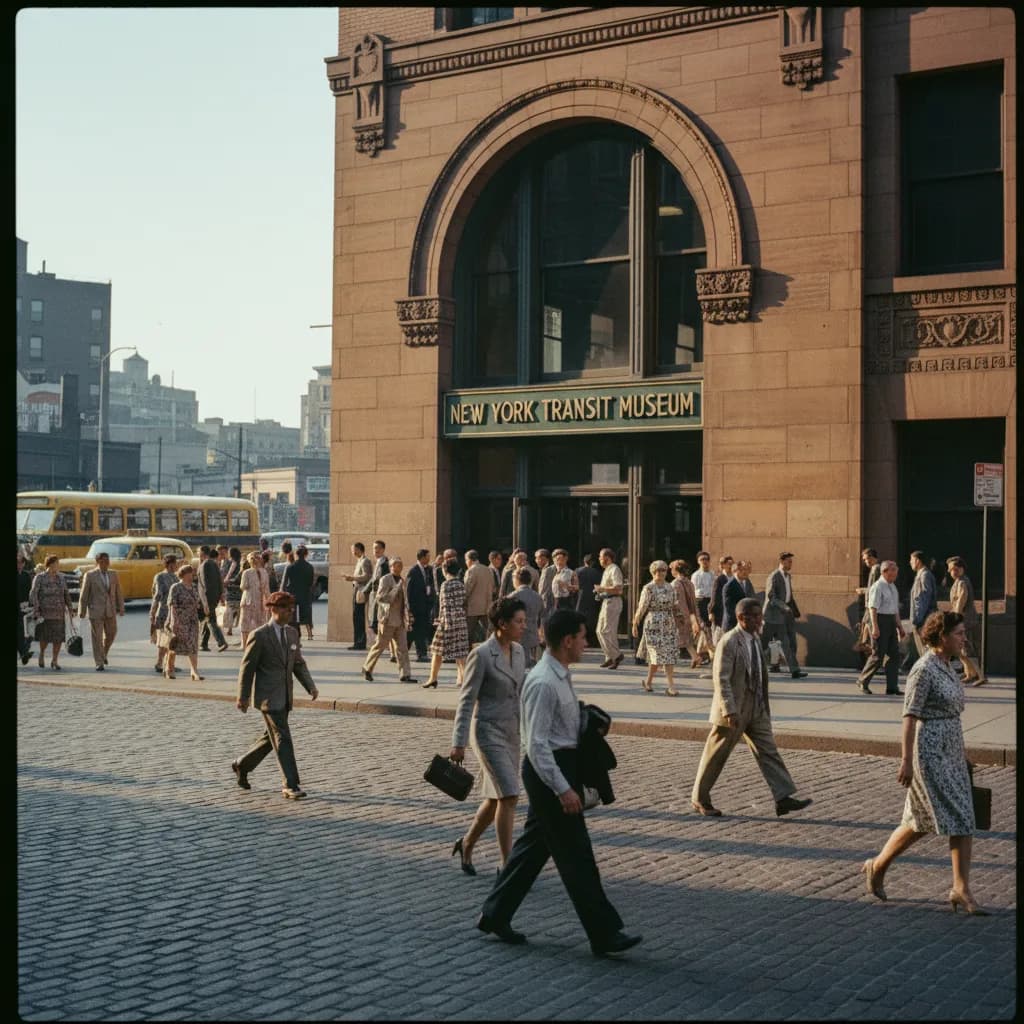
 New York Transit Museum Downtown Brooklyn: Vintage Train Events & Underground History
Free Things to Do
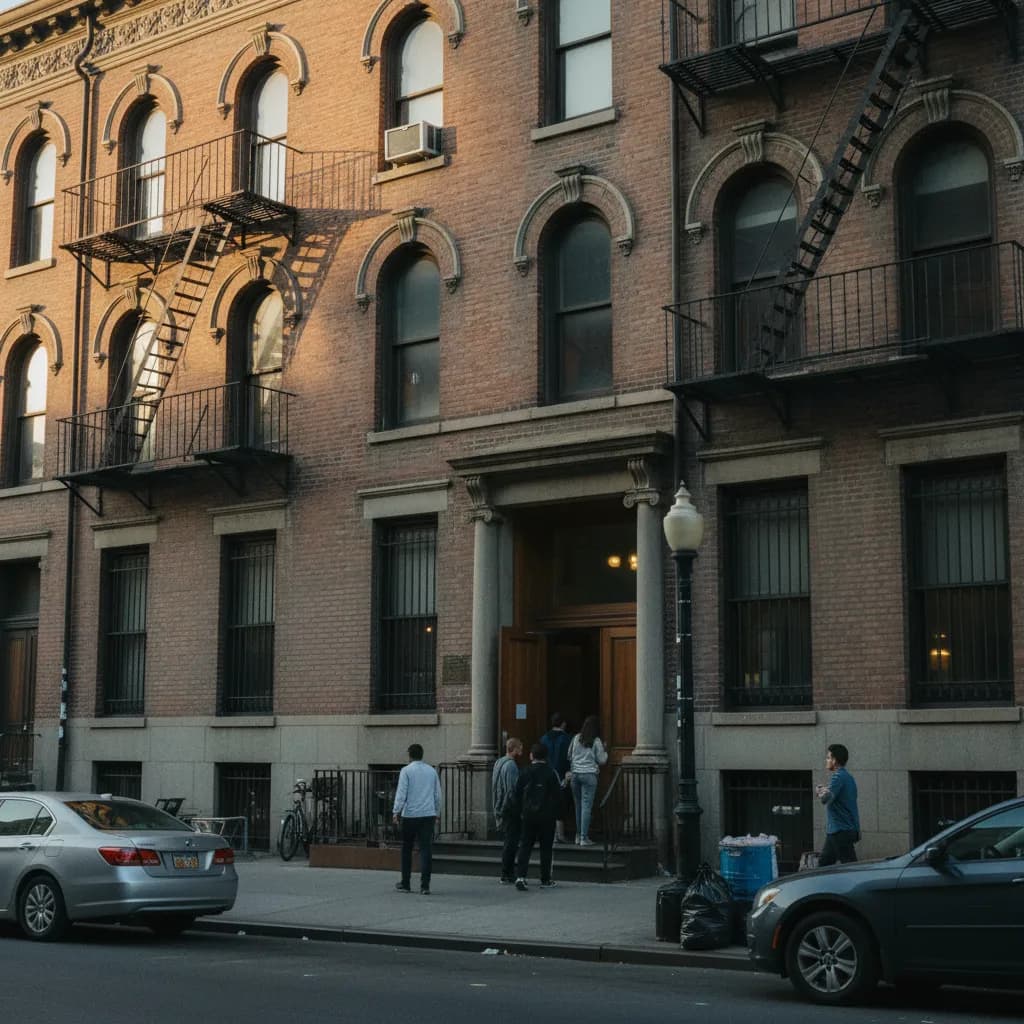
Lower East Side Tenement Museum: Unveiling Immigrant Stories, Tours, and Events
Journey through restored 97 Orchard Street flats, experiencing the poignant narratives of immigrant families. A unique, immersive historical encounter unlike any other in the Lower East Side.
The Lower East Side pulses with a history as rich and layered as the city itself, a tapestry woven from countless immigrant dreams and struggles. Amidst the vibrant street art, innovative dining, and ceaseless urban hum, one institution stands as a profound anchor to this past: the Lower East Side Tenement Museum. It’s not merely a building; it’s a portal, a meticulously preserved monument to the millions who built New York, offering an unparalleled, intimate glimpse into the lives of working-class families who forged their futures within these very walls. Forget passive observation; this is an active, empathic engagement with history.
Open the Karpo APP to explore real-time table availability, walking routes, and insider tips for Lower East Side Tenement Museum.
The Soul of the Lower East Side: Founding Lore of the Tenement Museum
The genesis of the Lower East Side Tenement Museum is a story rooted in preservation and profound historical empathy. In 1988, founders Ruth Abram and Anita Jacobson stumbled upon 97 Orchard Street, a derelict tenement building that had housed an estimated 7,000 working-class immigrants from over 20 nations between 1863 and 1935. Unlike many historic sites that romanticize the past, the vision for the Tenement Museum was to present an unvarnished, authentic portrayal of urban immigrant life. This wasn't about grand narratives of success, but the everyday struggles, resilience, and triumphs of ordinary people. Its location in the Lower East Side is not coincidental; this neighborhood was, for generations, the quintessential entry point for new arrivals to America. The museum’s existence here is a vital, living testament to the area's identity as a crucible of cultures, a place where diverse communities converged, adapted, and ultimately shaped the modern metropolis. It’s a powerful reminder that the vibrant, multi-ethnic fabric of the Lower East Side today is a direct descendant of the lives lived within these tenement walls.
Navigating 97 Orchard Street: Tour Dynamics and Booking Strategy
Unlike conventional museums, the Lower East Side Tenement Museum operates exclusively through guided tours, each meticulously crafted to illuminate specific aspects of immigrant life. There are no self-guided options; the intimate scale of the restored apartments necessitates guided access. The critical decision for any visitor is which tour to book, as each focuses on different families and time periods. For a truly immersive experience, prioritize tours that grant access to the restored apartments at 97 Orchard Street, such as 'Hard Times' (exploring the German-Jewish Gumpertz and Italian Baldizzi families during economic hardship) or 'Sweatshop Workers' (focusing on the Levine and Rogarshevsky families). These tours are the museum's heart, offering a visceral connection to the past through meticulously recreated domestic spaces. Booking well in advance is paramount, especially for weekend slots or during peak tourist seasons. Reservations open several months out, and popular tours, particularly those accessing 97 Orchard Street, sell out swiftly. Walk-ins are rarely accommodated for these specific, highly sought-after experiences. Aim for an early morning tour to avoid larger crowds and allow for a more contemplative atmosphere within the confined spaces.
Beyond the Bricks: The Experiential Blueprint of the Tenement Tours
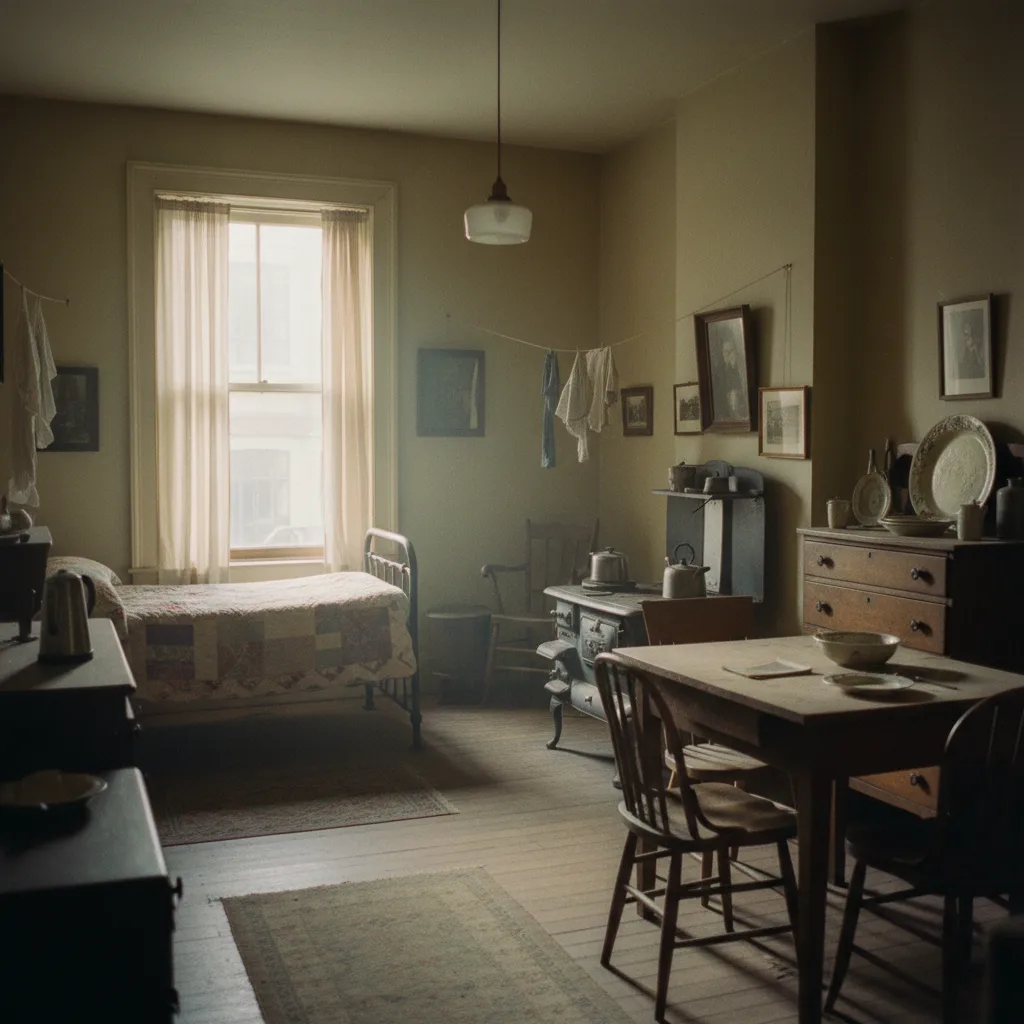
The 'experience' at the Tenement Museum isn't about culinary delights or bespoke cocktails, but rather a profound sensory and intellectual engagement with history. The 'menu' here consists of carefully curated narratives and meticulously restored environments. Take, for instance, the 'Hard Times' tour: you're led into the cramped, dimly lit apartments, not as a passive observer, but as a participant in the unfolding story. Guides, who are exceptional storytellers, don't just recite facts; they paint vivid pictures of daily life – the aroma of simmering stew from a neighbor's flat, the clatter of horse-drawn carts on Orchard Street, the weight of a mother's worry over feeding her children. You'll hear about the Baldizzi family, Italian immigrants navigating the Great Depression, and the Gumpertz family, German-Jewish immigrants facing the challenges of a new land. The 'culinary techniques' here are the preservation methods, the archival research that reconstructs forgotten lives, and the meticulous restoration that brings wallpaper, furniture, and personal effects back to life. The 'flavor combinations' are the emotional resonance of these stories – the bitterness of hardship, the sweetness of familial bonds, the spice of resilience. It's a powerful, often moving, journey that transcends typical museum visits, fostering a deep connection to the human spirit and the immigrant narrative.
Engaging with History: Public Programs and Special Events
While the core of the Tenement Museum experience lies within its apartment tours, the institution also hosts a compelling array of public programs and special events that further enrich its mission. These events often delve deeper into specific themes of immigration, urban history, and social justice, utilizing diverse formats from expert-led lectures and panel discussions to walking tours of the surrounding neighborhood and even culinary demonstrations exploring immigrant foodways. Imagine an evening lecture on early 20th-century labor movements, or a guided walk through Hester Street exploring the Jewish market traditions. The museum also frequently partners with local artists and community organizations for performances and workshops that reflect the diverse cultural heritage of the Lower East Side. These events, often held in the Visitor Center or virtually, provide an invaluable complement to the apartment tours, offering broader context and contemporary relevance to the historical narratives. Keep a close eye on their official website for upcoming schedules; many of these programs are free or low-cost, making them accessible entry points for deeper engagement with the museum's vital work. They’re an excellent way to extend your visit beyond the restored flats and engage with the ongoing dialogue around immigration and identity.
A Stroll Through Time: Connecting the Museum to the Lower East Side Landscape
A visit to the Tenement Museum is incomplete without exploring the immediate neighborhood, which acts as a living extension of its exhibits. Start your post-tour exploration by walking south on Orchard Street, observing the historic storefronts. Many of these once housed sweatshops, bakeries, and pushcart vendors, echoing the lives you just encountered. Turn onto Hester Street, where the ghost of the bustling Hester Street Market still lingers. Visit the Essex Market, a modern iteration of immigrant food halls, offering a vibrant contrast and continuation of the neighborhood's culinary legacy. From there, venture east towards Seward Park, one of the first municipally built parks in the nation, a vital green space for generations of tenement dwellers. For a taste of the contemporary art scene, wander over to the galleries around Broome and Orchard Streets. Conclude your historical walk with a visit to the Eldridge Street Synagogue, a magnificent National Historic Landmark, showcasing the architectural and spiritual grandeur of the Lower East Side's immigrant communities. This curated itinerary transforms the abstract history of the museum into a tangible, walkable narrative, revealing the layers of time embedded in every block.
Practical Notes for Visiting
- Transit: Accessible via F, M, J, Z trains to Delancey Street/Essex Street. A short walk from the B, D trains at Grand Street.
- Arrival Window: Arrive at least 15-20 minutes before your scheduled tour time for check-in and orientation.
- Vibe: Intimate, educational, and often moving. Expect small group sizes (typically 10-15 people) and a respectful, contemplative atmosphere.
- Reservations: Absolutely essential. Book tours online through the official website several weeks, if not months, in advance, especially for weekend slots and specific 97 Orchard Street apartment tours.
Why Lower East Side Tenement Museum Remains Irreplaceable in New York
The Lower East Side Tenement Museum is more than a historical landmark; it is a vital, living institution that provides an irreplaceable lens through which to understand New York City's identity. In an era of increasing global migration and complex dialogues around belonging, the museum's focus on individual immigrant stories resonates with profound contemporary relevance. It humanizes history, transforming abstract demographic shifts into tangible, personal narratives of struggle, adaptation, and contribution. By preserving the humble dwellings of working-class families, it champions the often-overlooked architects of the city's greatness. It’s a powerful antidote to historical amnesia, reminding us that the vibrant, diverse metropolis we inhabit today is a direct legacy of these early arrivals. Its commitment to authenticity and immersive storytelling makes it an essential pilgrimage for anyone seeking to truly comprehend the enduring spirit and foundational narratives of New York.
Ask Karpo first
Planning your visit to Lower East Side Tenement Museum? Check the Karpo APP for real-time neighborhood crowd density, transit updates, and curated evening itineraries across New York.
Ask Karpo for more information.
Keep reading
- New York Transit Museum Downtown Brooklyn: Vintage Train Events & Underground History
 SummerStage, Rumsey Playfield Central Park: NYC's Essential Free Events
 Free Local Events Happening This Week at Bronx Museum of the Arts