NYC events can look endless from the outside, but a good plan usually starts smaller than your group chat wants it to. New York City has five boroughs, and official tourism materials frame the city around things to do, eat and drink, maps and guides, events and festivals, Broadway and performing arts, museums and galleries, tours and attractions, shopping, and sports. That range is the opportunity and the trap. A book club meet-up, a concert night, a pop-up market, and a restaurant plan can all be valid, but not all in the same afternoon. Treat this as a verification-first guide to building public, practical weekend_plans without assuming live schedules, tickets, weather, crowd levels, or availability.
Want a second set of eyes before you commit to a borough-hopping plan? Text Karpo your event link, neighborhood, time window, and group size, and ask what to verify before you go.

Start With The Time Window
Before picking the event, pick the window. NYC rewards people who know whether they are planning a Tuesday night, a Saturday afternoon, or a full weekend, because official event platforms commonly let users filter by date options such as today, tomorrow, this weekend, or a picked date. That matters for book clubs, concerts, pop-ups, and food plans because each format has a different failure point: the book club needs enough seated conversation time, the concert needs arrival discipline, the pop-up may be date-specific, and the meal may depend on a promotion, reservation, or participating venue.
Use official pages to confirm the exact date, start time, location, ticket status, and any event format before anyone buys or travels. If your plan touches NYC Restaurant Week® Summer 2026, verify the official participating restaurant details before going; the tourism extract states that the program runs Jul 20–Aug 16 and features 2-course lunches and 3-course dinners across all five boroughs starting at $30, but individual participation and practical dining details should be checked on the official page.
Choose One Anchor Not Five
The strongest NYC events plan has one anchor and one optional add-on. The anchor is the reason people leave home: a concert, a book discussion, a museum visit, a gallery opening, a food event, a Broadway or performing arts plan, or a neighborhood itinerary. NYC Tourism highlights citywide categories including Broadway and performing arts, museums and galleries, tours and attractions, events and festivals, shopping, and sports, which is enough variety to build a day without pretending every good idea can fit.
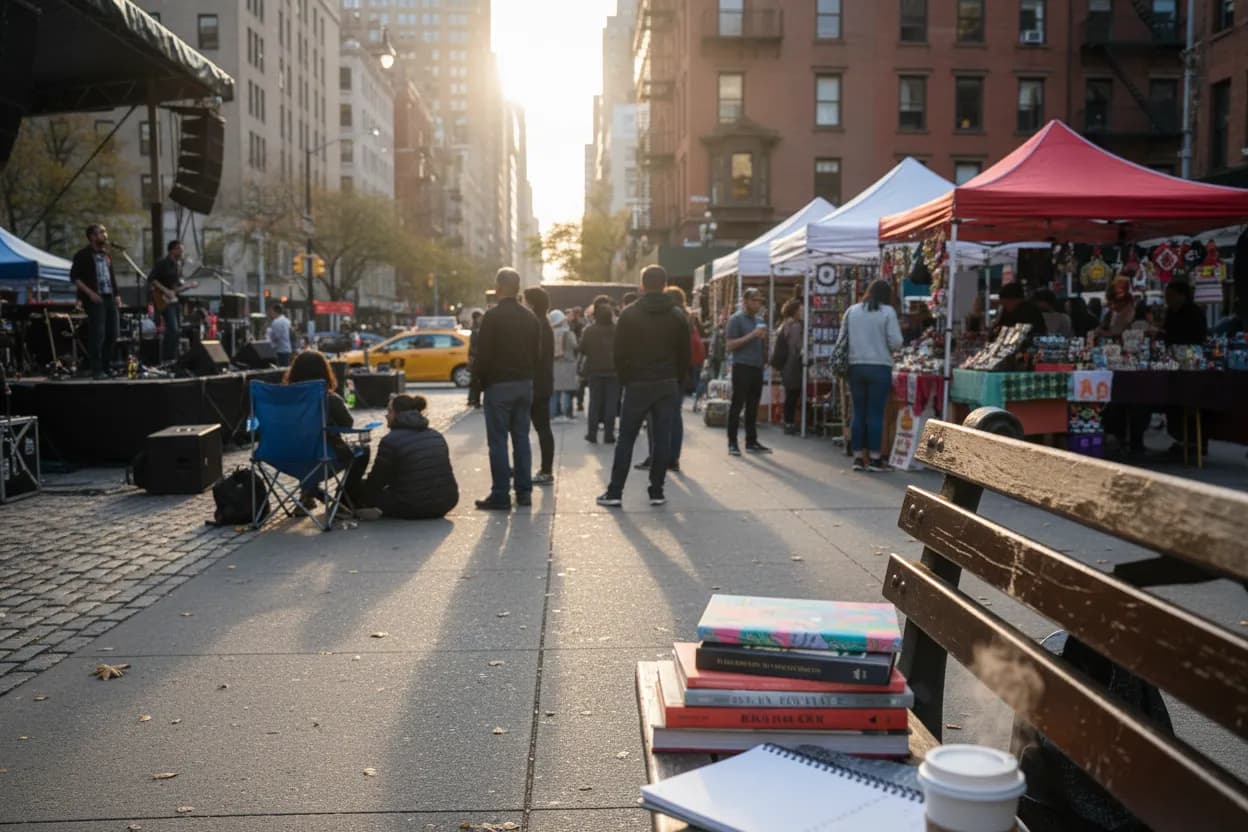
For a book club, the anchor might be the discussion itself, with a nearby museum or food stop as the flexible second move. For a concert, the anchor is the show, and everything else should protect arrival time. For a pop-up, confirm the organizer, venue, date, and entry details on the official listing first. Event platforms may offer share and save functions, plus filters for categories such as business, food and drink, health, and music, so use those tools to narrow the list instead of collecting ten maybes.

Use Transit To Remove Bad Ideas
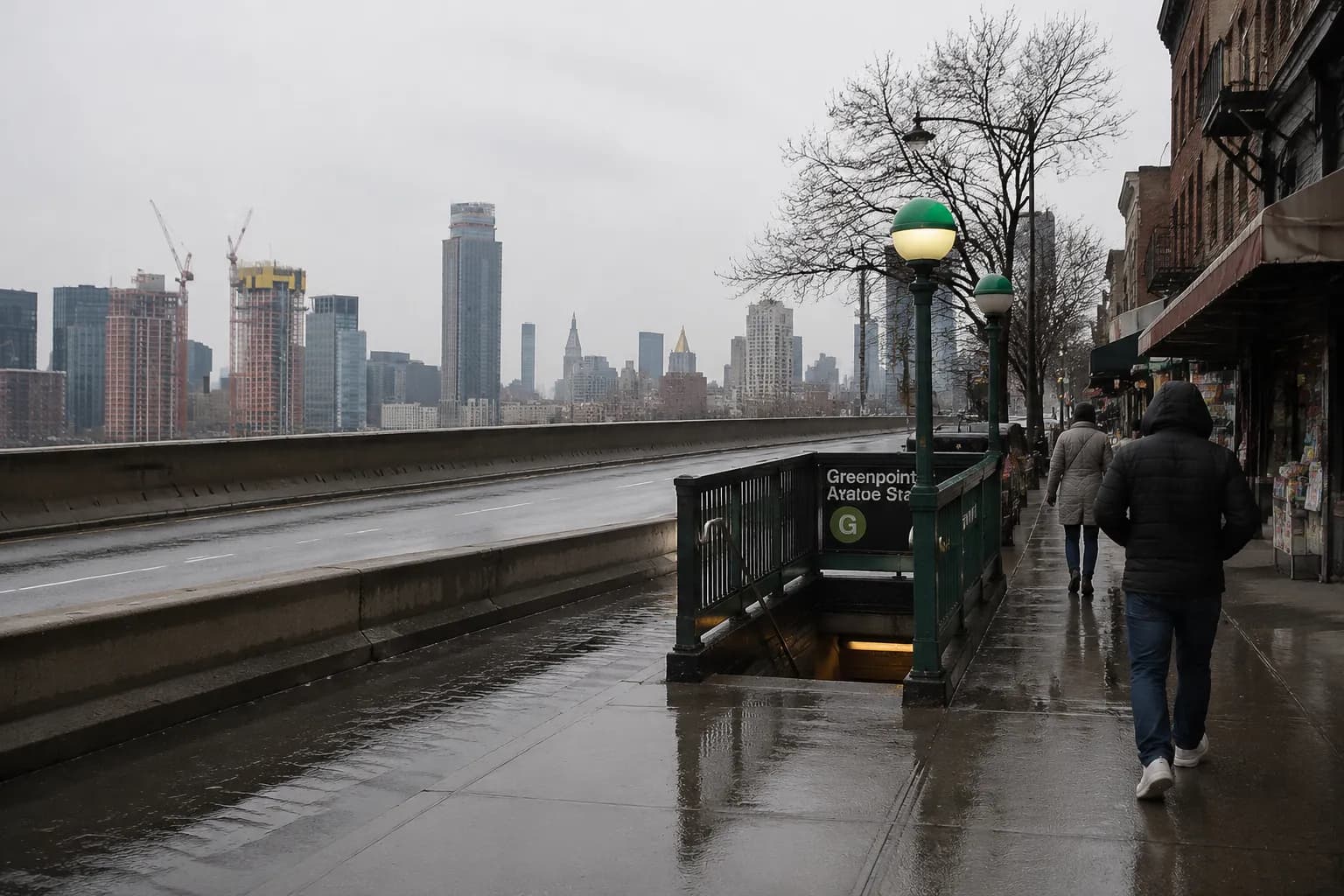
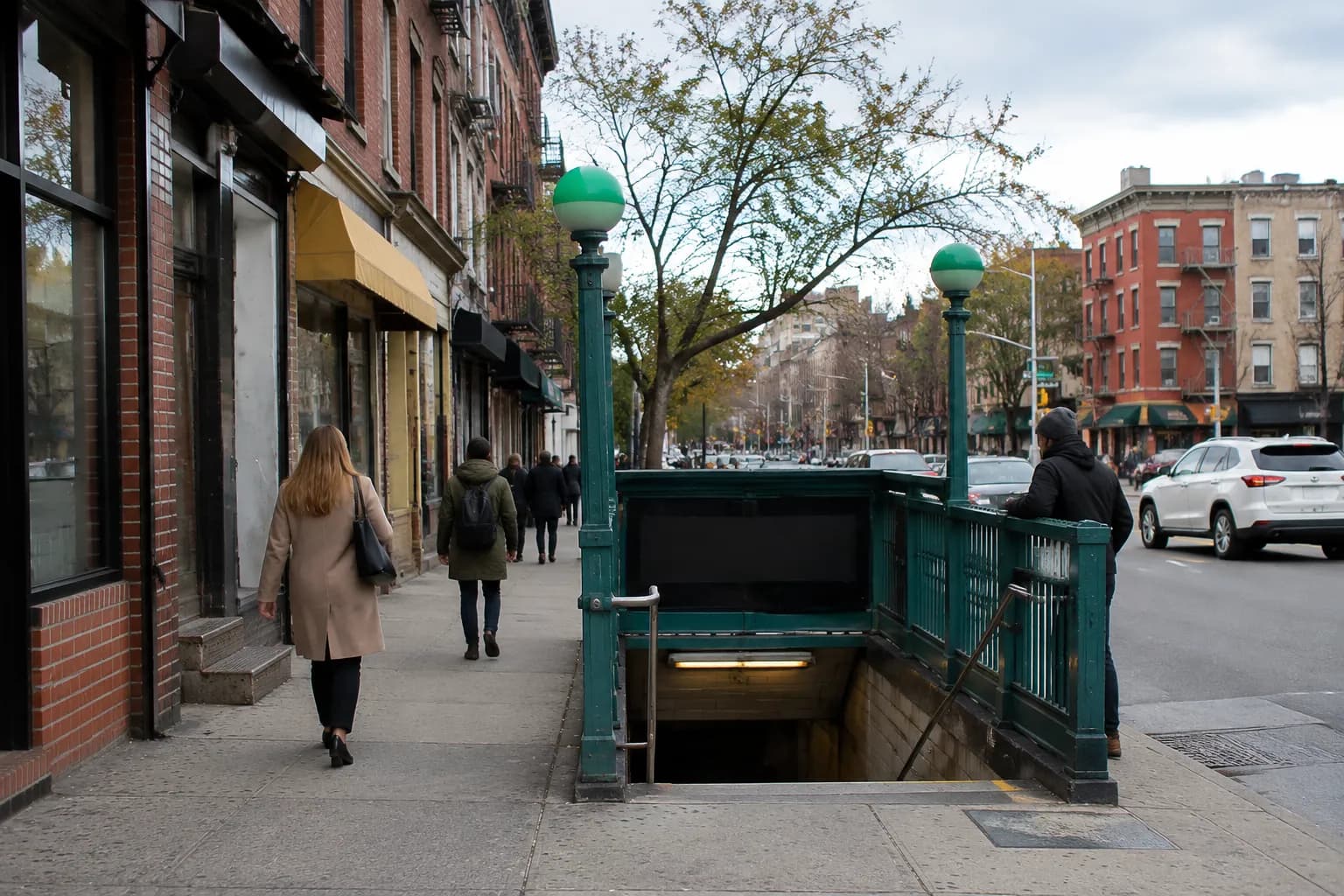
New York City is not one compact entertainment district. The official tourism extract describes the five boroughs as smaller cities within a massive metropolis: Manhattan, Brooklyn, Queens, the Bronx, and Staten Island. It also points to subway-accessible stories from Times Square to every borough and notes that Staten Island is accessible by ferry ride. That should change how you plan. A route that looks clever on a map may still be too spread out for a relaxed public outing.
Use transit thinking as an editing tool, not a heroic challenge. If your anchor is in Manhattan, ask whether the second stop is in the same borough or requires a meaningful transfer. If your night is in Brooklyn, do not add Queens just because the restaurant looks interesting. If Staten Island is part of the plan, verify the ferry and onward travel details through official transit sources before leaving. Do not rely on screenshots, old texts, or someone’s memory of how long a transfer “usually” takes.
Add A Weather Or Crowd Backup
Backups are not pessimism in NYC; they are how plans survive. Outdoor pop-ups, park-adjacent meetups, open-air markets, and long walks can be great, but official live weather, alerts, closures, and crowd conditions can change. This guide is not assuming any live condition today. Instead, build a backup by format: an indoor museum or gallery option for a culture day, a food stop that does not depend on a single limited item, or a shorter route if the group starts late.
NYC Tourism emphasizes that the city has a constant supply of sights, attractions, activities, and events, including budget-friendly options and all-ages venues. That breadth lets you keep the day public and flexible. Before leaving, verify whether your chosen backup is open, ticketed, age-appropriate, free or paid, and still available on its official page. If a backup requires buying, booking, or joining a timed entry, treat it as a second anchor rather than a casual fallback.
Keep The Route Small Enough To Finish
The most shareable NYC plan is often the one people actually finish. Choose a tight route: one neighborhood, one borough, or one clear corridor. NYC Tourism’s borough descriptions make it clear that each borough can carry its own day. Manhattan includes Broadway, Central Park, and the skyline people recognize. Brooklyn is associated with nightlife and boundary-pushing cuisine. Queens is described as a place of wide-ranging global cuisines and scenic surf. The Bronx carries deep city history and culture. Staten Island has historic attractions, beach views, and global dining options.
Match the borough to the group’s purpose. A book club that wants talking time should not chase a five-stop sightseeing plan. A concert group should prioritize the venue area and a simple before-or-after meal. A pop-up plan should leave room for waiting, browsing, and changing course if the listing changes. For restaurant-driven plans, verify official details before committing, especially during a citywide dining promotion. A smaller plan is not less ambitious; it is more usable.
Verify Live Details Before Leaving
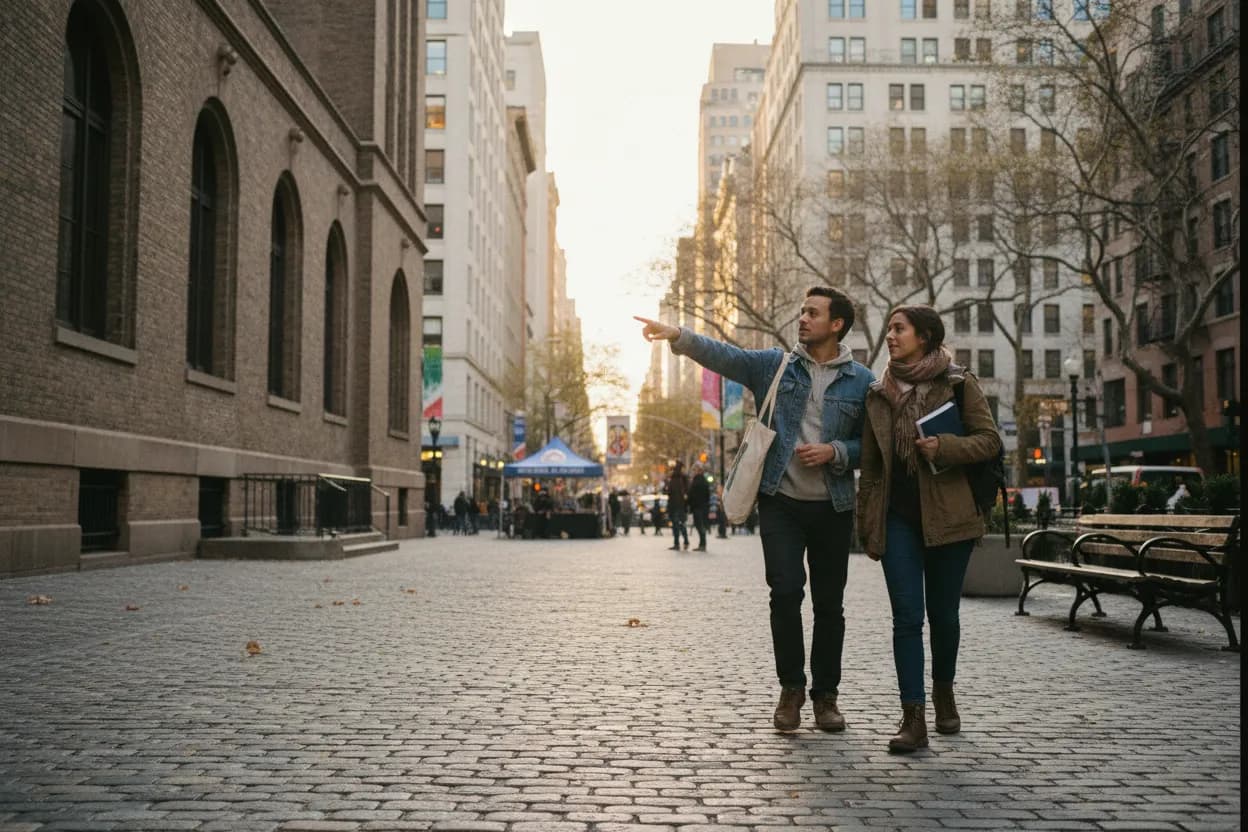
The final step is boring, which is why it works. Open the official event page, venue page, tourism page, restaurant page, ticketing page, or organizer listing before leaving. Confirm the event name, address, date, start time, format, ticket status, cost if listed, age rules if posted, and any entry instructions. Event platforms may show filters for free and paid events, online events, language, currency, category, format, and neighborhood; those filters help discovery, but the event listing itself still needs a final read.
For NYC events, do not assume a saved post equals admission, a shared link equals current availability, or a calendar hold equals the right location. Check whether sales have ended, whether the listing has changed, and whether the organizer has posted updates. If you are coordinating friends, send one clean message with the official link, borough, address, meet time, transit note, and backup. The goal is not to remove spontaneity; it is to keep one changed detail from ruining the whole plan.
Tags: #AskKarpo #BeforeYouGo #weekend_plans #NYCEvents #NewYorkCity #ThingsToDoNYC #NYCWeekend #BookClubPlans #ConcertNight #PopUps #FiveBoroughs #NYCFood #NYCCulture #LocalGuide
Sources consulted: events · NYC Tourism · MTA
All trademarks are the property of their respective owners.
Ask Karpo first
Ask Karpo first when your NYC plan has too many tabs open. Send the official event link, borough, date, time window, and what your group actually wants from the day, and Karpo can help spot what still needs verification before you head out.