A dinner near me search in Soho is a poor instrument, because the neighbourhood has more restaurants per block than almost anywhere in Manhattan and the algorithm sorts them by popularity rather than by what the kitchen is doing. King, on the corner of King Street and Sixth Avenue at number 18, separates itself with a single structural decision: the menu is rewritten every day, and there is no signature dish to order.
Ask Karpo when the booking window opens, which service is easiest to get, and what else near King Street runs late.
A daily menu changes what a restaurant is
Most restaurants write a menu, print it, and cook it for months. A kitchen that rewrites daily is buying against the market each morning and committing to whatever arrived, which means the cooking is organised around ingredients rather than around dishes. It also means the staff know exactly what changed since yesterday, and asking them is the fastest route to a good order.
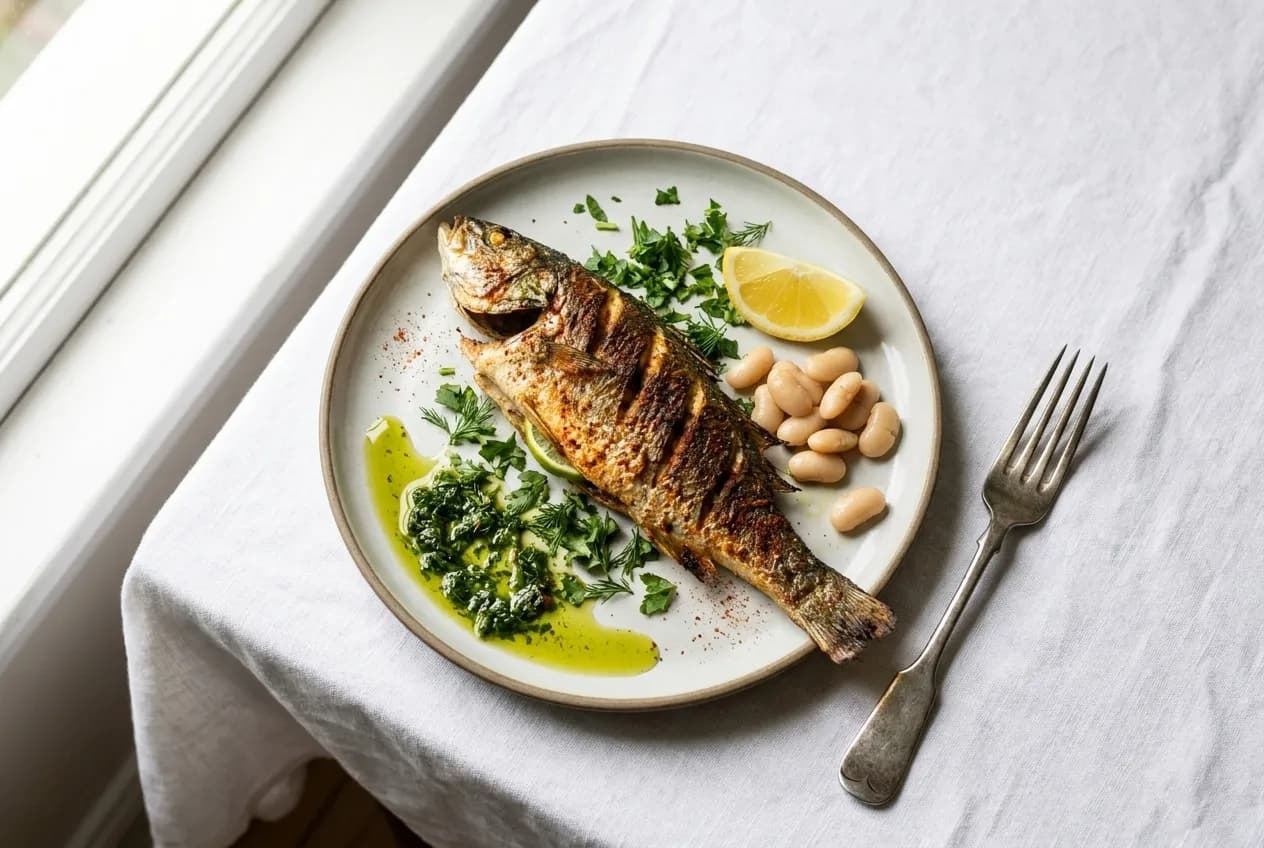
The influences run through southern France and Italy — the cooking of the Mediterranean coast rather than the classic bistro canon — which shows up as vegetables treated seriously, restrained sauces and fish cooked simply. Order what the server is enthusiastic about rather than what you recognise.
The schedule has a weekend half
Dinner runs Monday through Thursday from 5pm to 10pm. Friday, Saturday and Sunday add a lunch service from midday to 3pm alongside the same evening hours. That weekend lunch is the easiest table in the week and the one almost nobody competes for.
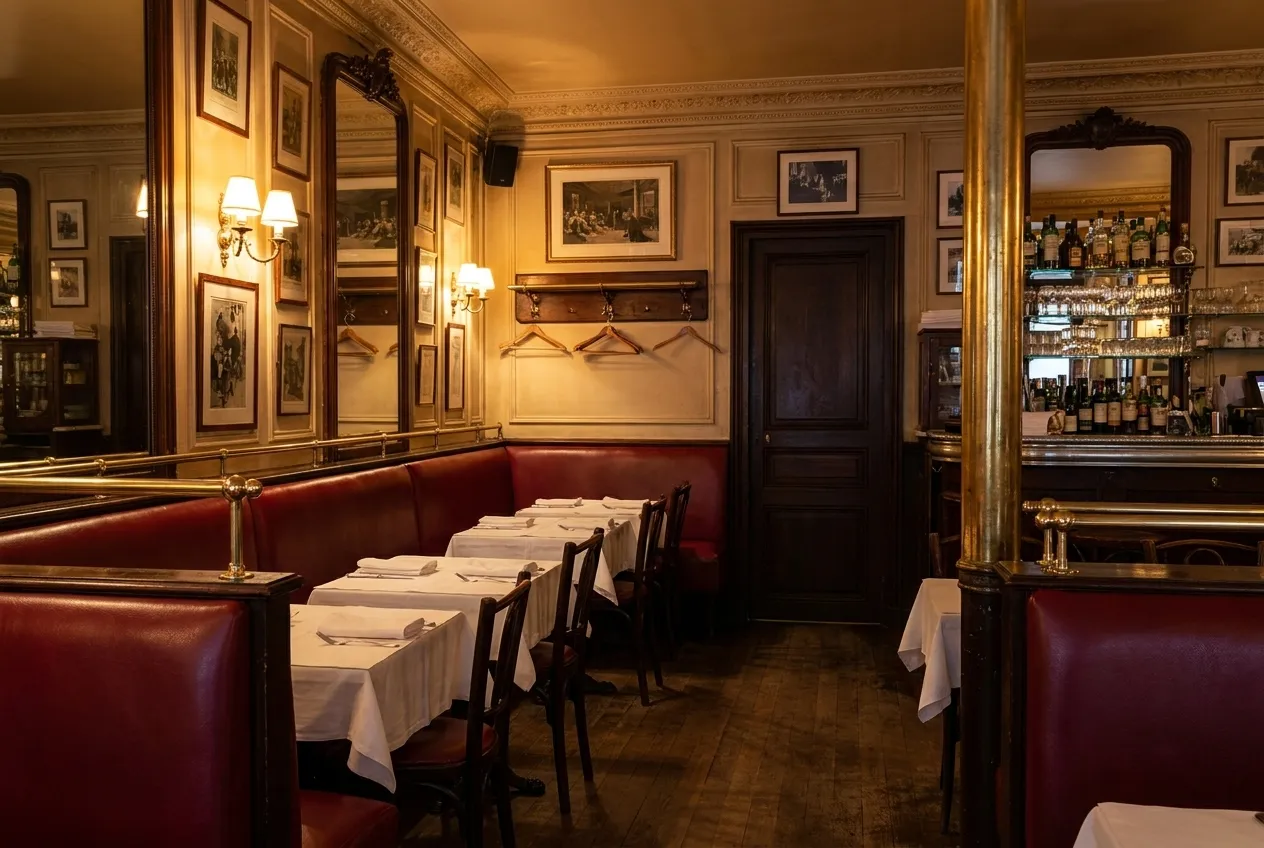
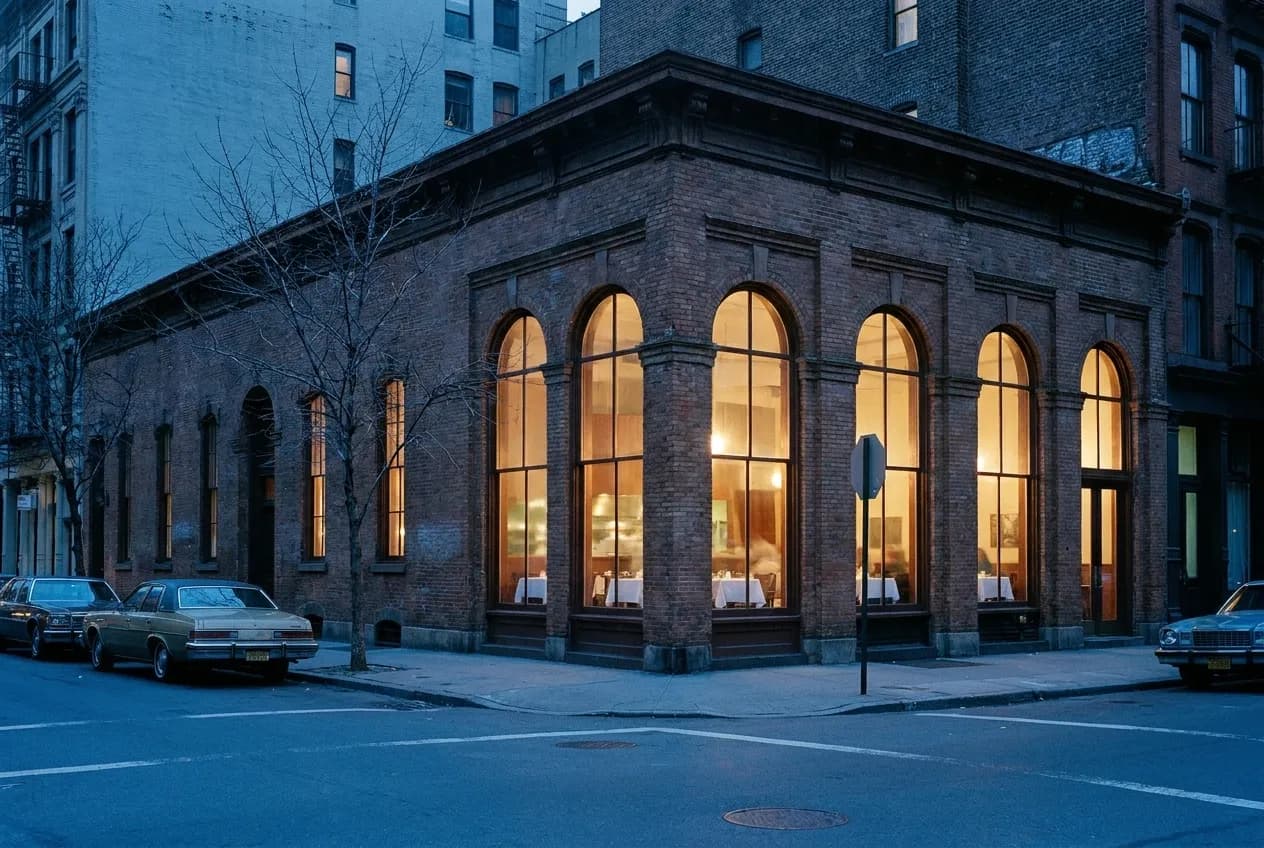
A corner room with tall windows is a different space in daylight, which is the other argument for the midday booking. Dinner here is warm and enclosed; lunch is bright and unhurried, and the menu is the same one the kitchen wrote that morning.
Booking mechanics
Reservations open thirty days in advance on Resy. That is a long window by New York standards and it rewards planning rather than luck — set an alert for the date you want and take whatever appears in the first few minutes. Prime evening slots go quickly; five o'clock and nine-thirty do not.
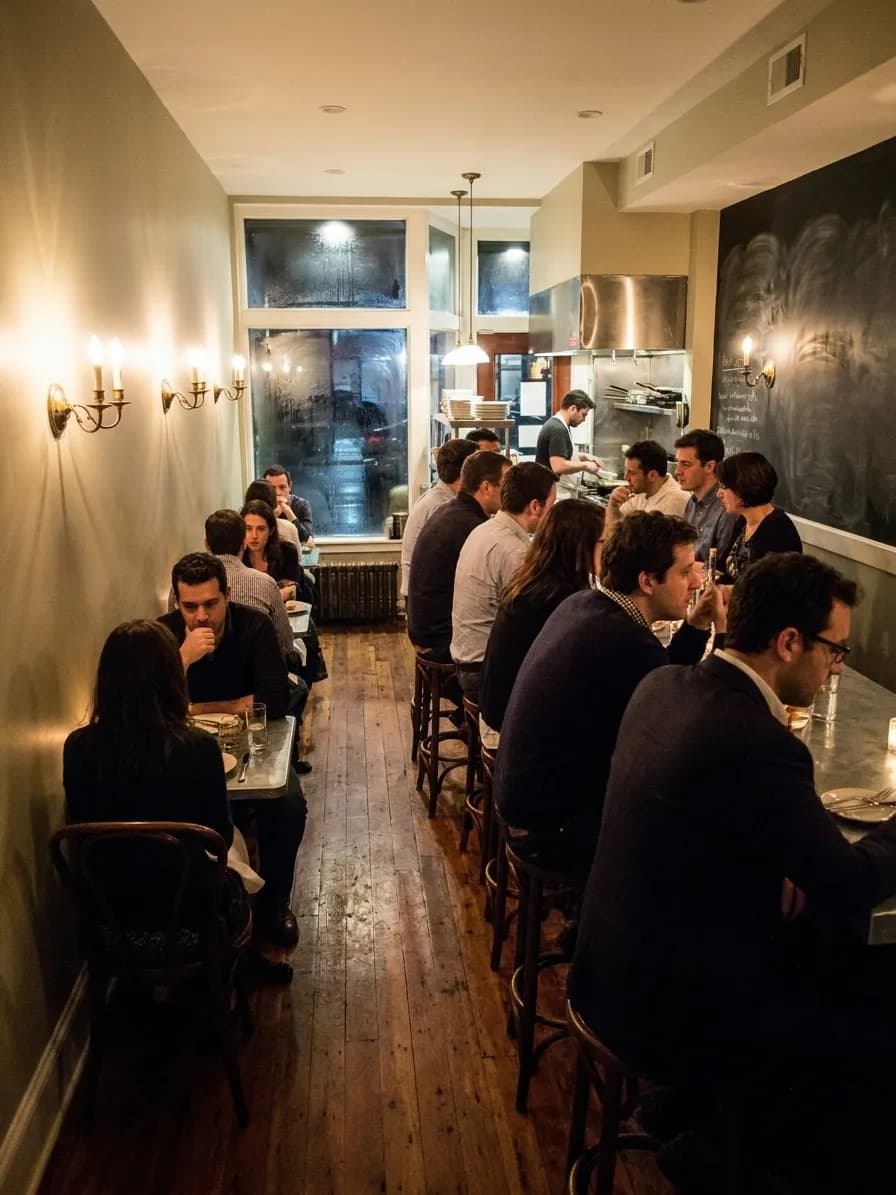
If you have no reservation, ask about the bar. A small corner room usually keeps a few seats that work for two people eating a full meal, and it is a far better proposition than standing outside a full dining room hoping for a cancellation.
Southern French and Italian cooking, briefly
The cuisines on either side of the Ligurian Sea have more in common with each other than with the national cuisines they belong to: olive oil rather than butter, anchovy and caper as seasoning, herbs used generously, seafood cooked fast, and vegetables at the centre of the plate rather than beside it. Menus written from that tradition read as simple and depend entirely on sourcing.
Which is why the daily rewrite matters. A kitchen cooking this way with mediocre produce has nowhere to hide, and a kitchen cooking it with good produce does not need to do much. Order something green and something from the sea and you will have the measure of the place.
There is a practical way to eat at a restaurant with no fixed menu, and it starts with abandoning the habit of scanning for something familiar. Read the menu once for shape rather than for dishes: how many vegetable plates, how much seafood, whether there is a braise. Then ask the server which two things came in today that they would not have been able to serve last week. The answer to that question is almost always the best food in the building, and it is the only question that a daily-changing kitchen can answer better than any review.
The other thing a rewritten menu does is make the wine list matter more. With no fixed dishes to pair against, the floor is choosing bottles that work across a shifting menu, which tends to mean high-acid, food-friendly and less obvious than a list built to sell one famous steak. Ask for something by the glass to start and take a recommendation for the bottle after the first courses have landed rather than before.
It is worth saying what this style of cooking is not. It is not a tasting menu and it is not a three-hour occasion; the plates are individually ordered, portions are normal, and a table of two eating three or four things between them is a complete dinner. That makes it unusually easy to use on a weeknight, which is rarer in this price range than it should be.
The block, and Soho around it
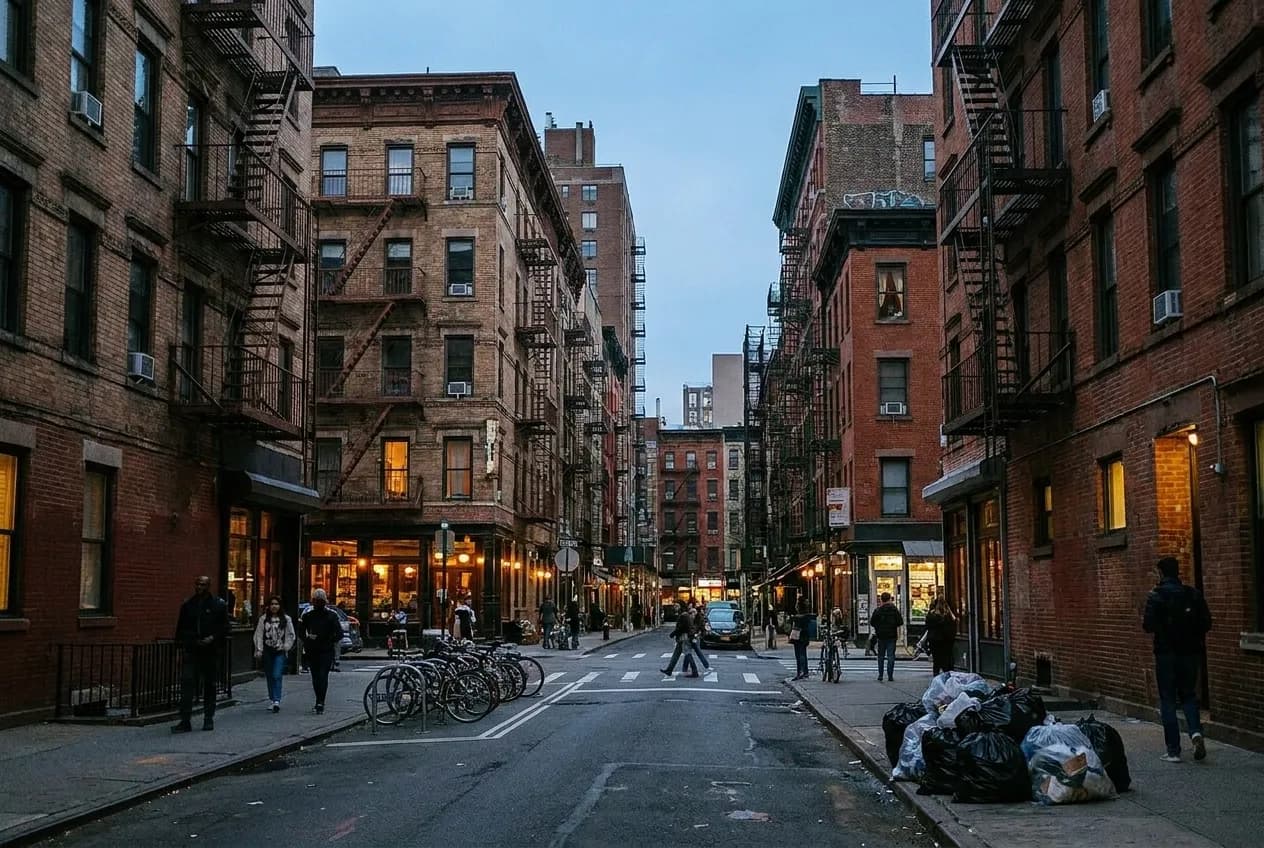
King Street is a short, quiet, low-rise street running between Sixth Avenue and Varick, on the southern edge of what most people mean by Soho and the northern edge of Hudson Square. It has almost no foot traffic, which makes the corner feel more like a neighbourhood room than a downtown destination.
Everything is within a ten-minute walk: Soho's shopping grid north, the West Village across Sixth Avenue, Hudson River Park west. The 1 train at Houston Street and the C and E at Spring Street are both close, which makes this easy to reach from almost anywhere in Manhattan.
Practical notes
King is at 18 King Street on the corner of Sixth Avenue in Manhattan. Dinner runs 5pm to 10pm Monday through Thursday; Friday, Saturday and Sunday add lunch from midday to 3pm. The menu changes daily and draws on southern France and Italy. Reservations open thirty days ahead on Resy, and weekend lunch is the easiest service to get. Houston Street and Spring Street stations are both a short walk.
Tags: #DinnerNearMe #Soho #KingRestaurant #KingStreet #NYCFood #NYCNeighborhoods #WhereToEatNYC #NYCFoodGuide #NYCDinner #FrenchFood #ItalianFood #ManhattanEats #WestVillage #SeasonalMenu
All trademarks are the property of their respective owners.
Ask Karpo first
Want to know when the booking window opens, which service is easiest to get, and what else near King Street runs late? Ask Karpo for the current reservation pattern, an order built around what the kitchen bought today, and a bar nearby for afterwards.