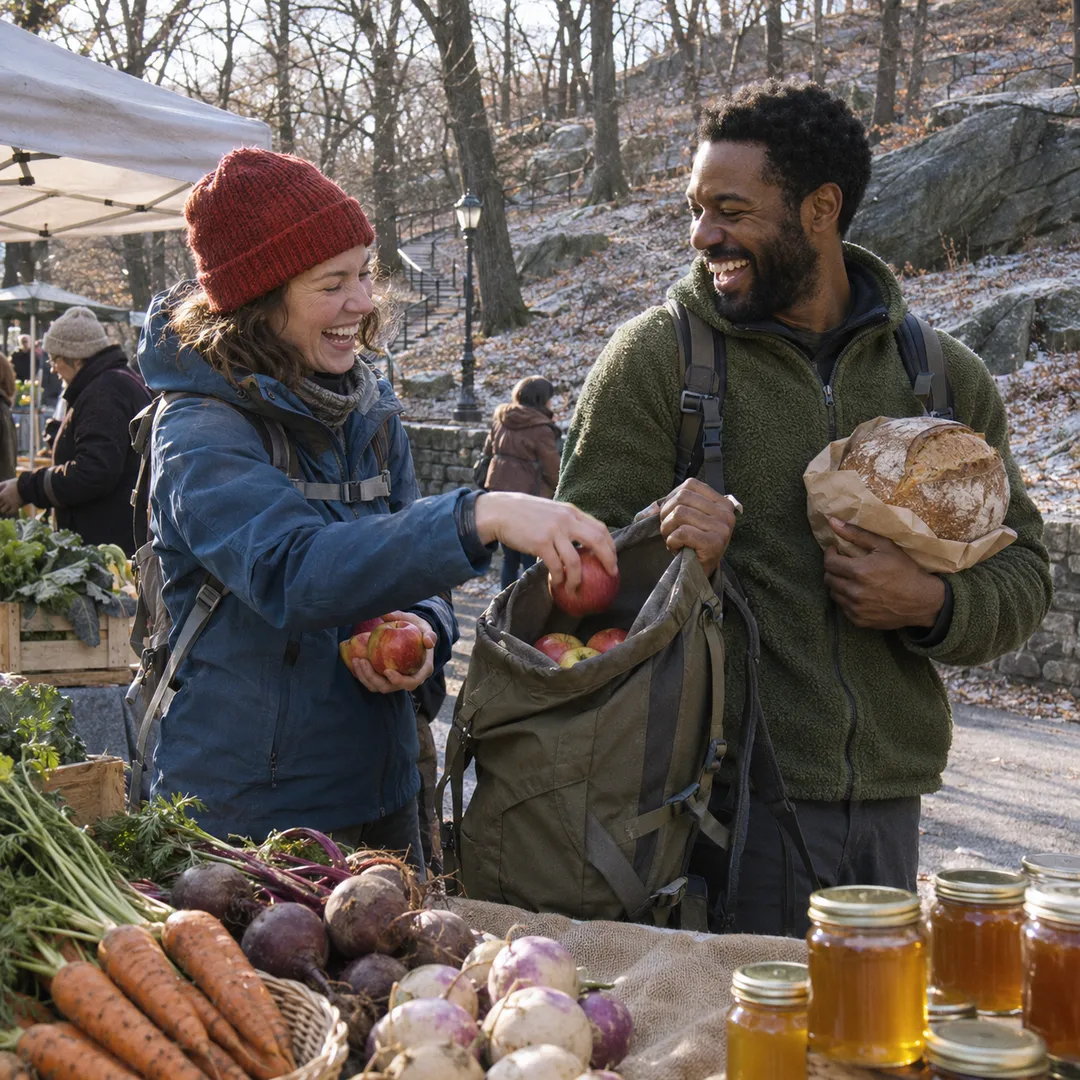
 Inwood Winter Greenmarket Picker for Hikers on Cold Mornings
Weekend Plans
Day of the Dead Events Near Me at St. Mark's
A grounded East Village guide to checking Día de Muertos programming at St. Mark's Church in-the-Bowery, with memorial etiquette, 2026 date caveats, transit, and a walkable neighborhood plan.
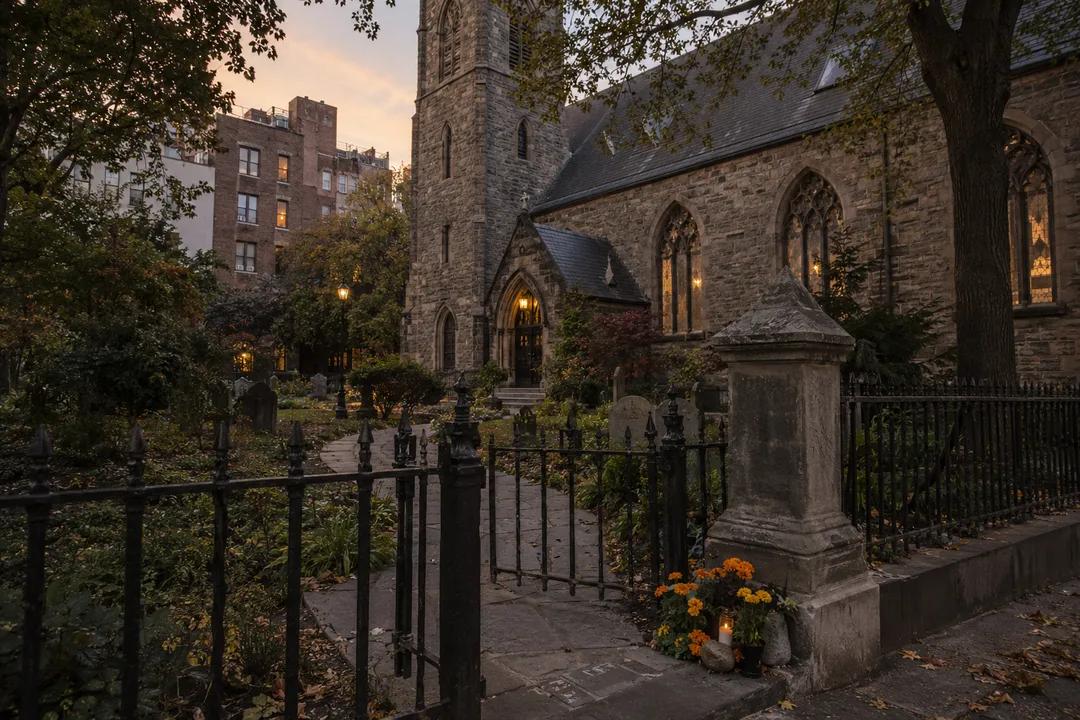
If your search for day of the dead events near me is really a search for a place to remember someone, St. Mark's Church in-the-Bowery is a compelling East Village starting point. The church is a historic neighborhood landmark with a long performance and community life, so any Día de Muertos altar, concert, or gathering belongs in a civic setting rather than a themed nightlife package.
St. Mark's stands at 131 East 10th Street, at Second Avenue, beside the small garden and historic churchyard. The 6 train at Astor Place is the most obvious subway approach, while the L, N, R, W, and 4 trains can put you within a longer walk. Arrive on foot if you can. The East Village blocks around the church make the transition from busy avenue to reflective gathering feel gradual.
As of October 10, 2026, do not assume that an annual-looking holiday phrase guarantees a confirmed event. Check the church's calendar and the organizer's page for the exact date, start time, admission rule, and whether the altar is open to casual visitors. If the 2026 listing is not live, the honest plan is to visit for the church's public cultural programming and return when the seasonal notice appears.
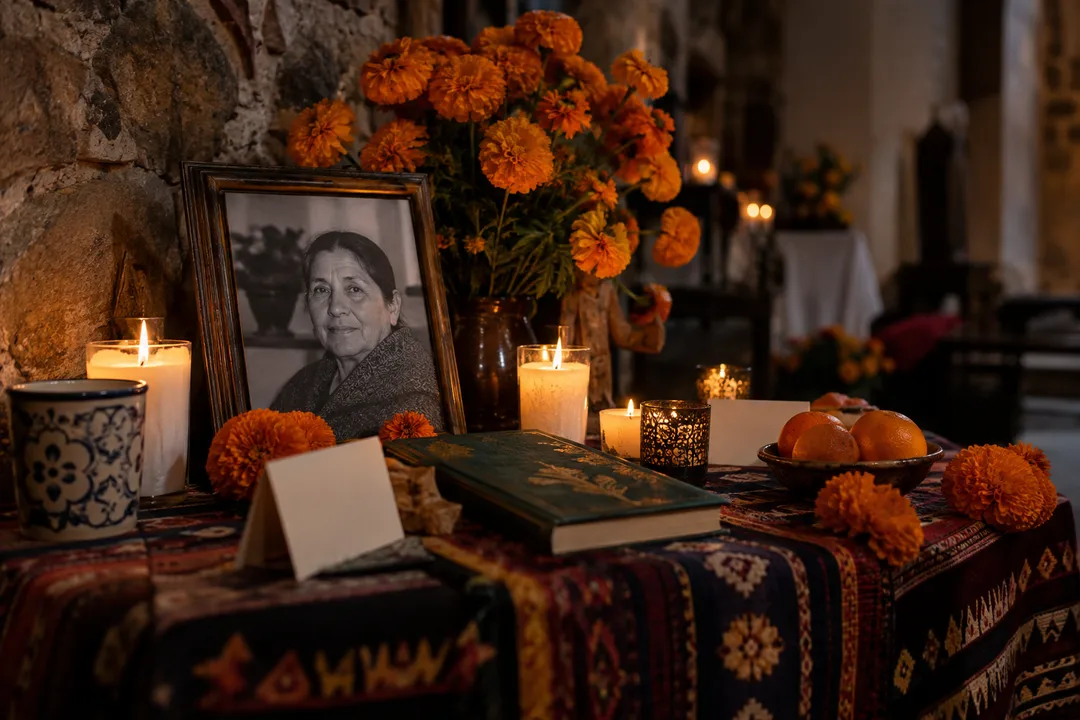
The setting changes how you should behave. A churchyard, memorial altar, or community ofrenda is not a photo booth, even when flowers and candles make the scene visually striking. Keep voices low, ask before photographing a named offering, and never move food, candles, or personal objects. These small rules are not formal theater; they are how a visitor shows respect to the people whose memories make the gathering real.
St. Mark's is a useful place to explain that Día de Muertos is not a single costume or parade format. Some families build ofrendas at home, some communities gather around public altars, and some institutions use music, readings, or visual art to make room for remembrance. Let the church's atmosphere open that conversation. Avoid promising children a carnival when the program may be contemplative or devotional.
The church's East Village setting also connects the holiday to New York's history of neighborhood organizing. Public culture here often happens through small rooms, courtyards, gardens, and volunteer-led programs rather than one enormous festival. If a 2026 altar event is announced, expect an intimate experience with limited capacity. That can be a virtue for visitors who want to look closely and hear the stories around the offerings.
Admission depends on the specific program. A public altar or community gathering may be free, donation-supported, or ticketed to cover performers and materials. Do not list a fixed price until the organizer confirms it. Bring cash or a card for a suggested donation, and ask whether children, elders, or companions need separate reservations. A free event can still require a timed RSVP when the room is small.
Opening access is equally program-specific. Church services, performances, garden hours, and gallery-style installations may use different doors and schedules. Check the same-day notice before leaving home, especially if you are traveling with a stroller or mobility device. Plan at least an hour for a quiet visit and longer if music, readings, or a conversation are part of the program. The calendar, not a search snippet, is the authority.
The best arrival strategy is to come early enough to orient yourself, not so early that you block volunteers preparing the space. If reservations are offered, save the confirmation and read the entry instructions. For a first visit, ask where the public may stand and whether the churchyard is open after the indoor program. Small details about circulation can prevent visitors from crowding a family altar.
The church's architecture gives the outing a particular visual language: stone, old trees, narrow paths, and a sense of an East Village block holding several centuries at once. Look at the exterior before entering, then notice how flowers, candlelight, music, and personal photographs alter the room. The contrast is meaningful. Día de Muertos is about bringing memory into the present, not decorating history from a distance.
If there is an altar, take time to read names and descriptions when they are offered. A good public ofrenda may include photographs, favorite foods, tools, toys, or other clues to a person's life. Resist the urge to compress that work into a quick reel. Ask children what they notice, and explain that the objects are invitations to remember a whole person rather than symbols chosen only for color.
The walk after St. Mark's is part of the plan. Head west toward Astor Place and Washington Square Park, or move south through the East Village for bookstores, small galleries, coffee counters, and casual dinner. A neighborhood route is better than stacking another distant attraction because it leaves space for the emotional temperature of the gathering to settle. Keep the evening open enough for an unplanned conversation.
Practical notes: wear shoes for uneven sidewalks, bring a quiet layer for the church interior, and ask before using flash or recording audio. Large bags may be inconvenient in a crowded program. Parking is difficult and not worth building the itinerary around. If the event includes candles or incense, visitors with sensitivities should check the notice in advance. Leave food and drinks outside the worship or memorial space.
This is the choice for people who want day of the dead events near me to feel personal, local, and respectful. It suits adults, older children, artists, neighbors, and anyone carrying a memory into the city. The exact 2026 program must be confirmed before travel, but St. Mark's gives the search a meaningful center: a real East Village place where remembrance can be shared without being turned into a spectacle.
Before you commit to the evening, check whether the church event is being run by St. Mark's directly or by a partner group using the space. That distinction affects ticket links, accessibility contacts, donation requests, and photo permissions. It also tells you whom to trust for last-minute changes. A careful visitor follows the organizer's instructions, arrives with patience, and lets the memorial purpose set the pace instead of forcing the night into a checklist.
Ask Karpo for more information.
Keep reading
- Inwood Winter Greenmarket Picker for Hikers on Cold Mornings
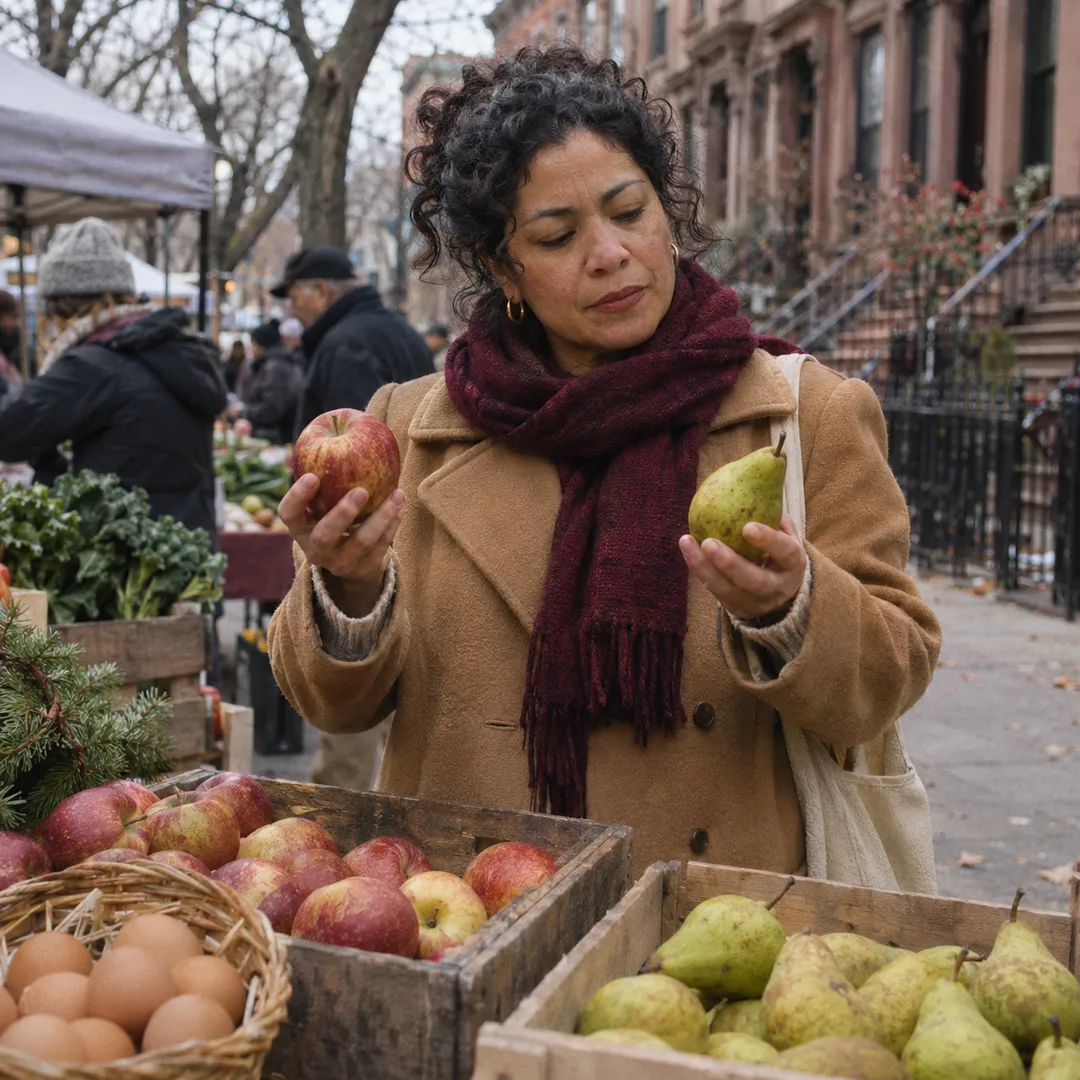 Carroll Gardens Winter Greenmarket Picker for Holiday Bakers
 Jackson Heights Winter Greenmarket Picker for a Family Day