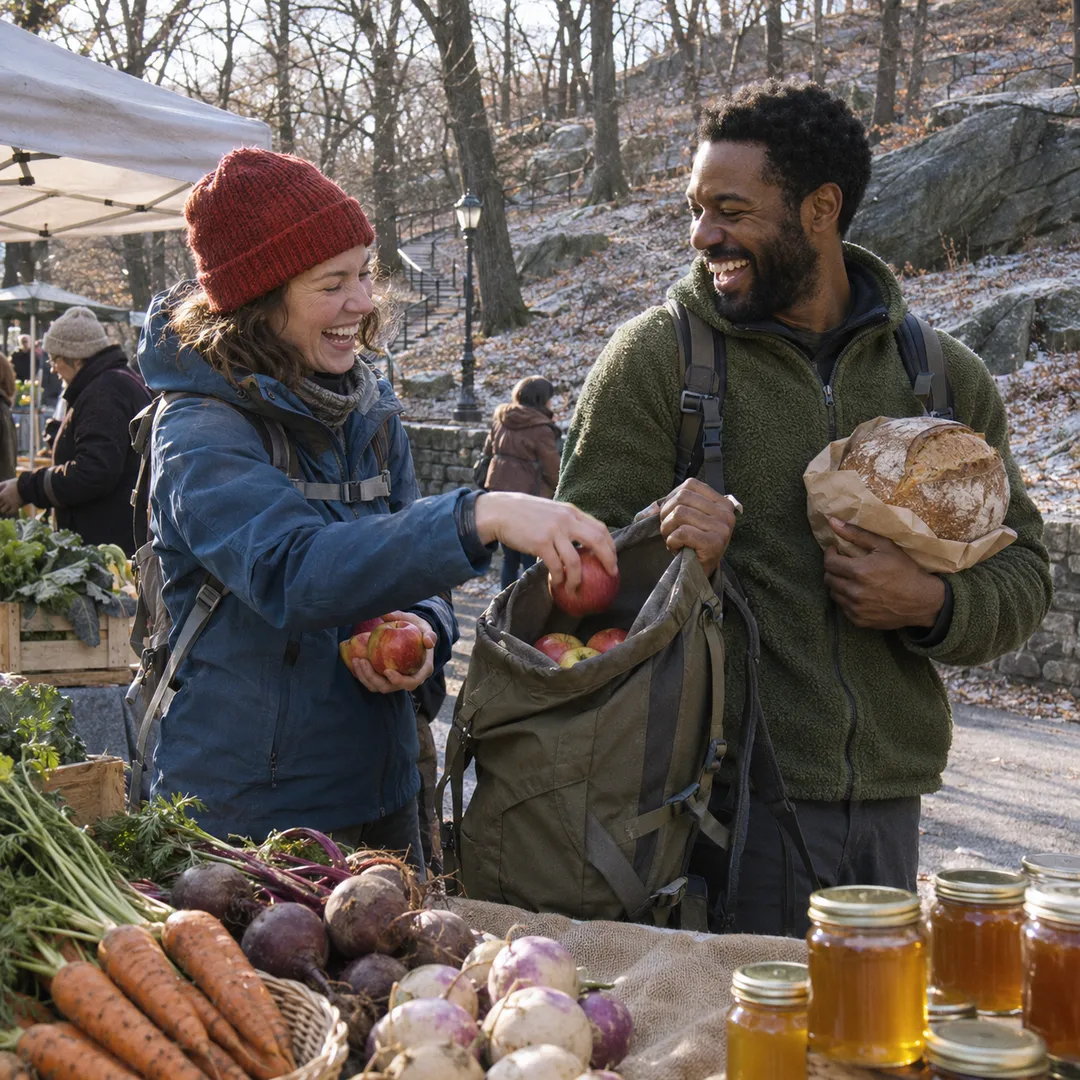
 Inwood Winter Greenmarket Picker for Hikers on Cold Mornings
Weekend Plans
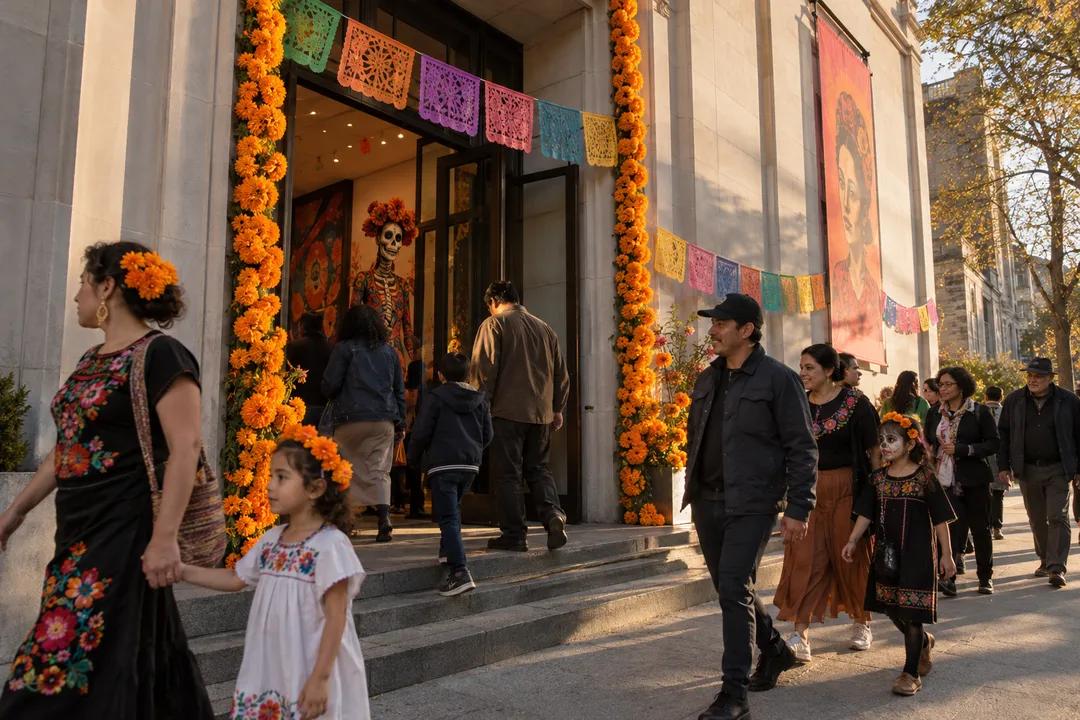
Day of the Dead Events at El Museo del Barrio
A practical 2026 guide to El Museo del Barrio's Day of the Dead season in East Harlem, with altar viewing, family programming, ticket notes, transit, and nearby stops.
If you are searching for day of the dead events near me from Manhattan, El Museo del Barrio is the rare choice that feels specific to both the holiday and the neighborhood. The museum's 2026 season centers on its East Harlem galleries, where visitors can slow down around an altar, learn why ofrendas matter, and make the trip part of a Fifth Avenue museum afternoon rather than a rushed photo stop.
Getting there is straightforward, which matters if you are bringing family members or meeting friends after work. El Museo sits at 1230 Fifth Avenue at 104th Street, directly on Museum Mile and beside the northern edge of Central Park. The 6 train to 103rd Street is the usual subway move, while the M1, M2, M3, and M4 buses keep the approach simple for anyone coming up Fifth Avenue.
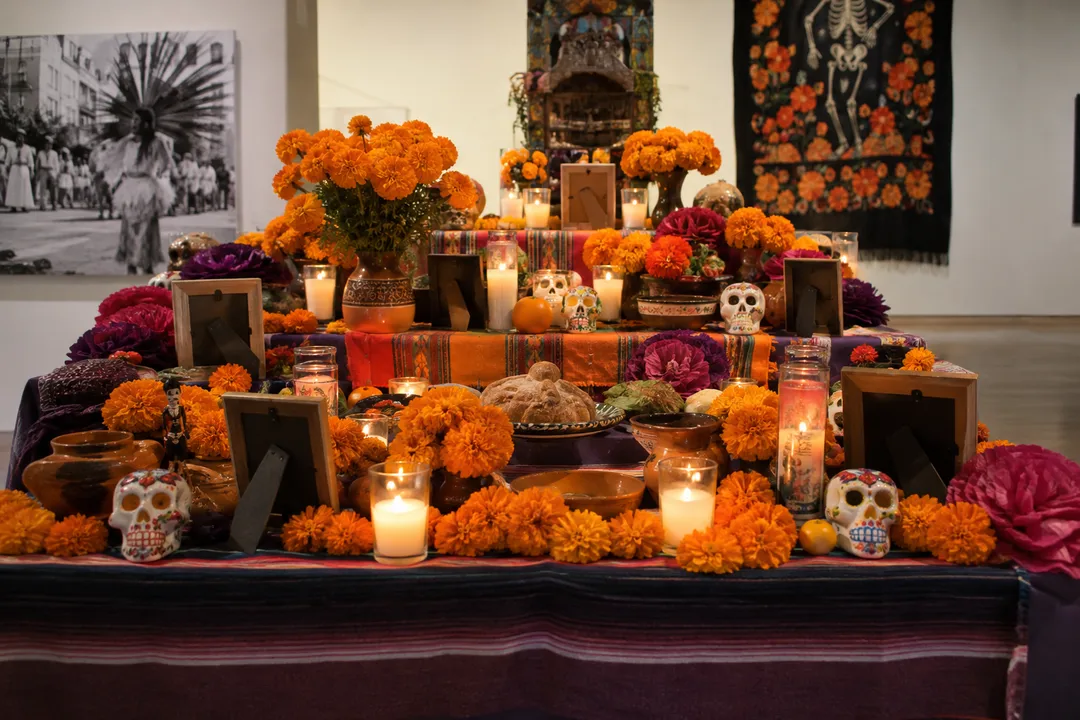
The 2026 anchor is the museum's Día de Muertos altar, listed for the late-summer-to-fall season and running through mid-November. That long window changes the rhythm of the visit. Instead of fighting for one crowded night, you can come on a weekday, read the object labels, and let the marigolds, photographs, candles, and paper color register as a living memorial practice rather than seasonal decor.
El Museo's advantage is context. This is not a generic Halloween weekend event borrowing a few skull motifs for ambience. The museum was founded around Puerto Rican, Caribbean, and Latin American art and culture, and its Day of the Dead programming sits inside that broader mission. You are seeing a Mexican remembrance tradition in a New York institution built to explain Latinx cultural history with care.
For 2026, the family-facing piece to watch is the museum's Super Sábado calendar, which has historically turned Día de Muertos into a hands-on afternoon with artmaking, performance, and intergenerational attendance. Check the museum's current event listing before leaving, because free museum days and family workshops can use timed entry, capacity rules, or registration windows even when the altar itself remains on view.
Plan your time as a museum visit first and a neighborhood outing second. Give yourself at least ninety minutes if you want the altar, one additional gallery stop, and a careful pass through the museum shop. The building is compact enough that younger visitors do not burn out quickly, but the meaning of the holiday lands better when nobody is trying to squeeze it between two subway transfers.
Tickets and hours need a same-week check because museum schedules can change around holidays, installations, and private events. El Museo is generally not a late-night institution, so the safer plan is daytime or early evening rather than assuming a nocturnal festival. If a Super Sábado event is on the calendar, arrive near the beginning, because craft tables and performances are often easiest before the room fills.
The altar itself rewards close looking. Notice the way color, food imagery, flowers, and family memory are arranged to welcome the dead without turning grief into something stiff. If you are coming with children, this is a useful place to explain that Día de Muertos is not a costume theme. It is a ritual of presence, memory, and hospitality, expressed through objects people can recognize.
Photography is possible, but the better etiquette is to treat the altar like a memorial before treating it like content. Take a few quiet images without flash, keep bodies from blocking people who are reading, and avoid staging a loud group pose in front of offerings. That simple restraint makes the visit feel more like participation in a civic cultural space and less like a seasonal backdrop.
The neighborhood makes the outing stronger. Before or after the museum, walk south along Fifth Avenue for Central Park's Conservatory Garden entrance, or cut east toward Lexington Avenue for casual food in East Harlem. If you want the day to stay rooted in the area, pair the museum with a small bakery stop, a public art walk, or a slow loop along the park wall.
Visitors looking for a meal should keep expectations practical. The museum cafe situation can shift, so do not build the whole plan around eating inside. East Harlem gives you better options anyway: tacos, cuchifritos, bakeries, and casual counters sit within a short bus ride or walk. Karpo APP can help narrow that down by timing, group size, and whether you need something kid-friendly.
Accessibility is one reason El Museo works well for a mixed-age group. The museum environment is easier to manage than a street parade, and the Fifth Avenue bus corridor reduces walking for relatives who do not want a long subway transfer. Still, confirm elevator access, coat check rules, stroller guidance, and bag policies on the official site before the visit, especially if you are coming for a workshop.
For crowd strategy, avoid assuming November 1 and November 2 are your only meaningful dates. The altar's longer run lets you choose a quieter afternoon, and that can make the experience more respectful. If the 2026 Super Sábado date fits your calendar, treat it as the social version. If not, the weekday altar visit still gives you the core of the Day of the Dead season.
Practical notes: the address is 1230 Fifth Avenue, New York, NY 10029. The nearest subway is the 6 at 103rd Street, with Fifth Avenue buses stopping closer to the door. Go for the altar, family programming, Latinx art context, and an East Harlem walk. Check current hours, timed-entry instructions, workshop registration, and photo rules before leaving, because event logistics can change close to the date. El Museo is best for visitors who want a grounded cultural visit rather than a party with a sugar-skull theme. It gives the holiday room to breathe, explains the tradition without flattening it, and makes East Harlem part of the story. Ask Karpo first when you need to turn the museum stop into a complete afternoon with food, transit, and a nearby park walk that still respects the reason people gathered together in the first place.
Ask Karpo for more information.
Keep reading
- Inwood Winter Greenmarket Picker for Hikers on Cold Mornings
 Carroll Gardens Winter Greenmarket Picker for Holiday Bakers
 Jackson Heights Winter Greenmarket Picker for a Family Day