 Inwood Winter Greenmarket Picker for Hikers on Cold Mornings
Weekend Plans
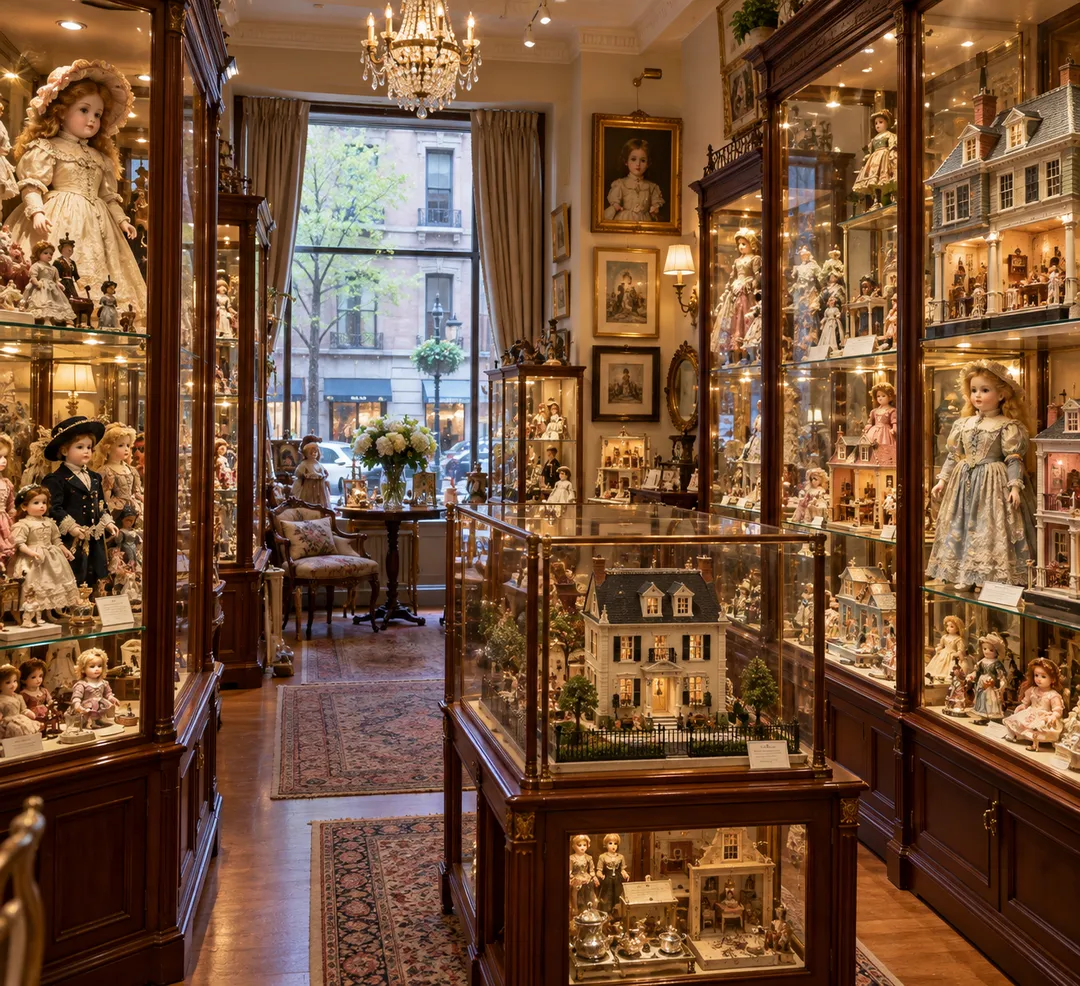
Creepy Doll Museum Near Me in Manhattan: The Tiny Doll House Gallery
Tiny Doll House at 314 E 78th St on Manhattan's Upper East Side presents floor-to-ceiling vitrines of antique dolls, miniature room boxes, and custom dollhouse art.
If you are searching for a creepy doll museum near me in New York City, Tiny Doll House provides a fascinating destination. Located at 314 E 78th St, New York, NY 10075, this dedicated collection features historic figures, antique curiosities, and rare exhibits. The venue operates Monday to Friday 11 am to 5 pm, Saturday 11 am to 4 pm, closed Sunday, with free walk-in admission for gallery browsing with miniature pieces from $15 to $120. Visitors can easily reach the site via 6 train to 77th Street or Q train to 72nd Street on the Upper East Side, making it an accessible weekend cultural plan for enthusiasts of antique dolls, folk sculpture, and gothic history.
An Upper East Side Sanctuary for Miniature and Doll Collectors
Tucked along a quiet tree-lined residential block on the Upper East Side, Tiny Doll House has served as Manhattan's premier specialty gallery and workshop for miniature architecture and doll artistry since the late twentieth century. Located at 314 East 78th Street between First Avenue and Second Avenue, this brick-front storefront features a dark green wooden facade and street-level bay windows showcasing elaborate miniature brownstones and dollhouse scenes. Inside, the shop is packed from floor to ceiling with hundreds of antique collectible dolls, fully furnished miniature room boxes, and museum-quality architectural models. Walking through its front door feels like stepping into a private collector's cabinet of curiosities.
Reaching the gallery from midtown or downtown Manhattan takes approximately fifteen minutes by taking the local 6 train to the 77th Street station on Lexington Avenue, then walking two avenues east to 78th Street. The Second Avenue Q subway line also provides convenient access via the 72nd Street or 86th Street stations. Tiny Doll House welcomes visitors Monday through Friday from 11 am to 5 pm and Saturday from 11 am to 4 pm, while remaining closed on Sundays.
Floor-to-Ceiling Vitrines of Porcelain Dolls and Shadow Rooms
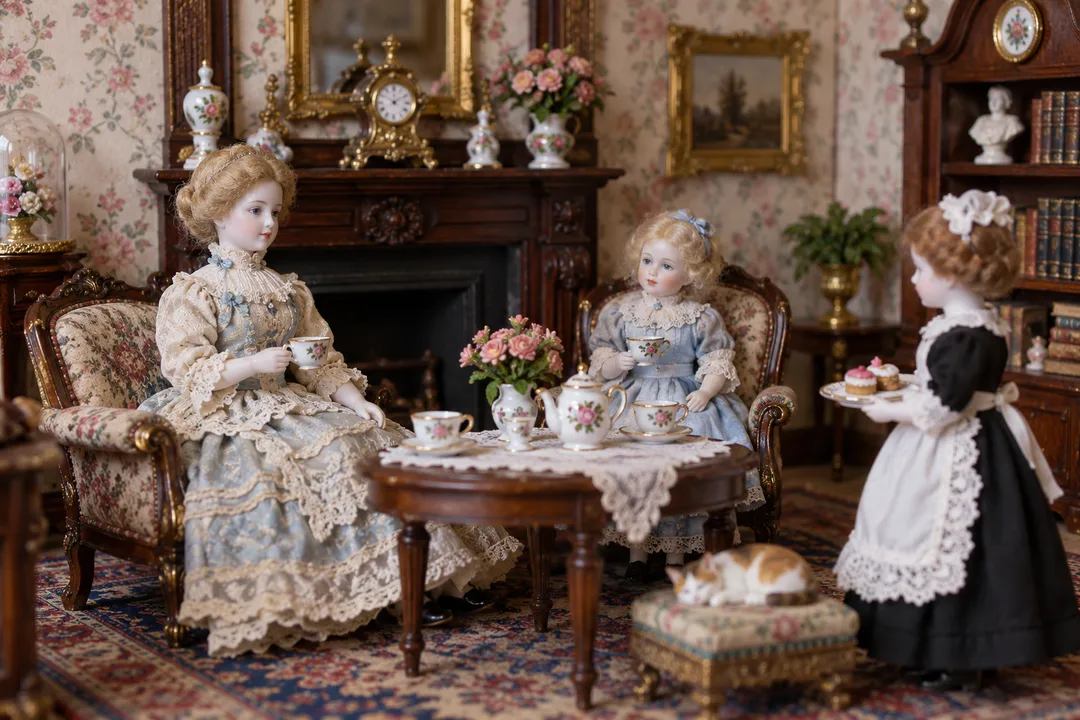
The interior of Tiny Doll House is organized into a labyrinth of illuminated glass display cases holding dozens of miniature historical dioramas. Each vitrine contains a meticulously staged room box: Victorian parlors illuminated by micro-wired brass chandeliers, haunted gothic attics draped with miniature cobwebs, antique apothecary counters filled with blown-glass tonic bottles, and nursery rooms occupied by porcelain-headed Victorian dolls wearing handmade lace bonnets and velvet capes.
The doll collection includes hand-painted porcelain figures in one-inch-to-one-foot scale, antique German composition figures, and posable wire-framed character dolls depicting historical figures, chimney sweeps, Victorian governesses, and spectral brides. Collectors and curious visitors spend hours peering into the illuminated vitrines, observing the startling realism of painted porcelain eyes, molded curls, and miniature accessories such as brass pocket watches smaller than a grain of rice.
Specialized shadow boxes showcase antique gothic conservatories filled with micro-potted paper ferns, taxidermy bird cages smaller than a thimble, and miniature crystal fortune-teller globes. Other cases feature detailed Victorian libraries where hundreds of leather-bound miniature books with gilded spines line walnut bookshelves, watched over by miniature porcelain scholars and mourning widows dressed in black lace veils.
The Art of Miniature Construction and Doll Craftsmanship
Behind the display vitrines, Tiny Doll House maintains an active restoration workshop where artisans repair antique dollhouses and construct custom architectural commissions. Staff members assist collectors with sourcing period-accurate miniature wallpapers, parquet hardwood flooring cut from real walnut veneers, hand-cast white metal fireplace grates, and artisan-sculpted doll figures. Skilled artisans carve miniature dining tables and cabriole chair legs from seasoned cherry and mahogany, matching authentic Queen Anne and Chippendale period designs. This dedication to authentic material craft preserves techniques that date back to eighteenth-century European dollhouse workshops.
For visitors seeking distinctive decorative pieces, the shop offers collectible doll figures, miniature furnishings, and handcrafted accessories ranging in price from $15 for individual artisan props to $120 for detailed collector dolls and hand-wired lighting fixtures. Larger custom dollhouse structures and heirloom miniature mansions are commissioned by collectors and interior designers from across the country, reinforcing the space's dual identity as both a retail gallery and a living museum of micro-scale craft.
Artisans in the workshop utilize specialized micro-tools including jewelers' piercing saws, micro-turning wood lathes, and surgical tweezers to assemble jointed doll limbs and carve architectural dental moldings. Miniature fireplaces are fitted with cast-resin coals that glow with concealed amber light bulbs, while tiny stained-glass window transoms are crafted from leaded foil and hand-tinted glass enamels.
Restoration Techniques and Electrical Wiring for Miniature Mansions
The technical expertise housed inside 314 East 78th Street extends into specialized restoration methods for fragile antique miniatures. Technicians work with magnifying lamps to re-string vintage jointed doll bodies using braided elastic cord, stabilize crazed porcelain enamel glazes, and clean delicate lace garments with archival dry-cleaning sponges that prevent water damage.
Electrifying miniature dollhouses represents another specialized discipline demonstrated in the workshop. Staff members route microscopic copper foil tape beneath floorboards and behind miniature baseboards, connecting twelve-volt micro-bulbs that illuminate stained-glass windows, functioning porch lanterns, and library hearth fires. Watching artisans assemble these miniature electrical grids offers visitors an intimate view of the patient engineering required to bring miniature worlds to life.
Visiting Practicalities and Neighborhood Recommendations
There is no admission charge to enter Tiny Doll House and browse its extensive showcase vitrines, making it an ideal destination for curious neighborhood explorers, doll enthusiasts, and miniature artists. Due to the dense arrangement of glass shelves and delicate handmade displays, the gallery asks visitors with large backpacks to carry them by hand and requires children to be supervised closely around the fragile glass vitrines. Staff members are deeply knowledgeable about doll history and gladly answer questions regarding the provenance of specific pieces.
The surrounding Upper East Side neighborhood offers exceptional cultural and culinary pairings for an extended afternoon. Walking three avenues west brings you to the Metropolitan Museum of Art and Central Park's Fifth Avenue entrance, while nearby Second Avenue is lined with traditional neighborhood bakeries, Hungarian pastry shops, and cozy bistros. For anyone searching for a unique, nostalgic, and subtly uncanny doll museum experience in Manhattan, Tiny Doll House provides an intimate journey into the miniature world.
Ask Karpo for more information.
Keep reading
- Inwood Winter Greenmarket Picker for Hikers on Cold Mornings
 Carroll Gardens Winter Greenmarket Picker for Holiday Bakers
 Jackson Heights Winter Greenmarket Picker for a Family Day