 Inwood Winter Greenmarket Picker for Hikers on Cold Mornings
Weekend Plans
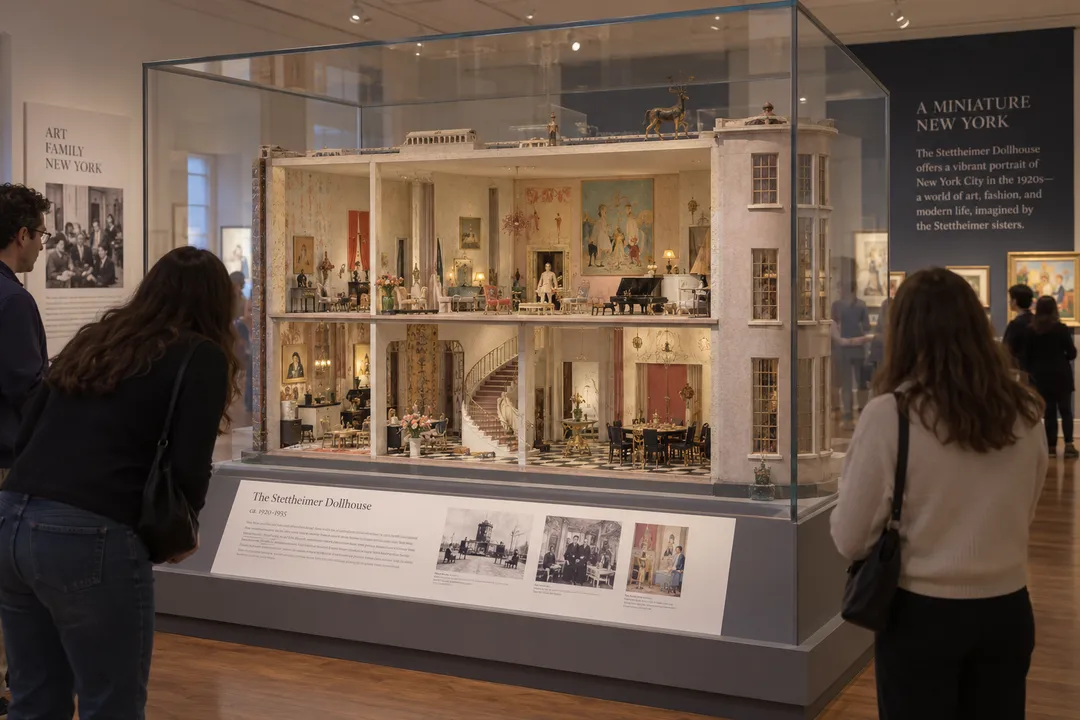
Creepy Doll Museum Near Me in Manhattan: The Stettheimer Dollhouse MCNY
The Museum of the City of New York at 1220 Fifth Avenue houses the 1920s Stettheimer Dollhouse with miniature modern art and antique dolls for $23 admission.
If you are searching for a creepy doll museum near me in New York City, Museum of the City of New York provides a fascinating destination. Located at 1220 Fifth Avenue, New York, NY 10029, this dedicated collection features historic figures, antique curiosities, and rare exhibits. The venue operates Monday to Friday 10 am to 5 pm, Saturday and Sunday 10 am to 6 pm, Wednesdays until 9 pm, with adults $23, seniors $18, students $14, under 18 free, nyc residents pay-what-you-wish. Visitors can easily reach the site via 6 subway train to 103rd Street or 2 and 3 trains to Central Park North, making it an accessible weekend cultural plan for enthusiasts of antique dolls, folk sculpture, and gothic history.
An Avant-Garde Miniature Mansion on Fifth Avenue
Located along Upper Manhattan's Museum Mile, the Museum of the City of New York occupies a grand Georgian Revival brick mansion at 1220 Fifth Avenue, between East 103rd Street and East 104th Street. Inside the third-floor decorative arts galleries sits one of the most celebrated and surreal miniature artifacts in American history: the Stettheimer Dollhouse. Created between 1916 and 1935 by society artist Carrie Walter Stettheimer, this two-story, twelve-room miniature residence offers an astonishing blend of Jazz Age glamour, antique doll sculpture, and avant-garde modern art.
Reaching the museum is straightforward from midtown Manhattan by taking the uptown 6 subway train along Lexington Avenue to the 103rd Street station, followed by a three-block walk west toward Central Park. Alternatively, the 2 or 3 express train stops at Central Park North (110th Street), placing visitors within a short six-block stroll of the main Fifth Avenue entrance. The museum welcomes visitors Monday through Friday from 10 am to 5 pm, Saturday and Sunday from 10 am to 6 pm, and remains open late on Wednesdays until 9 pm.
Custom Porcelain Inhabitants and Tiny Modernist Masterpieces
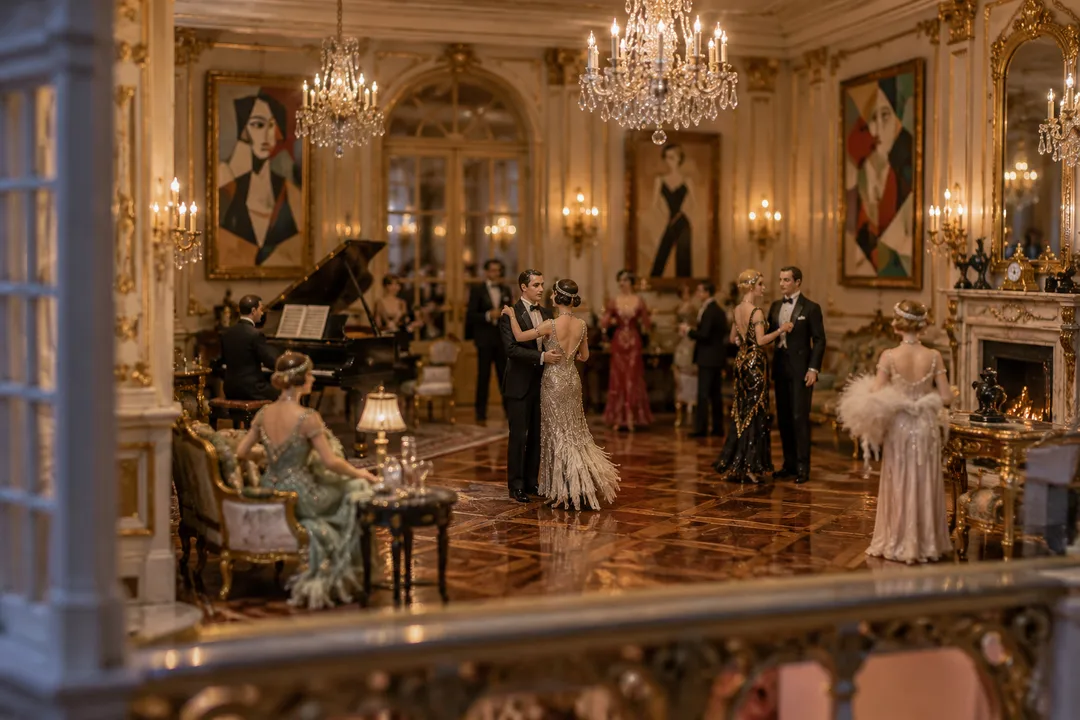
What elevates the Stettheimer Dollhouse into a landmark of uncanny fascination is its population of stylized miniature residents and authentic miniature artworks. Rather than using conventional Victorian dollhouse figures, Carrie Stettheimer fashioned custom porcelain dolls dressed in couture satin gowns, feather boas, and tailored smoking jackets to represent the bohemian luminaries who attended her family's Manhattan salons. These figures stand frozen amidst miniature salon chairs, gazing out with painted enamel expressions that blur the boundary between playful toys and eerie domestic portraiture.
The dollhouse ballroom functions as an authentic miniature modern art museum. Carrie Stettheimer persuaded her close artist friends to paint and sculpt original miniature masterpieces for the walls. Inside the three-inch-high ballroom, visitors can admire a tiny three-inch canvas of Nude Descending a Staircase painted specifically for the dollhouse by Marcel Duchamp, a miniature standing alabaster sculpture by Gaston Lachaise, an abstract canvas by Albert Gleizes, and miniature works by Alexander Archipenko. This bizarre juxtaposition of high modernism and antique doll collecting creates a singular aesthetic found nowhere else in the world.
The upstairs music room contains miniature sheet music inscribed by composer Virgil Thomson, resting upon a hand-carved mahogany grand piano complete with ivory-painted keys. Miniature bronze busts sculpted by Leo Ornstein adorn the fireplace mantelpiece, while tiny watercolor portraits by Florine Stettheimer hang in the second-floor salon. This dense concentration of genuine interwar art created specifically for dollhouse scale provides an extraordinary record of New York's avant-garde community in the 1920s.
Architectural Detail and Salon Life of the Stettheimer Sisters
Carrie Walter Stettheimer lived with her mother Rosetta and sisters Florine and Ettie in grand Manhattan apartments at the Alwyn Court and West 76th Street, hosting celebrated salons that drew the leading intellectuals and modernists of the interwar period. The dollhouse served as Carrie's ongoing artistic project for nearly two decades, mirroring the family's opulent domestic lifestyle and avant-garde taste down to the smallest detail.
Peering through the glass gallery case, visitors can examine the miniature kitchen furnished with tiny enameled pots, custom chintz-papered bedrooms, and a functioning miniature elevator shaft connecting the floors. Real crystal beads form the multi-tiered drawing room chandeliers, while micro-embroidered needlepoint carpets cover parquet wood floors. The doll residents remain posed in perpetual expectation of a cocktail party that never begins, embodying a spectral, suspended vision of 1920s Manhattan wealth.
Historic Dolls and Nineteenth-Century New York Playthings
Beyond the Stettheimer mansion, the Museum of the City of New York preserves hundreds of nineteenth-century dolls, wax figures, and toy collections in its permanent decorative arts archives. Rotating vitrines in the adjacent galleries showcase early Dutch cloth dolls from colonial Manhattan, German bisque porcelain dolls owned by prominent merchant families, and papier-mâché figures from the mid-1800s. Many of these historical dolls retain their original handmade mohair wigs, jointed kid-leather bodies, and intricately tailored mourning garments reflecting the solemn fashion of Victorian New York.
The collection also features early French fashion dolls, known historically as pandoras, which Parisian dressmakers shipped across the Atlantic to Manhattan importers to display miniature haute couture gowns before the widespread circulation of printed fashion magazines. These sixteen-inch figures feature hand-tinted porcelain shoulders, blown cobalt-glass eyes, and meticulously constructed corset stays, offering an authentic material record of Gilded Age luxury and child socialization.
Visitors fascinated by vintage toy craft can trace the historical evolution from handmade domestic folk dolls to mass-produced German imports that filled Manhattan department stores during the Gilded Age. The fragile glass eyes, hand-stitched leather fingers, and faded porcelain cheeks of these antique figures offer a poignant window into how nineteenth-century children practiced domestic rituals and familial care during eras of high infant mortality and rigid social ceremony.
Ticket Options, Gallery Etiquette, and Museum Mile Tips
General museum admission is $23 for adults, $18 for seniors aged sixty-five and older, $14 for college students with valid identification, and entirely free for visitors aged eighteen and under. New York City residents also benefit from a pay-what-you-wish policy at the on-site admissions desk with proof of city residency, ensuring that local culture seekers can access the galleries at any contribution level. Tickets can be purchased at the main lobby desk or reserved online in advance through the museum's official portal at mcny.org.
After examining the dollhouse vitrines, visitors can stop at the museum's ground-floor cafe for espresso and sandwiches, or browse the museum bookshop for architectural monographs and historic New York photography. Across Fifth Avenue lies the Conservatory Garden in Central Park, where six acres of formal French, Italian, and English gardens provide a serene outdoor walk. For enthusiasts of historic architecture, miniature craftsmanship, and vintage doll artistry, the Museum of the City of New York offers an unforgettable cultural afternoon.
Ask Karpo for more information.
Keep reading
- Inwood Winter Greenmarket Picker for Hikers on Cold Mornings
 Carroll Gardens Winter Greenmarket Picker for Holiday Bakers
 Jackson Heights Winter Greenmarket Picker for a Family Day