 Inwood Winter Greenmarket Picker for Hikers on Cold Mornings
Weekend Plans
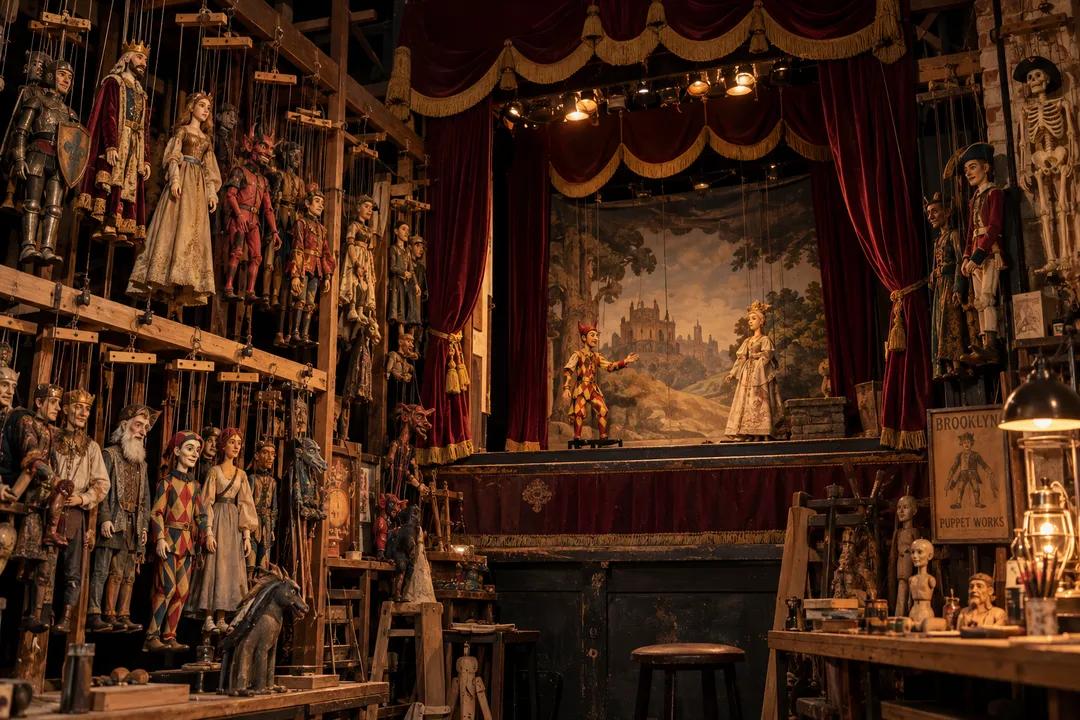
Creepy Doll Museum Near Me in Brooklyn: Historic Puppetworks Marionettes
Puppetworks showcases hundreds of antique hand-carved wooden marionettes and gothic theatrical figures in Industry City Brooklyn with $11 to $12 ticketed performances.
If you are searching for a creepy doll museum near me in New York City, Puppetworks provides a fascinating destination. Located at 51 35th Street, Building 5, 2nd Floor, Brooklyn, NY 11232, this dedicated collection features historic figures, antique curiosities, and rare exhibits. The venue operates Performances Saturday and Sunday at 12:30 pm and 2:30 pm, with tickets are $11 for children and $12 for adults. Visitors can easily reach the site via D, N, or R train to the 36th Street station in Sunset Park, making it an accessible weekend cultural plan for enthusiasts of antique dolls, folk sculpture, and gothic history.
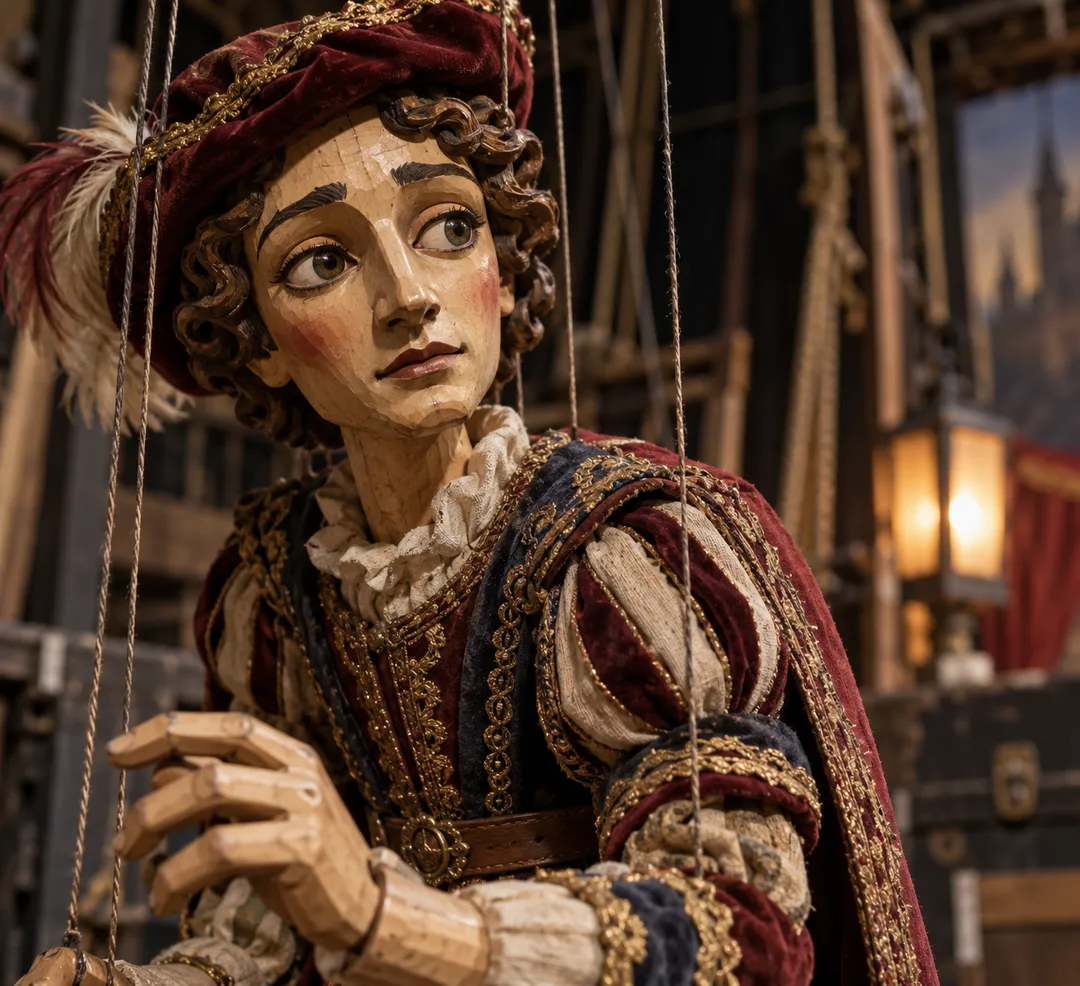
A Forty-Year Marionette Archive Relocated to Industry City
Founded in 1980 by master puppeteer Nicolas Coppola, Puppetworks operated for more than four decades out of an intimate storefront on Sixth Avenue in Park Slope before establishing its expanded performance hall and archive inside Industry City. The company now occupies a dedicated second-floor theater space in Building 5 at 51 35th Street, between Second Avenue and Third Avenue in Brooklyn. To reach the entrance, enter Building 5 from 35th Street, ascend the interior stairs or take the freight elevator to the second floor, and follow directional signs to the Puppetworks box office.
The journey from Manhattan takes under twenty-five minutes by riding the express D or N train to the 36th Street transit hub in Sunset Park, followed by a brief two-block walk north to 35th Street. Puppetworks presents traditional repertory performances every Saturday and Sunday at 12:30 pm and 2:30 pm.
Hand-Carved Wooden Puppets, Glass Eyes, and Antique Mechanisms
Stepping into the theater lobby places visitors face-to-face with dozens of antique marionettes suspended from wooden pin rails and shadow vitrines. Unlike modern foam or rubber puppets, every figure in the Puppetworks collection is carved by hand from solid linden, basswood, and white pine. Nicolas Coppola and his workshop artisans carved articulated joints, weighted hollow limbs, and expressive faces fitted with hand-blown glass eyes that catch the stage spotlights with an uncanny, lifelike presence.
The archival collection comprises hundreds of figures created for classical stagings of Faust, Alice in Wonderland, The Legend of Sleepy Hollow, and Hansel and Gretel. Viewing these marionettes up close reveals the meticulous artistry of nineteenth-century European theatrical craftsmanship: miniature velvet doublets trimmed with gold bullion fringe, hand-painted porcelain-like lacquer finishes, and complex internal string control bars with as many as twenty-two individual linen control lines operating eyebrow twitches and mechanical mouth hinges.
The theater proscenium itself is constructed from dark mahogany millwork equipped with miniature electric footlights, overhead tracking battens, and hand-painted scenic canvas drops. Sound effects are generated using traditional acoustic devices housed beneath the puppeteer bridge, including a lead-shot rain box, brass thunder sheet, and wooden wind machine. This analog stagecraft immerses audiences in an authentic nineteenth-century theatrical atmosphere that enhances the uncanny realism of the wooden marionettes.
Woodcarving Traditions and the Mechanics of Articulated Limbs
The construction of these theatrical wooden figures follows methods perfected in Bavarian and Bohemian puppetry guilds during the eighteenth and nineteenth centuries. Master carvers select seasoned blocks of American basswood because the tight grain resists splintering when hollowed out for balance weights. Ball-and-socket joints carved from rock maple are joined with hand-turned brass pins, allowing legs and arms to swing freely without binding during complex marionette choreography.
Backstage storage racks hold dozens of character figures from past productions, organized by historical era and literary archetype. Sorcerers with trailing gray horsehair beards hang beside Victorian street urchins dressed in genuine antique wool rags, while gothic skeletons with individual bone segments articulated by fine wire loops stand ready for repertory revivals. The palpable craftsmanship invested in each carved wooden visage transforms the backstage area into a living museum of American puppetry history.
The Uncanny Charm of Traditional String Puppetry
In an era dominated by computerized digital animation and screen-based entertainment, the tangible presence of physical wooden figures performing in a darkened chamber carries a mesmerizing, gothic weight. When the stage curtains part under miniature brass footlights, the three-foot-tall wooden actors move with a rhythmic, floating cadence that emphasizes their mechanical essence. The figures tilt their heads, cast elongated shadows against painted canvas backdrops, and evoke the eerie fascination that doll collectors and puppet historians cherish.
Following each public performance, the puppeteers often step out from behind the velvet bridge rail to demonstrate how the control strings animate the figures. Visitors can examine the wooden construction of villainous witches, antique court jesters, and skeletal dancers, inspecting the weighted lead balance pellets sewn into puppet shoes to ensure graceful movement across the proscenium floor. This transparent theatrical technique demystifies the mechanics while deepening appreciation for the puppeteer's physical discipline.
Special repertory revivals feature traditional European trick marionettes, such as the Grand Turk figure that disarticulates on stage into five miniature dancers, or the expanding skeleton that stretches to twice its height before reassembling. Watching these mechanical transformations performed entirely through wooden levers and linen strings offers a rare glimpse into the golden age of Victorian stage illusions.
Ticketing Information and Practical Planning Tips
Because theater seating inside Building 5 is limited to approximately seventy guests per performance, reserving seats in advance by telephone ensures admission during busy autumn and holiday runs. Payment is handled at the box office window upon arrival, where cash and major credit cards are accepted. Doors open thirty minutes prior to showtimes at 12 pm for the 12:30 pm matinee and at 2 pm for the 2:30 pm staging, allowing ticket holders ample time to view the antique puppet vitrines displayed along the perimeter walls.
The Industry City campus offers extensive dining and leisure amenities directly adjacent to the theater. After the afternoon curtain call, visitors can explore the outdoor courtyards connecting Buildings 5 and 6, where open-air fire pits, artisan coffee stands, and bakeries provide warm seating. For families and cultural travelers seeking the intersection of antique doll craft, folk sculpture, and live theater, Puppetworks delivers an authentic Brooklyn cultural experience unmatched elsewhere in the five boroughs.
Ask Karpo for more information.
Keep reading
- Inwood Winter Greenmarket Picker for Hikers on Cold Mornings
 Carroll Gardens Winter Greenmarket Picker for Holiday Bakers
 Jackson Heights Winter Greenmarket Picker for a Family Day