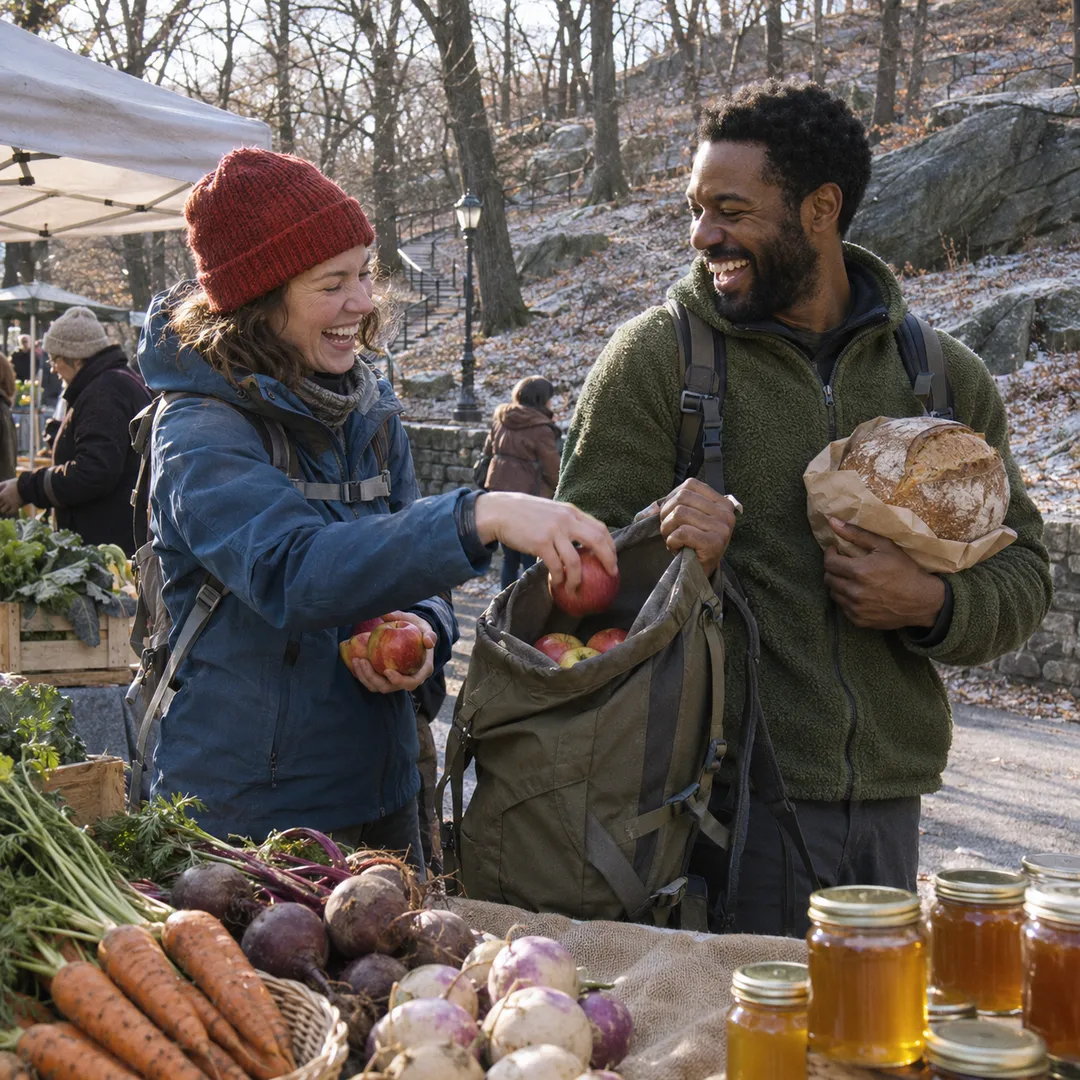
 Inwood Winter Greenmarket Picker for Hikers on Cold Mornings
Weekend Plans
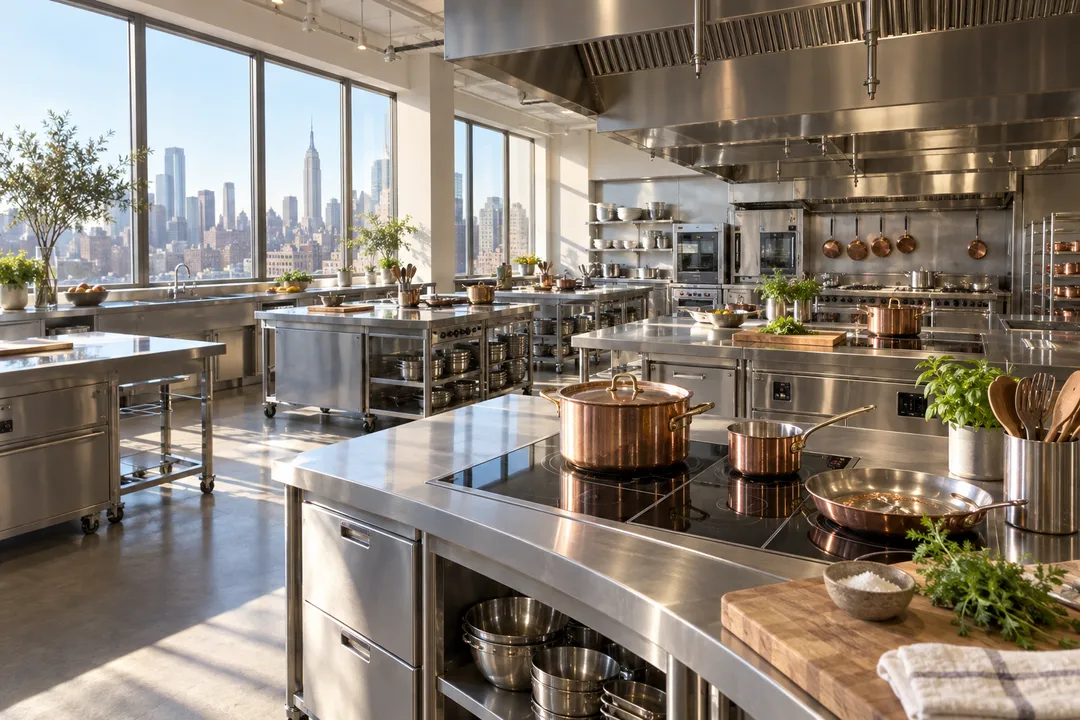
Hands-On Cooking School Near Me at Institute of Culinary Education in Downtown
A comprehensive guide to recreational culinary classes at the Institute of Culinary Education at 225 Liberty Street in Lower Manhattan, covering artisan bread, fresh pasta, knife skills, and waterfront kitchen views.
When searching for a premier recreational cooking school near me in Lower Manhattan, the Institute of Culinary Education at 225 Liberty Street stands as New York's ultimate culinary destination. Situated on the third floor of Brookfield Place with panoramic views overlooking the Hudson River and North Cove Marina, this acclaimed institution welcomes enthusiastic amateurs alongside aspiring culinary professionals. The atmosphere inside the bright, sun-drenched facility is vibrant and welcoming, pairing state-of-the-art commercial kitchen equipment with supportive chef-instructors who excel at translating intricate French, Italian, and global techniques into intuitive home kitchen habits. Whether you want to master hand-rolled pasta, refine your knife cuts, or bake sourdough loaves from scratch, the school provides an inspiring urban classroom.
The physical layout of the teaching kitchens at 225 Liberty Street reflects the highest standards of modern commercial kitchen design. Each student works at an individual station equipped with a durable end-grain maple cutting board, razor-sharp German steel chef knives, and a dedicated high-efficiency induction cooktop. Overhead copper cookware racks, dual-temperature commercial convection ovens, and gleaming stainless steel prep tables surround the workstations, giving participants the exhilarating sensation of cooking on a professional restaurant line. Deep dishwashing stations and continuous porter support handle all scrub work and heavy sanitation throughout the session, allowing guests to concentrate exclusively on knife techniques, sauce reductions, and plated presentations without washing pots.
Culinary instruction at the institute emphasizes fundamental kitchen science and tactile understanding rather than mere recipe memorization. During every lesson, professional chef-instructors gather participants around a central demonstration counter to deconstruct foundational techniques before students return to their individual stations. Instructors clearly explain the chemistry of emulsification, the physics of heat transfer, the proper caramelization of proteins, and the balance of acidity and salt. Students are encouraged to taste broths, marinades, and stocks at every stage of the cooking process, fostering intuitive palate development that equips home cooks to improvise successfully long after class ends.
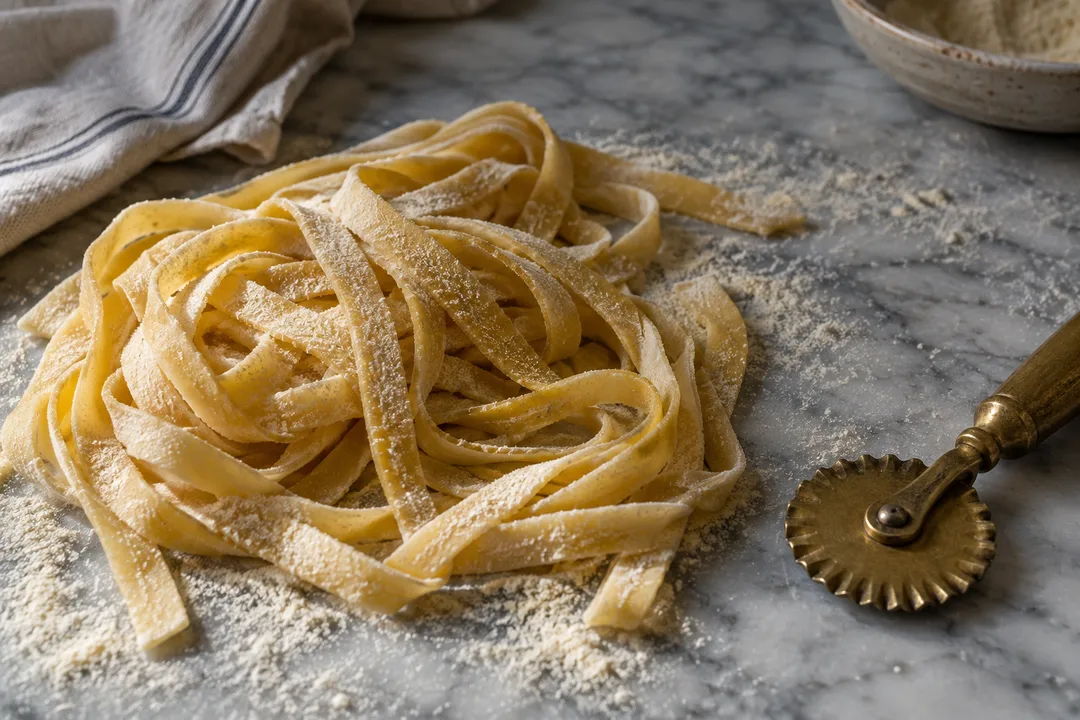
The school maintains an expansive catalog of single-evening workshops and weekend intensives covering regional cooking traditions. A popular Essential Knife Skills workshop costs $150, guiding students through precise brunoise, julienne, and chiffonade cuts on fresh root vegetables, herbs, and whole poultry. For Italian enthusiasts, the Hand-Rolled Pasta Workshop costs $155, teaching participants to hydrate durum wheat semolina, roll supple egg dough sheets through manual brass presses, and shape delicate agnolotti, tortellini, and tagliatelle. Those fascinated by Japanese cuisine can join the Sushi Essentials session for $160, mastering the seasoning of short-grain rice, nigiri shaping, and maki rolling.
Baking and pastry arts represent another pillar of the recreational program, attracting home bakers eager to master delicate laminated doughs and fermented hearth breads. The Artisan Bread Baking masterclass costs $165, where students learn sourdough fermentation schedules, baker's percentages, dough folding techniques, and steam injection baking inside heavy hearth deck ovens. Instructors demystify sourdough hydration levels, wild levain cultivation, and crust blister development. Students pull golden boules, airy focaccia slabs, and fragrant baguettes from the ovens, packing their warm crusty creations into bakery boxes to take home.
Ingredient sourcing across the teaching kitchens mirrors New York's top farm-to-table dining establishments. Produce arrives directly from certified regional growers in the Hudson Valley and Long Island, supplying heirloom carrots, fresh herbs, organic mushrooms, and seasonal stone fruits. Meats are humanely raised and pasture-fed, while seafood is delivered daily by reputable coastal purveyors who supply sustainable wild catches. High-grade unbleached flours, artisanal olive oils pressed in Tuscany, and specialty European cultured butters ensure that every sauce, glaze, and dough develops clean, rich flavor notes.
Every cooking workshop concludes with a celebratory communal dining feast where students savor the fruits of their collaborative kitchen labor. Participants sit along long oak dining tables set with linen napkins, polished glassware, and porcelain platters overlooking the twilight waters of the Hudson River. Guests share heaping bowls of fresh handmade pasta, seared heritage meats, and freshly baked artisan breads while exchanging culinary reflections with fellow food lovers. Complimentary red and white wines selected to complement the evening menu are poured generously throughout the tasting dinner.
The pedigree of the instructional faculty ensures that students learn directly from seasoned culinary veterans. Instructors bring decades of experience running Michelin-starred kitchens, celebrated boutique bakeries, and high-volume Manhattan dining rooms. Their teaching style combines rigorous technical precision with warm approachability and humorous kitchen anecdotes, readily troubleshooting broken vinaigrettes, sticky doughs, or uneven pan temperatures. The instructors remain available after class concludes, gladly answering questions about home kitchen gadgets, knife sharpening stones, and local butcher recommendations.
Reaching the Institute of Culinary Education is exceptionally convenient via Manhattan's extensive transit network. The facility is directly connected to the Fulton Center and World Trade Center transit hubs, offering indoor pedestrian access from the A, C, E, 1, 2, 3, 4, 5, R, and W subway lines as well as PATH trains from New Jersey. Visitors arriving by the NYC Ferry can disembark at the Battery Park City Ferry Terminal, located just a three-minute stroll across the waterfront esplanade. Drivers can access convenient valet and underground parking garages directly beneath Brookfield Place on North End Avenue.
Because of the school's prestigious national reputation, booking your preferred recreational workshop well in advance is essential. Weekend evening pasta and knife skills sessions frequently sell out four to six weeks ahead of time, particularly during autumn and winter months when indoor culinary experiences are in high demand. Registration takes place seamlessly through the school's online portal, where full curriculum outlines, ingredient lists, and instructor biographies are clearly published. Classes maintain a low student-to-instructor ratio, guaranteeing ample personalized feedback at every cutting board.
Originally founded in 1975 by visionary educator Peter Kump as Peter Kump's New York Cooking School, the institution has trained tens of thousands of culinary professionals and passionate home enthusiasts over its half-century history. In 2015, the school completed a major relocation from its historic Upper East Side brownstone quarters to this sprawling 74,000-square-foot waterfront facility at Brookfield Place. Today, the modern downtown campus features dedicated hydroponic herb gardens, specialized chocolate laboratories, and twelve commercial kitchens, serving as a creative epicenter for New York food culture.
The school's prime Battery Park City location makes it ideal for pairing with an afternoon neighborhood walking tour. Before your evening cooking class, you can stroll along the waterfront esplanade to admire scenic views of the Statue of Liberty, Ellis Island, and historic sailing yachts moored in North Cove Marina. Brookfield Place itself houses luxury retail flagships, curated art installations inside the Winter Garden glass atrium, and the French food hall Le District. Walking south leads past the tranquil reflecting pools of the 9/11 Memorial into the historic winding streets of the Financial District.
Practical considerations for your kitchen visit ensure a comfortable, safe hands-on experience. Students must wear closed-toe, flat, non-skid shoes to protect against falling utensils and kitchen spills. Long hair should be securely tied back, and loose jewelry should be removed before entering the workstations. The institute provides freshly laundered white cotton chef aprons, kitchen side towels, and take-home recipe booklets that outline exact ingredient measurements, cooking temperatures, and step-by-step techniques. The facility is fully ADA compliant, offering elevator access and height-adjustable prep counters.
The Institute of Culinary Education at 225 Liberty Street represents the gold standard of culinary education for New York home cooks. By combining world-class commercial kitchen facilities, Michelin-caliber instructors, farm-fresh ingredients, and generous tasting feasts over the Hudson River, the school transforms home culinary ambitions into effortless kitchen confidence. For anyone looking to invest in lifelong kitchen mastery or enjoy an unforgettable downtown cooking workshop, this legendary institution delivers an exceptional culinary journey.
Ask Karpo for more information.
Keep reading
- Inwood Winter Greenmarket Picker for Hikers on Cold Mornings
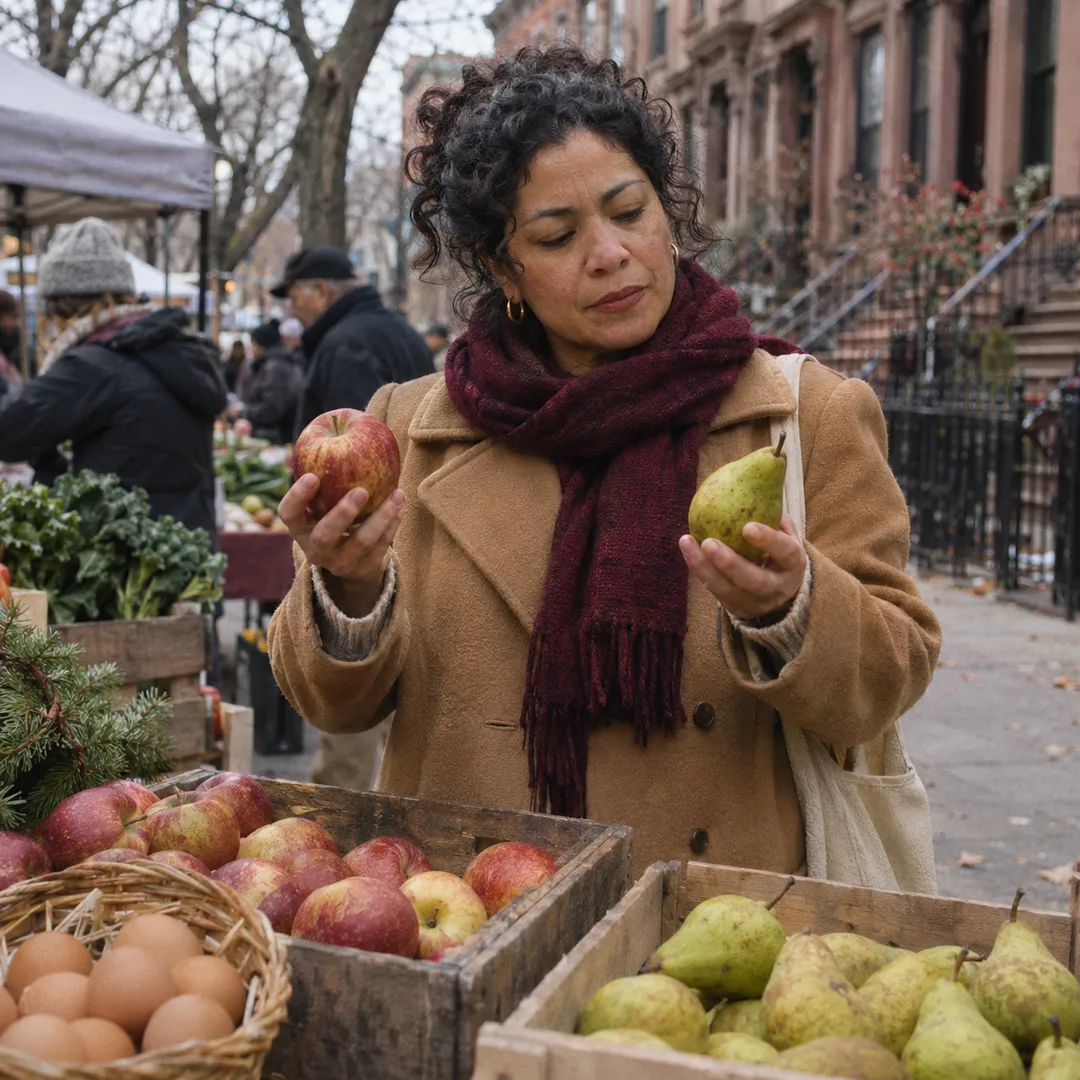 Carroll Gardens Winter Greenmarket Picker for Holiday Bakers
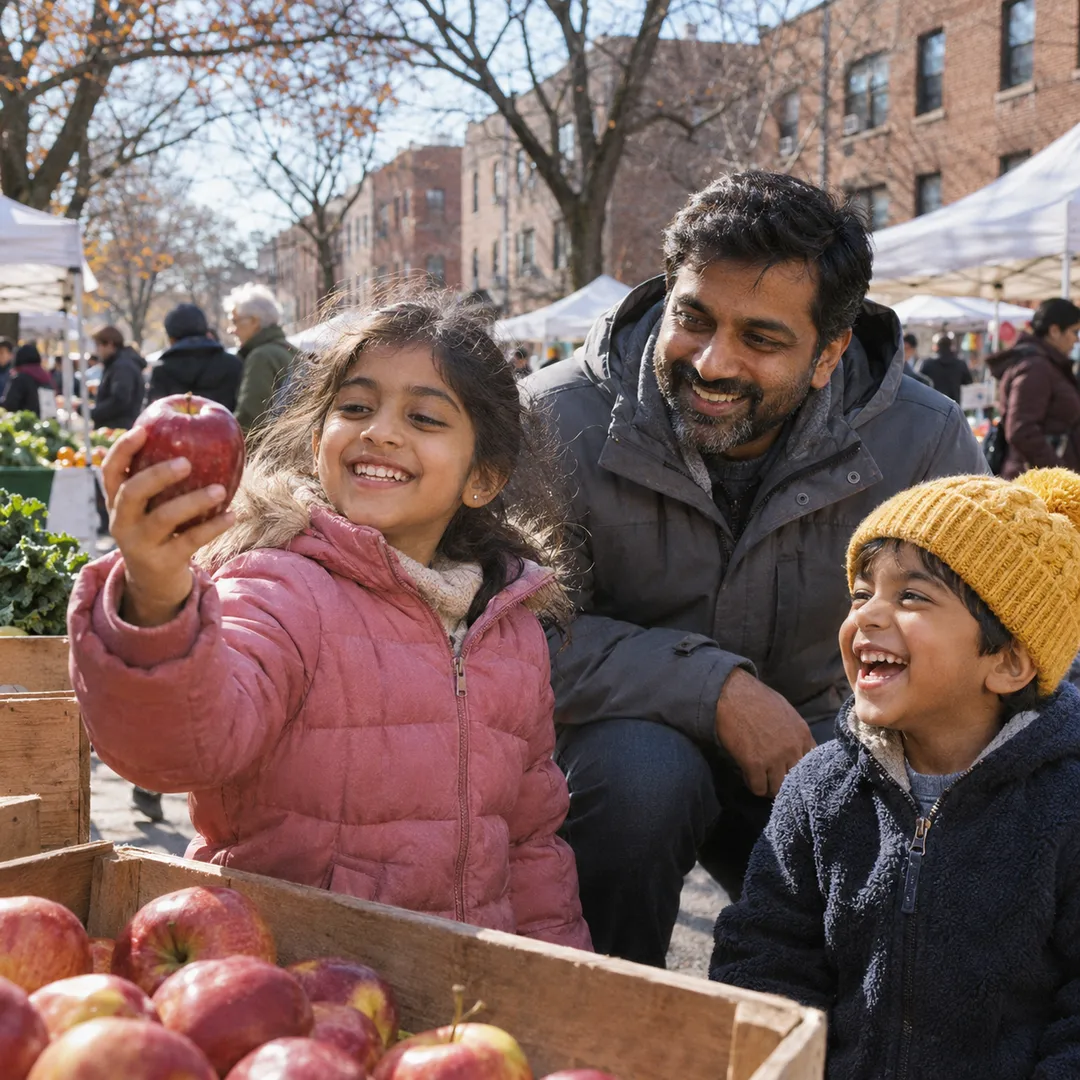 Jackson Heights Winter Greenmarket Picker for a Family Day