 Inwood Winter Greenmarket Picker for Hikers on Cold Mornings
Weekend Plans
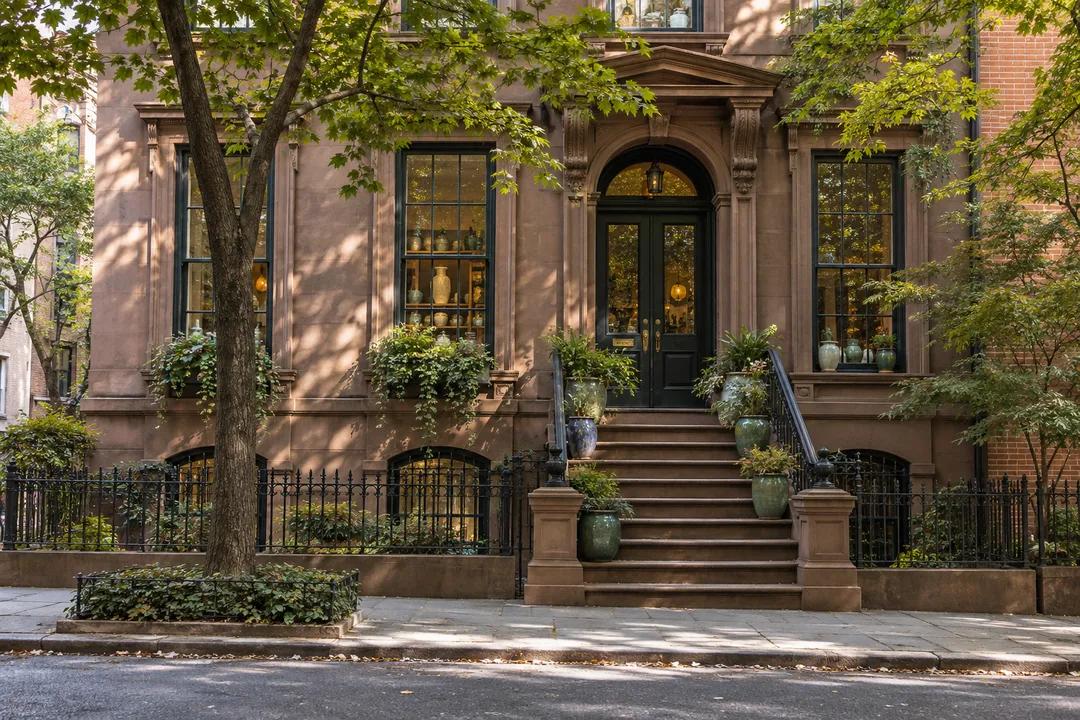
Greenwich House Pottery: Historic West Village Ceramic Studio Near Me for Handbuilding
Greenwich House Pottery on Jones Street in Greenwich Village offers historic ceramic education, wheel throwing, handbuilding classes, and artist residencies.
Greenwich House Pottery has stood as a cornerstone of American ceramic arts at 16 Jones St, New York, NY 10014 since its founding in 1904. Established by social reformer Mary Kingsbury Simkhovitch as part of the Greenwich House settlement movement, the non-profit institution originally provided immigrant neighbors with vocational craft training and artistic expression. Today, ceramicists seeking a prestigious ceramic studio near me in downtown Manhattan encounter a multi-story pottery hub that pairs rigorous multi-week pottery classes with renowned artist residencies and public gallery exhibitions. Located on a quiet tree-lined block between Bleecker Street and West 4th Street, the facility remains one of the oldest non-profit community ceramic centers in the United States.
Century-Old Settlement Roots and Ceramic Heritage on Jones Street
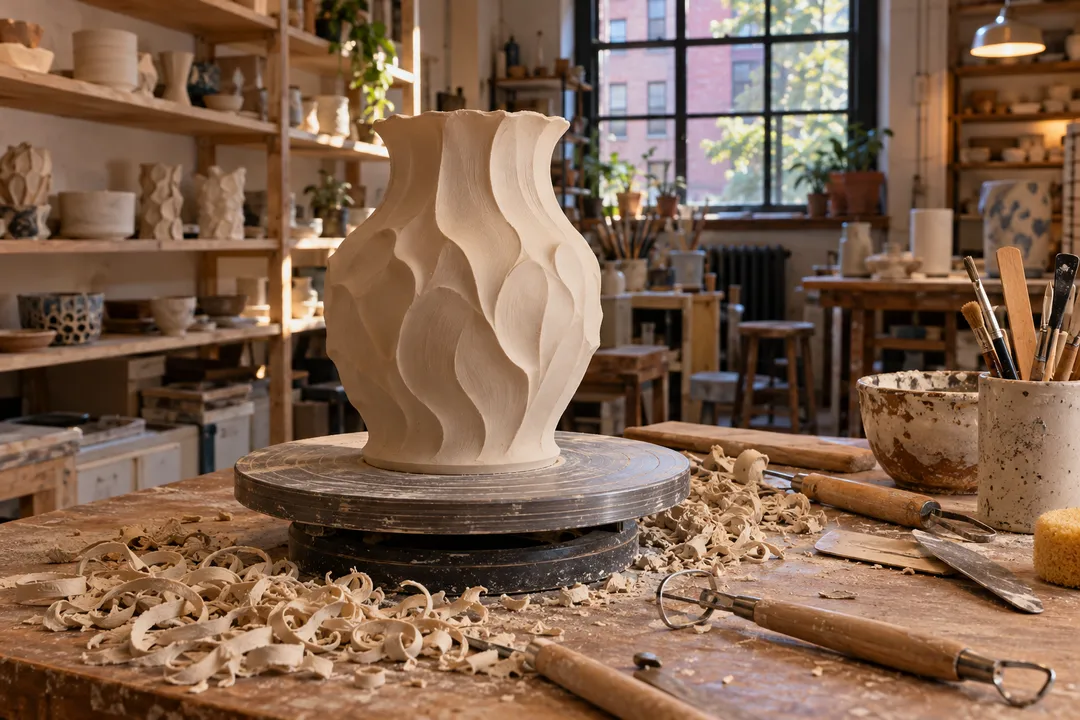
The historic West Village facility spans four dedicated floors designed specifically for ceramic craftsmanship. Natural light pours through tall multi-pane windows into the main wheel studios, illuminating rows of high-torque Brent wheels, heavy-duty slab rollers, and dedicated handbuilding work tables topped with heavy canvas. Downstairs, the kiln room houses multiple computer-controlled electric kilns along with specialized gas reduction kilns capable of firing to cone 10 temperatures above 2,345 degrees Fahrenheit. On the ground level, the street-facing Jane Hartsook Gallery showcases museum-grade contemporary ceramic installations from emerging and established sculptors, demonstrating to students the expansive conceptual potential of fired clay.
Four Levels of Studios and the Jane Hartsook Gallery
Instructional offerings at 16 Jones Street cater to absolute beginners as well as seasoned ceramic practitioners. Multi-week courses run on seasonal terms across fall, winter, spring, and summer, diving deeply into wheel throwing, sculptural handbuilding, mold-making, and slip casting techniques. For students seeking focused, one-on-one technical development, Greenwich House Pottery conducts custom two-hour private lessons priced at $245 for a single participant, or $310 for two people working together. Enrolled students enjoy access to independent studio practice blocks priced at $10 for four-hour intervals, with special Five Dollar Friday Nights offering subsidized access for dedicated practice. Firing fees are calculated systematically at $0.06 per cubic inch total, covering both the $0.03 bisque firing and the subsequent $0.03 glaze firing.
Private Lessons, Semester Tuition, and Practice Blocks
The studio operates under precise material protocols to ensure consistency across complex chemical firings. The glaze laboratory maintains dozens of proprietary stoneware glaze recipes, ranging from iron-rich tenmoku and soft celadons to micro-crystalline whites and vibrant copper reds. Students mix dry feldspar, silica, and kaolin raw materials under professional ventilation hoods while wearing protective particulate respirators. Because reduction gas firings draw atmospheric oxygen directly out of metal oxide colorants, glaze results display organic variations impossible to achieve in standard electric kilns. Every student maintains personal glaze testing tiles to monitor specific clay body interactions before committing finished work to high-fire cycles.
Proprietary Glaze Recipes and Gas Reduction Chemistry
Studio culture at Greenwich House emphasizes rigorous craft discipline and meticulous workspace maintenance. With dozens of students cycling through daily sessions, the pottery enforces strict cleanliness standards to eliminate toxic airborne silica dust. Dry sweeping and air dusting are strictly forbidden across every studio floor. Ceramicists must thoroughly sponge down their throwing bats, canvas boards, wheel pans, and wedging tables using warm water and clean natural sea sponges. Clay scraps are separated into labeled earthenware and stoneware reclamation bins to be recycled through the studio pug mill. All sink stations utilize industrial multi-chamber sedimentation settling tanks, guaranteeing zero clay slurry escapes into Manhattan's historical storm sewers.
Silica Control Protocols and Historic Drainage Safeguards
Patience remains the paramount virtue when working through the Greenwich House kiln queues. Handbuilt sculptures and wheel-thrown pots must dry exceptionally slowly beneath lightweight plastic sheeting to prevent uneven wall shrinkage and catastrophic cracks. Once bone dry, wares are scheduled for bisque firing, followed by glaze application and final vitrification in electric or gas kilns. The complete cycle from wet clay to finished glazed vessel typically spans two to three weeks. Student pieces are delivered to organized shelf cubbies on the lower level, where they remain available for pickup during regular gallery and studio hours. Items left unclaimed after sixty days are repurposed or auctioned to support community youth scholarships.
The Two-Week Firing Pipeline From Greenware to Glaze
Navigating ceramic technique requires knowing which common beginners' missteps to avoid. Skip attempting ultra-thin porcelain vessels during your first few studio sessions. Porcelain lacks the immediate green strength of gritty stoneware, and overworking it with excess water causes rapid wall collapse on the wheel. Skip attaching handles or decorative sprigs without thorough cross-hatch scoring and generous slip application. Careless joins inevitably detach during the intense thermal expansion of the kiln. Leave expensive watches and metal jewelry at home, and trim fingernails down before arriving at the studio. Wearing comfortable canvas sneakers and casual cotton clothes that handle damp mud splatters ensures an enjoyable session.
Honest Craft Guidance: Common Porcelain Pitfalls to Skip
Jones Street sits at the cultural heart of Greenwich Village, offering exceptional neighborhood strolls right outside the studio doors. After cleaning your wheel station, step out onto the historic cobblestones and walk half a block south to Bleecker Street for fresh Italian provisions at Murray's Cheese. Stroll around the corner to MacDougal Street to sit inside Caffe Reggio, home to New York's oldest espresso machine, and enjoy a rich macchiato under vintage oil paintings. If you prefer open parkland, walk east three blocks to Washington Square Park to listen to live jazz pianists beneath the marble arch while reflecting on your morning throwing session.
West Village Neighborhood Walk Along Jones and Bleecker
Enrollment for Greenwich House Pottery's competitive semester programs opens online several weeks before each term and routinely sells out within minutes. Those unable to secure a seat at 16 Jones Street can check weekend workshop openings at Choplet Ceramic Studio across the river at 238 Grand Street in Williamsburg, or explore non-profit classes at Artshack Brooklyn on Bedford Avenue. Arriving ten minutes prior to scheduled studio times grants ample leisure to change into your studio apron and select your preferred wheel.
Ask Karpo for more information.
Keep reading
- Inwood Winter Greenmarket Picker for Hikers on Cold Mornings
 Carroll Gardens Winter Greenmarket Picker for Holiday Bakers
 Jackson Heights Winter Greenmarket Picker for a Family Day