 Inwood Winter Greenmarket Picker for Hikers on Cold Mornings
Weekend Plans
Cemetery Tour at The Evergreens: Victorian Paths and Forgotten Monuments
A comprehensive visitor guide to taking a historic cemetery tour at The Evergreens on the Brooklyn-Queens border, exploring Victorian mourning art and jazz legends.
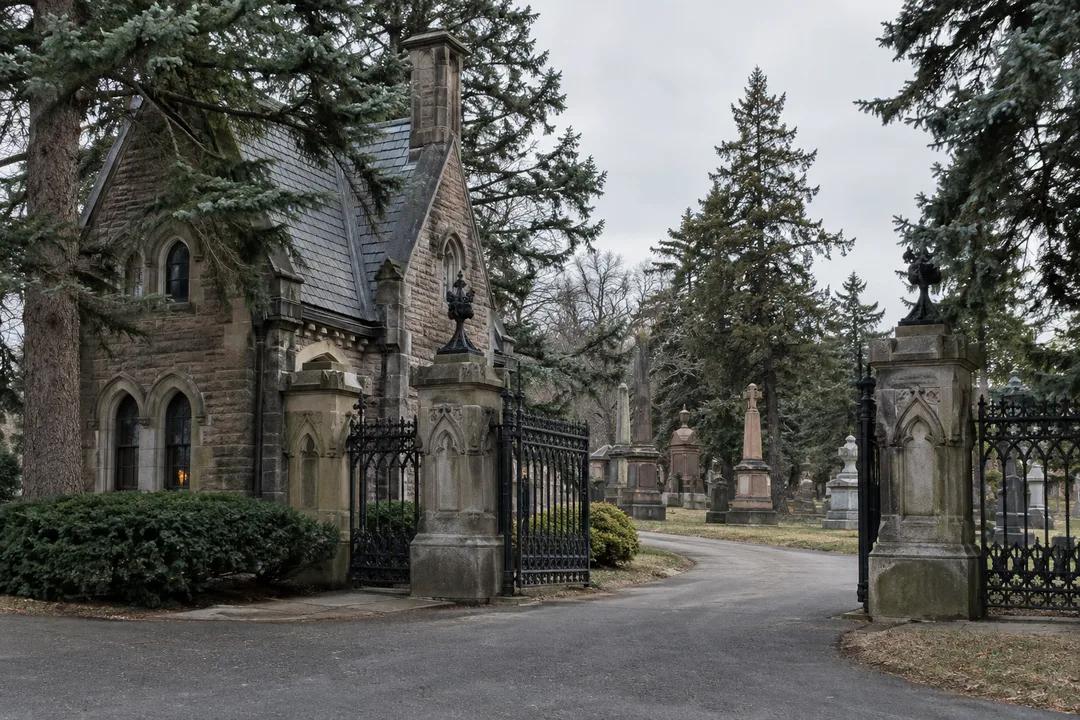
The iron entrance gates of The Evergreens Cemetery at 1629 Bushwick Ave in Brooklyn welcome visitors daily from 8:00 AM, and joining a self-guided preservation cemetery tour provides essential historical context across its 225 quiet acres. Established in 1849 under New York's Rural Cemetery Act, this sprawling burial ground straddles the border of Brooklyn and Queens and serves as the final resting place for over 530,000 individuals. Public access to the grounds is completely free of charge ($0.00), and the administrative gatehouse strictly prohibits headstone rubbings, recreational pets, and vehicles off designated asphalt paths, preserving a sacred cultural landmark that has served local communities for more than seventeen decades.
Transit access to the main entrance on Bushwick Avenue is straightforward via several subway routes. Commuters can ride the elevated J or Z train to the Broadway Junction transit hub, exiting to street level and walking along Conway Street directly to the cemetery entrance gates. Alternatively, riders can take the L train to the Bushwick Ave–Aberdeen St station, walking two short blocks along Bushwick Avenue past historic brick townhouses directly to the cemetery's Victorian administration lodge. Drivers arriving from Queens can take the main avenue thoroughfare onto Bushwick Avenue, parking courteously along neighboring residential curbs.
Unlike tourist-heavy monuments elsewhere in the boroughs, The Evergreens retains an unvarnished, atmospheric nineteenth-century character defined by deep cedar groves, secluded hillocks, and narrow footpaths that climb along the Harbor Hill Moraine. Its geographical crest offers unexpected glimpses of the Ridgewood reservoir and distant Jamaica Bay marshes, making a historical cemetery tour here feel like an authentic journey into New York's unpolished working-class, maritime, and artistic heritage. The layered landscape captures the original rural cemetery ideal, blending dramatic glacial topography with natural woodland preserves.
Walking routes stop at several profoundly moving historic sites scattered throughout the rolling terrain. A major landmark is the somber monument dedicated to the unidentified victims of the tragic 1911 Triangle Shirtwaist Factory fire, where six unknown workers were laid to rest following a massive civic funeral procession of over one hundred thousand mourners. Music historians gather around the quiet plot in Hickory Grove of influential jazz saxophonist Lester Young, whose delicate phrasing and revolutionary tenor sound shaped generations of American musicians. Nearby plots commemorate prominent nineteenth-century civic leaders, maritime harbor captains, union organizers, and hundreds of Union veterans of the American Civil War.
The Evergreens Cemetery welcomes the public for self-guided historical exploration completely free of charge ($0.00) during regular daylight gate hours. Independent visitors can obtain historical cemetery maps or explore the winding roads on foot, admiring the romantic nineteenth-century landscape design that has remained preserved for over 175 years across the borough boundary. Walking these roadways offers a peaceful educational experience free from commercial tour crowds.
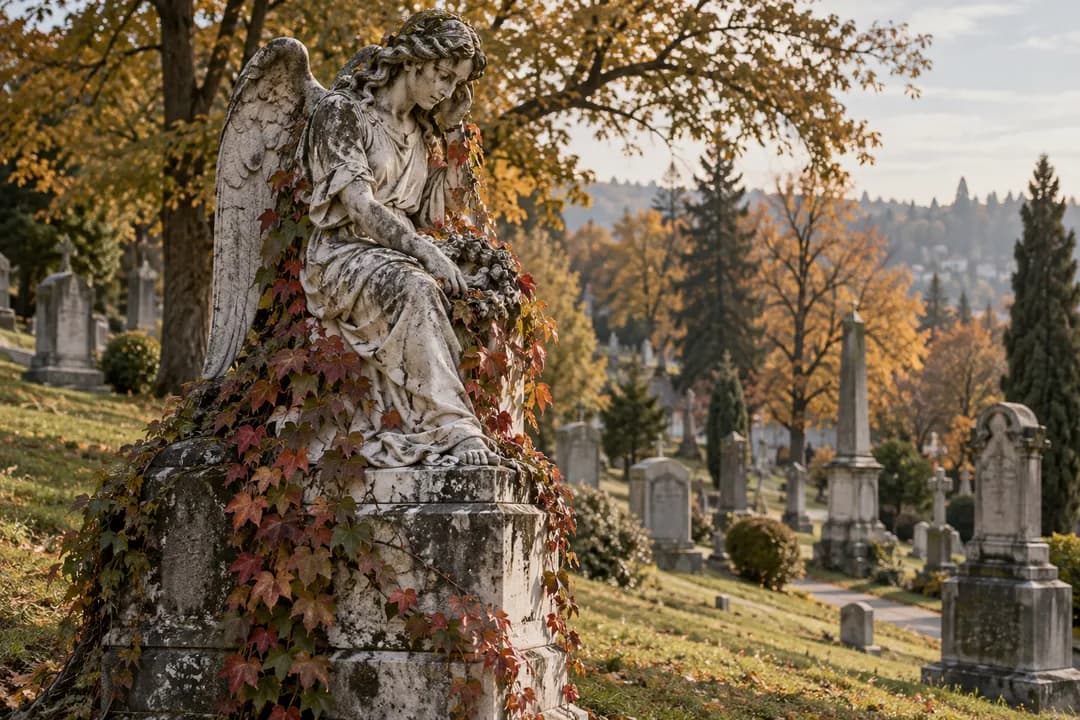
Visitors wind through distinctive historical burial sections including Mount Hermon, Beacon Hill, and the historic Firemen's Monument circle. The pathways showcase intricate Victorian gravestone iconography, displaying the precise symbolic meanings of carved draped urns signifying mourning, weeping willow reliefs representing earthly sorrow, and clasped marble hands reflecting eternal reunion. The natural setting remains vibrant, with red-tailed hawks frequently spotted hunting among the canopy of mature sweetgum, tulip poplar, and pin oak trees.
Sunday mornings between 9:30 AM and 11:30 AM offer the most atmospheric lighting, as eastern sunbeams cut through the tall pine groves and create long shadows across weathered brownstone markers. Autumn weekends attract local history enthusiasts and architecture buffs, though crowds remain intimate compared to larger botanical cemeteries. Visiting during crisp morning hours allows ample time for quiet contemplation before midday traffic picks up.
Independent visitors can explore the cemetery grounds freely on foot during regular gate hours from morning until dusk without admission fees ($0.00). Walking along the paved roadways allows guests to discover secluded family mausoleums, rustic stone obelisks, and historic fraternal society plots at their own unhurried pace, honoring the quiet dignity of this consecrated urban sanctuary.
The physical environment combines deep woodland shade with windswept hillside clearings that feel remote from the surrounding urban grid. Ambient sound consists of wind through pine boughs, chirping cicadas, and the distant rumble of elevated subway cars along Broadway. The overall mood is dignified, solemn, and unhurried, reflecting the cemetery's original nineteenth-century romantic landscape design that prioritized emotional solace within nature.
Incorporated in 1849, The Evergreens was designed by preeminent American landscape architect Andrew Jackson Downing alongside renowned architect Alexander Jackson Davis (A.J. Davis). Downing laid out the cemetery's picturesque, rolling wooded terrain with winding roadways that directly influenced the nineteenth-century American rural cemetery movement, while Davis designed the striking Victorian Gothic Revival chapel that stands near the entrance. Its historic administration complex and perimeter iron gates establish an authentic architectural tone dating back more than a century and a half.
During a weekend visit, you will encounter neighborhood families tending generational floral plantings, local historians documenting early fraternal organization plots, and quiet photographers capturing textured lichens on nineteenth-century zinc markers. Caretakers maintain high standards of respect: visitors must stay on paved thoroughfares or mown grass borders, refrain from leaving plastic artificial decorations, and observe quiet reflection throughout every corner of the grounds.
If you prefer polished botanical gardens and paved trolley rides, skip The Evergreens in favor of manicured tourist sites, as this terrain is rugged and exclusively navigated on foot. Visitors should also skip afternoon visits in hot summer months when steep unpaved hills become taxing, opting instead for crisp October mornings when cool air and autumn foliage illuminate the historic memorials with warm golden light.
After finishing your walking tour, head southwest toward the Broadway Junction transit hub to visit The Daily Press at 38 Somers St, a beloved neighborhood coffee house and cafe serving freshly brewed drip coffee, espresso, and warm morning pastries in a converted industrial brick setting. Surrounding neighborhood avenues near Broadway Junction offer authentic Caribbean and American casual bakeries and lunch spots for a satisfying post-walk meal in this historic East New York corridor.
Wear rugged walking boots with thick soles, as the cemetery's historic hillside trails feature exposed tree roots, loose gravel, and damp grassy depressions. Restrooms are available inside the main administrative office building near the Bushwick Avenue gate during regular hours. If you wish to extend your outdoor walk, an excellent historic Plan B in the immediate vicinity is exploring the scenic elevated pathways and reservoir views of Highland Park along Jamaica Avenue, which borders the cemetery ridge.
Ask Karpo for more information.
Keep reading
- Inwood Winter Greenmarket Picker for Hikers on Cold Mornings
 Carroll Gardens Winter Greenmarket Picker for Holiday Bakers
 Jackson Heights Winter Greenmarket Picker for a Family Day