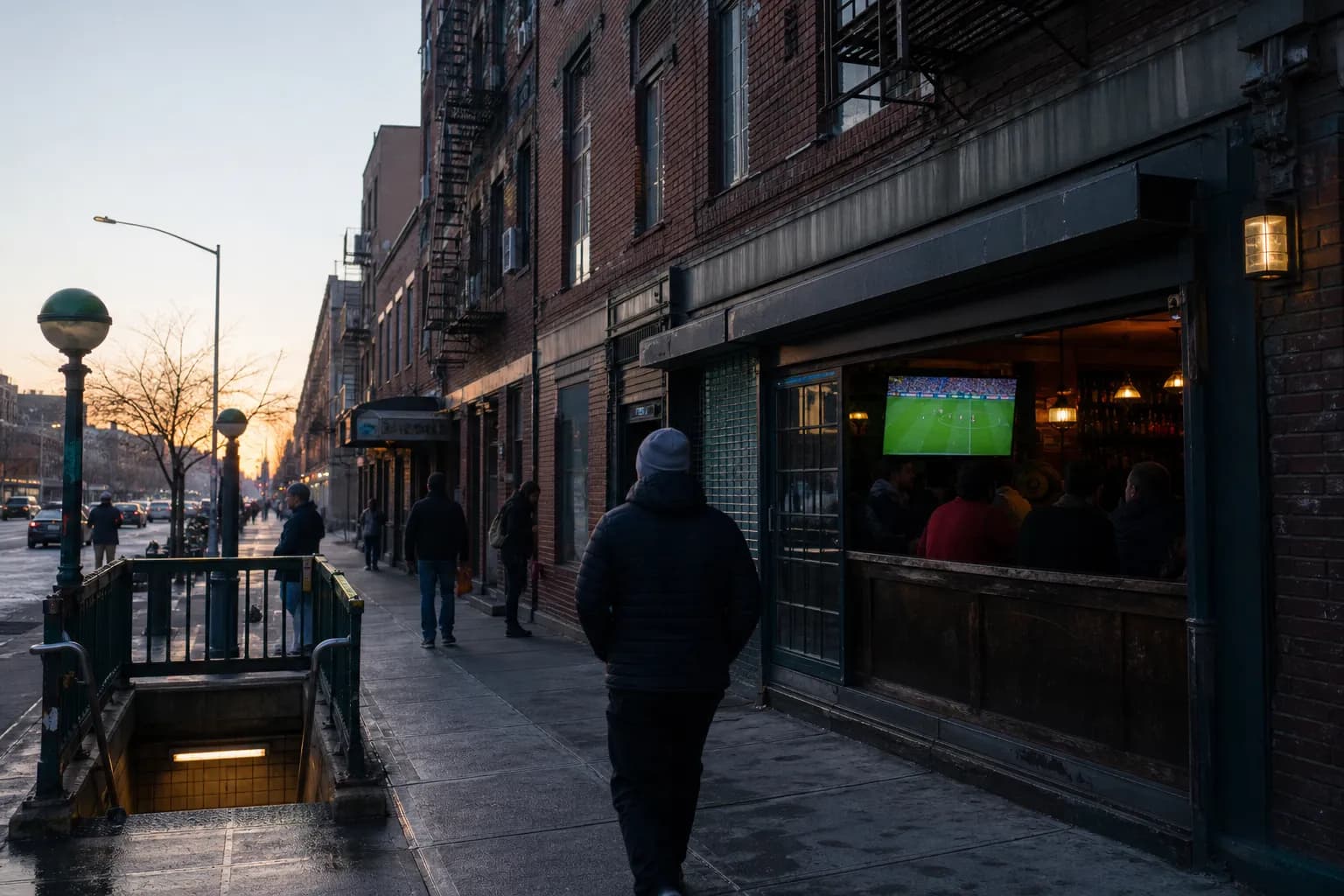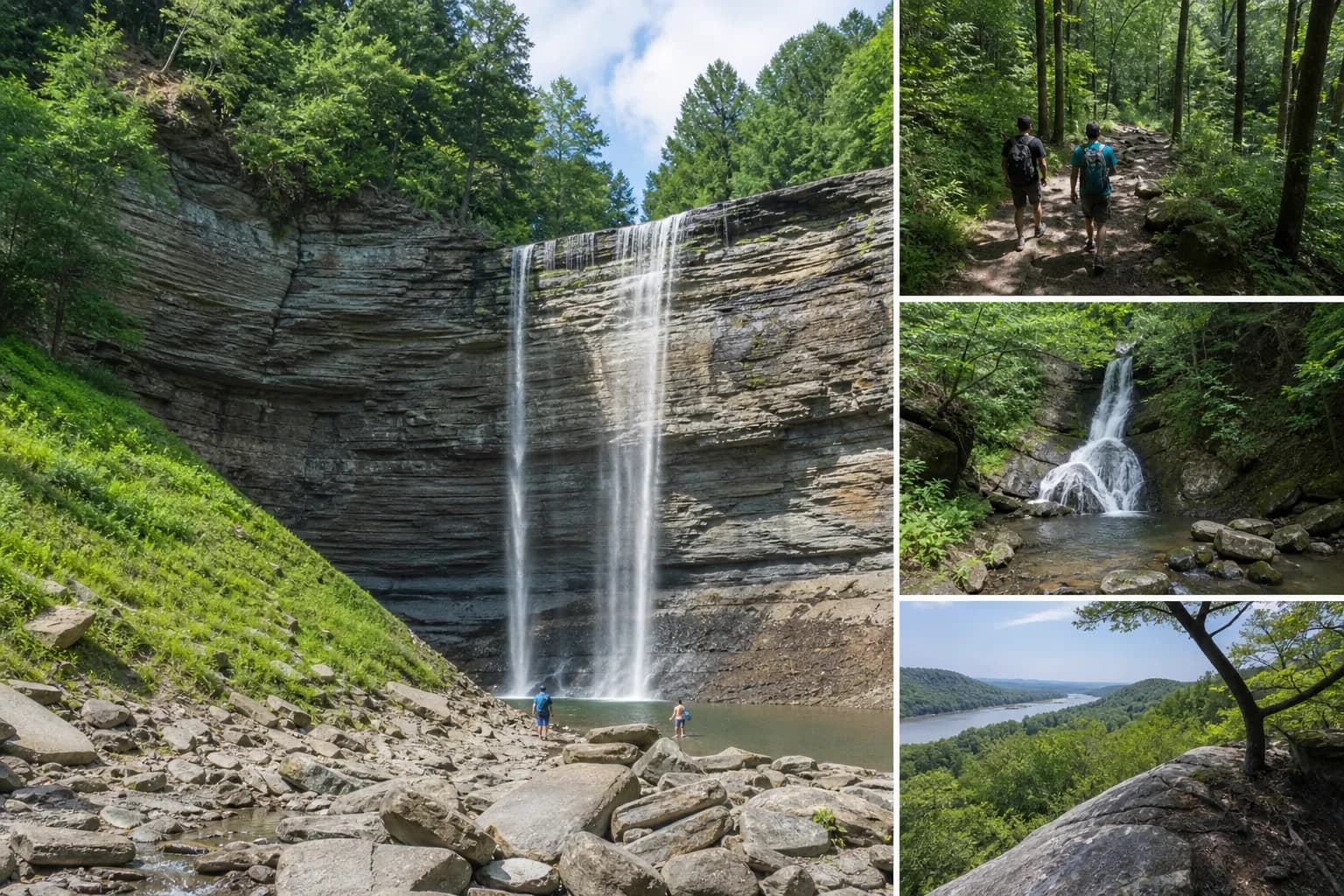
If you live in New York City, the strongest waterfall hikes are usually not in the five boroughs themselves. They are in the Hudson Valley and North Jersey, where you can trade subway density for real trail time without committing to an overnight. That matters because a "good" waterfall hike from NYC is not just about mileage. It is about the full trip: how long it takes to leave your neighborhood, how many transfers you need, whether the trailhead is easy to find, and how much daylight you have left when you arrive. The best options are the ones that still feel worth it after accounting for transit, walking from the station, and the return ride home.
Build your next NYC waterfall day with a route that still works when plans shift.
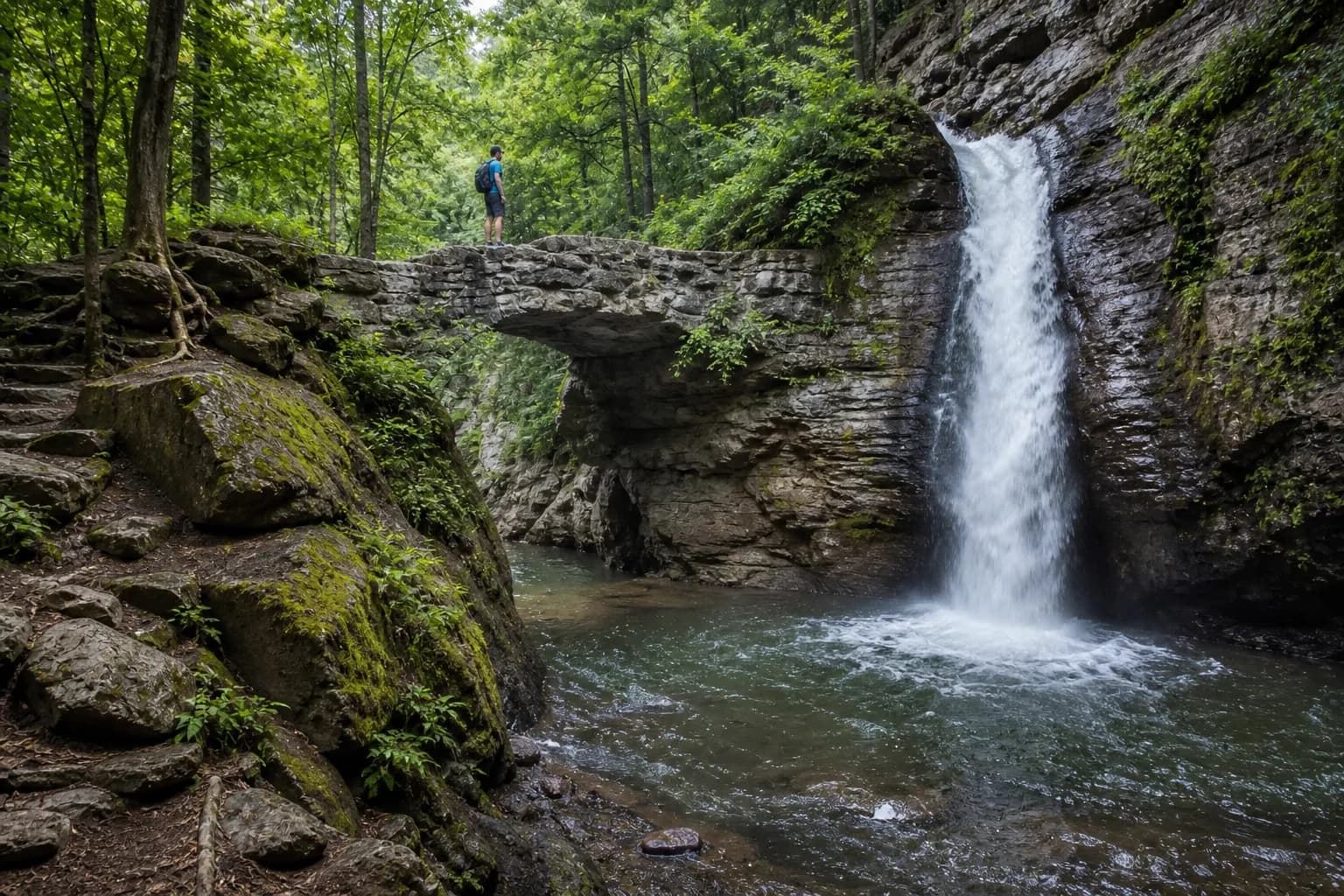
A simple way to think about it is in three buckets. First, there are big-fall, all-day trips that deserve an early start and clear weather. Second, there are moderate hikes that fit a half-day window and work well when you want nature without losing the whole day. Third, there are backup options that are less dramatic but still give you moving water, woods, and a change of scene when the weather or transit does not cooperate. Around NYC, a classic major destination such as Kaaterskill Falls fits the bigger bucket, while shorter regional hikes in places like Ramapo Valley or similar nearby trail systems can work as lower-friction alternatives. The right pick depends less on prestige and more on whether the route matches your starting neighborhood and your tolerance for uncertainty.
Timing that actually works in and around NYC
For waterfall hikes, timing changes the whole experience. Spring is often the most dramatic because snowmelt and rain keep the falls active, but that is also when muddy trails and slick rock become more likely. Early summer can still be strong if there has been recent rain, though some falls look thinner during dry stretches. Fall brings comfortable hiking weather and good foliage, but it also brings heavier trail use, especially on weekends. Winter can be beautiful if you are experienced and equipped, but ice around spray zones and shaded rock makes a casual waterfall plan a bad idea unless you are prepared to turn around. In every season, the safest rule is simple: check the weather and trail conditions the night before and again the morning you leave.
The best departure window from NYC is usually early, because daylight and transit both improve your odds. A first-thing departure gives you more time to absorb delays, find the trailhead, and finish before dark. That matters more than squeezing in a late start and rushing the return. Weekdays are easier than weekends, especially on routes that are popular with photographers and day hikers. If you have to go on a Saturday or Sunday, aim for the first practical train or bus and treat the trip as a one-purpose outing. The payoff is fewer crowds at the falls, calmer parking or station access, and a better chance of enjoying the hike without feeling pushed by the clock.
Neighborhood logic: choose the trail that fits where you start
NYC neighborhood logic should drive your waterfall choice. If you start in Manhattan, especially the West Side or Upper Manhattan, a northbound route is usually the cleanest option because it reduces cross-town friction and keeps you aligned with the main rail corridors out of the city. If you are in Brooklyn or Queens, do not overcomplicate the day with multiple transfer layers just because a trail looks great on a map. Pick a waterfall hike that can be reached with one straightforward connection or a simple ride to the right station or bus terminal. The goal is to protect your energy for the trail, not spend it changing lines.
That same logic helps you decide between "worth the trip" and "too much transit for too little hike." A bigger waterfall deep in the Hudson Valley can be right for someone leaving from Midtown and comfortable with a long day. A shorter, closer hike may be smarter if you are starting late, traveling with kids, or coming from a neighborhood where getting to the first transfer already takes time. If your group includes someone who does not want steep climbs or long walks between transit and trailhead, favor the most direct option available, even if it is less famous. In practice, the best waterfall hike is often the one that lets you arrive relaxed rather than already tired.
A simple route that keeps the day easy
The cleanest NYC waterfall day is usually the same shape every time. Leave early from your home neighborhood, take the most direct regional train or bus line you can find, and choose a trailhead that does not require guessing at the last mile. Once you arrive, follow a single main loop or out-and-back route to the falls, take a short rest, then leave with enough buffer to reverse the trip before dark. Do not build the day around chasing multiple viewpoints unless you already know the area well. A simple route is more reliable, easier to share with friends, and easier to cut short if the weather turns. That is especially useful in the shoulder seasons, when conditions can change between the first and last hour of your trip.
Always plan a backup that stays in the same travel corridor. If the main waterfall hike is crowded, muddy, or slower than expected, switch to a shorter trail in the same region rather than forcing a complicated reroute across the map. If the weather is worse than forecast, downgrade from a rocky waterfall climb to a gentler walk with a safer surface. If transit runs late, choose a nearer trail and skip the long approach. This is the part many NYC hikers miss: backup logic is not failure, it is how you protect the day. The goal is to come home with a good walk, a clear memory, and no stressful race against closing light or missed connections.
What to check live before you leave NYC
Before you go, check three live things: trail conditions, transit status, and weather. Search the park or trail name with terms like trail status, closure, flooding, mud, ice, and parking or access. If you are traveling by rail or bus, confirm that the service pattern still matches the route you planned, because a weekend schedule change can turn a smooth hike into a long detour. Also check whether the trailhead is the same as the map pin you saved, since some waterfall areas have more than one entrance or approach. If the route depends on a bridge, overlook, or stair section, make sure that piece is open before you commit to the trip.
Accessibility and safety deserve the same attention. Many waterfall hikes have uneven steps, loose rock, steep grades, wet roots, and spray zones that are slick even in dry weather. If anyone in your group has mobility concerns, limited time, or wants a calmer outing, choose a route with the least technical walking and the shortest road-to-trail distance. Bring layers, water, and footwear with traction. In colder months, be ready to turn around if the trail feels icy. The most practical rule for NYC is simple: if the forecast, transit, or trail status feels uncertain, choose the easier waterfall plan or save the big hike for a better day.
A simple plan before you go
- Search the trail name plus trail status, closure, mud, ice, and access before leaving.
- For NYC starts, favor the shortest transfer chain, not the most famous trail name.
- If weather or transit slips, switch to a shorter route in the same corridor.
- Waterfall trails can be slick; use traction-friendly shoes and keep a daylight buffer.

Tags: #sports_social #nyc
Sources consulted: Official city information · Google Maps · Karpo local search
All trademarks are the property of their respective owners.