Thirty dollars a head sounds like a joke in a city where a single cocktail can cost twenty-two. It is not, but the number only works if you stop looking for cheap restaurants and start looking for specific formats, because in New York the price of dinner is set far more by the structure of the meal than by the quality of the cooking. Six formats do the work. Learn them at the start of term and they will carry you through the year.
Thirty dollars goes twice as far in the right format. Ask Karpo which of these is nearest to you and roughly what a full meal there actually comes to.
The arithmetic first, because it decides everything
A thirty-dollar dinner in New York is usually about eighteen to twenty-two dollars of food, plus tax at just under nine per cent, plus a tip. That leaves very little room for a drink. So the single highest-leverage decision is not which restaurant — it is whether you are drinking, because one cocktail moves you from a thirty-dollar meal to a fifty-dollar one without changing anything on the plate.
The second-order effect is that formats which are cheap on drinks are disproportionately good value overall. That is why BYOB and tea-house formats appear on this list out of proportion to their number.
Format one: lunch, which is the same kitchen
This is the largest and most reliably ignored discount in New York dining. A very large number of serious restaurants run a lunch service at a substantially lower price than dinner — frequently a fixed two- or three-course menu — using the same kitchen, the same suppliers and often the same dishes. Restaurant Week formalises this twice a year, but the everyday version is available continuously and requires no scheme.
If your schedule has any flexibility at all, eating your main meal at midday is the most efficient move available. It also solves the reservation problem, since lunch demand at most restaurants is a fraction of dinner demand.
Format two: the counter
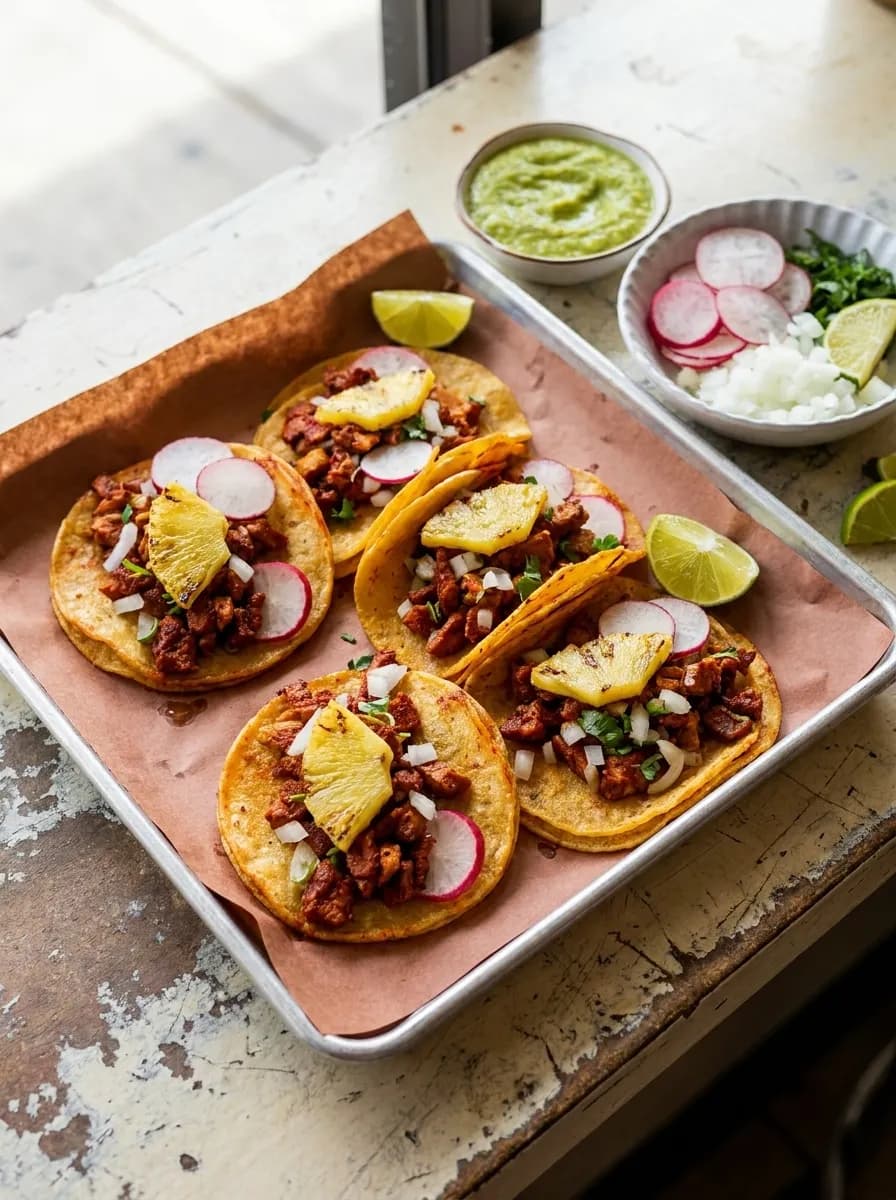
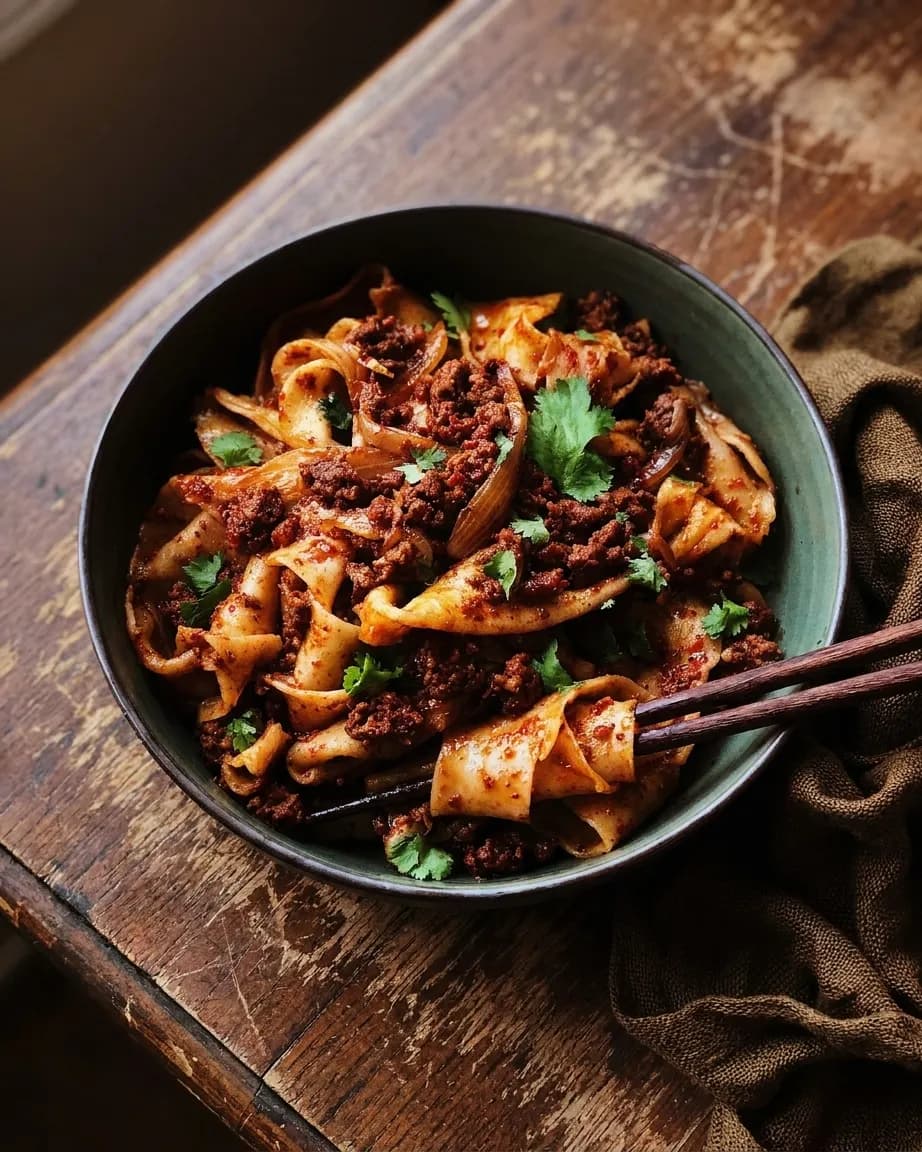
Noodle bars, sandwich counters, Japanese curry rooms, dosa counters, taquerias and any room where you sit at a bar rather than a table. Removing table service removes a meaningful share of the operating cost, and counters turn over fast enough that they can price low and still make the rent. Almost none of them take bookings, because they do not need to — the wait for one seat is short even when the wait for four is not.
Solo diners get the best of this format by a wide margin. A single seat opens up constantly; a four-top does not. If you are eating alone in New York and paying more than twenty dollars, you are probably in the wrong kind of room.

Format three: BYOB
A restaurant without a liquor licence, allowing you to bring your own bottle, is the most direct way to cut the drinks line to near zero. These cluster in specific neighbourhoods — heavily in parts of Queens, Brooklyn and the East Village — and are typically small, family-run and unbothered about it. Buy a bottle from a shop for what a single glass would cost in a licensed room.
Two things to check: whether there is a corkage fee, which some charge and some do not, and whether the restaurant is genuinely unlicensed rather than simply relaxed about it. Ask when you book or when you arrive; nobody minds the question.
Format four: the outer-borough version of the thing you wanted
Almost every cuisine that costs forty dollars a head in Manhattan costs twenty in Queens, Brooklyn or the Bronx, cooked by people from the place the food comes from, in a room with a lower rent. This is the single largest arbitrage in New York eating and the one students exploit fastest, because they are the ones with a transit pass and time. Jackson Heights, Sunset Park, Flushing, Bay Ridge, Elmhurst, Belmont — every one of them is a full evening for under thirty dollars including the fare.
Format five: the prix fixe you did not know about
A number of long-established New York restaurants, particularly older French, Italian and Ukrainian rooms, run a permanent fixed-price menu that has survived from an earlier era of the city and is frequently not the thing they advertise. It is usually printed on a separate card and offered if you ask. Asking is the whole trick: is there a prix fixe tonight, said pleasantly, costs nothing and occasionally halves the bill.
Format six: the second meal
Split one substantial dish and one side between two people, then get something else somewhere else an hour later. This sounds like a compromise and is in fact how a lot of the city eats. Two twelve-dollar stops in different rooms is more interesting than one twenty-four-dollar plate, and it is the fastest way to learn a neighbourhood, because you double the number of places you have been for the same money.
The habit that makes this last a whole term
Pick a home format and a home neighbourhood rather than trying to eat everywhere. Being a regular somewhere cheap is worth more than sampling forty places once: you get the off-menu items, the seat at the counter and the honest recommendation about what is good tonight. That is not a budget compromise. It is how people who have lived here twenty years eat, and it is the reason they eat better than the people spending twice as much.
Tags: #BestRestaurantsNearMe #CheapEatsNYC #Under30 #BackToSchool #BYOB #NoReservation #LunchSpecial #PrixFixe #NewYorkCity #StudentBudget #Queens #Brooklyn #CounterDining #NYCFood
All trademarks are the property of their respective owners.
Ask Karpo first
Want dinner tonight that lands under thirty? Ask Karpo which of these formats is nearest to you, which places are walk-in right now, and whether any of them are BYOB so you can bring the bottle yourself.