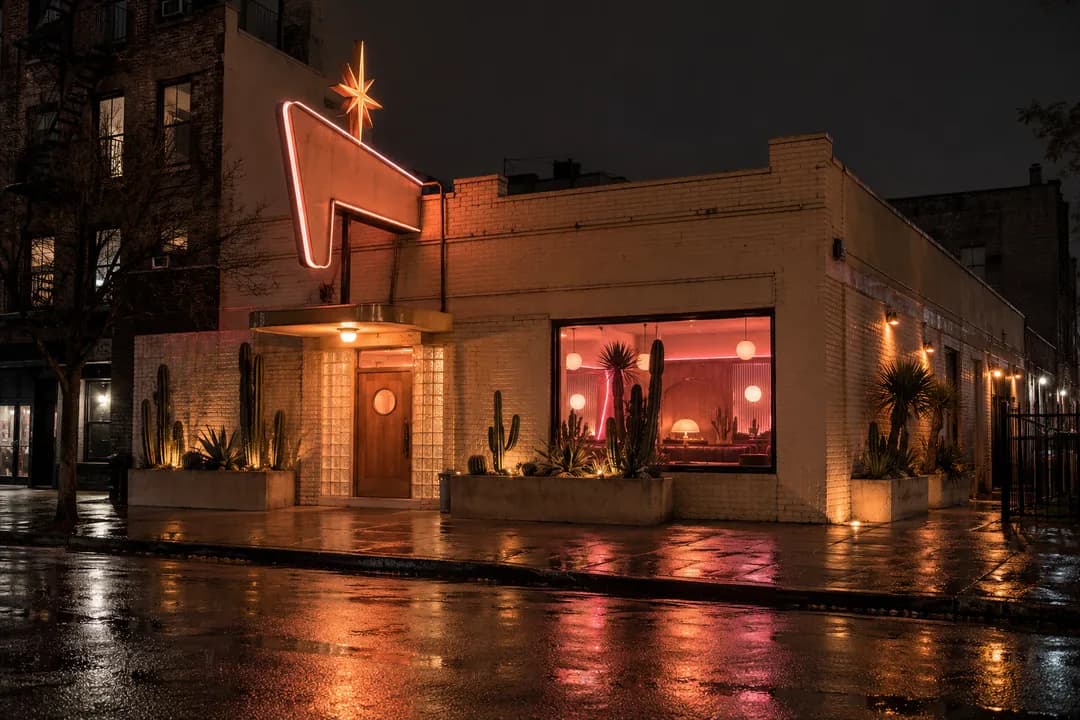
 Desert 5 Spot Country Bar, Brooklyn: Wednesday Line Dancing
Bars & Nights Out
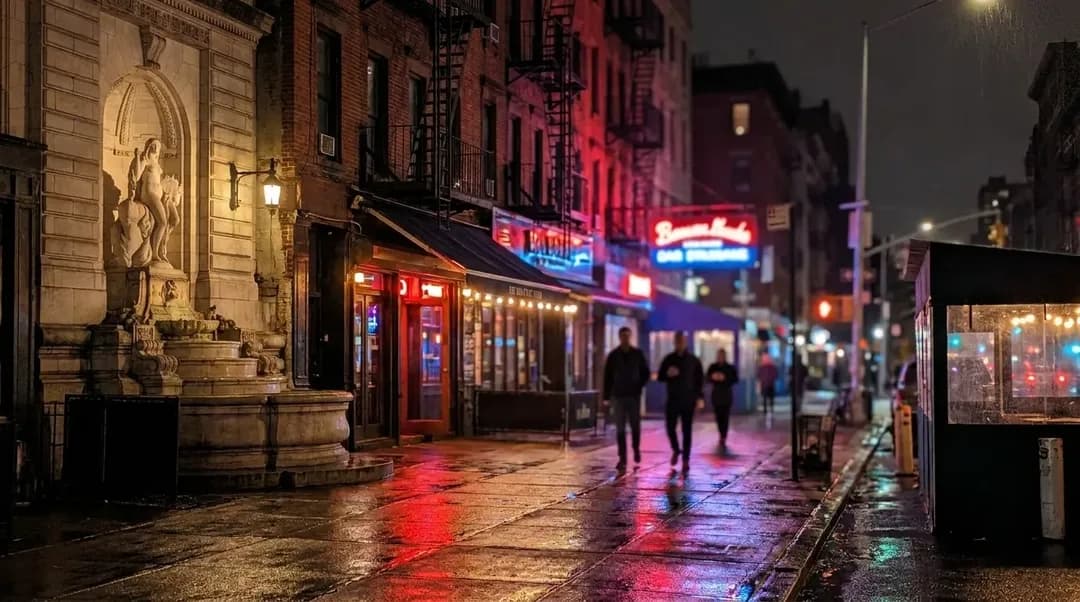
Best Bars in the East Village: A Crawl-Ready Shortlist
The East Village packs decades of bar history into blocks that change character after dark—here's how to crawl them without losing momentum.
The phrase shows up in search bars around 4 p.m. on Fridays, when someone realizes they agreed to meet six people in the East Village and has no actual plan. A crawl sounds spontaneous, but the neighborhood's grid of narrow rooms and century-old dive institutions makes winging it a gamble. You can walk Seventh Street end to end in eight minutes, but half the bars seat twenty people, and by 9 p.m. the good ones have a cluster of smokers blocking the door. The search intent behind bars nyc crawl isn't about discovering hidden speakeasies—it's about stringing together three or four solid stops without backtracking or standing in someone's armpit for forty minutes.
Text Karpo before you head out and it'll map your crawl in real time, flag which spots are slammed, and build a backup route if a bar closes early or the wait spills onto the sidewalk.
Why Everyone Searches 'Bars NYC Crawl' and Lands Here
The East Village has more bars per block than almost anywhere in Manhattan, but that density creates its own friction. Spots fill fast, bathrooms are single-occupancy, and the cash-only rule still applies in enough places that you'll want to hit an ATM on Second Avenue before you commit to the crawl. The neighborhood's bar culture runs deep—some of these rooms have been pouring drinks since the 1950s—but that history also means small footprints, steep staircases, and nowhere to check a coat. If you're coming from Harlem or anywhere above 59th Street, budget forty minutes on the 2 or 3 to get down here, and know that late-night service changes can add fifteen minutes to your ride home after midnight.
The Four-Block Zone That Does the Heavy Lifting
Most crawl-ready bars cluster between Avenue A and Second Avenue, from about Fifth Street to Tenth. This rectangle gives you enough density to move quickly but enough variety that the third stop doesn't feel like the first. Start on the west side of that zone—closer to Second Avenue—and work east. That trajectory keeps you moving toward the slightly scruffier, slightly cheaper blocks, which matters when you're three drinks in and don't want to decode a cocktail menu written in cursive. The subway access is better on the west edge, too: the L at First Avenue and the 6 at Astor Place both drop you within a few blocks of Second Avenue, and you can walk the whole crawl without crossing a major avenue.
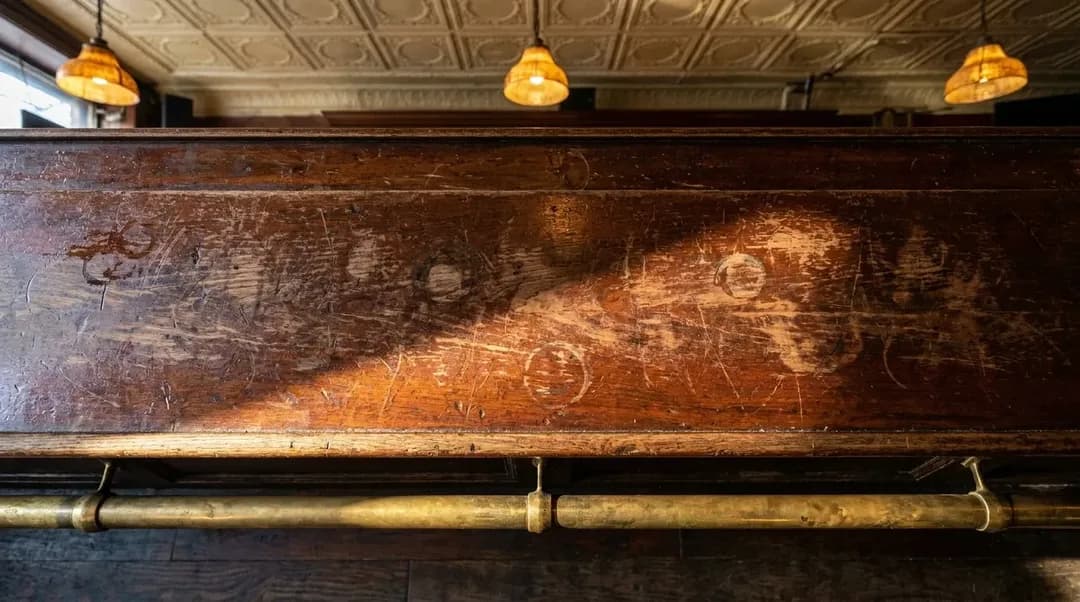
The Avenue A stretch has the highest bar density, but it also has the most tourists and the loudest sidewalk energy after 10 p.m. If your group skews toward conversation over spectacle, keep at least one stop between Second and First—those blocks hold some of the neighborhood's oldest bars, the ones with tin ceilings and bartenders who've worked the same rail for a decade. Seventh Street between First and A is a reliable corridor: you'll pass four or five solid options in two blocks, most with a back room or a second seating area that opens up if the front fills. Ninth Street has a similar rhythm but skews slightly younger and louder. If you're aiming for a crawl that feels ready and tight, stick to Seventh or Eighth—less wandering, fewer dead stretches where you're just walking past dry cleaners.
The Window Between Arrival and Chaos
Timing a crawl in the East Village is the whole trick. Arrive before 7 p.m. and you'll find empty stools and bartenders willing to chat; show up at 10 and you're fighting for real estate in every room. The sweet spot is around 7:30 or 8—early enough that you can claim a corner, late enough that the energy has picked up. Most bars here don't take reservations, and the ones that do are cocktail spots with velvet banquettes, not crawl material. You want walk-in momentum, the ability to bail if a place feels wrong and slide into the next option two minutes later.
The crawl should move every sixty to seventy-five minutes. Stay longer than that and you lose the thread; move faster and you're just checking off stops. One drink per bar is the standard rhythm, maybe two if the first spot is dead and you want to give it a chance to fill. Keep an eye on the crowd composition: if you're the only group under forty or over thirty, the vibe probably won't shift in your favor. Weekend nights see the heaviest traffic, especially Friday and Saturday after 9. Thursday has become almost as busy, particularly in summer when people stretch the weekend. Monday and Tuesday are the quietest, and some of the smaller bars close entirely or cut their hours—confirm on the venue's own page or social feed before you commit to a Monday crawl.
Late-night subway service on the L can slow down after midnight, especially on weekends when they run maintenance. If you're heading back uptown or to Brooklyn, check the MTA's service alerts before you leave your last stop. The 6 train is usually more reliable for a northbound ride, but the walk from Avenue A to Astor Place is ten minutes, and that stretch of Eighth Street gets loud and crowded after 11. Factor in transfer time if you're catching the 4, 5, or N/Q/R at Union Square—those connections look close on the map but involve long underground corridors and staircases.
A Slower, Steadier Route on the Edges
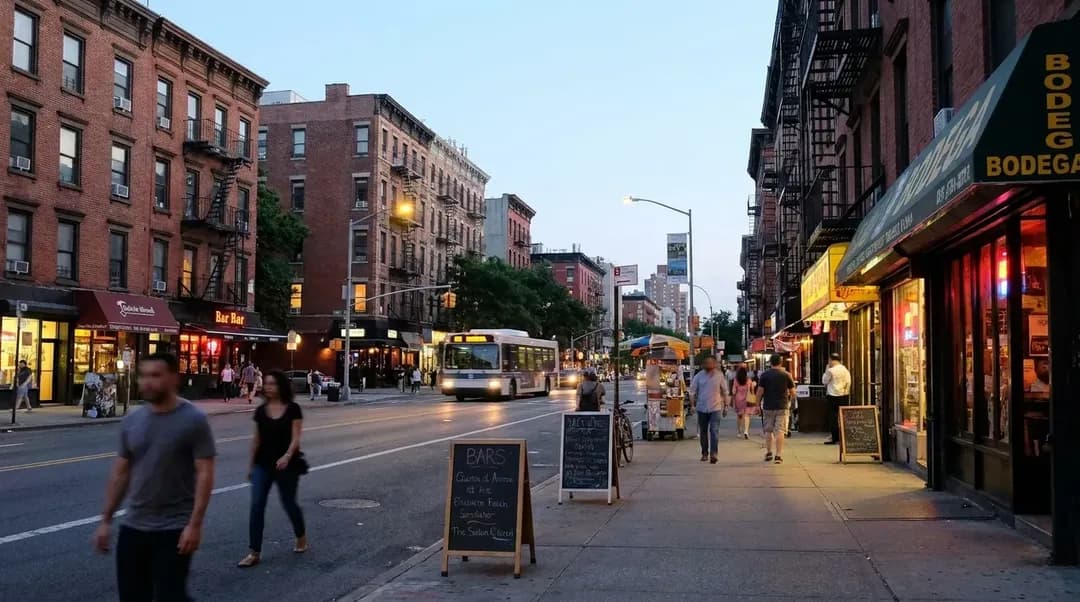
If the core crawl zone feels too packed or too predictable, the blocks south of Houston and west of Second Avenue offer a quieter alternative. This area—technically still East Village, though some people call it NoHo or Bowery depending on the block—has fewer bars but more space inside each one. The rooms are taller, the crowds skew a bit older, and you're less likely to wait for a drink. The trade-off is that you'll walk farther between stops, sometimes four or five blocks instead of one, and the neighborhood loses some of that scruffy, stacked-tight energy that defines the Avenue A crawl.
Houston Street itself is a dividing line: south of it, the bars tend toward wine lists and small-batch vermouth, while north of it you're back in beer-and-a-shot territory. If you want a hybrid crawl that mixes both styles, start north of Houston for the first two stops, then cross the street and finish with something slower-paced. The Bowery has a handful of long-standing spots with good bones—exposed brick, tin ceilings, booths that seat four—and they rarely fill to capacity on weeknights. You'll sacrifice some spontaneity, but you'll gain the ability to hear your own conversation and leave without elbowing through a scrum.
What to Check Before You Leave the House
Most East Village bars don't post their hours reliably online, and the smaller ones sometimes close early if it's dead or stay open late if it's busy. The bars nyc ready shortlist you're imagining needs real-time confirmation, especially on Sundays and Mondays when schedules shift. Check each venue's Instagram or website the day of your crawl—if they haven't posted in three months, call. Some of the oldest spots still list a phone number on a piece of tape above the register, and a thirty-second call will tell you if they're open and whether there's a private event blocking the back room.
Cash-only policies are less common than they used to be, but enough bars still enforce them that you should assume you'll need bills. ATMs are plentiful on Second Avenue and First, though the ones inside bodegas often charge higher fees. If someone in your group has mobility concerns, know that many of these bars have staircases to the bathroom or seating areas that aren't accessible—ask when you walk in, and be i ready to move to the next spot if it won't work. Weather doesn't usually kill a crawl, but summer humidity makes the small rooms swampy, and winter means coat piles on every available chair. If it's raining, bring a bag you can stash under a barstool; there's rarely a coat check.
The crawl should end with a plan for getting home safely. If you're drinking, budget for a rideshare or confirm the subway route before your last stop—late-night trains can be infrequent, and the walk to the nearest station feels longer after four bars. Designate someone to track time and keep the group moving; crawls stall when one person wants to stay and another is ready to bail. The whole format depends on momentum, and the East Village rewards groups that know when to move.
Practical notes
- Most bars don't take reservations; plan to arrive by 7:30 or 8 p.m. to avoid long waits.
- Cash-only policies still common—hit an ATM on Second Avenue before you start.
- Late-night L train service can slow after midnight; check MTA alerts for your route home.
- Single-occupancy bathrooms and narrow staircases are standard; ask about accessibility when you arrive.
- Pace yourself: one drink per bar, and arrange a safe ride home or confirm your subway route before your last stop.
- Confirm hours day-of on each venue's Instagram or website—schedules shift on Sundays and Mondays.
Tags: #karpo #eastvillage #nycbars #barcrawl #nycnightlife #manhattanbars #barsandnightsout #eastvillagebars #nycdrinks #localbars #nycnights #barcrawlnyc #downtownnyc #villagebars #nycgoing
Sources consulted: MTA Service Status · East Village Visitor Guide
Please drink responsibly. Must be of legal drinking age.
All trademarks are the property of their respective owners.
Ask Karpo first
Text Karpo when you're fifteen minutes out and ask which East Village bars are open right now and whether any have waits. It'll map a live crawl route from your starting point, flag subway service changes that could slow your ride home, and suggest a backup bar if your first choice is slammed or closed early.
Ask Karpo for more information.
Keep reading
- Desert 5 Spot Country Bar, Brooklyn: Wednesday Line Dancing
 Hill Country Boot Bar: Flatiron Country Bar With a New Stage
 Skinny Dennis Country Bar in Williamsburg: Bands Every Night