Back-to-school shopping in NYC can turn into three tabs, two train transfers, and one group chat that never chooses a plan. This guide keeps the errand small: pick one neighborhood, handle the supplies that matter, build in a reset stop, and leave with a backup if the first store is crowded or sold out.
The trend basis is this week's Google Trends package, where retail searches around Target, office supplies, Best Buy, IKEA, and lunch boxes showed back-to-school intent. The useful Karpo angle is not another shopping list. It is a city route that helps you avoid the mall spiral.
Ask Karpo before you leave. We can turn your budget, neighborhood, school schedule, transit line, and must-buy list into a tighter route with one coffee stop and one fallback.

Start With The Deadline, Not The Store
The cleanest version of this errand begins with the date that actually matters. For the 2026-2027 school year, NYC Public Schools lists the first day of school as Thursday, September 10, 2026. That gives you enough time to split the job into one practical run now and one lighter refresh after teachers share final requirements.
Do not buy for an imaginary semester. Write down the items you know you need today: a notebook system, writing tools, lunch gear, a charger, a transit-ready bag, and anything that fixes your room or desk. Leave uncertain teacher-specific supplies for the second pass.
Choose One Neighborhood Container
Williamsburg works for this style of errand because it can absorb a mixed plan: basic supplies, a coffee reset, a small home or desk upgrade, and a subway ride home without turning the day into a full retail commute. The same logic works in Downtown Brooklyn, Union Square, Long Island City, or the Upper West Side.
The rule is simple: choose the neighborhood before choosing every stop. If the route requires you to cross boroughs for one sale item, the sale probably is not saving you anything once you count time, fares, and decision fatigue.
Make The List Boring On Purpose
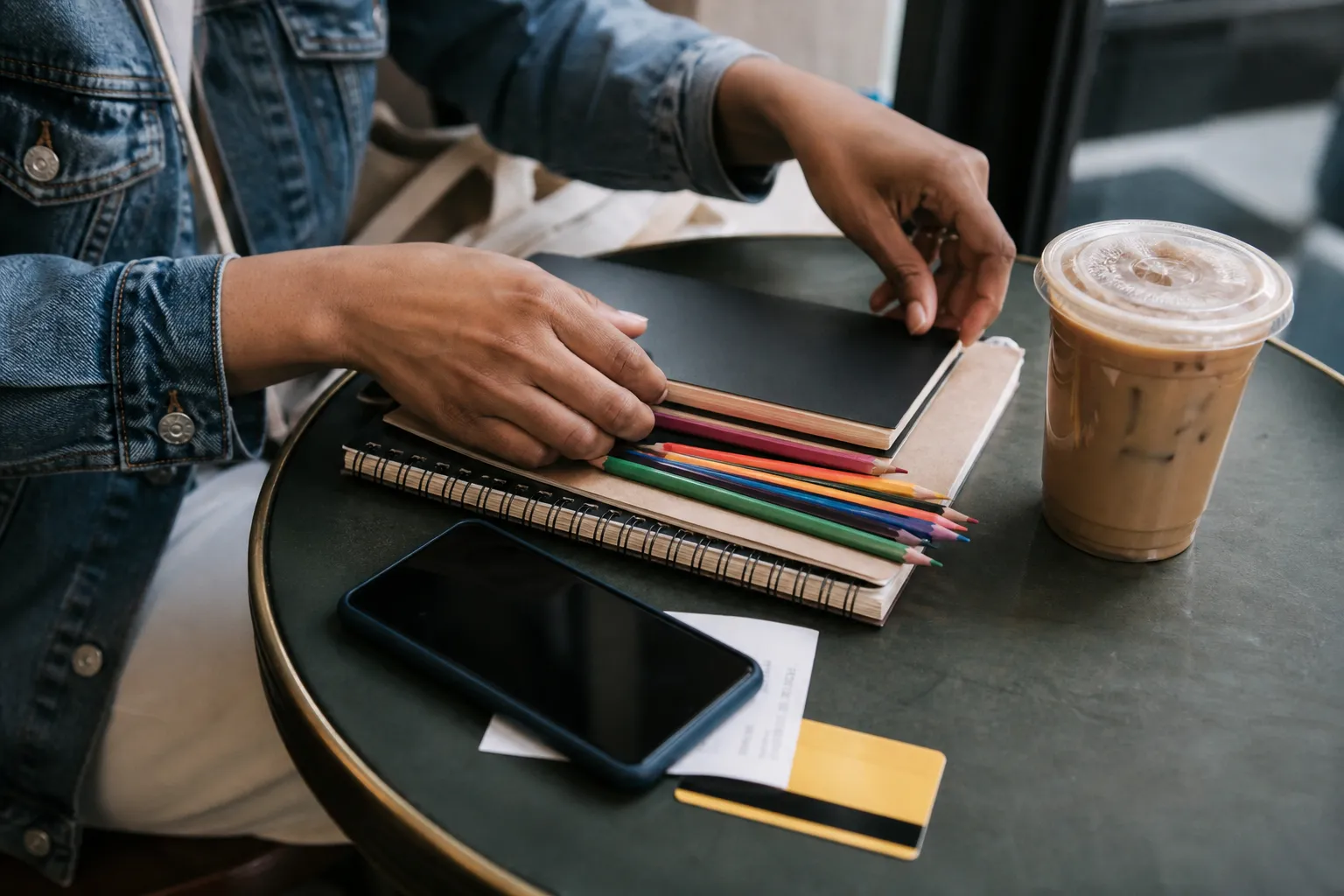
A good back-to-school list is not aspirational. It is boring enough to finish. Sort it into five lanes: paper, writing, tech, lunch, and room setup. If an item does not fit one of those lanes, ask whether it solves a real problem or just looks like a fresh-start purchase.
- Paper: one reliable notebook or binder system, plus folders if you actually use them.
- Writing: pens, pencils, highlighters, erasers, and one backup pack for the bag.
- Tech: charger, cable, adapter, headphones, batteries, or a small power bank if allowed.
- Lunch: container, bottle, snack pouch, napkins, and a cleaning routine you will keep.
- Room setup: lamp, hooks, bins, extension cord, laundry bag, or one desk surface fix.
This is also where the budget gets real. NYC's Department of Consumer and Worker Protection tells shoppers to compare prices, check receipts, and understand return policies. That advice matters most when you are buying many small items that feel cheap one by one.
Put Transit In The Plan Early
Back-to-school errands are heavier than they look. Before you leave, check the MTA route and decide whether you are carrying everything by subway, splitting the trip with a bus, or saving heavier room items for delivery or pickup. A route with fewer transfers can beat a route with a slightly cheaper item.
Families should also check school transportation and student travel rules before the first week. MTA and NYC school transportation pages are the safer places to confirm current student transit details than a social post or old forum thread.

Add A Reset Stop Before Everyone Gets Sharp
The coffee stop is not decoration. It is the place where you empty the tote, check the receipt, compare the list, and decide whether the second stop is still worth it. For adults, it prevents the classic mistake of buying room upgrades after you are already tired. For students, it gives the day a pause before the next store.
Choose the reset stop for seating and quiet, not for trend value. A plain table, water, a bathroom, and ten minutes of review are more useful than the most photogenic drink in the neighborhood.
Keep One Backup That Solves The Same Problem
A backup only works if it solves the same need. If the main supply stop is too crowded, the fallback should also cover paper and writing basics. If the tech item is sold out, the fallback should handle cables or adapters, not just be nearby. If the lunch box search fails, the backup can be a grocery or kitchen shop with plain containers.
That small distinction keeps the day from restarting. You are not saving random places. You are saving ways to finish the same task with less friction.
Use The Second Pass For Specifics
The first run should cover universal needs. The second pass can happen after syllabi, teacher notes, dorm rules, office schedules, or activity lists become clearer. That is when you buy the exact calculator, art material, uniform detail, or specialty item instead of guessing.
For college students and young adults, the same two-pass method works for apartments and desks. Get the essentials first. Wait on decorative storage, extra gadgets, and anything that depends on the room's real light, outlets, noise, or shared-space rules.
Practical Notes
- Best use: one 90-minute neighborhood errand, not a full-day shopping crawl.
- Route frame: one supply stop, one reset stop, one backup, then home.
- Before leaving: check official hours, return policies, MTA status, and whether heavy items are better delivered.
- Budget guardrail: set a total number before entering the first store and keep receipts easy to find.
- Good for: students, parents, interns, roommates, and adults rebuilding a desk routine for fall.
FAQ
When should I start back-to-school errands in NYC?
Start with essentials at least one or two weeks before the first school day, then save teacher-specific or room-specific items for a second pass. For 2026-2027, NYC Public Schools lists Thursday, September 10, 2026 as the first day of school.
What should I buy first?
Buy the items that remove daily friction: paper, writing tools, charger or cable needs, lunch gear, and one bag or desk fix. Delay anything decorative or uncertain until you know the real requirement.
How do I avoid overspending?
Compare prices before leaving, set a total budget, check receipts before leaving the store, and understand return policies. NYC consumer guidance is useful here because many back-to-school purchases are small but add up quickly.
Tags: #NYC #BackToSchool #Williamsburg #Brooklyn #SchoolSupplies #StudentLife #ErrandRoute #CoffeeBreak #MTA #BudgetShopping #CityPlanning #KarpoGuide
Sources consulted: NYC Public Schools calendar · NYC 311 school information · NYC Department of Consumer and Worker Protection · MTA · Google Trends source pack trends-20260809T190317490160Z-c1c76576e1
All trademarks are the property of their respective owners.
Ask Karpo First
Need this route tuned to your school, office, dorm, budget, or subway line? Ask Karpo for a live NYC back-to-school errand plan before you go.