 Chelsea Comic Shop Crawl Planner: Set Up a Weekly Pull List
Hidden Gems & Odd Finds
LIC Artisan Pottery Gallery: Saturday Studio Route in Queens
Follow an LIC artisan pottery gallery route past Jackson Avenue and 44th Drive on Saturday. Find wood-fired ceramic works and sculptural terracotta pots.
Overlooking the East River across from Midtown Manhattan, Long Island City has evolved into New York's powerhouse for expansive, industrial-scale ceramic production and contemporary pottery exhibitions. Exploring an artisan pottery gallery in Long Island City immerses visitors in grand converted factory spaces and sprawling warehouse ateliers where clay artists work on an inspiring physical scale. Concentrated around Jackson Avenue, 44th Drive, and Court Square, these Queens studios feature expansive gallery showrooms, soaring natural light, and dramatic collections of wood-fired stoneware, sculptural terracotta planters, and bespoke ceramic tile installations.
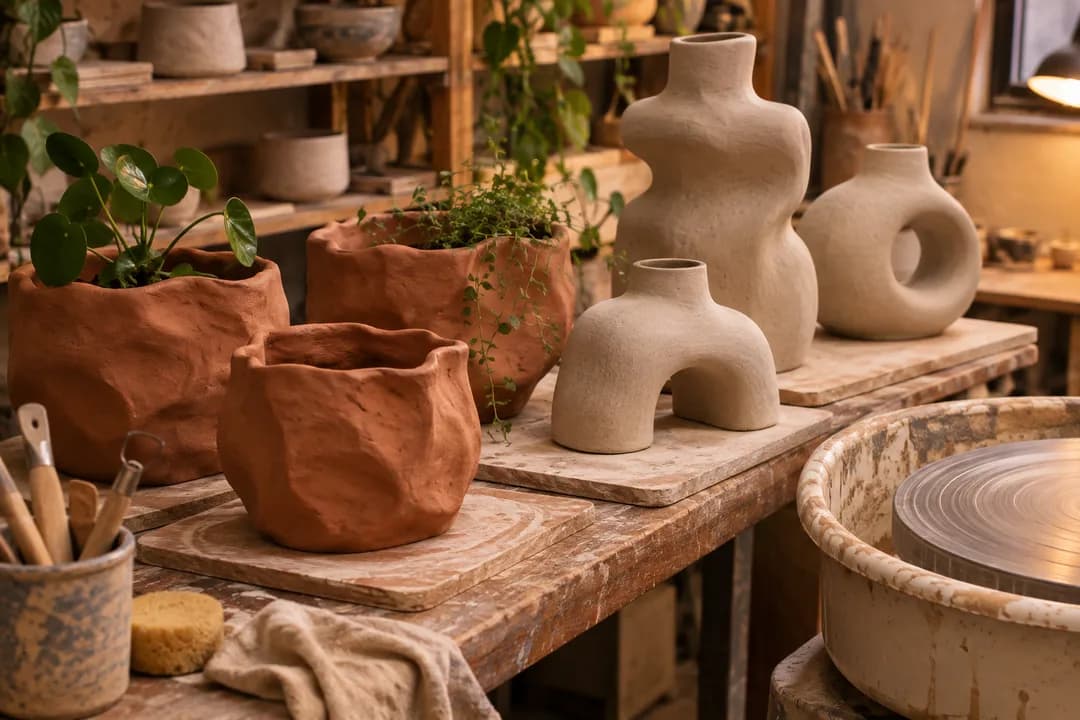
Expansive Industrial Studios In Queens
The defining advantage of Long Island City's ceramic community is physical space. In former industrial warehouses that once housed bakeries, metal stamping plants, and auto repair shops, ceramic arts organizations operate multi-thousand-square-foot facilities equipped with heavy-duty pug mills, clay reclaim stations, gas reduction kilns, and spacious exhibition galleries. High ceilings and oversized freight elevators allow artists to fabricate, fire, and display ambitious multi-piece installations that would be impossible to accommodate in Manhattan.
Visitors entering these Queens spaces experience an invigorating balance of raw workshop energy and polished gallery presentation. Wide gallery rooms showcase finished collections against whitewashed brick walls, while large industrial glass partitions provide clear views into active clay preparation areas and glaze-mixing labs. This transparent studio architecture demystifies the complex alchemy of ceramic making, offering visitors a profound appreciation for the extensive technical labor behind every finished pot.
The scale of these facilities supports specialized collective firings where potters share the immense labor of running twenty-four-hour gas reduction firings. Witnessing these massive kilns loaded with hundreds of bisqued pots waiting for their high-fire transformation illustrates the collaborative camaraderie that sustains Queens' thriving ceramic craft community.
Terracotta, Sgraffito Carving, And Hand-Built Planters
A signature strength of Long Island City pottery ateliers is the production of architectural terracotta and artisanal botanical ware. Recognizing the citywide demand for indoor gardening, local potters craft substantial hand-built planters, fluted pedestal urns, and hanging ceramic vessels using iron-rich terracotta and grogged red stoneware clays. The porous nature of unglazed terracotta provides natural aeration and moisture regulation, making it ideal for thriving houseplants.
Surface decoration on these Queens vessels frequently highlights sgraffito and mishima techniques. Potters paint dark slip over contrasting pale clay bodies, then carefully carve away fine linear patterns with miniature loop tools to expose the underlying clay color. Abstract botanical motifs, geometric line work, and textural fluting lend these functional planters an enduring architectural presence that complements modern residential spaces.
Wood-firing techniques also find a home in Queens. When fine wood ash settles on bare clay bodies during high-heat kiln drafts, it melts into an organic natural glaze. These unrepeatable ash flashings range from golden ambers to deep olive greens, creating subtle, earthy finishes that require no commercial chemical glazes whatsoever.
Visiting Working Kiln Studios With Care
Because Long Island City facilities are bustling professional manufacturing and educational centers, safety and mindful studio etiquette are paramount. Respect boundary markings around active kiln firing zones where industrial exhausts and exterior kiln jackets operate at elevated temperatures. Always refrain from touching pieces resting on studio cart racks labeled 'awaiting glaze' or 'firing prep', and consult gallery attendants before handling showroom display vessels.
When selecting planters or outdoor ceramics for home use, check critical functional details. Ensure garden planters include adequate drainage holes and inspect the underside for level foot pads that allow water to drain freely without pooling. Skip thinly cast decorative planters lacking frost resistance if you plan to keep them on open balconies through cold New York winters; instead, select heavy-walled, high-fired stoneware capable of withstanding freezing temperature cycles.
Consider the practical logistics of transporting substantial terracotta pieces home. Large architectural planters can weigh thirty to fifty pounds, requiring sturdy double-boxed packaging and protective foam corners. Studio staff frequently assist with packing materials or arranging local courier delivery across the five boroughs, allowing you to acquire statement ceramic vessels without struggling on the subway platforms.
Gantry Plaza Waterfront Vistas And Skyline Views
Following an inspiring afternoon of ceramic exploration, take an unhurried walking tour to the Long Island City waterfront. Walk west along 48th Avenue or 44th Drive toward Gantry Plaza State Park, where beautifully restored industrial gantry cranes stand as monuments to the neighborhood's maritime history. Stroll along sweeping wooden piers that jut into the East River, enjoying unobstructed views of the United Nations headquarters, the Chrysler Building, and the Midtown Manhattan skyline.
Relax on curved waterside chaise lounges or stroll through manicured coastal willow gardens at Hunters Point South Park. Stop by a local craft roaster near Jackson Avenue for a cold brew coffee, letting the fresh maritime breeze and dramatic city vistas complement your creative exploration of New York's dynamic pottery landscape. Community ceramic sales frequently coincide with weekend flea markets in the surrounding Hunters Point blocks, creating opportunities to chat with resident potters about their clay preparation recipes and kiln cooling cycles over an iced latte.
The waterfront boardwalk provides an ideal open-air environment to decompress after intensive gallery viewing. Watching ferries glide across the river while sunset illuminates the mirrored glass towers of Manhattan creates a memorable conclusion to a day devoted to tactile artistry and urban exploration.
Queens Transit Connections And Saturday Itineraries
Long Island City is remarkably accessible, located just one subway stop east of Grand Central Terminal. Ride the 7 train to the Vernon Boulevard–Jackson Avenue station, or take the G, E, or M train to the Court Square hub, paying the $3.00 transit fare via contactless OMNY. Both stations emerge directly into the neighborhood's bustling arts and dining corridor.
Saturdays between 11:00 AM and 4:00 PM provide the premier visiting window, aligning gallery hours with neighborhood farmers' markets and waterfront leisure. Many visitors pair their studio explorations with a visit to nearby MoMA PS1 or the SculptureCenter along Purves Street, transforming an afternoon craft tour into a rich survey of modern three-dimensional art. To discover studio gallery listings, chart walking routes past industrial landmarks, and bookmark standout ceramic spaces across Queens, rely on Karpo APP to organize your weekend cultural itinerary smoothly.
Ask Karpo for more information.
Keep reading
- Chelsea Comic Shop Crawl Planner: Set Up a Weekly Pull List
 East Village Comic Shop Crawl Planner for Zine Makers
 Harlem Comic Shop Crawl Planner: Start a Black Comics Shelf