 Chelsea Consignment Shop Crawl Planner for Your First Studio
Hidden Gems & Odd Finds
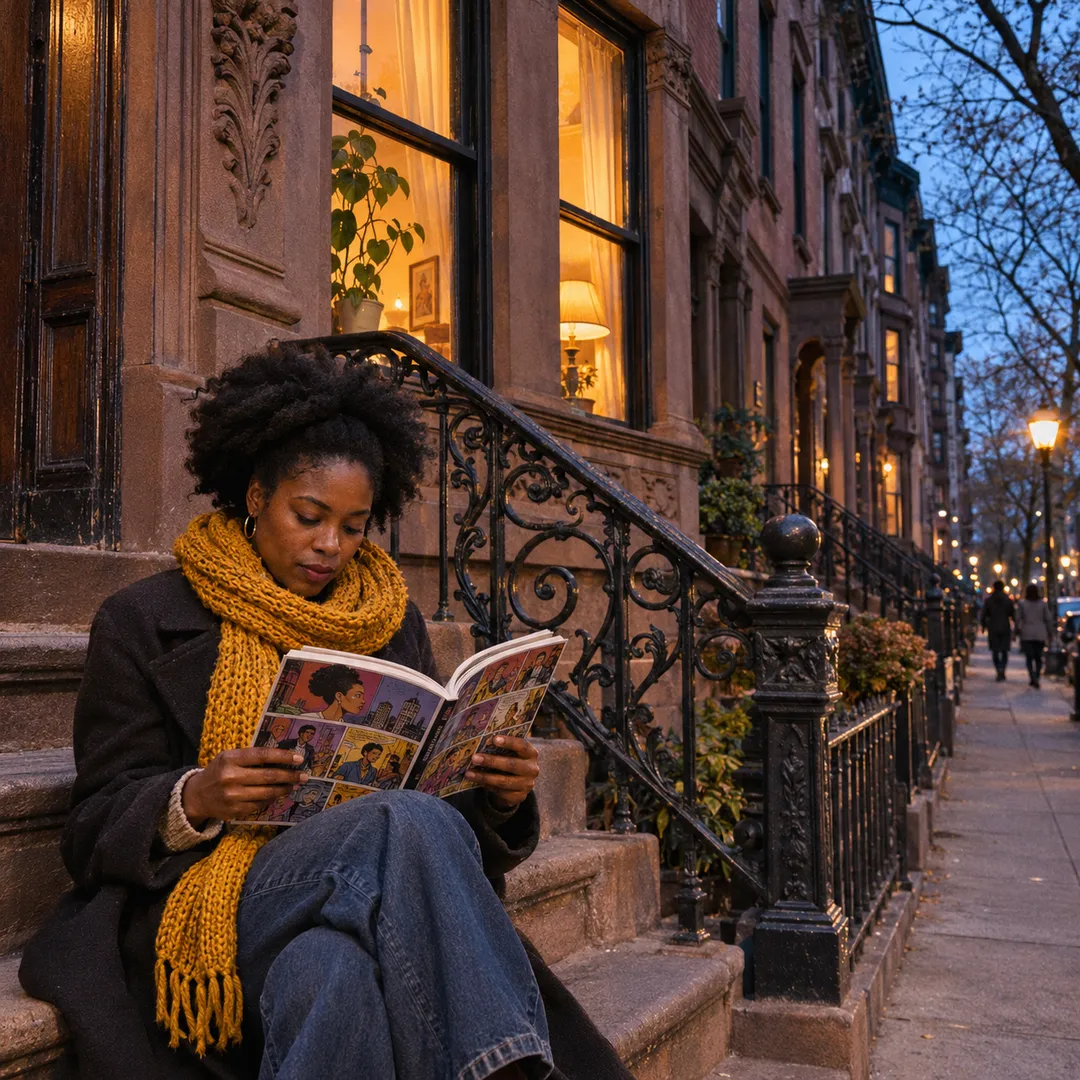
Harlem Comic Shop Crawl Planner: Start a Black Comics Shelf
A Harlem comic shop crawl planner for readers building a shelf of Black creators: what to ask for, how to find indie work, and where to read near the Schomburg.
Harlem has been telling its own stories in print for more than a hundred years, from the poets and novelists of the Harlem Renaissance to the indie creators who sell self-published comics at local fairs today. That makes it a meaningful base for a comic shop crawl planner with a clear mission: building a home shelf of comics and graphic novels made by Black writers and artists. This plan helps you find them, ask the right questions and read them where the neighbourhood's literary history is all around you.
Why Harlem Is the Place to Start This Shelf
A Black comics shelf can be built anywhere, but Harlem adds context that a mall bookstore never will. The neighbourhood was the centre of a cultural movement that put Black writers, illustrators and publishers at the front of American literature, and that spirit still shows in its bookshops, galleries and community events. Comic creators from across the city come to Harlem to sell their work, meet readers and talk about the stories they want to tell.
For a reader, that means the crawl is about more than buying books. It is a chance to see how a long tradition of storytelling carries into comics, from Afrofuturist science fiction to quiet family memoirs. You will leave with books, but also with names of creators you can follow for years.
Planning the Crawl in the Karpo APP
Start by opening the Karpo APP and telling it exactly what you are looking for. A prompt such as comic and graphic novel shops in and around Harlem with Black creators and independent work gives Karpo a clear brief. Add the genres you enjoy, like superhero, horror, fantasy or memoir, and ask for a walking order that ends near Malcolm X Boulevard so the reading stop is close.
Keep the list to two or three shops plus a bookstore with a strong graphic novel section. General bookstores in Upper Manhattan often carry literary graphic novels that comic shops do not stock, while comic shops are better for ongoing series and independent single issues. Covering both gives your shelf range, and Karpo can save the route so you can repeat it when the next volumes arrive.
What to Ask for at the Counter
Specific questions get better answers. Instead of asking whether the shop has Black comics, ask for creator-owned series by Black writers, graphic memoirs about family or migration, or Afrofuturist books that feel like nothing on the superhero wall. Staff who care about their stock will often walk you to a shelf they have built themselves, and those shelves are where the best discoveries live.
It also helps to ask about local creators. Many artists in New York self-publish their first issues, print small runs and leave copies at neighbourhood shops on consignment. These books rarely show up in online recommendations, yet they are often the most personal work you will find. Buying them supports creators directly and gives your collection something nobody else's shelf has.
Balancing Classics, Superheroes and New Voices
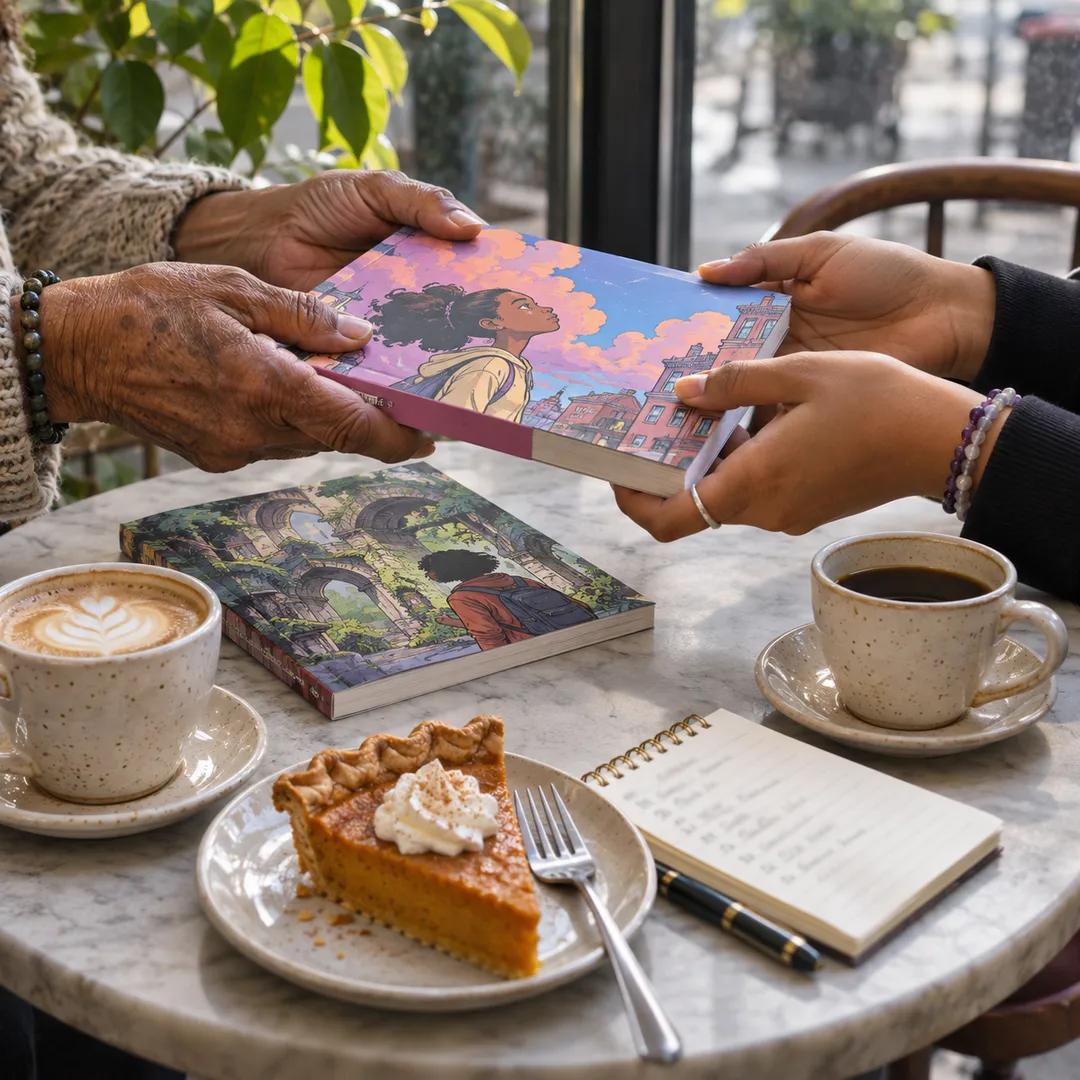
A strong shelf mixes three kinds of book. The first is the historical foundation: collected editions of influential Black superheroes and the landmark independent publishers of the 1990s, which opened doors for many of today's creators. The second is the current wave of graphic novels by Black authors that win literary prizes and appear on school reading lists. The third is the experimental edge, including zines, webcomic collections and small-press anthologies.
Try to take home one book from each category on your first crawl. That way you see how the medium has changed, and you get a feel for which direction you want to explore next. Skip the urge to buy a whole run of a long series on day one; it is better to start with one volume and come back once you know you love it.
A Reading Stop Near the Schomburg Center
The Schomburg Center for Research in Black Culture, part of the New York Public Library, sits on Malcolm X Boulevard and is one of the world's great archives of Black history and culture. It has also hosted Black comic book gatherings that bring creators and readers together in recent winters, so it is a fitting anchor for this route. Check its exhibitions when you pass, since they often connect directly to the themes in your new books.
Afterward, settle into a café nearby with a coffee and a slice of pie, and read the first chapter of your favourite purchase. If you are crawling with a friend or a relative, swap books halfway through so you each sample two stories before you head home.
Supporting Creators After You Leave
The crawl does not have to end at the register. Most independent creators share their process, upcoming releases and convention appearances online, so note the names inside the books you bought and follow them. When a creator you like launches a crowdfunding campaign for a new graphic novel, backing it is often the most direct way to keep their work going.
You can also leave a short review, recommend a title to your local library, or bring a friend on your next Harlem crawl. Word of mouth still matters enormously for small press comics, and a single enthusiastic reader can introduce a book to dozens of others.
Walking Harlem Between Chapters
When your eyes need a break, take a slow walk. The brownstone blocks of Strivers' Row on West 138th and 139th Streets are some of the most beautiful houses in Manhattan, and Mount Morris Park, now Marcus Garvey Park, offers a hilltop fire watchtower and shaded benches. The famous marquee on 125th Street is a short walk away, a reminder of how much of American pop culture began in these streets.
These walks help the stories settle. Many graphic novels by Black creators are rooted in real neighbourhoods and family histories, and reading them in a place with such a deep sense of community makes the pages feel more alive.
Practical Notes for Building Your Shelf
Bring a sturdy bag and a short list of genres you enjoy, and leave room in your budget for one surprise from a local creator. Weekday afternoons give you more time to talk with shop staff, while weekend afternoons are livelier and sometimes bring signings or pop-up tables. Ask whether the shop runs a pull list, so new issues of a series you start are held for you.
Use the Karpo APP to save each shop and note which creators you want to follow. Karpo does not track live inventory or reserve books, so ask the staff directly about specific editions when you visit. Most importantly, give each book time before buying the next. A shelf built slowly, with stories you actually read, is worth far more than a pile of unopened volumes.
Ask Karpo for more information.
Keep reading
- Chelsea Consignment Shop Crawl Planner for Your First Studio
 East Village Consignment Shop Crawl Planner: Leather Jackets
 Harlem Consignment Shop Crawl Planner for a Jazz Night Look