 Chelsea Comic Shop Crawl Planner: Set Up a Weekly Pull List
Hidden Gems & Odd Finds
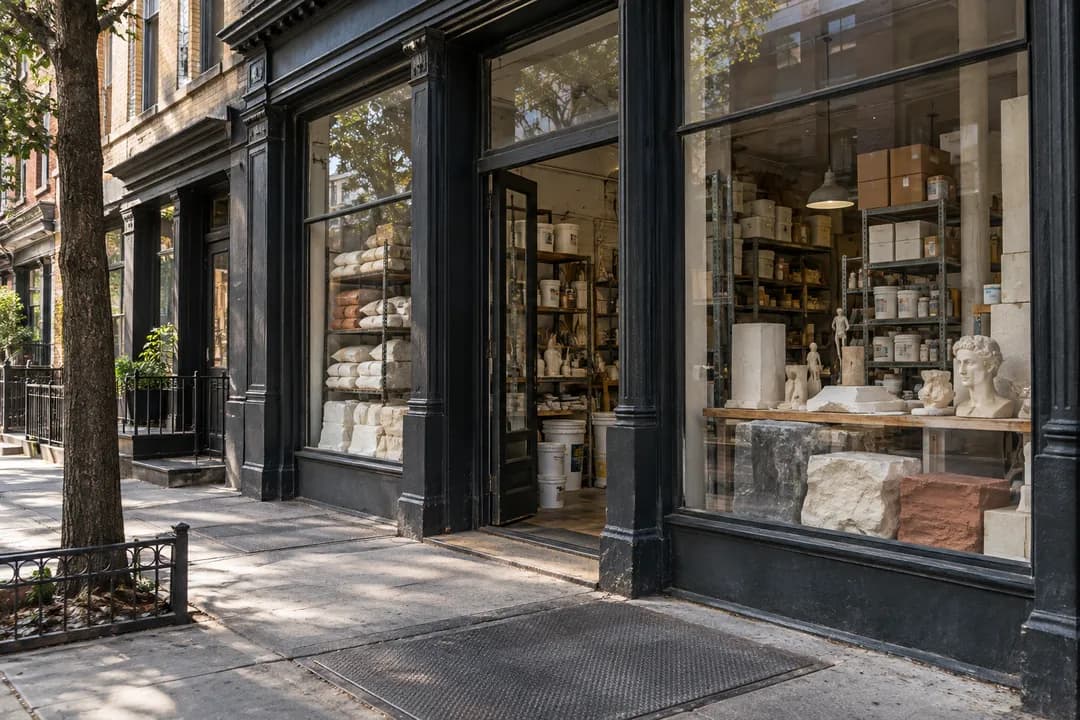
Chelsea Art Supply Store: Compleat Sculptor Mold Tools
The Compleat Sculptor at 110 West 19th Street is open Monday to Saturday for clay, molds, casting materials, and technical sculpture advice.
The Compleat Sculptor earns its place on a New York art-supply map when the project depends on material compatibility. Its Chelsea shelves are built for processes such as modeling, mold-making, casting, and armature work rather than casual craft browsing. The right visit begins with a process description, a measurement, and a note about the original surface. Those details let the store's technical range become useful instead of overwhelming, especially when a beginner is trying to avoid a failed first mold.
A technical art store, not a craft aisle
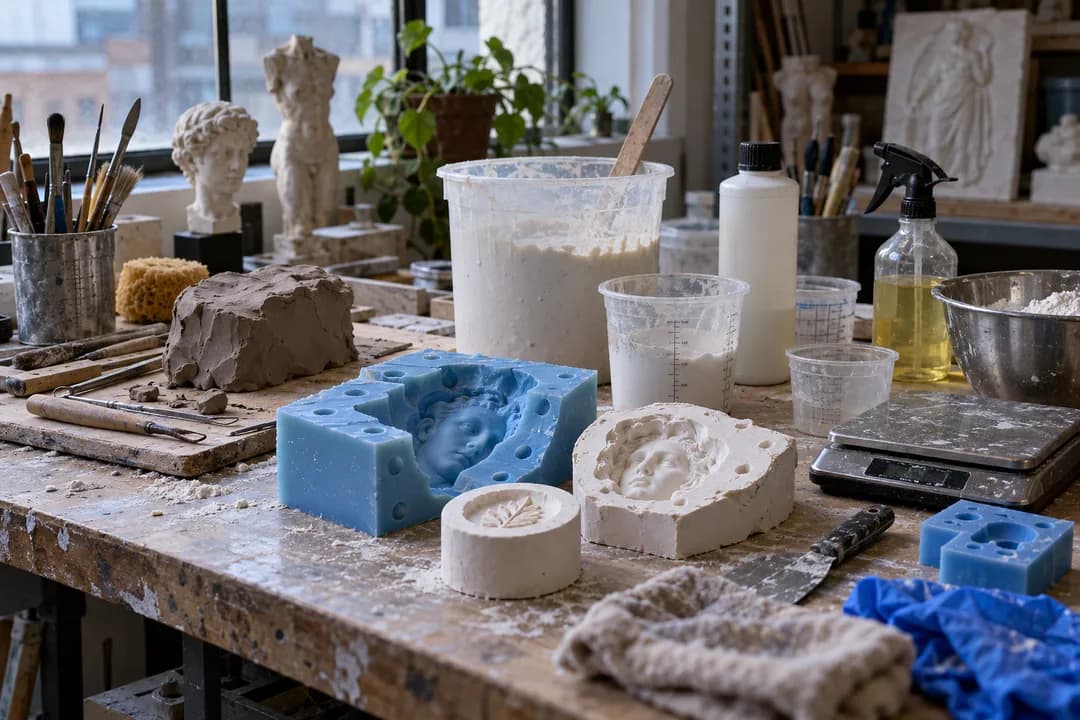
The Compleat Sculptor becomes useful at the point when a general art retailer stops answering the process question. At 110 West 19th Street, the Chelsea stock is arranged around clay, plaster, silicone, alginate, casting materials, armatures, tools, and protective equipment. The official store information lists Monday–Friday 10:00 am–6:00 pm, Saturday 10:00 am–5:00 pm, Sunday closed, and +1 212-243-6070. A technical supply run deserves a planned hour rather than a rushed detour.
The store is useful to several kinds of visitor. A sculptor may need a compatible mold rubber. A prop maker may be comparing a casting medium. A life-casting student may need alginate and plaster. A beginner may simply want to understand why two clays behave differently. The best opening sentence is the process: 'I am making a one-part mold,' 'I need a material for a rigid master,' or 'I am building a small armature.' Staff can respond to a workflow much faster than to the word 'sculpture.'
Build the material chain in the right order
Start with the original form and its surface. A rough clay model, a sealed object, and a porous found material do not ask the same questions of a mold material. Then decide whether the finished piece must be flexible, rigid, translucent, food-contact safe, paintable, or simply easy to demold. The Compleat's specialist range matters because compatibility is the hidden part of the purchase. A cheap material that refuses to cure against the chosen surface is not a bargain. It is a second project.
Next, buy the supporting tools that make the process controlled: mixing cups, accurate measuring tools, release agent, gloves, sculpting tools, a cutting knife, and a clean work surface. Keep the material sizes proportional to the test. Make a small sample before committing a large quantity, especially when the original is valuable or the cure time affects a deadline. The shop is a good place to ask how a product behaves after mixing, not just what the label promises.
How to avoid an expensive wrong turn
Bring measurements and a sketch of the object. Note the largest dimension, undercuts, the number of copies, and whether the mold will be used once or repeatedly. Write down the material already on your bench, including the clay or sealant, because chemical compatibility can decide the recommendation. A customer who arrives with those facts can leave with a focused basket instead of three incompatible trial tubs.
Go during the listed weekday hours if the project is technical, and call the shop before hauling a large sculpture across town. Once inside, resist the urge to buy every additive suggested by a tutorial. Ask which step the additive changes, whether the final piece needs it, and what the failure looks like without it. My practical rule is to purchase the smallest sensible test, document the result, and return for the production quantity only after the sample behaves.
A Chelsea walk for form and texture
The neighborhood around West 19th Street makes a useful post-purchase reference route. Walk west toward the gallery blocks and look for surfaces that explain why sculptors care about texture: plaster walls, welded gates, weathered stone, translucent windows, and the hard edge where one material meets another. You do not need a museum visit to make the walk productive. Sketch the silhouette of one architectural detail and ask which tool or mold process could reproduce it.
The High Line is a natural extension when you have time and a light bag, but heavy plaster or liquid materials should not become a sightseeing burden. If the supply run is bulky, head directly home and photograph the unopened materials beside the project notes. A clear record of batch, ratio, and test result is more valuable than a long detour, especially for a beginner building a repeatable process.
Practical Notes
Address: 110 W 19th St, New York, NY 10011. Phone: +1 212-243-6070. Official hours are Monday–Friday 10:00 am–6:00 pm, Saturday 10:00 am–5:00 pm, and Sunday closed. The current Chelsea address is the useful one for planning. Older listings may point to a previous location, so use the official site when mapping the trip.
Use the Karpo APP to save the process notes, store stop, and a short Chelsea texture walk together. My honest call: choose The Compleat Sculptor when the problem is technical and material compatibility matters. For a casual sketchbook refill, it is more specialized than necessary. For mold-making, casting, and sculpture, that specialization is exactly the reason to go.
Keep a simple test log after the purchase. Record the ratio, mixing time, room conditions, cure time, demolding result, and the finish after cleanup. A five-line note can save an entire second mold. Store the remaining material with the label visible and the batch information intact. Technical supplies are much easier to troubleshoot when the exact product is known. That discipline may feel excessive for a small model, but it is the practical difference between a creative experiment and a repeatable process. The Chelsea store can provide the options. The notebook makes those options useful. Photograph the test before cleanup so a later comparison includes the flaws, not only the polished result. Keep one unopened sample for comparison when the production batch arrives. Good records protect both the material budget and the finished sculpture. They also give the staff a clear technical question on the next visit. That evidence shortens the next recommendation conversation. Keep the test label with the sculpture until the finish is complete.
Ask Karpo for more information.
Keep reading
- Chelsea Comic Shop Crawl Planner: Set Up a Weekly Pull List
 East Village Comic Shop Crawl Planner for Zine Makers
 Harlem Comic Shop Crawl Planner: Start a Black Comics Shelf