The Hotel That Changed Everything
On June 17, 2026, three days before Norway's opening World Cup match against Costa Rica, manager Stale Solbakken made a decision that would define his team's tournament. Three players — goalkeeper Orjan Nyland, defender Kristoffer Ajer, and midfielder Sander Berge — had fallen ill with what team doctors described as a gastrointestinal infection potentially linked to the hotel's air conditioning system. Solbakken, who had already been unhappy with the formal, corporate atmosphere of the FIFA-assigned InterContinental Hotel in downtown Miami, used the illness as justification to relocate the entire 26-man squad to a privately rented beachfront villa in Key Biscayne, a quiet residential island connected to Miami by the Rickenbacker Causeway.
Tracking Norway's camp? Ask Karpo where to watch their next match with fans.
The Key Biscayne Villa
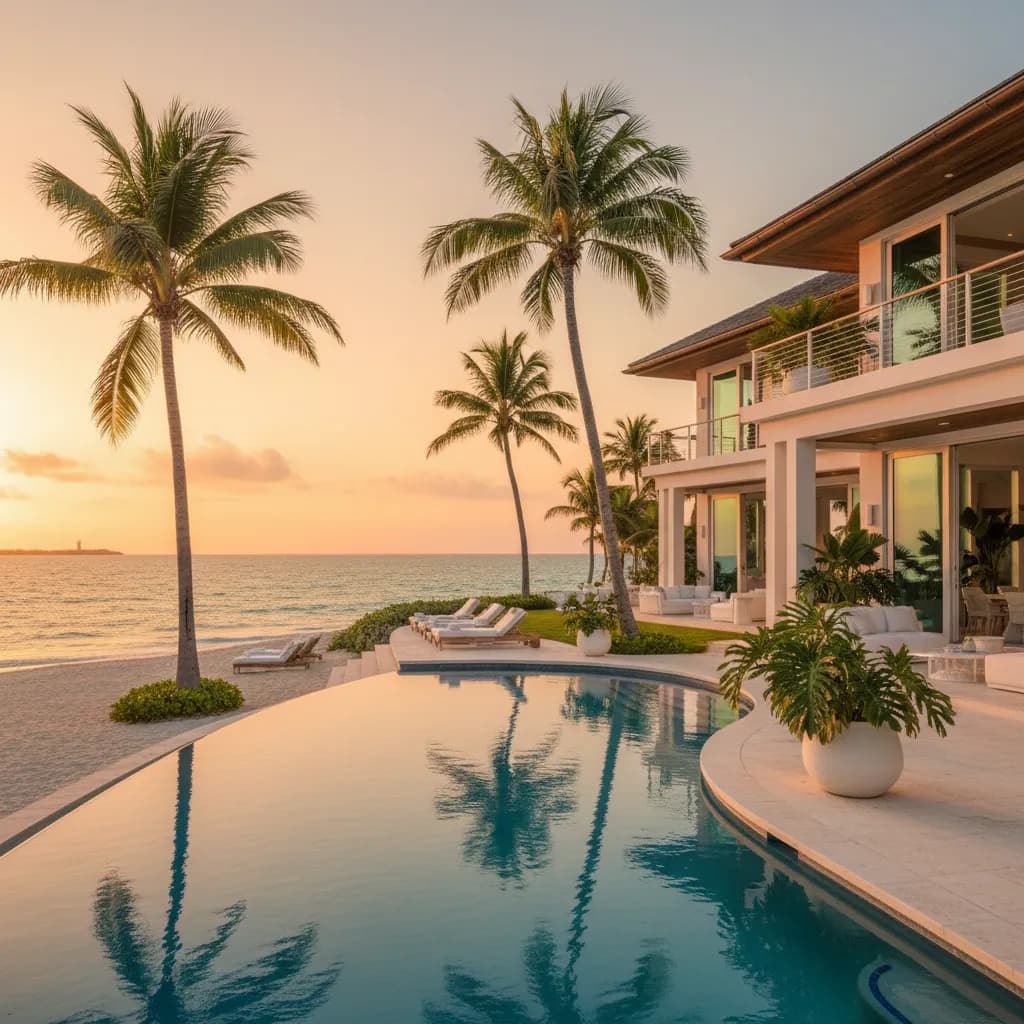
The property, rented for approximately 85,000 dollars per week by the Norwegian Football Federation, is a six-bedroom oceanfront estate with a private beach, a swimming pool, an outdoor kitchen, and enough space to accommodate the entire squad, coaching staff, and support team. The players share rooms — in some cases, three to a room — in stark contrast to the individual suites they had been assigned at the InterContinental. The training facilities at Crandon Park, Key Biscayne's public sports complex, are basic by professional standards: a single grass pitch, a small gym, and no hydrotherapy facilities. Solbakken supplemented the facilities by having the team recover in the ocean after training sessions.
The Team Chemistry Experiment
Solbakken's decision was not primarily about health. It was about culture. In a post-match interview after the Brazil victory, Solbakken explained his reasoning: "At the big hotel, players go to their rooms, close the doors, put on headphones, and exist in their own worlds. At the villa, they have to be together. They cook together, they eat together, they sit on the beach together. There is no escape from each other. And that is what a team needs — not comfort, but connection." The approach draws on Scandinavian cultural traditions of collective living and outdoor recreation, applied to the high-pressure environment of a World Cup. Players have confirmed that the villa atmosphere transformed the squad dynamic, with veteran Martin Odegaard describing it as "the closest I've ever felt to a club team while playing for the national team."
The Viral Content
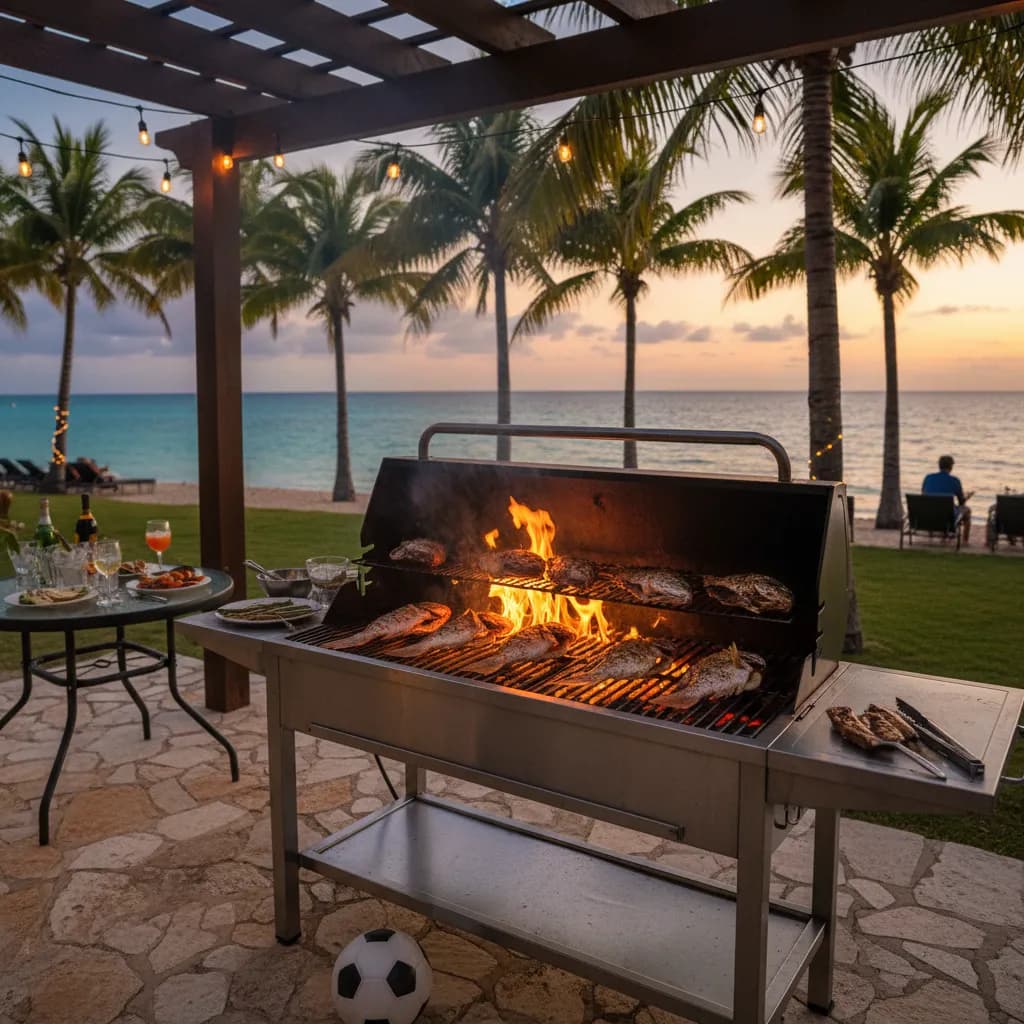
Norway's Key Biscayne lifestyle has produced some of the most engaging behind-the-scenes content of the tournament. Videos of Erling Haaland cooking Norwegian salmon on a beach grill have been viewed 120 million times. A TikTok showing the entire squad jumping into the ocean after training, set to a Norwegian folk song, has 89 million views. Photographs of tactical meetings held on the beach, with players sitting in a circle on the sand while Solbakken draws formations with a stick, have been shared by football accounts worldwide. The content has made Key Biscayne a trending search term globally and increased tourism inquiries to the island by 400% during the tournament.
The Results Speak
Norway's results since the hotel change have been remarkable. They beat Costa Rica 2-0, drew with Spain 1-1 (a result that secured group qualification), beat Portugal 1-0 in the final group match, defeated Ivory Coast 2-1 in the Round of 32, and produced the tournament's most dramatic comeback against Brazil in the Round of 16. Their record at the villa: played five, won four, drawn one, goals scored 8, goals conceded 4. More importantly, their style of play has evolved from a Haaland-dependent counterattacking approach to a cohesive pressing system in which every player appears to know exactly where their teammates will be. Whether this can be attributed to shared bedrooms and beach barbecues is impossible to prove scientifically. But the correlation is impossible to ignore.
The Key Biscayne Effect on Football Culture
Norway's hotel experiment has sparked a broader conversation in international football about squad management and team culture. Several national team coaches have publicly praised Solbakken's approach. German coach Julian Nagelsmann admitted that the formal hotel environment "kills spontaneity" and that he wished he had considered an alternative. The conversation extends beyond football: professional sports teams in basketball, rugby, and cricket have contacted the Norwegian Football Federation to learn more about the Key Biscayne model. Solbakken, characteristically understated, has downplayed the significance: "We just wanted to be together. That is all. The football takes care of itself when the people are right."
Tags: Norway, hotel change, Key Biscayne, World Cup 2026, squad, team chemistry, Stale Solbakken, illness, beachfront villa, Haaland
Sources consulted: ESPN · CBS Sports · FIFA · Yahoo Sports
All trademarks, team names, league names, and player likenesses mentioned in this article are the property of their respective owners and are used here for informational and editorial purposes only.
Ask Karpo First
Want to learn more about Norway's unconventional World Cup camp or plan a visit to Key Biscayne? Ask Karpo for the latest Norway squad news, Key Biscayne visitor information, and the most creative team-building approaches in World Cup history.