Twenty-Eight Years of Waiting
The last time Norway played at a World Cup, it was 1998 in France. They beat Brazil 2-1 in the group stage — still considered one of the greatest results in Norwegian football history — before exiting in the Round of 16 against Italy. Since then, Norway have watched every World Cup from the outside: 2002, 2006, 2010, 2014, 2018, 2022. Six tournaments. Twenty-four years of failed qualifications, coaching changes, and heartbreaking playoff defeats. When Erling Haaland's penalty sealed Norway's place at the 2026 World Cup in November 2025, the eruption in Oslo was heard across the fjords.
Haaland Changed Everything
Norway's qualification is inextricable from one man. Erling Haaland scored 14 goals in qualifying — the most by any European player in the 2026 cycle. His presence transformed Norway from a team that was easy to defend against into one that terrified every opponent. But Haaland's impact extends beyond goals: his global profile has made Norway relevant in a way that transcends results. When Haaland plays, the world watches. When the world watches Norway, they discover Martin Odegaard's passing, Sander Berge's physicality, and Alexander Sorloth's intelligent movement. Haaland is the gateway, but the squad behind him is genuinely competitive.
Oslo Has Become an Open-Air Festival
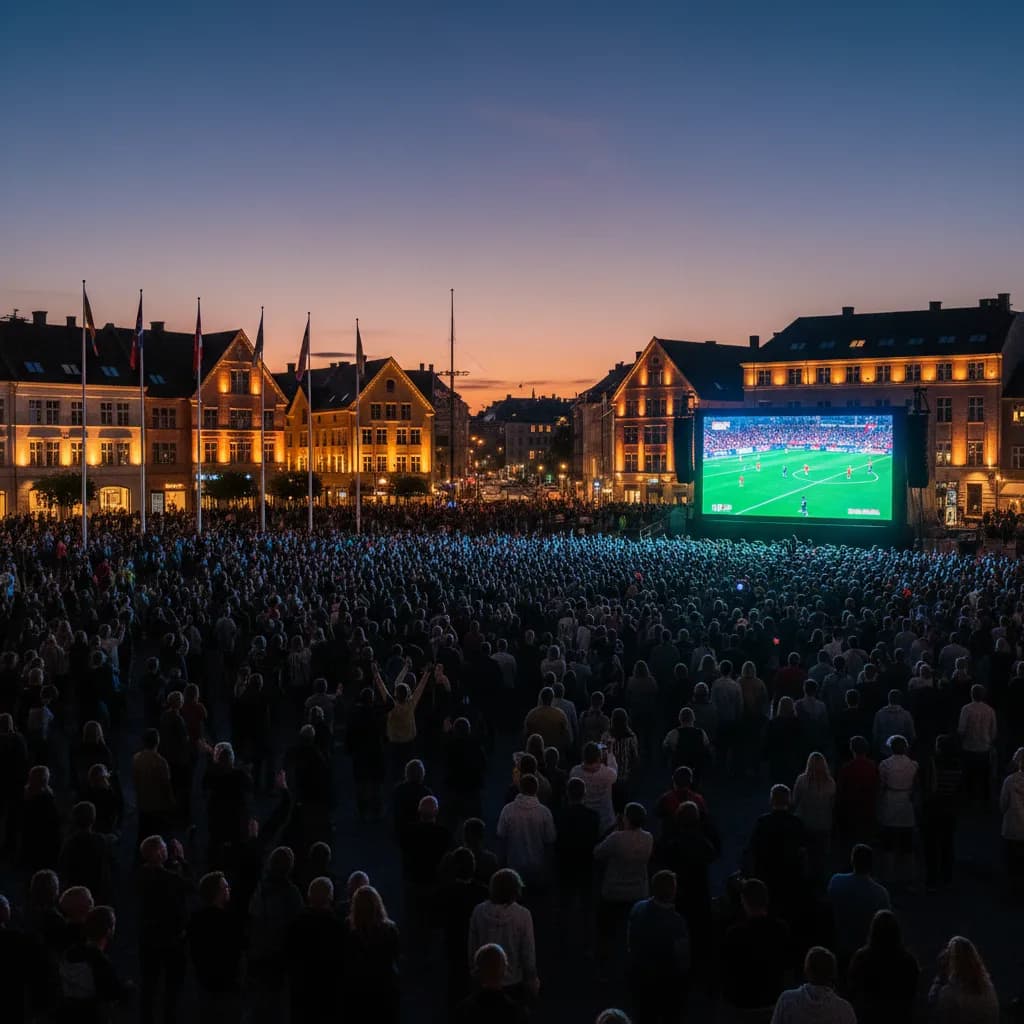
The scenes in Oslo during World Cup matches have been extraordinary. The city has set up giant screens at Kontraskjaeret, the open-air space near the harbor, where 25,000 fans gather for every Norway match. The Viking clap — borrowed from Iceland's famous Euro 2016 celebration — has been adopted as Norway's signature fan moment, with the synchronized thunder of 25,000 pairs of hands echoing across the waterfront. Norwegian businesses have reported a 40% drop in productivity during match hours, prompting some companies to officially declare match days as half-days. The national broadcaster NRK recorded its highest TV ratings since the 1994 Winter Olympics.
The Scandinavian Invasion of Philadelphia
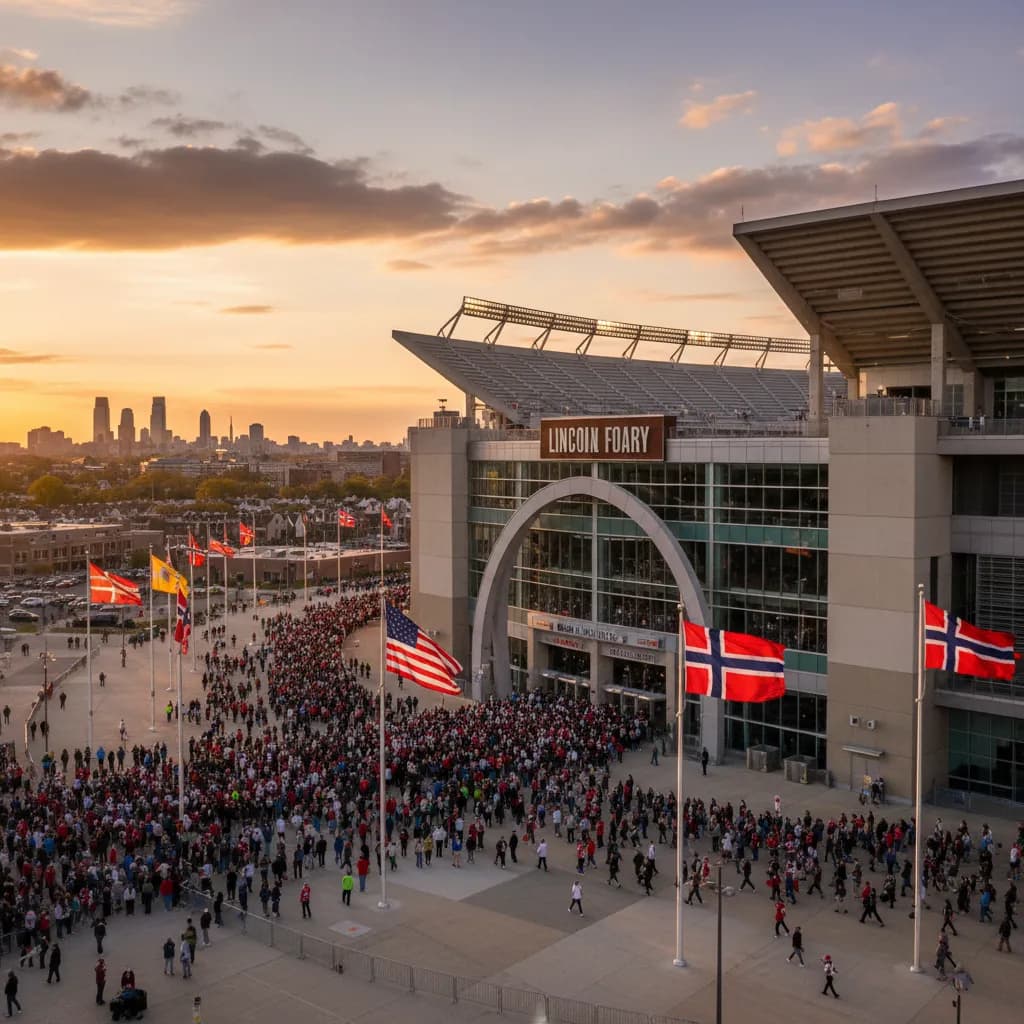
Norway's group-stage base was Philadelphia, and the Norwegian community in the tristate area — approximately 150,000 people with Scandinavian heritage — turned out in force. Bars in Center City were overrun with fans wearing Haaland #9 jerseys. Norwegian flags hung from apartment windows in Brooklyn and Hoboken. The cultural festival that accompanied the team — featuring Norwegian food, music, and design — was attended by over 30,000 people across three days. For the Norwegian-American community, many of whom had never seen their ancestral nation at a World Cup, the experience was deeply emotional.
The Group Stage: Competitive but Costly
Norway's group-stage record — one win, one draw, one loss — tells only part of the story. They opened with a thrilling 3-2 victory over Paraguay, with Haaland scoring twice. A 1-1 draw against Cote d'Ivoire demonstrated their defensive discipline. The 4-2 defeat to France, despite Haaland's two goals from the bench, was a reminder of the gap between good and elite. Norway qualified for the knockout rounds as a third-place team — enough to continue the dream, but with the knowledge that the margins at this level are razor-thin.
Merchandise Numbers Tell the Story
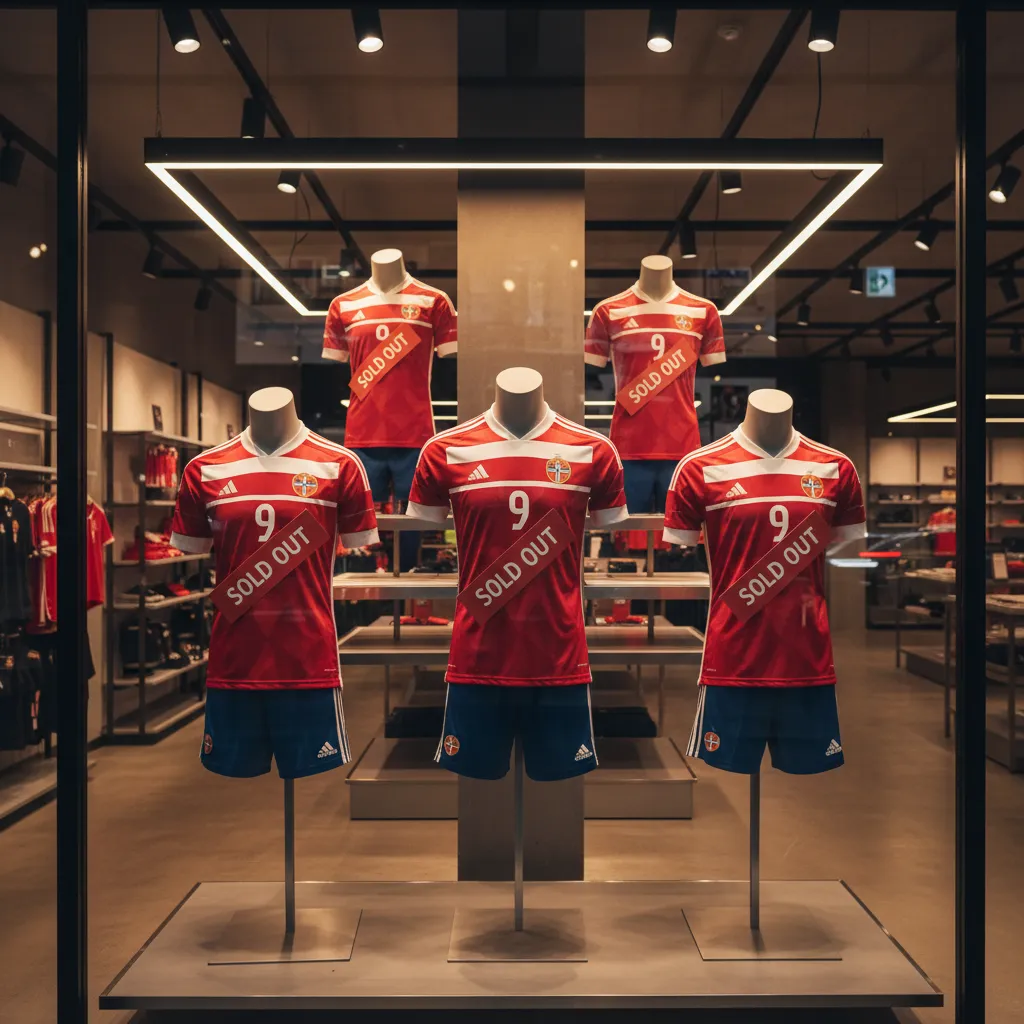
Haaland's Norway #9 jersey has outsold every other player's shirt in Scandinavia during the World Cup. Norwegian sportswear retailer XXL reported that they sold out their entire stock of Norway jerseys within four days of the tournament beginning. The Norwegian Football Federation has ordered three additional production runs, and even with the restock, jerseys are being listed on resale platforms for three times the retail price. The economic impact extends beyond merchandise: Norwegian tourism authorities report a 25% increase in inquiries about Norway from American travelers since the World Cup began.
The Knockout Round Against Cote d'Ivoire
Norway face Cote d'Ivoire — the team they drew with in the group stage — in the Round of 32. It is a match that could define Norwegian football for a generation. A win would send Norway to the Round of 16 for the first time since 1998 and validate 28 years of patience. A loss would end the dream but leave a foundation for the future. Either way, an entire nation will be watching, clapping, and believing.
Tags: World Cup 2026, Norway, Erling Haaland, 28 years, first World Cup, Oslo, Viking clap, Martin Odegaard, Philadelphia, knockout stage, Scandinavian
Sources consulted: ESPN · FIFA · Sky Sports
All trademarks, team names, league names, and player likenesses mentioned in this article are the property of their respective owners and are used here for informational and editorial purposes only.
Ask Karpo First
Want to explore Norwegian culture near World Cup venues or find Scandinavian restaurants in Philadelphia? Ask Karpo for the latest Norway schedule, a guide to Nordic-inspired dining, and the best spots to experience the Viking clap atmosphere.