 Where to Eat Near Penn Station That Isn't a Chain
US Open 2026

NOAA Weather Apps To Track During US Open 2026
Track rain delays, heat advisories, and transit conditions across three weeks of tennis in Queens with NOAA's real-time weather tools.
The 2026 US Open runs August 23 through September 13 at the USTA Billie Jean King National Tennis Center in Flushing Meadows Corona Park, and weather will shape every day of your visit. Fan Week begins August 23, the main draw starts August 30, and late-summer weather in Queens can swing from blazing sun to sudden thunderstorms in a single afternoon. NOAA weather apps give you the real-time radar, hourly forecasts, and severe weather alerts you need to time your arrival, pack the right gear, and adjust your plans when conditions shift. Whether you're riding the 7 train from Manhattan, walking from Long Island City, or exploring Jackson Heights before your session, knowing the weather helps you stay comfortable, safe, and ready to enjoy three weeks of world-class tennis.
Text Karpo your match session, neighborhood start point, and appetite, and we will turn this weather / trip planning into a live Queens plan.
Why NOAA weather apps matter for US Open planning
The US Open schedule spans three weeks of late August and early September, a period when New York weather can be unpredictable. Rain delays are common, heat advisories can push temperatures into the nineties with high humidity, and afternoon thunderstorms can roll in quickly across Queens. NOAA's National Weather Service provides the most accurate, up-to-date forecasts for the New York City area, and their mobile apps deliver radar, hourly conditions, and severe weather alerts directly to your phone. Unlike generic weather apps, NOAA tools pull from official government data, giving you the same information tournament organizers and broadcast teams rely on. When you're planning a day at Flushing Meadows, these apps help you decide whether to bring an umbrella, pack sunscreen, layer clothing, or adjust your arrival time to avoid the worst of a storm.
NOAA Weather app features for tournament days
The official NOAA Weather app, available for iOS and Android, offers hourly forecasts, interactive radar, and push notifications for severe weather warnings. Set your location to Flushing, Queens, or the 11368 zip code to get hyper-local conditions for the tournament site. The radar view shows precipitation intensity and movement, so you can see if a storm is heading toward the park or passing to the north. Hourly forecasts break down temperature, humidity, wind speed, and chance of rain, helping you plan your session timing and what to wear. Severe weather alerts notify you immediately if the National Weather Service issues a thunderstorm warning, heat advisory, or air quality alert for the area. The app is free, ad-supported, and works offline once you've downloaded the forecast data, making it reliable even when cell networks are crowded around the stadium.
Weather.gov mobile site for detailed forecasts
The mobile version of Weather.gov provides the same data as the app in a fast, browser-based format. Navigate to weather.gov on your phone, enter "Flushing, NY" or the tournament address, and you'll see a detailed seven-day forecast, hourly conditions, and a discussion written by local meteorologists explaining the weather pattern. The discussion section is especially useful during uncertain conditions—forecasters describe confidence levels, timing windows, and what to watch for as the day progresses. The site also links to the Area Forecast Discussion, a technical narrative that explains the science behind the forecast. If you prefer not to download another app, bookmarking the Weather.gov page for Flushing gives you fast access to the same NOAA data without taking up storage space.
Radar and satellite tools for real-time tracking
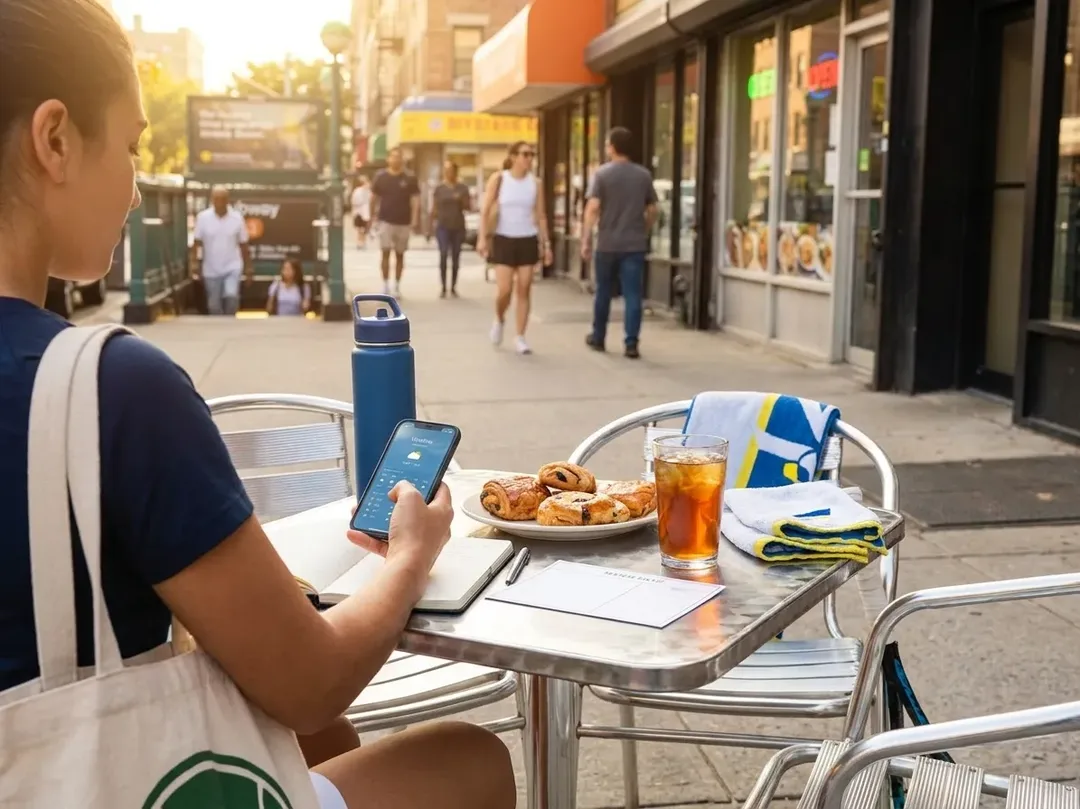
NOAA's radar and satellite imagery let you watch weather systems as they develop and move. The National Weather Service radar page at radar.weather.gov offers a zoomable map with loops showing the past hour of precipitation. Select the New York radar site (KOKX) for the clearest view of Queens and the surrounding boroughs. The loop updates every few minutes, so you can see if a line of storms is intensifying, weakening, or changing direction. Satellite imagery from NOAA's GOES-East satellite shows cloud cover, storm tops, and large-scale weather patterns across the eastern United States. These tools are especially helpful during rain delays—you can estimate how long a storm will last and whether it's worth waiting at the grounds or heading to a nearby café in Corona or Jackson Heights until conditions improve.
Heat, humidity, and sun safety during late summer
Late August and early September in New York can bring high heat and humidity, and the open-air courts at the US Open offer limited shade. NOAA's Heat Index forecast combines temperature and humidity to show how hot it actually feels, and the National Weather Service issues heat advisories when conditions become dangerous. Check the hourly Heat Index before your session and plan accordingly—wear light clothing, bring a hat and sunscreen, and know where to find shaded seating or air-conditioned spaces inside the grounds. The USTA Billie Jean King National Tennis Center has misting stations and water refill points, but planning your arrival for early morning or late afternoon sessions can help you avoid the peak heat. If a heat advisory is in effect, take it seriously—heat exhaustion and heat stroke are real risks during long days outdoors.
- Download the NOAA Weather app and set Flushing, Queens as your location before you travel
- Check the hourly forecast each morning to plan your session timing and clothing layers
- Enable severe weather alerts so you're notified immediately of thunderstorm warnings
- Use the radar loop to track approaching storms and estimate rain delay duration
- Review the Heat Index forecast and plan shade breaks or earlier arrival times during advisories
- Bookmark Weather.gov on your phone for quick access to detailed forecasts and meteorologist discussions
- Check air quality forecasts if you have respiratory sensitivities—summer ozone levels can be high
- Pair weather data with MTA alerts to plan transit adjustments during severe weather
Pairing weather data with transit and neighborhood plans
Weather affects more than just your time at the tournament—it shapes your entire trip across Queens. If a thunderstorm is forecast for mid-afternoon, consider arriving early for a morning session and exploring Corona or Jackson Heights during the delay. If heat is the main concern, plan a late-afternoon arrival and grab dinner in Flushing before your evening session. The 7 train is your primary transit link from Manhattan, and the MTA's US Open guide at new.mta.info/guides/stadiums/us-open provides service updates and crowd management tips. During severe weather, subway service can slow or pause, so checking both NOAA alerts and MTA status before you leave helps you avoid surprises. Long Island City and Jackson Heights offer covered cafés, bookstores, and shops where you can wait out a storm comfortably, and knowing the weather in advance lets you build those stops into your day.

Respectful fan behavior and weather flexibility
Weather delays and heat advisories test everyone's patience, but respectful behavior keeps the experience positive for all fans. If play is suspended, follow staff instructions and move to designated shelter areas. Don't crowd covered walkways or block exits—give everyone space to stay safe. If you're waiting out a delay in a nearby neighborhood, support local businesses by making a purchase rather than just using their space. When heat is high, check on fellow fans who look uncomfortable and alert staff if someone needs help. The US Open is a long tournament, and weather will affect multiple days—staying flexible, patient, and considerate makes the experience better for everyone. Check the official US Open website at usopen.org for real-time updates on play status, and trust NOAA data to help you make smart decisions about when to arrive, when to take a break, and when to head home.
Karpo is not affiliated with, endorsed by, or sponsored by the United States Tennis Association, the US Open, NOAA, the National Weather Service, the MTA, or NYC Parks. All trademarks and event names belong to their respective owners. This article provides independent planning context only.
Tags: #USOpen2026 #Queens #FlushingMeadows #KarpoFinds #Karpo #TennisTravel #NYCLocalLife #FanWeek #USTennis #NewYorkGuide #Weathertrends #Buzz
All trademarks are the property of their respective owners.
Ask Karpo first
Want to know what is actually open, how to time the trip, and where to pause around Queens? Ask Karpo for the latest public US Open context, a respectful visitor plan, and a live route around Flushing Meadows before you head out.
Ask Karpo for more information.
Keep reading
- Where to Eat Near Penn Station That Isn't a Chain
 Andytown Coffee in the Outer Sunset: The Snowy Plover Explained
- Best Things to Do in Chicago: What the City Gives Away