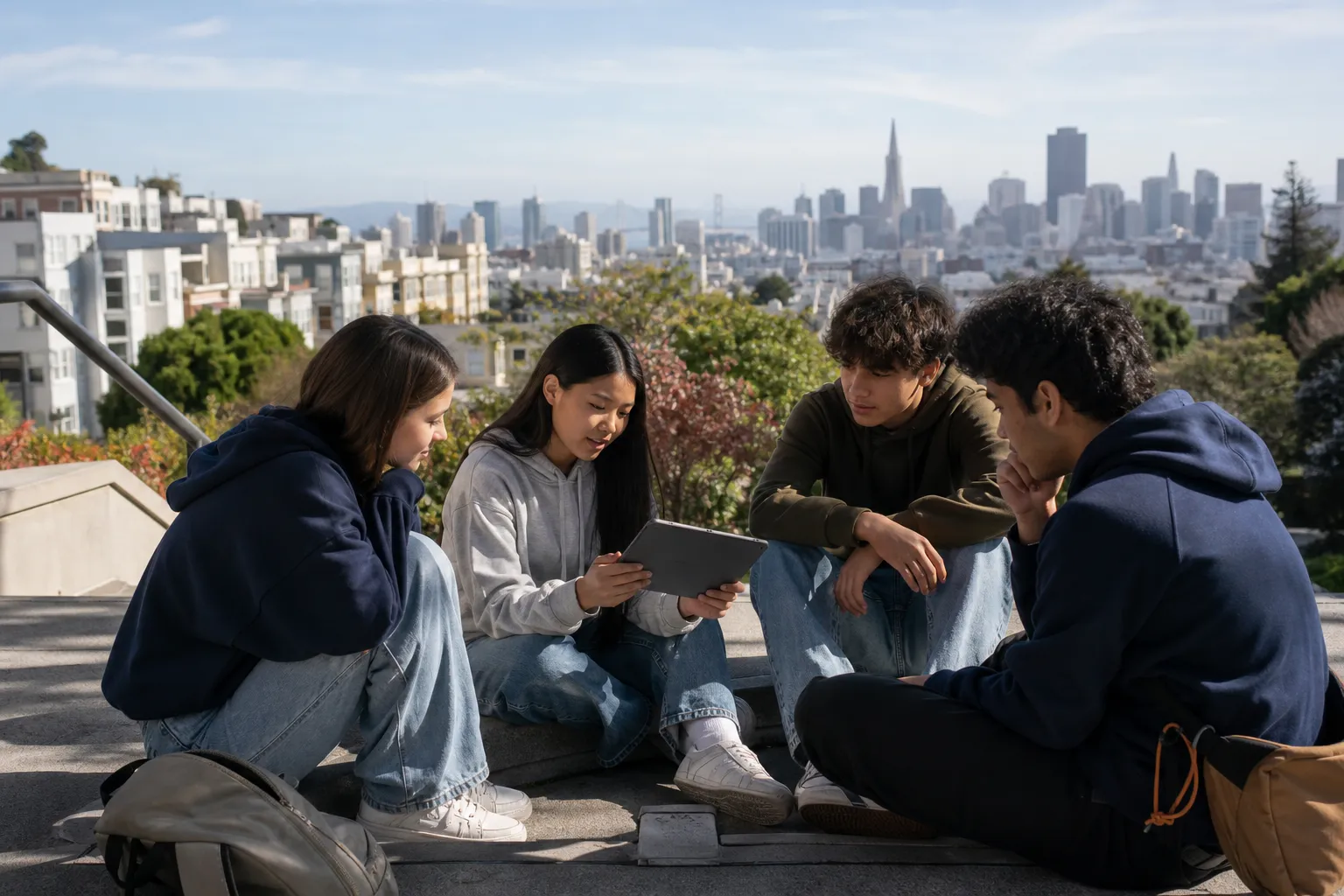
A trending search like nikki rodriguez age can feel harmless: one quick query, one quick answer, then back to homework. For San Francisco high schoolers, it can also become a useful back-to-school media check, especially when a parent or study buddy is nearby to ask, “What kind of source is this?” The goal is not to make celebrity curiosity feel forbidden. The goal is to notice the line between a public, relevant fact and a private detail repeated without care. During an after-school homework hour, a library table, a school device, or the San Francisco Public Library Virtual Library can turn the search into an easy research checklist. Students can compare source types, publication dates, wording, and device rules before deciding whether the information is useful enough to keep.
Give Karpo your school area, teen age range, study window, and library preference for a San Francisco media-check session that turns celebrity searches into smarter source habits.

Turn the Search Hook Into a Research Question
Start by rewriting the search as a question with a purpose. If the assignment is about media coverage, casting, digital identity, or how search trends work, then celebrity-age information may be a small piece of context. If the real motive is only to repeat a number in a group chat, the search is probably drifting toward gossip. A useful question sounds like, “Which reliable sources state this biographical detail, and why does it matter to the article?” That wording slows the search down and gives a teen a reason to reject weak pages, copied snippets, and posts that never explain where their information came from.
The same test works for nikki rodriguez age and any similar query that spikes because classmates are curious. Before clicking, have the teen predict what a trustworthy result should include: a clear publication name, a date, an author or institutional source, and wording that separates confirmed information from speculation. Then compare the prediction with the actual results. This makes the activity easy but not passive. The student is no longer collecting celebrity trivia; they are practicing how to judge claims. A parent or study buddy can help by asking one question at each step: “Would you cite this for school, or only mention it casually?”
Use San Francisco Library Time for Better Habits
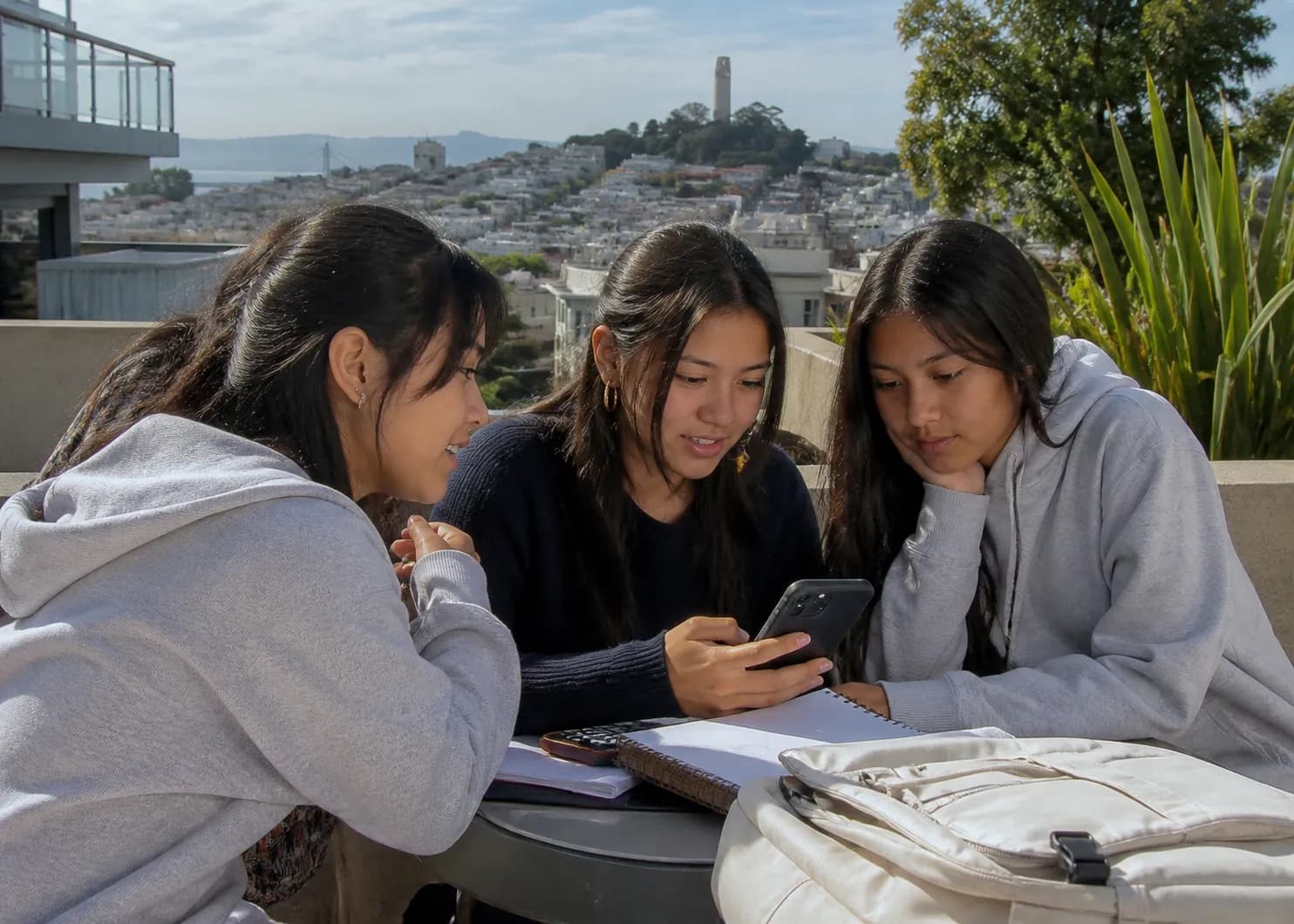
San Francisco Public Library gives students a practical setting for this kind of check because it lists branches across the city and a Virtual Library that is open 24 hours in the official library directory. The Main Library is listed at 100 Larkin Street, and branch listings include neighborhoods such as Mission, Sunset, Richmond, Bayview, Noe Valley, Chinatown, Excelsior, Marina, Merced, and others. That matters because the best plan is usually the closest quiet public place, not a special trip across town. For an after-school homework hour, choose a branch that fits the route home, then confirm current hours before leaving.
At the table, keep the task narrow: three tabs, ten minutes, one decision. Tab one is the search results page, tab two is a candidate source, and tab three is a school-approved database or library resource if the student has access. The teen should write down the claim, the source name, the publication date, and whether the page explains how it knows. If two sources repeat the same fact but neither shows origin, treat that as one weak signal, not two strong ones. The library setting helps because it makes the search feel like research, while the checklist keeps it from becoming an endless scroll.
Check Dates Before You Trust Details
Age-related searches are date-sensitive by nature. A page can be accurate when published and still become stale later, especially if it is copied into snippets, fan pages, or short posts that never update. Since this article is current as of August 7, 2026, students should treat any older result as something to verify, not something to memorize. The simple habit is to look for three dates: the person’s date of birth if a reliable source gives one, the publication date of the page, and the date the page was last updated if shown. Missing dates do not automatically prove a page is wrong, but they lower confidence.
The next step is to separate arithmetic from evidence. A student can calculate an age from a verified birth date, but the birth date itself still needs a trustworthy source. When a search result says nikki rodriguez age in a headline but the article has no sourcing, no update date, and no reason for the detail to matter, it should not carry much weight. If the page is part of an interview, official biography, reputable entertainment profile, or school database entry, it may be more useful. The teen’s final note can be simple: “usable for background,” “not reliable enough,” or “not needed for the assignment.”
Keep Curiosity From Becoming a Privacy Problem
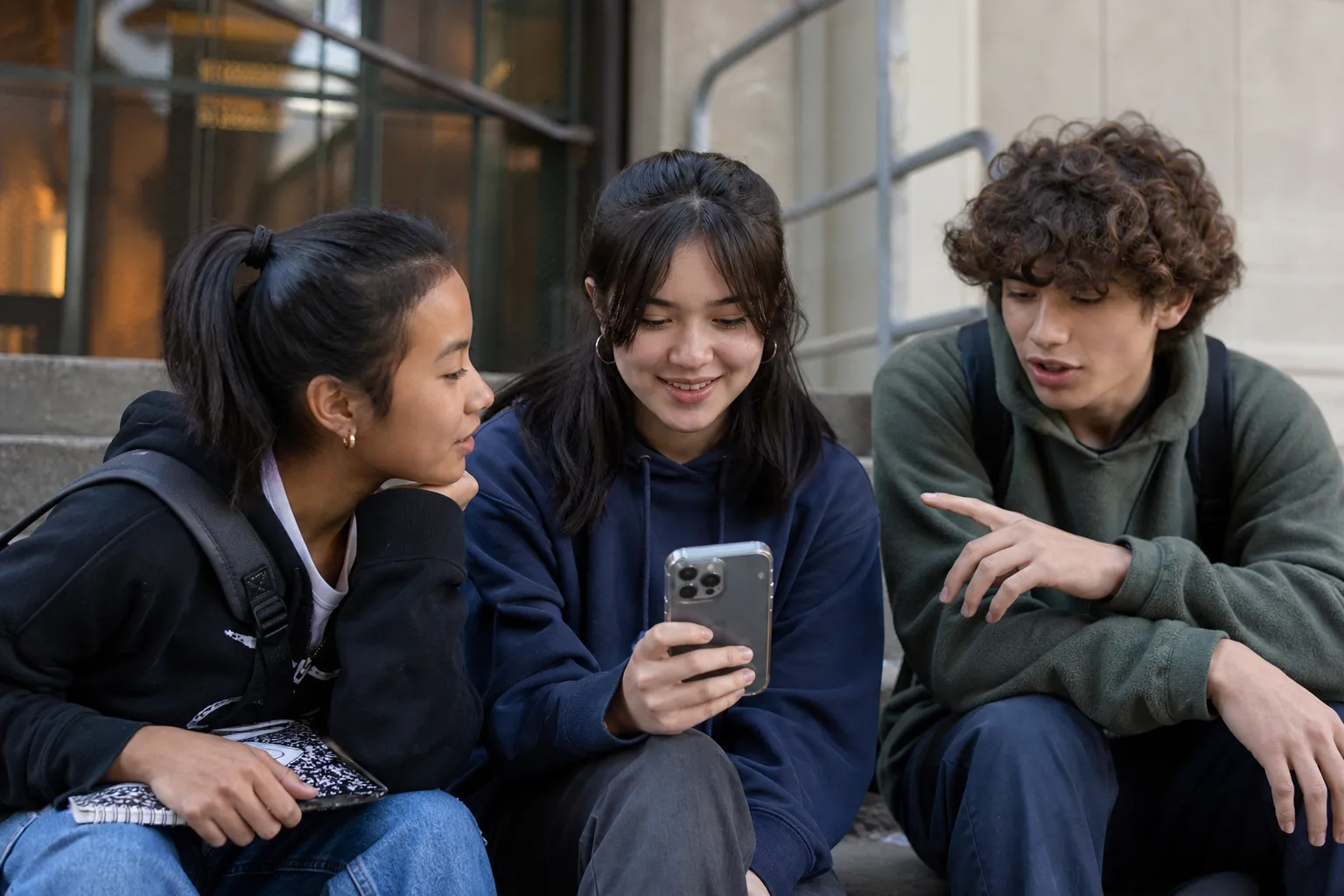
The tradeoff is not curiosity versus boredom. It is curiosity versus privacy literacy. Public figures have some biographical information available in public, but that does not mean every personal detail deserves attention, repetition, or classroom citation. Teens can use a three-part filter before sharing anything: is it public, is it relevant, and is it kind to repeat? If a detail helps explain an article, role, interview, or media trend, it may be reasonable background. If it only invites guessing about someone’s body, relationships, family, school history, or private life, the better choice is to stop and move back to the assignment.
Parents and study buddies can make this less preachy by turning it into a quick sorting exercise. Put possible details into three columns: “cite,” “ignore,” and “ask first.” A confirmed role in a show, a published interview date, or a public career milestone may belong in the cite column if the source is solid. Rumors, screenshots, anonymous claims, and repeated personal details with no clear origin belong in ignore. School device rules deserve their own check. If a device, network, or classroom policy limits entertainment browsing, students should follow that rule even when the search feels educational. The habit builds trust because it shows judgment, not fear.
Plan the After-School Route With Fewer Distractions
A good media-literacy plan also considers where and when the student is doing the work. SFMTA says people can get around San Francisco by Muni, bike, walking, driving, taxi, and accessibility services, and its site includes a trip planner plus travel and transit updates. For a homework-hour library visit, students should check the route before they leave school, especially on busy event days or advisory periods. The SFMTA travel updates page for August 7, 2026 lists items such as Outside Lands from August 7 to 9, Chinatown construction from July 30 to August 9, and other temporary advisories. Those notices can affect timing without changing the research plan.
Weather belongs in the same pre-check. The National Weather Service San Francisco Bay Area page on August 7, 2026 notes a heat advisory for the weekend, moderate to major HeatRisk, elevated to near-critical fire weather conditions, and a coastal flood advisory for Bayshore locations beginning Friday at 5 PM. That does not mean every student must cancel plans, but it does mean the smarter route may be shorter, cooler, and less rushed. If outdoor time is uncomfortable, the Virtual Library or a nearby branch may fit better than a long cross-city trip. The goal is a calm research session: verify, decide, cite or discard, then return to homework.
Tags: #SanFrancisco #BacktoSchool #MediaLiteracy #HighSchoolResearch #LibraryChecklist #TeenDigitalSafety
Sources consulted: Source 1: sfmta.com · Source 2: sfpl.org · Source 3: sfmta.com · Source 4: weather.gov
All trademarks are the property of their respective owners.
Ask Karpo first
Ask Karpo to turn this San Francisco idea into a current plan for your date, budget, companion, transit preference, and energy level. Karpo can narrow the route and flag what to verify before you go.


