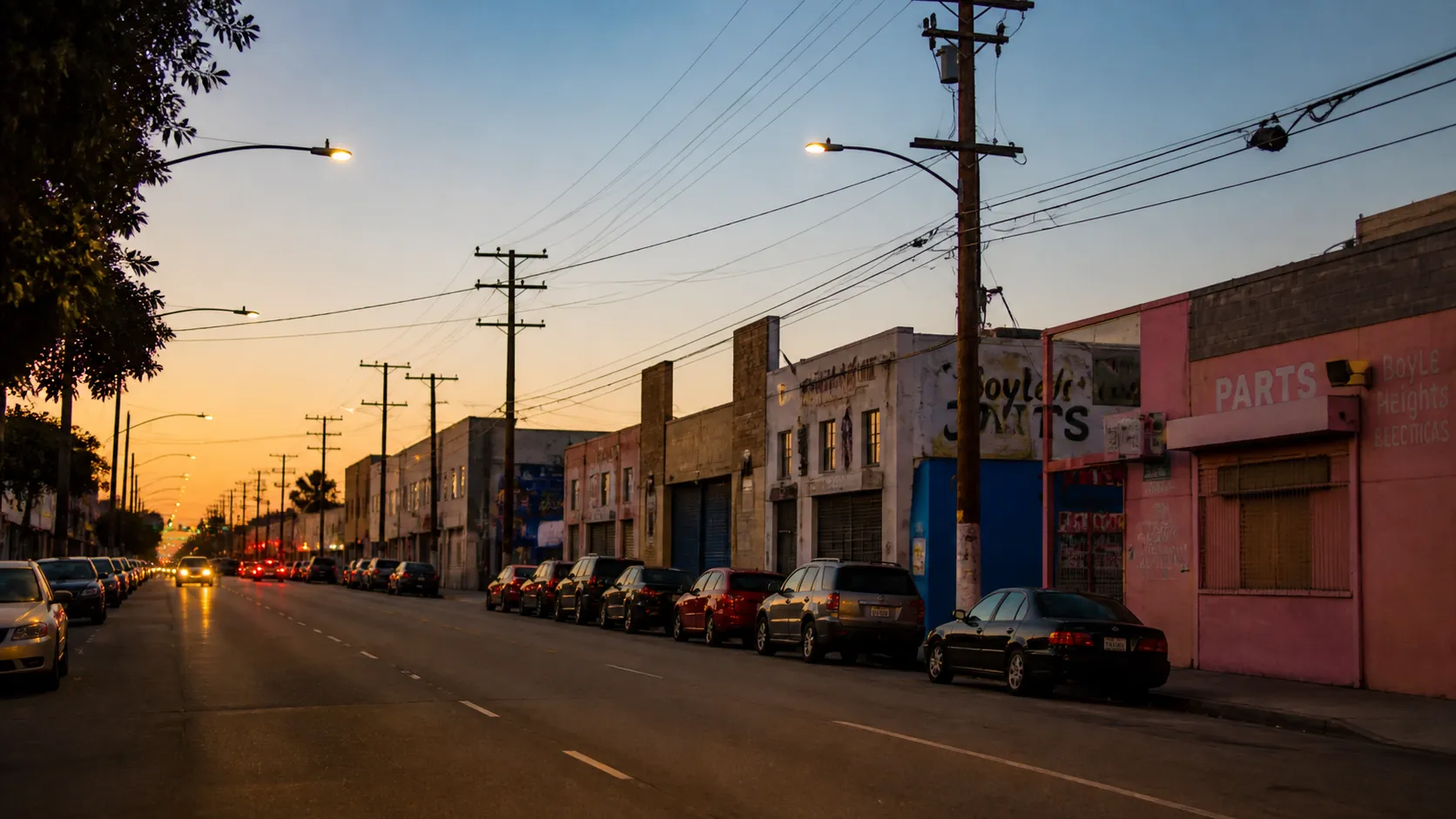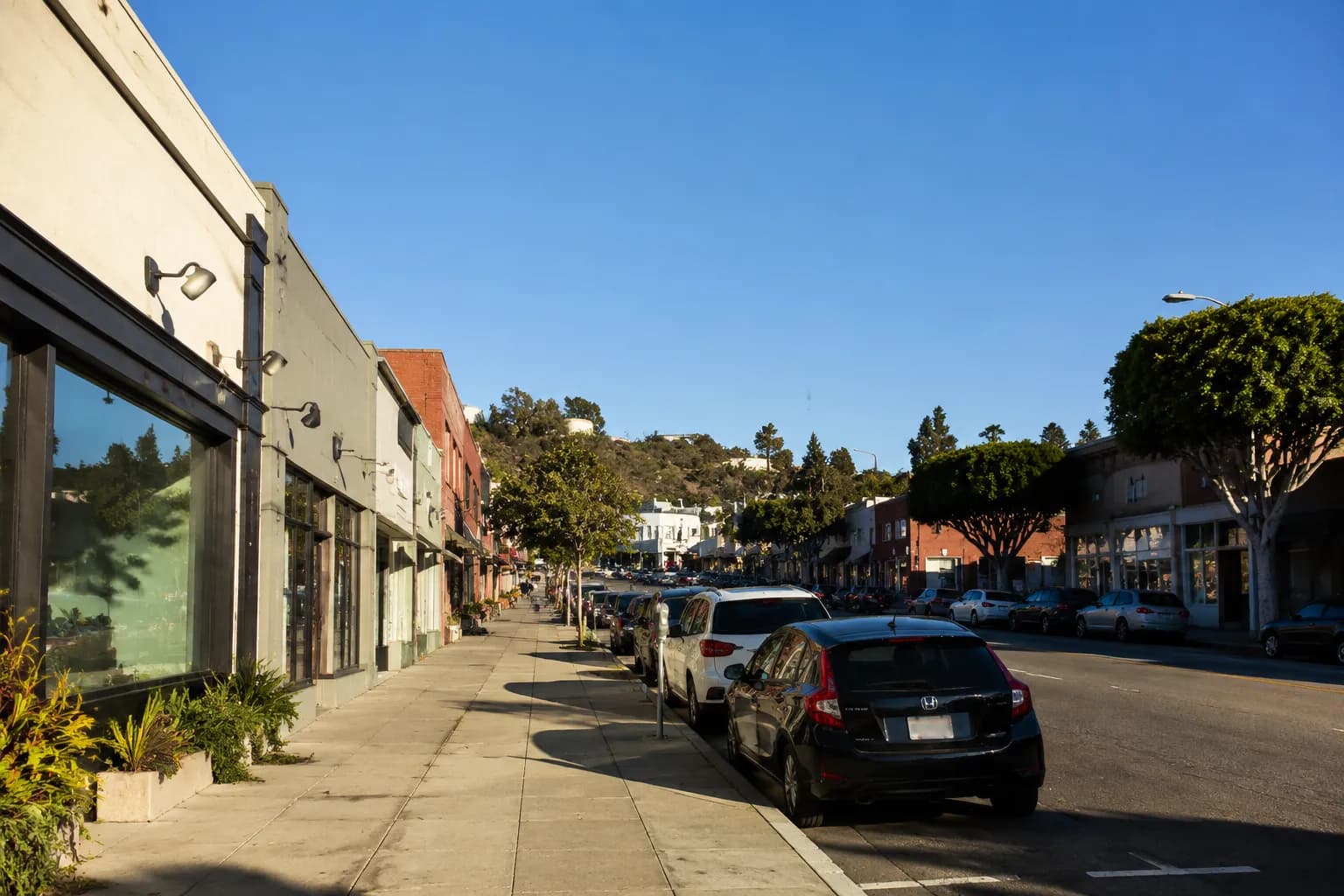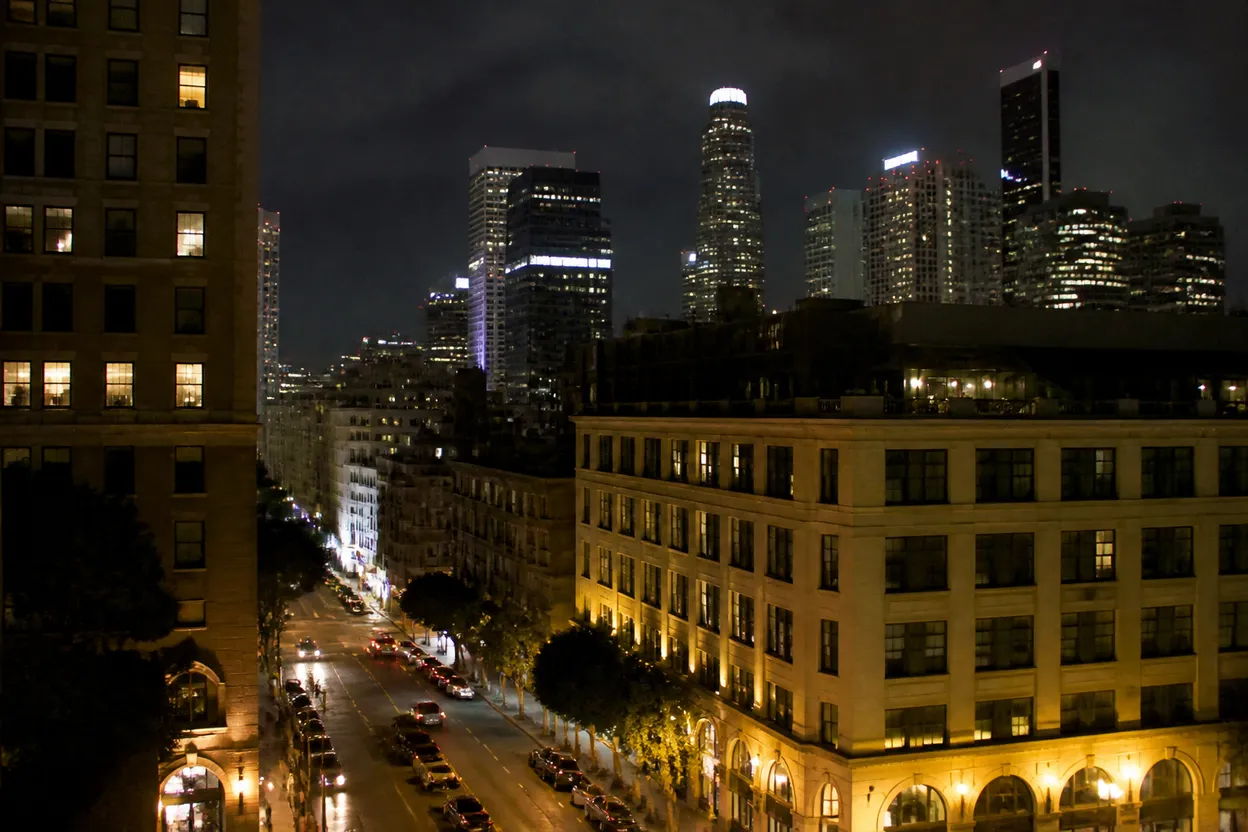
Los Angeles nightlife works best when the plan is narrow, public, and easy to abandon. For Friday, August 7, 2026, treat nico parker as a conversation starter, not as evidence that anyone famous will be in the room. This route is built for a citywide night out with two public stops, a short neighborhood transfer, and a backup decision point before the crowd or noise level owns your evening. Use official venue pages, Discover Los Angeles listings, and Metro’s real-time tools before you leave. The goal is not to “find the scene.” It is to choose a manageable version of LA: confirm what is open, know how you are moving, and keep one alternate room ready.
Want a cleaner Los Angeles night-out plan before you commit? Text Karpo with your starting neighborhood, preferred sound level, and latest return time, and ask for a verified two-stop route.

Use the topic as the night’s conversation starter
A search spike around nico parker can be useful without turning the night into rumor-chasing. Keep it as the opener at the first table: what people are watching, which performances are getting discussed, and how film talk travels through Los Angeles. Do not build the plan around an assumed appearance, private event, brand tie-in, or insider room. Nothing in the official city or transit sources provided confirms any such local activity.
That distinction matters in LA. The city has a long film-location and arts-culture identity, and Discover Los Angeles promotes itineraries tied to film locations, arts and culture, dining, vintage LA, streetwear, outdoors, and pet-friendly stops. Use that public-facing city context to shape the night. A good conversation hook should make the first round easier, not make the group stand outside an unverified door.
Choose sound level before cocktails
Before naming a first stop, decide what kind of room you can actually enjoy. If the group wants conversation, begin earlier and choose a bar where the official page suggests reservations, access rules, or programming can be checked before arrival. If the group wants energy, make the second stop the louder one. Do this before drinks, because switching from a crowded high-volume room to a calmer one is easier when everyone has already agreed on the threshold.
Use Discover Los Angeles as the citywide starting point because it maintains Eat & Drink and Bars coverage, including a guide to LA rooftop bars. The extract does not provide individual venue details here, so do not assume hours, dress codes, cover charges, seating, or rooftop access. Open the official page for the specific place you choose and verify the current night’s conditions. Screenshots age quickly; official pages and direct venue channels are safer.
Build a walkable two-stop route
For a simple city-scope plan, anchor the route in Downtown and the Arts District. Both appear in the official Los Angeles tourism neighborhood material, and they give you a practical two-stop shape: first, a confirmed Downtown bar where you can talk; second, an Arts District room if the group still wants another drink, a different room, or a more kinetic end to the night. Keep the walking portion short enough that a rideshare or transit pivot is still reasonable if the sidewalks, heat, or crowd feel wrong.
Set the first arrival window early enough to learn the room. If the first venue is too loud, too full, or running a program you did not expect, you have not burned the whole night. If it works, stay longer and treat the second stop as optional. This is the LA nightlife move that visitors often miss: the win is not completing every stop, it is avoiding a bad second decision.
Do not rely on celebrity logic. A nico parker discussion belongs inside the group chat and at the table; it should not determine which door you approach. Pick places that are publicly listed, legally accessible to your party, and clear about age rules and entry expectations on their own channels.
Keep food and late transit in the plan
Los Angeles rewards people who plan food before the last drink. Discover Los Angeles describes the city as one of the world’s great food cities, from food trucks to Michelin-starred tasting menus, but that broad claim is not a guarantee that your chosen block will have late food when you need it. Check official restaurant or bar pages before leaving, especially if the group includes people who will need a real meal between stops.
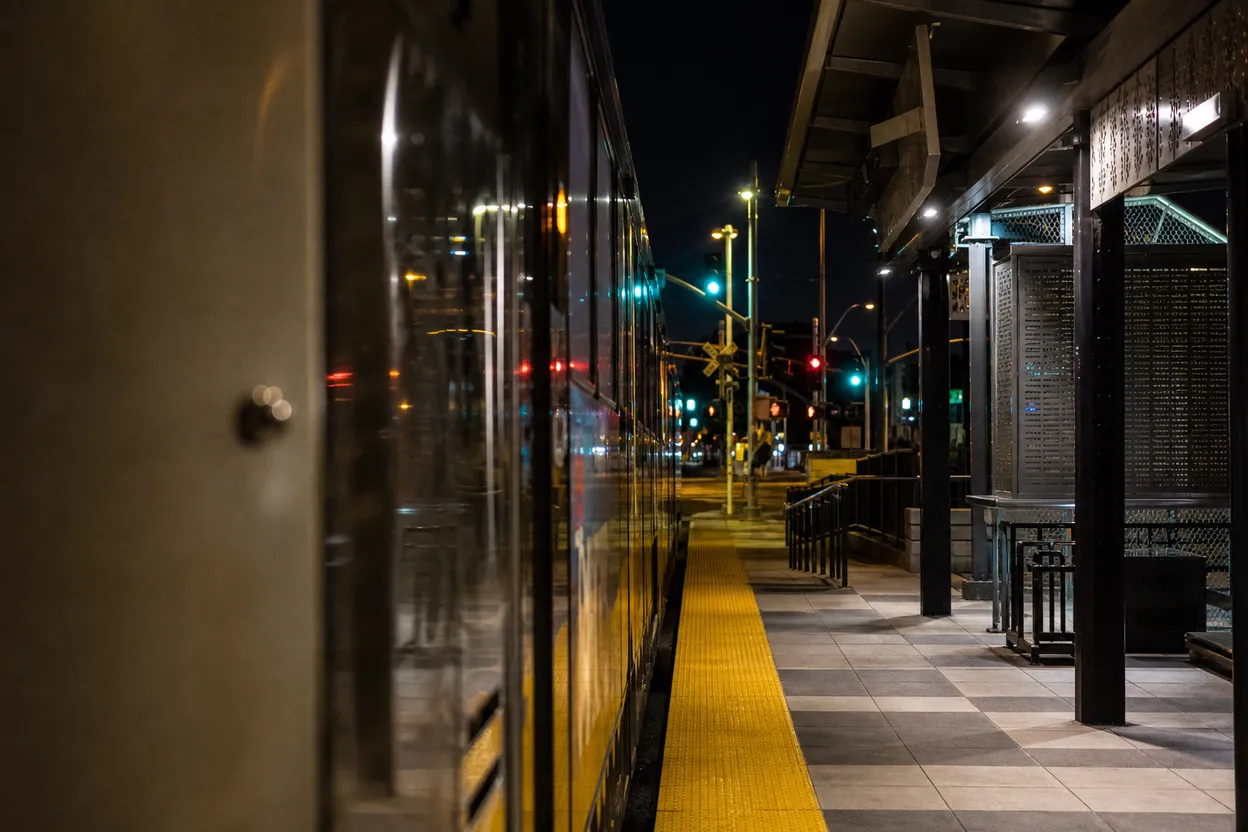
For transit, use Metro’s own tools rather than memory. Metro says its official app provides real-time arrivals, step-by-step directions, and service alerts, and its site highlights trip planning, alerts, maps, and schedules. The same official extract notes that riders can pay fare by tapping a credit or debit card, in plastic or digital form, on buses or at train stations. Confirm your actual route before the first drink, then check it again before the second stop.
If your starting point is near the D Line extension area, Metro’s official material says new stations at La Brea, Fairfax, and La Cienega connect Mid-Wilshire with Koreatown and Downtown LA. That can make a Downtown plan more workable for some groups, but it still requires real-time verification on the night you ride.
Know when to switch to the backup room
Choose the backup before you need it. The backup should not be “somewhere cooler”; it should be a public bar or lounge in a nearby neighborhood with an official page you can check from the sidewalk. If your main route is Downtown to the Arts District, the backup can stay within that same general area, or it can pivot toward another official LA tourism neighborhood such as Los Feliz, Koreatown, or Mid-Wilshire if transit and time still make sense.
Switch early when the risk is obvious: the line is not moving, the door policy is unclear, the music level kills conversation, the group is split on staying, or the next transit option is slipping away. A backup room is not a consolation prize; it is how you keep the night social instead of logistical. If the first stop is good, skip the backup. If the second stop looks messy, use it.
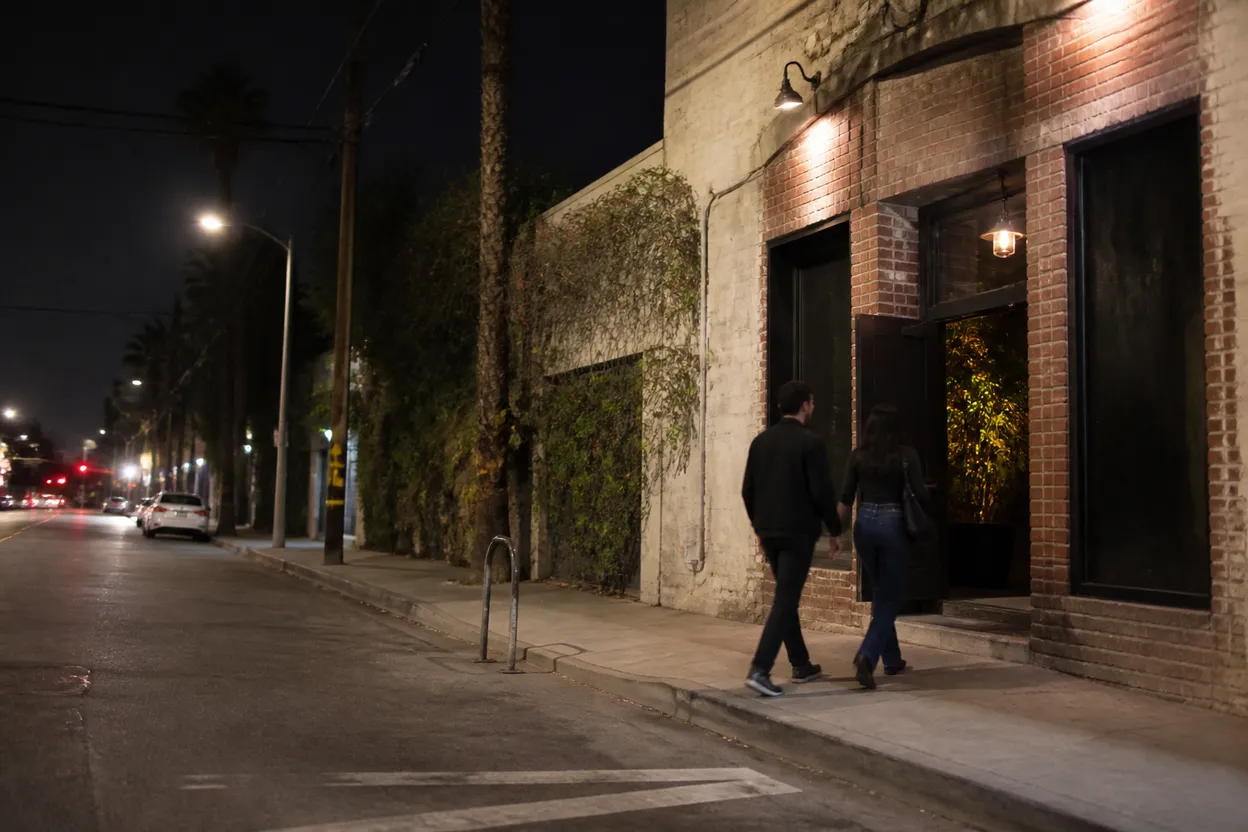
Verify the night’s program before leaving
The final check should happen close to departure. Open the official venue pages for both planned stops and confirm the basics that change: hours, reservations, age requirements, private-event closures, special programming, kitchen status, rooftop access, accessibility notes, and entry expectations. Then open Metro’s app or site for service alerts and arrivals. Do not treat an old social post, a map pin, or a friend’s memory as final authority.
Also check the broader city calendar if your route crosses event traffic. Discover Los Angeles publishes upcoming events, and the extract for this period lists major music and cultural programming across August and September 2026, including performances on August 8, August 9, August 10, and later dates. Those listings do not prove crowding on your block, but they are a useful reminder that Los Angeles nightlife often intersects with concerts, tourism, dining weeks, and neighborhood movement.
End with one group message: first stop, second stop, backup, transit plan, and latest leave time. That small discipline keeps the nico parker hook in its proper place—as a timely topic for the night, not a reason to suspend ordinary LA verification.
Tags: #nicoParker #LosAngeles #LANightlife #LABars #BarsNightsOut #DowntownLA #ArtsDistrictLA #LAMetro #RooftopBars #NightOutPlan #PublicAccess #CrowdCheck #AskKarpo #BeforeYouGo
Sources consulted: discoverlosangeles.com · metro.net · laparks.org
All trademarks are the property of their respective owners.
Ask Karpo first
Ask Karpo first if the plan depends on timing, transit, or a specific door. Send your starting point, preferred neighborhood, sound tolerance, and return deadline, and Karpo can help turn a vague Los Angeles night out into a verified public route.