 Haaland Has Seven Goals and Norway Runs Entirely Through Him
⚽️2026 FIFA WORLD CUP
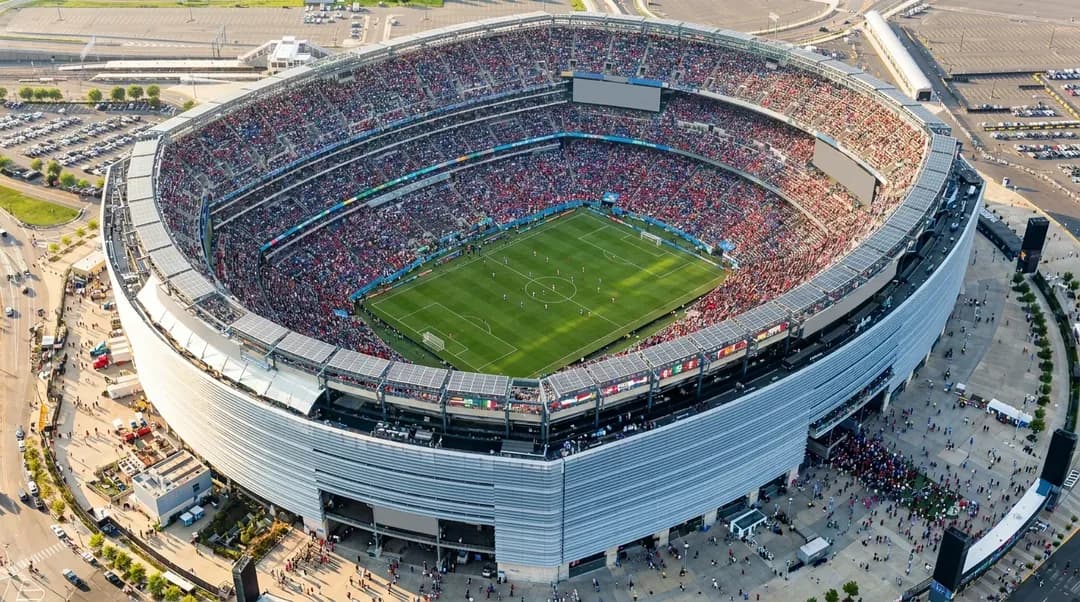
New York New Jersey Stadium Held 80,663 Final Fans
FIFA confirmed that New York New Jersey Stadium seated 80,663 fans for the 2026 World Cup final. The East Rutherford venue delivered the largest single-match attendance figure of the tournament on July 19.
New York New Jersey Stadium welcomed 80,663 spectators for the 2026 FIFA World Cup final on July 19, cementing its place as the tournament's single-match attendance leader. FIFA's official tournament capacity confirmation placed the East Rutherford facility at the top of the host venue roster, a distinction that aligned with its selection to stage the championship match across a summer that saw 16 cities in Canada, Mexico and the United States share hosting duties.
Text Karpo to explore how stadium capacity planning shapes major tournament logistics, from ticketing strategy to infrastructure investment, and discover which other 2026 venues approached six-figure attendance marks.
Tournament Capacity and Venue Selection
FIFA's decision to list New York New Jersey Stadium at 80,663 seats reflected both the facility's physical footprint and the governing body's approach to balancing commercial opportunity with operational safety. Tournament capacity figures typically differ from regular-season configurations because World Cup staging requires dedicated media zones, VIP hospitality areas, broadcast compounds and additional security corridors that reduce available public seating. The 80,663 figure represented the maximum number of spectators FIFA determined could be safely accommodated while meeting international tournament standards.
The confirmation process for stadium capacities involves months of planning between FIFA, local organizing committees and venue operators. Engineers assess sightlines, emergency egress routes, concession distribution and accessibility compliance before settling on a final number. For New York New Jersey Stadium, the capacity designation positioned it ahead of other large-scale venues in the tri-national hosting arrangement, making it a natural candidate for the tournament's most prestigious fixture.
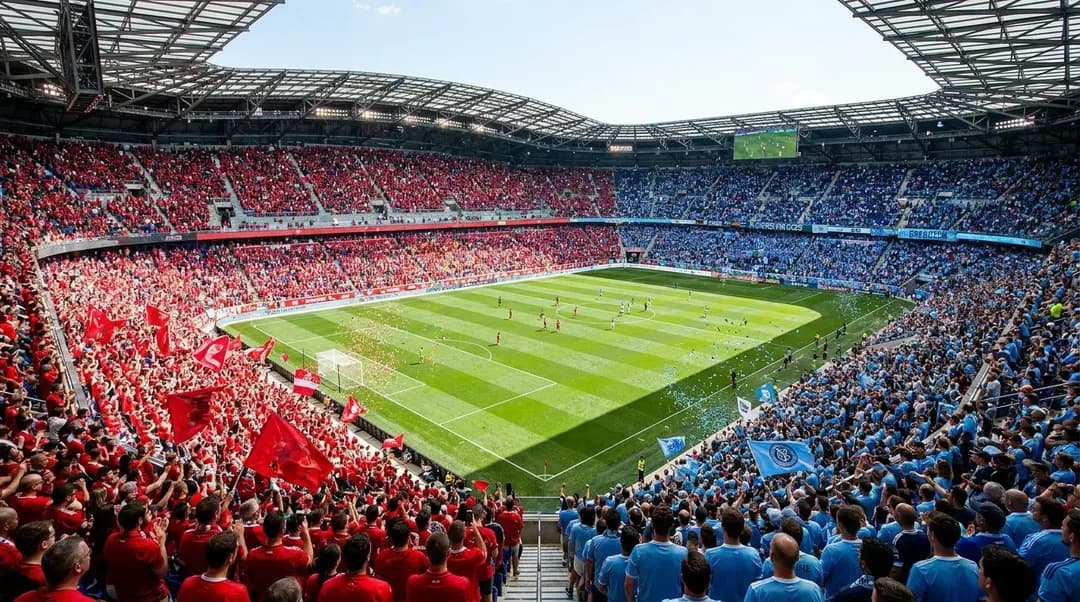
Final Day Scale in Historical Context
The 80,663 attendance mark for the July 19 final represents a significant data point in World Cup history, though direct comparisons across tournaments require context. Earlier World Cup finals played in stadiums with different architectural standards, safety regulations and seating configurations have recorded both higher and lower attendance figures. What makes the 2026 capacity notable is its placement within a modern tournament framework that prioritizes spectator experience and safety protocols developed over decades of mega-event evolution.
Hosting a final with more than 80,000 spectators demands infrastructure capable of managing arrival and departure flows, security screening at scale and real-time crowd monitoring. The East Rutherford location benefits from proximity to New York City's transportation networks, including rail connections and highway access designed to handle large-scale events. These logistical factors likely influenced FIFA's venue selection as much as the raw seating count, since tournament success depends on delivering a safe, efficient experience for every attendee.
The Sixteen-City Hosting Model
The 2026 World Cup's expansion to 16 host cities across three countries marked a departure from previous tournament structures. Spreading matches across Canada, Mexico and the United States required FIFA to coordinate venue standards, capacity targets and operational protocols across different regulatory environments and stadium ownership models. New York New Jersey Stadium's capacity made it an anchor venue within this distributed network, capable of absorbing demand for high-profile knockout rounds.
Each of the 16 cities offered distinct venue characteristics, from climate-controlled indoor facilities to open-air stadiums in varied climates. The geographic spread aimed to bring World Cup matches within reach of more fans across North America while testing FIFA's ability to manage a continental-scale tournament. New York New Jersey Stadium's role as the final host demonstrated confidence in the venue's ability to deliver on the operational complexity that a multi-nation tournament requires, particularly for a match day when global attention peaks.
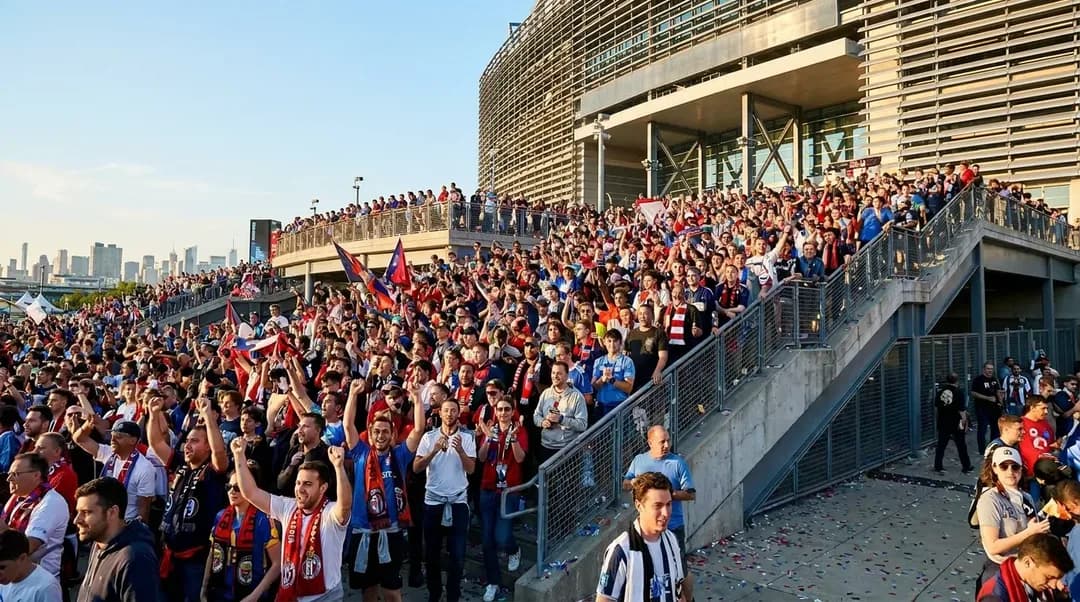
Economic and Planning Implications
An 80,663-seat capacity carries substantial economic implications for tournament organizers and host communities. Ticket revenue from the final alone represents a meaningful portion of FIFA's tournament income, while local businesses benefit from hospitality spending by traveling supporters, media delegations and FIFA stakeholders. The months of planning required to activate a venue of this scale involve coordination among security agencies, transportation authorities, hospitality providers and broadcast teams whose work underpins the visible spectacle.
Stadium capacity also influences pricing strategy and ticket allocation. With global demand for final tickets far exceeding available seats, FIFA's distribution model must balance public sales, sponsor allocations, national federation requests and hospitality packages. The 80,663 figure set the boundary within which these competing interests negotiated access, making capacity not just a physical constraint but a fundamental input to the tournament's commercial architecture.
Infrastructure and Spectator Experience
Delivering a quality experience for more than 80,000 spectators requires infrastructure that extends well beyond seating. Concession stands, restroom facilities, medical stations and accessible seating areas must all scale proportionally to crowd size. New York New Jersey Stadium's design accommodates these needs through multiple concourse levels, distributed service points and technology systems that manage entry flow and security screening. The tournament capacity figure reflects not just how many seats exist, but how many people the entire facility can serve effectively during a single event window.
Modern stadium operations increasingly rely on digital systems to enhance spectator experience and safety. Mobile ticketing, cashless payment systems, and real-time crowd density monitoring all contribute to managing large-scale events. For the World Cup final, these systems operated under maximum load conditions, with FIFA's reputation and the safety of tens of thousands depending on their reliability. The successful staging of an 80,663-person event provides a reference point for future mega-events considering similar scales.
Legacy and Future Tournament Planning
The capacity and operational performance of New York New Jersey Stadium during the 2026 final will inform FIFA's approach to future tournament planning. As soccer's global popularity continues to grow, governing bodies face ongoing questions about optimal venue size, geographic distribution of matches and the balance between accessibility and spectacle. The data generated from an 80,663-person event—from transportation patterns to concession consumption rates—feeds into planning models for subsequent World Cups.
Beyond FIFA's institutional learning, the successful hosting of a World Cup final at this scale enhances the venue's profile for future international competitions, concerts and sporting events. The infrastructure investments and operational expertise developed for tournament use create lasting value for the host region, while the global broadcast exposure associated with hosting a final watched by hundreds of millions elevates the venue's place in soccer history. The 80,663 figure becomes part of that legacy, a marker of the day when East Rutherford stood at the center of the world's most-watched sporting event.
Tags: #WorldCup2026 #NewYorkNewJerseyStadium #EastRutherford #FIFAFinal #StadiumCapacity #WorldCupFinal #SoccerInfrastructure #MegaEventPlanning #NorthAmericaSoccer
All trademarks are the property of their respective owners.
Ask Karpo First
Planning to attend a major tournament match or curious about how stadium capacity decisions affect your ticket-buying strategy? Reach out to Karpo for insights on venue selection criteria, capacity trends across international competitions and the logistical factors that determine which stadiums host championship fixtures.
Ask Karpo for more information.
Keep reading
- Haaland Has Seven Goals and Norway Runs Entirely Through Him
 World Cup Trophy Ceremony Timing Medals and Postmatch Celebrations
 Olise and France's Attack: The Semifinal Tactical Question