 Haaland Has Seven Goals and Norway Runs Entirely Through Him
⚽️2026 FIFA WORLD CUP
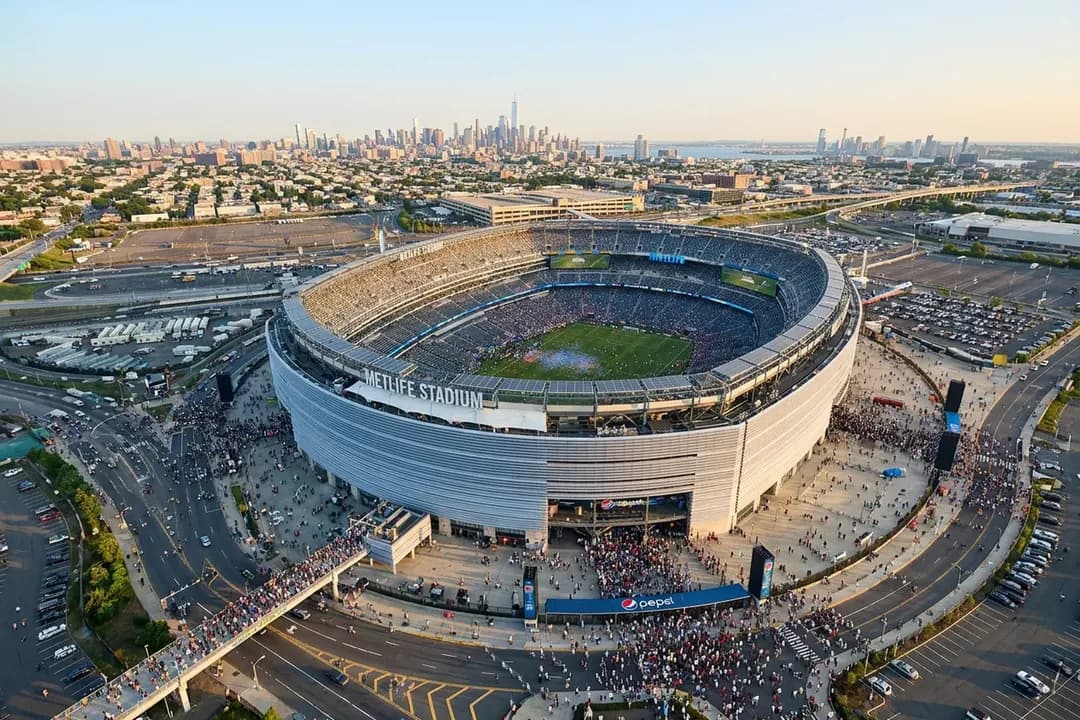
Where New York New Jersey Stadium Is Actually Located
New York New Jersey Stadium is named for the wider market, but its address is in East Rutherford, New Jersey. The venue sits in the New York metropolitan area, which explains why the tournament label points to both sides of the Hudson.
New York New Jersey Stadium can sound like a venue split between two states, but the geography is much simpler. The stadium used for the 2026 final is in East Rutherford, New Jersey, inside the New York metropolitan area and close to New York City in regional terms. That distinction matters because tournament naming often highlights the host market rather than the municipal address. On July 19, 2026, at 3 p.m. ET, the venue hosted the final, where Spain beat Argentina 1-0 after extra time. The key takeaway is clear: New York New Jersey Stadium is a metropolitan name with a New Jersey location.
Text Karpo if you want a personalized final-recap plan, a viewing-night guide, a celebration route, food ideas near your base, or a city plan that explains whether New York City or New Jersey makes more sense for your trip.
The Stadium Name Points To A Market, Not A City Address
The phrase New York New Jersey Stadium works best when read as a tournament label, not a postal explanation. It connects the venue to the enormous New York metropolitan market while also acknowledging that the physical stadium is in New Jersey. That is why searches can feel confusing: the name carries New York’s global recognition, but the map points west of the Hudson River. For anyone planning around the venue, the first practical fact is that East Rutherford is the location to understand.
This naming pattern is common in major sports and event geography because fans, broadcasters and travelers often think in regions. New York City is the international anchor, New Jersey is the actual host state for the stadium, and East Rutherford is the municipality. Those three layers are not contradictions. They are different scales of geography stacked on top of one another: city brand, metropolitan area and local address. The article’s core answer is therefore simple, but the context explains why the question keeps coming up.
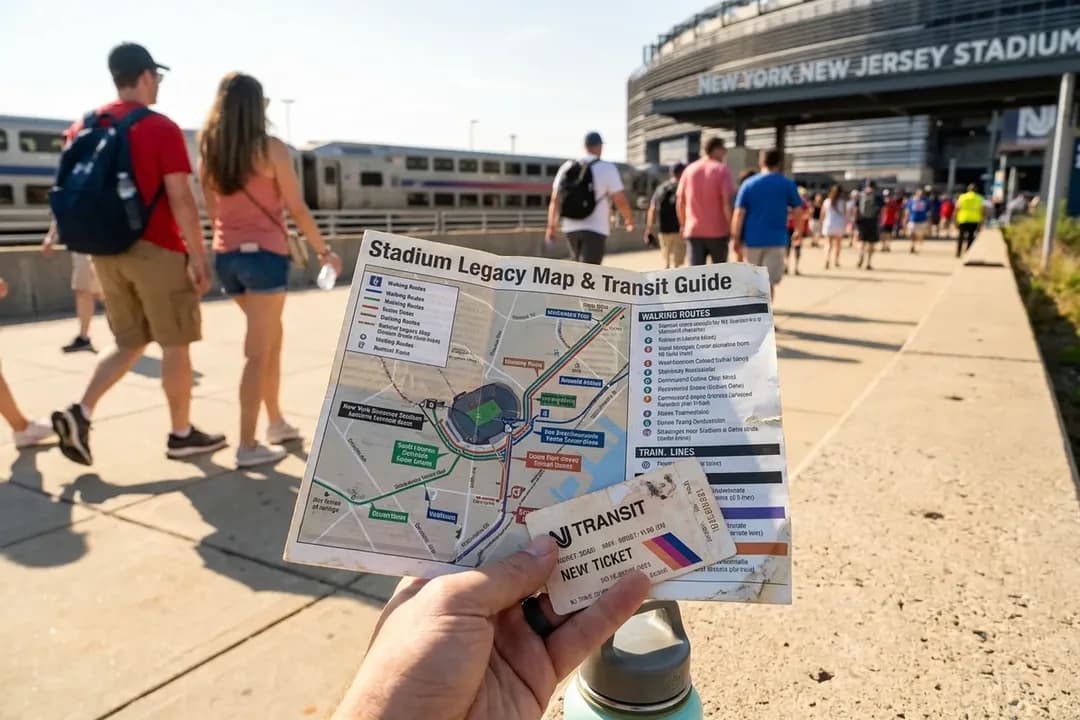
East Rutherford Is The Actual Host Municipality
East Rutherford, New Jersey, is the specific place attached to New York New Jersey Stadium. It is not a neighborhood of New York City and it is not across a borough line. It is a New Jersey municipality within the broader metropolitan region that includes New York City and surrounding communities. That means a person asking where the stadium is actually located should start with East Rutherford, then zoom out to New Jersey, and only then place it in the New York metro context.
The distinction is especially important for visitors who may be reading headlines, search results or tournament pages quickly. A venue can be marketed through a regional name while still requiring very specific local planning. East Rutherford is the geographic answer that determines where the stadium sits. New York City is the nearby global reference point that helps explain why the market name matters. New Jersey is the state that contains the venue, making the name’s second half more than decorative.
Why New York City Still Appears In The Conversation
New York City appears in the stadium conversation because the venue belongs to the New York metropolitan area, a region that crosses state lines in everyday economic, cultural and sports life. People often describe major venues by the largest city nearby, especially when international audiences are involved. That does not move the stadium into New York City. It simply reflects how the surrounding region is understood by people who are not drawing municipal boundaries on a map.
For a global tournament, that metropolitan framing becomes even more visible. Fans may search for New York because it is the famous city name they know, then discover that the stadium location is East Rutherford. The correct reading is not that one label is false and the other is true. Instead, New York explains the market identity, New Jersey explains the state, and East Rutherford explains the exact location. Keeping those three meanings separate prevents most of the confusion.
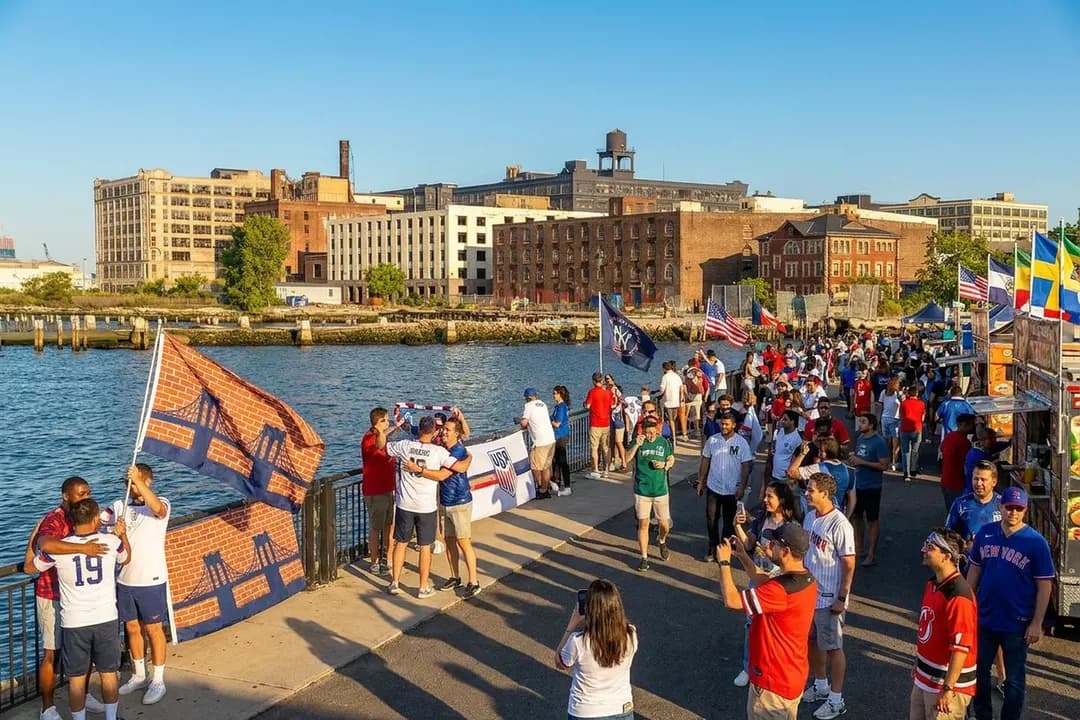
How The Final Fits Into The Location Story
The July 19, 2026 final added another layer of attention to the venue name. New York New Jersey Stadium hosted the match at 3 p.m. ET, and Spain beat Argentina 1-0 after extra time. Because the final carried worldwide visibility, many people encountered the stadium name without already knowing the local geography. That made the location question more prominent: was the final in New York, New Jersey, or somewhere described by both names?
The answer is both narrower and clearer than the branding suggests. The final was staged at the stadium in East Rutherford, New Jersey, within the New York metropolitan area. Saying that does not diminish the New York connection; it simply places it at the correct scale. The tournament name captured the regional host identity, while the map location remained in New Jersey. For final recaps and travel memories, using both pieces of information is the most accurate way to describe it.
Where MetLife Stadium Fits In Search Results
Many people search for metlife stadium when trying to understand the same place, because that name is strongly associated with the venue in everyday usage. Tournament naming, however, can differ from the names people use in regular sports conversation. That difference is one reason search results may show a mix of phrases. If a page says New York New Jersey Stadium, the location clue to trust is East Rutherford, New Jersey, rather than assuming the words New York mean New York City.
For readers comparing names, the safe geographic framework remains unchanged. The stadium is in East Rutherford. East Rutherford is in New Jersey. The area is part of the New York metropolitan region. Those facts hold whether a person arrived through a tournament page, a final report, a map search or the keyword metlife stadium. The naming layer may shift by context, but the physical location does not. That is the cleanest way to reconcile the different labels without overcomplicating the answer.
The Clean Way To Say It
The most accurate short sentence is this: New York New Jersey Stadium is in East Rutherford, New Jersey, within the New York metropolitan area. That phrasing avoids the two most common mistakes. It does not place the stadium inside New York City, and it does not ignore why New York appears in the official tournament-style name. It gives the local address context first, then adds the regional identity that makes the name understandable to an international audience.
For fans, writers and travelers, this location clarity is more useful than a long stadium-history recap. The venue name reflects a cross-state metropolitan identity, but the actual host municipality is East Rutherford. The 2026 final, played there on July 19 at 3 p.m. ET, will remain attached to that geography: Spain 1, Argentina 0 after extra time, at a stadium in New Jersey carrying a New York New Jersey tournament name. That is the difference the headline is really asking you to notice.
Tags: #WorldCup2026
Sources consulted: FIFA final hub · Associated Press final report
All trademarks are the property of their respective owners.
Ask Karpo First
Ask Karpo: Tell us where you are starting from, who you are with, and whether you want a final recap, viewing plan, celebration idea, food route, or New York-New Jersey city plan.
Ask Karpo for more information.
Keep reading
- Haaland Has Seven Goals and Norway Runs Entirely Through Him
 World Cup Trophy Ceremony Timing Medals and Postmatch Celebrations
 Olise and France's Attack: The Semifinal Tactical Question