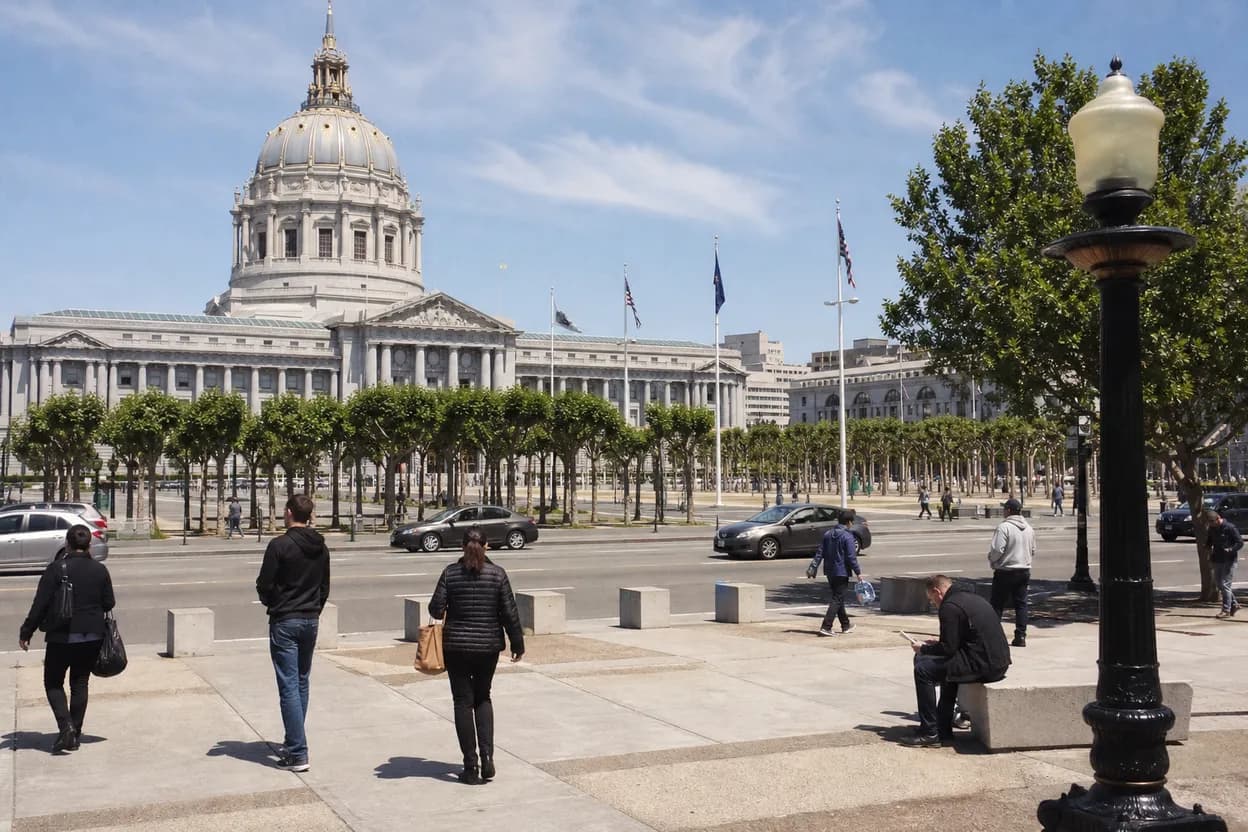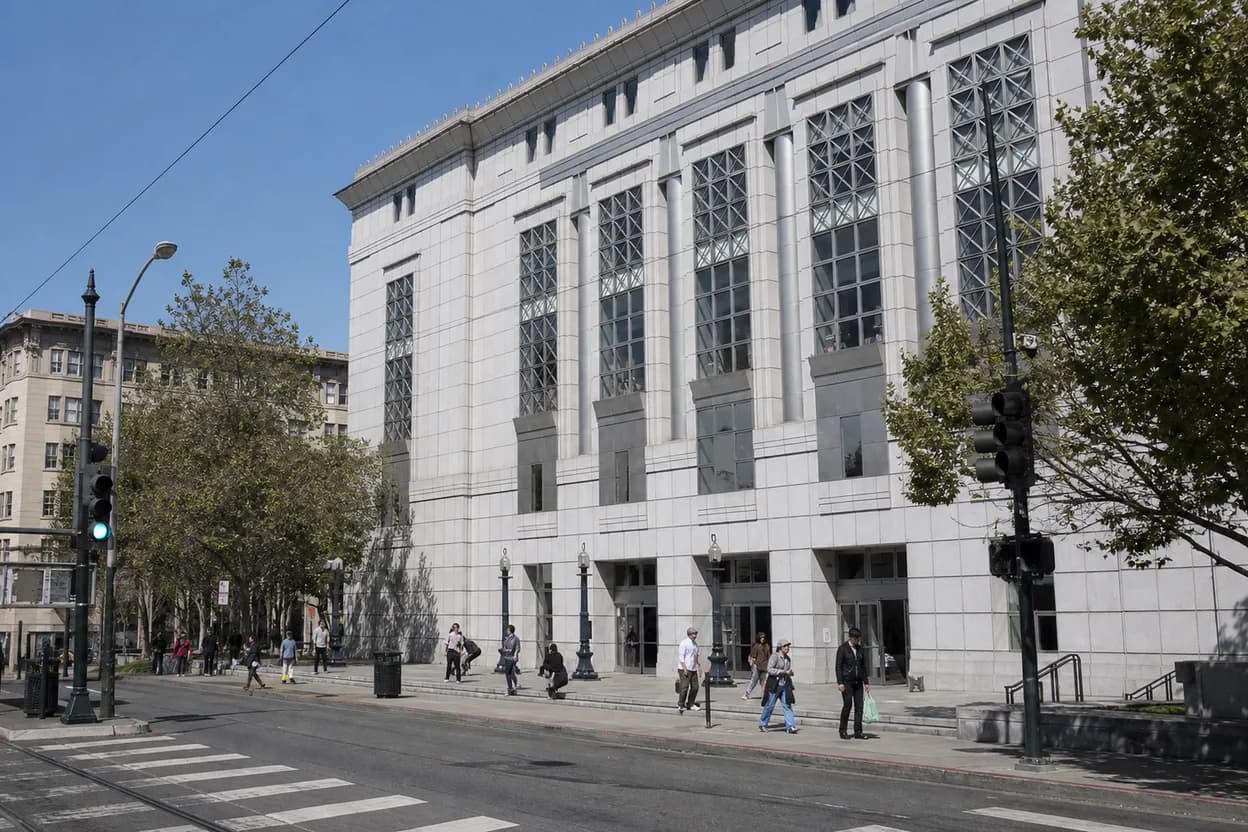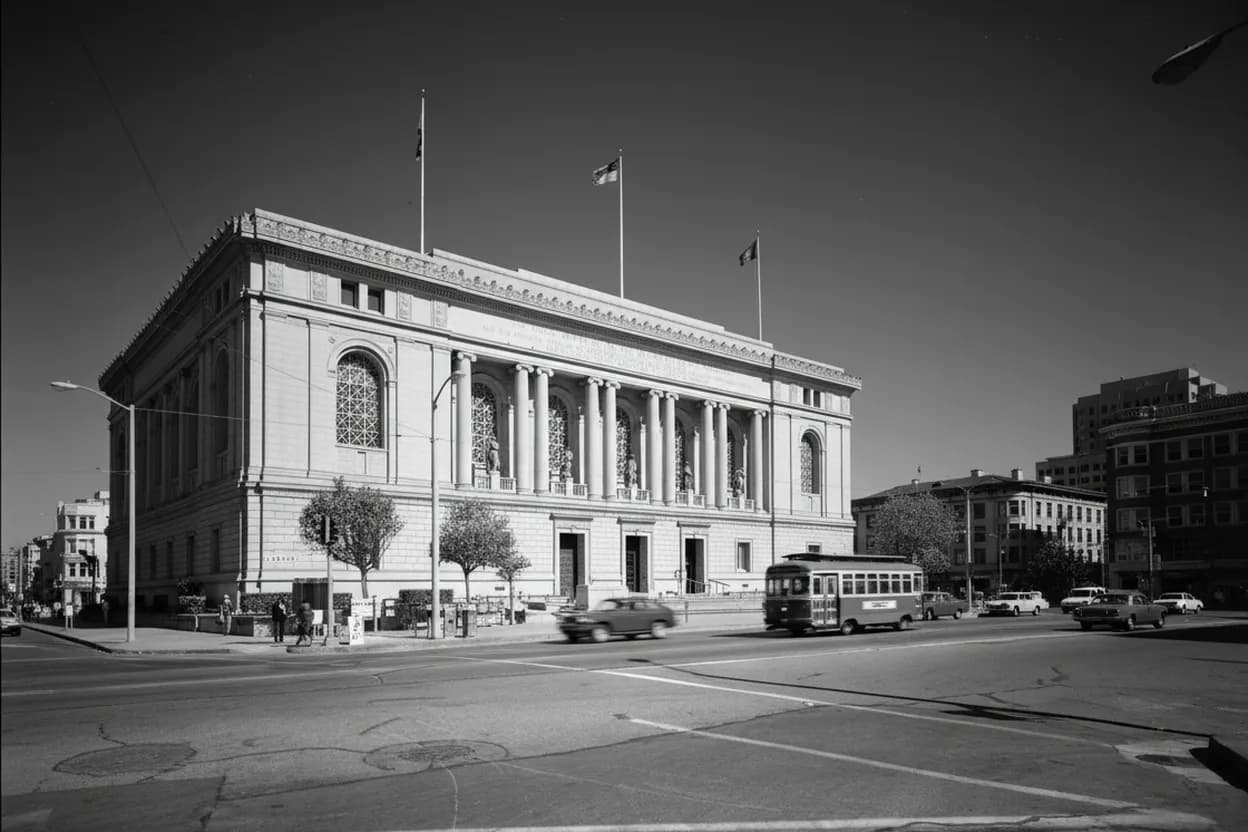
San Francisco families heading into the school year can turn a trending nbc news search into a practical media-literacy afternoon at the San Francisco Public Library Main Branch. The point is not to judge one outlet in isolation. It is to compare a news story with original documents, local reporting, library databases, and official city pages while everyone is still calm enough to think. On Wednesday, August 5, 2026, the Main Library’s official listing shows Wednesday hours as 9 a.m. to 8 p.m., making an overcast afternoon a workable window. Treat the plan as a guided lab: choose one claim, trace it, and leave with a repeatable habit.
Want a tighter Civic Center route before you go? Text Karpo for a tap-friendly library, BART, database, and backup plan matched to today’s San Francisco conditions.

Start at SF Main Library, 100 Larkin Street
Begin at the Main Library because it gives the outing a neutral setting and a clear endpoint. SFPL lists the branch at 100 Larkin Street with public WiFi, printing, study rooms, transit information, and research services. For a family group, set a 75-to-90-minute cap before anyone opens a browser. Pick one current NBC News story or explainer, write down its central claim, and agree that the goal is verification, not winning an argument.
The useful tradeoff is focus. The Main Library can absorb a whole afternoon, but a media-literacy lab works better with one narrow question: who said it, what evidence is cited, and what would confirm or weaken it? If a child or teen is involved, assign roles: headline reader, source finder, date checker, and local-impact checker. That keeps the outing practical and prevents the common failure mode of wandering through too many tabs.
Use The Bridge on the 5th Floor for Tech Help
The Bridge at Main is SFPL’s literacy and learning center on the fifth floor, and its official page says it offers technology assistance and classes, including one-to-one help in English, Cantonese, or Spanish by appointment. That makes it a smart stop if someone is not comfortable with browser tabs, PDFs, or library logins. Do not assume staff can fact-check the article for you; use them to solve access and navigation problems.
For pacing, visit The Bridge only after you know what you are trying to verify. Bring a written question such as, “How do we find the original agency report cited in this article?” or “Which database has full newspaper text?” The backup is simple: if appointments are unavailable or staff are busy, move to the Magazines and Newspapers Center or Ask a Librarian, then save the technology question for a later weekday session.
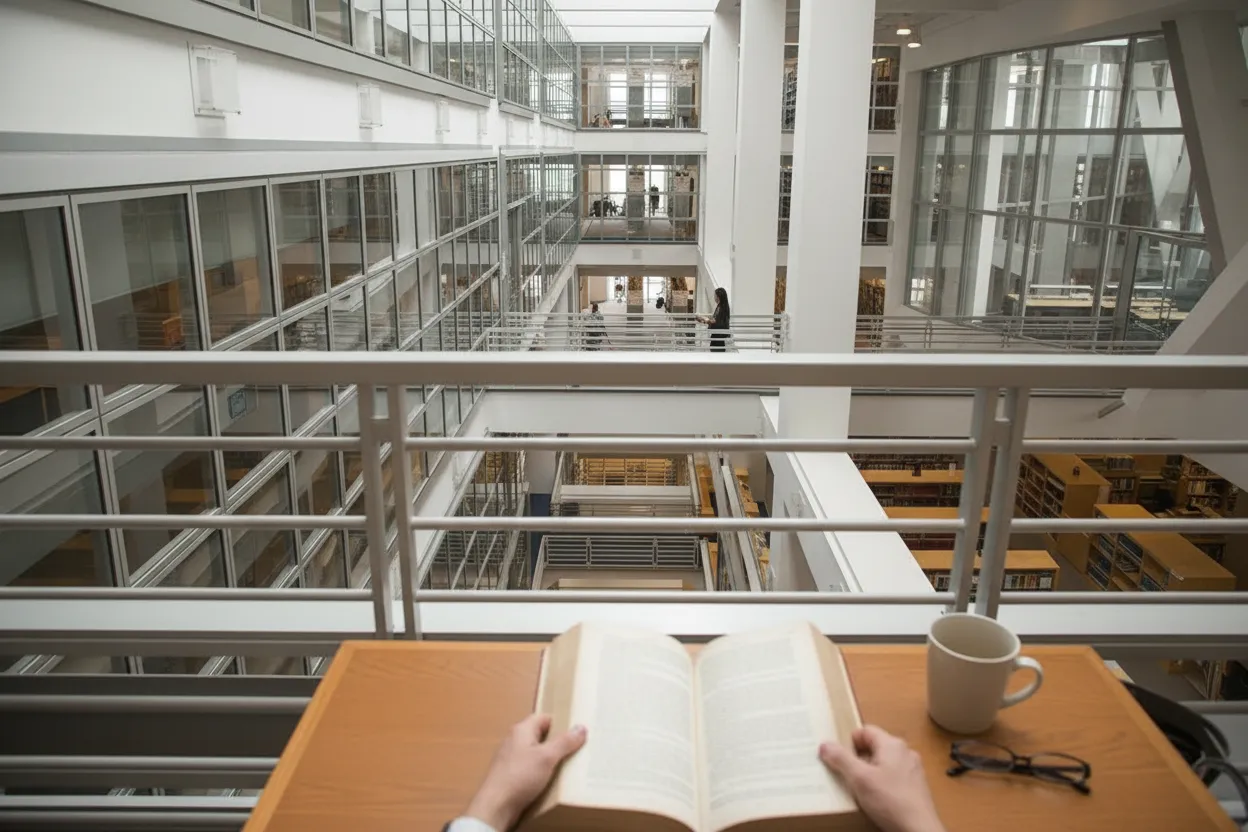
Check PressReader and Periodical Finder Before Search Engines
SFPL’s Articles and Databases page lists PressReader as a full-text current newspaper collection with same-day publication for many titles and a 60-day back file. It also lists Periodical Finder for locating full-text periodicals through subscriptions or in print. These tools are better first stops than a general web search because they reduce duplicate summaries, scraped snippets, and low-context reposts that can distort what the original reporting actually said.
Use database results to compare three layers: the NBC piece, another reputable account, and any named source document. If the story concerns San Francisco, add a local source such as an agency page, meeting document, or local news article. The failure mode is assuming absence equals falsehood. Some databases lag, some titles are not included, and some official documents sit outside news databases entirely. Mark missing items as “not found here,” not “not real.”
Pull Primary Documents From SF Government Pages
A calm verification habit is to separate reporting from records. For San Francisco topics, look for city department pages, public meeting materials, agency notices, or official maps before relying on social posts. SFPL’s Main Library page notes unique research collections including the San Francisco Government Information Center, which is relevant when a story mentions local policy, budgets, facilities, or public services. Ask where local government records would live before accepting a summary.
This step is medium difficulty because official pages can be fragmented. Families should split the task: one person searches the exact agency name, another searches the document title, and another checks dates. If a changing fact cannot be confirmed, say so plainly in the notes: “Verify with the city department before acting.” That is especially important for access rules, closures, school dates, legal requirements, or public-safety claims.
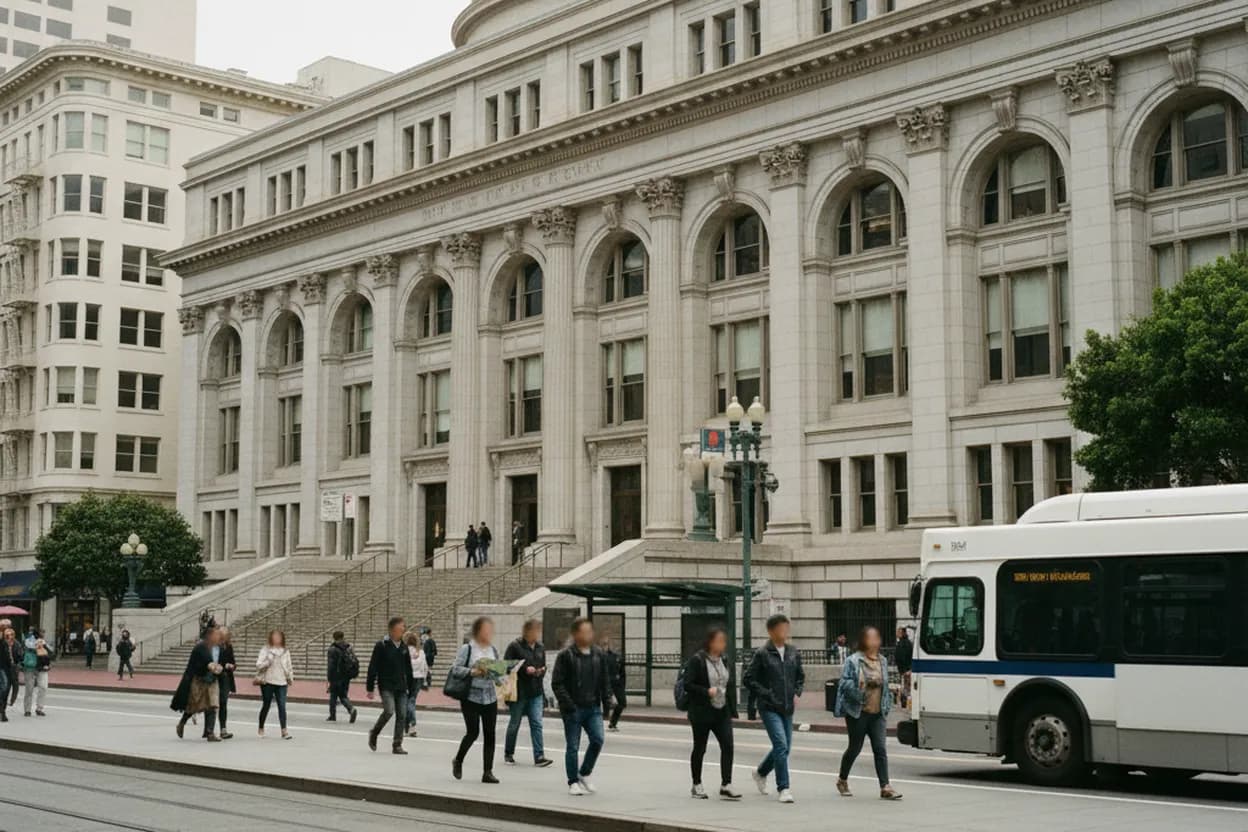
Arrive by Civic Center/UN Plaza BART With a Plan B
BART’s Civic Center/UN Plaza station page identifies the station as near the Main Branch of the San Francisco Public Library and lists service from multiple lines. It also notes that two elevators are needed for street-to-train access and that riders should check elevator outage options. On August 5, 2026, the station news area also listed a UN Plaza entrance stairway closure running August 3 through August 12, so verify routing before leaving.
For families, BART is usually the cleanest Civic Center approach, but it has tradeoffs: station navigation, elevator dependency, and possible entrance changes. If someone uses mobility equipment, check BART elevator status and SFPL accessibility information before committing. If the station route feels too complex, use Muni, a rideshare drop-off, or the Civic Center Garage only after confirming current access. Do not build the outing around an unverified shortcut through a closed entrance.
Choose Magazines and Newspapers Center Over Tab Overload
The Magazines and Newspapers Center on the fifth floor is the right object-focused stop when the question is, “What did the article actually say, and what else was published?” SFPL says the center includes electronic news resources, Bay Area newspapers on microform, international newspapers and magazines, digitized historical newspapers, community news websites, and digital reader/scanners for microfilm and microfiche. That range supports both current verification and context checks.
Keep this part concrete. Open the original article, record its headline, date, byline, and named sources, then compare one local or wire source and one primary document. If the topic is emotionally loaded, pause after each source and ask what is known, what is alleged, and what remains unclear. That language protects the family tone: careful rather than suspicious, skeptical without turning the afternoon into a debate club.
End With an Ask-a-Librarian Verification Note
Before leaving, convert the work into a short verification note. Include the claim checked, the sources used, the strongest confirmation, the biggest uncertainty, and the next place to verify. SFPL’s site lists Ask a Librarian among support services, and the Main Library listing includes the public contact email ask@sfpl.libanswers.com. Use that channel for research-navigation questions, not urgent matters or personal advice.
The final action is to check the live SFPL Main Library page, the BART Civic Center page, and any relevant city or school source on the day you go. Hours, entrances, elevators, databases, and public notices can change. If one key fact is still unconfirmed, make the safer choice: postpone, call, or choose a library-only version where the win is learning how to verify rather than acting on the claim.
Tags: #AskKarpo #BeforeYouGo #SanFrancisco #SFPL #MainLibrary #CivicCenter #MediaLiteracy #BackToSchool #LibraryCard #PublicTransit #BART #LocalNews #FactCheck #FamilyPlan
Sources consulted: Source 1: sfpl.org · Source 2: sfpl.org · Source 3: nbcuacademy.com · Source 4: sfpl.org · Source 5: bart.gov · Source 6: sfpl.org
All trademarks are the property of their respective owners.
Ask Karpo first
Tell Karpo your date, group size, budget, and starting point. We’ll check current access, timing, transit, and the cleanest San Francisco plan for San Francisco Public Library Main Branch before you head out.