 Haaland Has Seven Goals and Norway Runs Entirely Through Him
⚽️2026 FIFA WORLD CUP

Navigating a World Cup Match in a Wheelchair: An Access Guide
Navigating World Cup 2026 in a wheelchair demands advance scouting: accessible transit, companion tickets, and sensory rooms vary by host city.
The Pre-Match Homework That Pays Off
Every World Cup venue publishes an accessibility guide weeks before the tournament, but the devil lives in the footnotes. MetLife Stadium in East Rutherford—the July 19 final's home—offers dedicated accessible entrances at Gates D and E, yet the no-parking policy means every wheelchair user must navigate NJ Transit's rail system or official shuttles. The rail stations at Secaucus Junction and MetLife's dedicated stop feature level boarding, but pre-purchasing tickets and securing a return wristband before you leave the station saves you from sold-out chaos after the final whistle.
Need accessible match-day info? Ask Karpo for a wheelchair-friendly guide to the stadium.
AT&T Stadium in Arlington and Mercedes-Benz Stadium in Atlanta each seat over seventy thousand, and their accessible sections scatter across multiple tiers. AT&T offers accessible seating on every level with companion spaces sold as a package, while Mercedes-Benz integrates accessible rows into general admission zones rather than isolating them. Both stadiums require advance requests for assistive listening devices and real-time captioning, and neither guarantees same-day availability. The lesson: contact the venue's accessibility coordinator the moment your ticket confirmation arrives.
Smaller host cities like Kansas City often surprise with superior access. The city's official FIFA Fan Festival on the National WWI Museum and Memorial grounds features paved pathways, accessible restrooms every hundred yards, and shaded rest areas with charging stations. The Power & Light District watch parties downtown run shuttle loops from accessible parking garages, and staff radio ahead to reserve space near screens. Sometimes the secondary venues outthink the stadiums.
Transit Systems That Actually Work
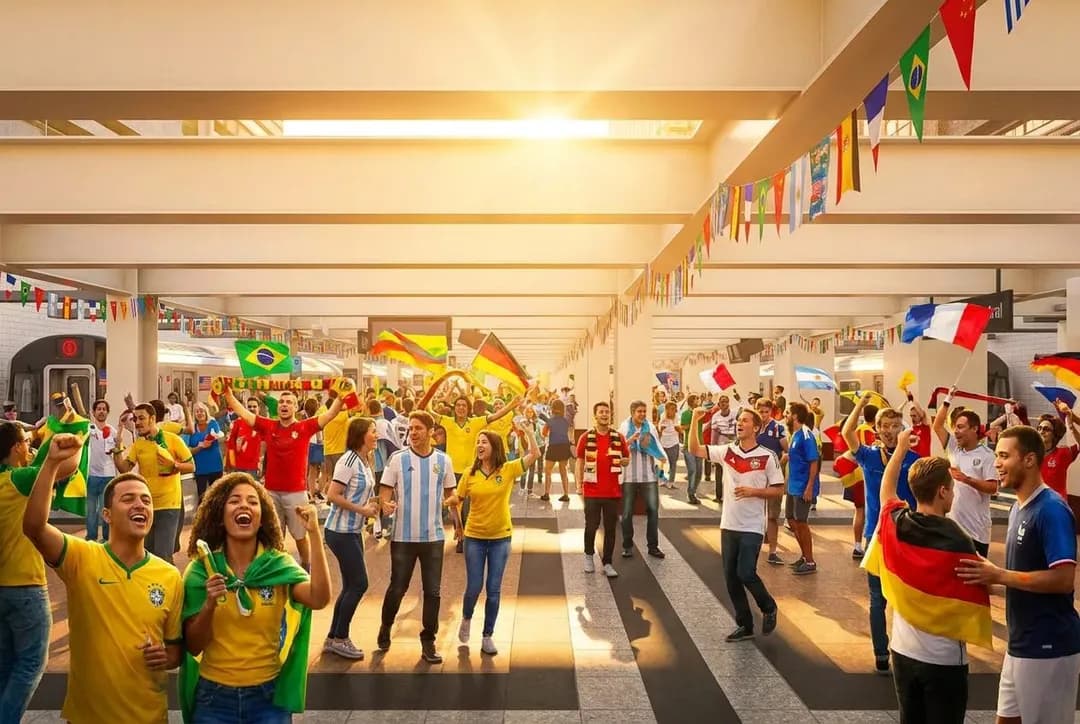
North American transit remains a patchwork, but World Cup host cities have retrofitted key lines. New York's NJ Transit offers level boarding at Penn Station and Secaucus Junction, with elevators at every transfer point and priority seating enforced by conductors who've received tournament-specific training. The catch: weekend service runs on reduced schedules, so a semifinal match in Atlanta might require leaving two hours earlier than the app suggests. MARTA's accessible rail cars connect Hartsfield-Jackson Airport to Mercedes-Benz Stadium in eighteen minutes, but only if you board at the front car where the ramp deploys.
Mexico City's Metro Line 9 reaches Estadio Azteca with accessible stations at Patriotismo and Ciudad Deportiva, though crowding on match days turns theoretical access into a contact sport. The city's official accessible shuttle service—bookable through the FIFA app—picks up from designated hotels and drops at a dedicated gate, bypassing the scrum entirely. Canada's host cities, particularly Toronto and Vancouver, maintain year-round accessible transit standards that don't require special tournament waivers, a quiet competence that American cities might study.
Companion Tickets and the Fine Print
FIFA's ticketing portal allows one companion seat per accessible space, but the definition of 'companion' varies by jurisdiction. United States venues require proof of need—a doctor's letter or government-issued disability card—while Canadian stadiums operate on an honor system backed by spot checks. Mexico's policy splits the difference: you declare your need during purchase, and gate staff verify with a brief interview. The system works if you know it exists; thousands of fans discover the rules only when their companion is turned away at the turnstile.
Companion tickets cost the same as the accessible seat, a policy that frustrates families who assumed a caregiver would enter free. The logic: accessible seating offers premium sightlines, and charging full price prevents abuse. Fair enough, but it means a father and son attending the final at MetLife pay upwards of eight hundred dollars per seat after fees. Some credit cards offer accessible-ticket purchase protections that reimburse the companion fare if the venue's access falls below ADA standards, a clause worth reading before you click 'confirm.'
Resale markets complicate everything. Third-party platforms rarely distinguish accessible inventory, and transferring a companion ticket without the primary accessible seat violates most terms of service. If your plans change, contact FIFA's official resale portal rather than risking a void-on-entry barcode. The tournament's scale means enforcement is tight; gate agents scan for mismatched ticket types, and ejections happen without refunds.
Sensory Rooms and Quiet Zones
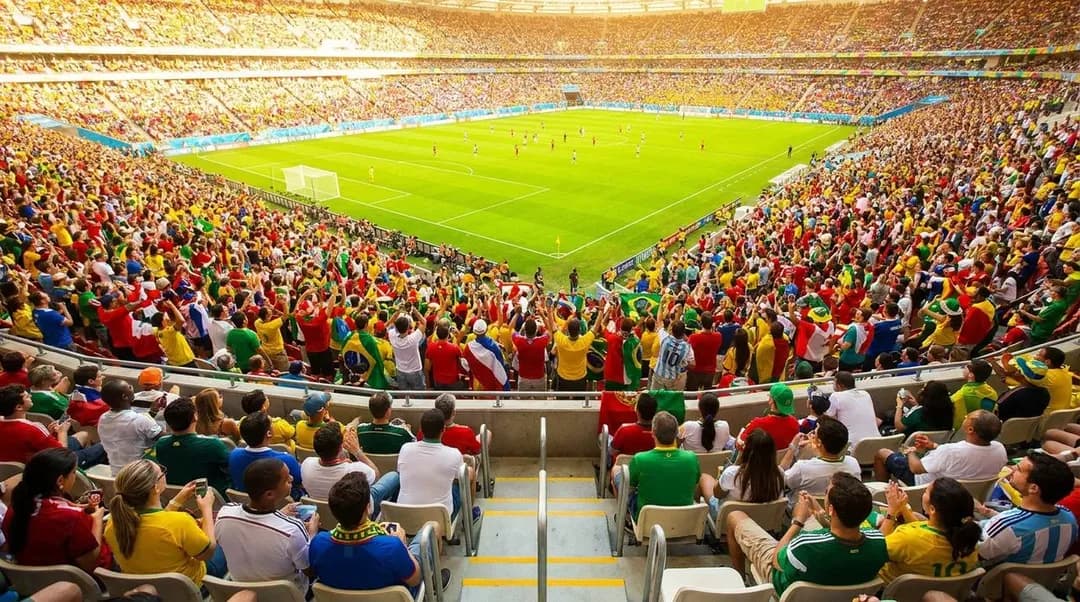
Mercedes-Benz Stadium pioneered sensory rooms in American sports venues, and its World Cup setup includes two dedicated spaces with dimmable lighting, noise-canceling headphones, and live audio feeds at adjustable volumes. Families with autistic children or adults managing sensory overload can retreat without missing the match. AT&T Stadium offers a single sensory room behind Section 240, but it seats only twelve and requires advance reservation through the venue's accessibility hotline. MetLife's sensory accommodations remain vague in published materials, a gap advocates have flagged months before the final.
Quiet zones—sections where air horns and drums are prohibited—exist in Canadian venues as a matter of policy, but American stadiums treat them as experimental. Kansas City's Arrowhead Stadium designates Sections 328 and 329 as reduced-noise areas during its group-stage matches, a gesture that costs nothing and benefits everyone from veterans with PTSD to fans recovering from migraines. The concept hasn't spread widely, but asking at guest services sometimes yields an unofficial workaround: a seat near the press box where decorum mutes the chaos.
Fan Zones Built for Everyone
New York's free fan zones span three boroughs, each with distinct access profiles. The Fan Village at Rockefeller Center features level entry from Fifth Avenue and accessible restrooms in the underground concourse, but the outdoor screens sit on a sloped plaza that requires navigation. The Jersey Fan Hub at Sports Illustrated Stadium in Harrison offers flat terrain and accessible seating near the main screen, plus a dedicated accessible entrance that skips the security line. The Queens Fan Zone at the USTA Billie Jean King National Tennis Center provides the best overall access: wide pathways, frequent rest areas, and staff trained in mobility assistance, a legacy of the US Open's accessibility standards.
The indoor Dream Fan Fest at American Dream in East Rutherford solves weather and terrain in one stroke. The mall's existing accessible infrastructure—ramps, elevators, family restrooms—supports the fan fest without retrofit, and the climate-controlled space means no one bakes in July sun or scrambles when thunderstorms roll in. The downside: it's a mall, so the vibe skews commercial, with sponsor activations outnumbering organic fan culture. Still, for families managing multiple access needs, the trade-off makes sense.
Kansas City's outdoor FIFA Fan Festival on the National WWI Museum grounds offers a middle path: open-air atmosphere with thoughtful access. Paved walkways connect every screen and food vendor, accessible portable restrooms cluster near the main stage, and volunteer 'access ambassadors' patrol with radios to summon assistance. The festival's footprint is compact enough that no destination sits more than five minutes away, a design choice that respects energy limits without feeling institutional.
The Halftime Show No One Expected
The final's halftime show—curated by Chris Martin with Madonna, Shakira, and BTS—introduces a new variable. Accessible seating typically offers clear sightlines to the pitch, but stage setups for musical acts can obstruct views from certain sections. MetLife's accessibility team has promised unobstructed views from all accessible areas, but the proof arrives on July 19. If you're attending the final, arrive early enough to assess your sightline and request a seat adjustment if needed; stadium policy allows one move before kickoff if access is compromised.
The halftime show also means longer restroom lines and crowded concourses. Accessible restrooms at MetLife cluster near Sections 111, 225, and 321, but halftime surges can queue thirty deep. The workaround: use facilities ten minutes before halftime or wait until the second half resumes. It's a small indignity, but planning around it preserves the experience. Some fans bring a companion who scouts restroom traffic and reports back, a system that works better than winging it.
The spectacle itself—pop royalty on a World Cup stage—marks a shift in tournament culture, blending sports and entertainment in ways that European purists mock but North American crowds embrace. For wheelchair users, it's another layer to navigate, but also a signal that accessibility concerns are reaching production meetings. If the halftime show accommodates every fan, it sets a precedent for future tournaments. If it doesn't, the backlash will be loud and justified.
Practical notes
- Contact the venue's accessibility coordinator within 48 hours of purchasing tickets to confirm seating, companion policies, and assistive device availability.
- Pre-purchase transit tickets and secure return wristbands before entering the stadium; post-match crowds overwhelm ticket kiosks and apps.
- Book accessible shuttles through the official FIFA app rather than relying on ride-hail services, which surge-price and lack guaranteed accessible vehicles.
- Arrive 90 minutes early to navigate security, assess sightlines, and request seat adjustments if stage setups obstruct views from accessible sections.
- Carry a portable phone charger and download offline maps of the venue and surrounding transit; cell networks overload on match days.
The 2026 World Cup sprawls across three nations and sixteen cities, each with its own access quirks and quiet victories. The tournament won't be perfect—no event this large ever is—but the infrastructure exists, and the policies are published. What separates a frustrating day from a triumphant one is the homework you do before the opening whistle. Scout the transit, confirm the companion ticket, locate the sensory room, and map the restrooms. The match itself is only ninety minutes; the access challenge spans the entire day. Win the logistics, and the football takes care of itself.
Tags: #WorldCup2026 #AccessibleTravel #WheelchairAccess #AdaptiveSports #InclusiveEvents #MetLifeStadium #ATTStadium #MercedesBenzStadium #KansasCityFanZone #NYCFanVillage #AccessibleTransit #CompanionTickets #SensoryRooms #DisabilityTravel #FIFAAccessibility
All trademarks are the property of their respective owners.
Ask Karpo first
Planning a World Cup journey with access needs means juggling transit schedules, companion ticket policies, and sensory accommodations across unfamiliar cities—details that shift by venue and sometimes by the day. Before you commit to tickets or book that hotel, ask Karpo first. We track the accessibility updates, the transit retrofits, and the quiet policy changes that official guides miss, so you can focus on the match instead of the maze. Let's map your route together.
Ask Karpo for more information.
Keep reading
- Haaland Has Seven Goals and Norway Runs Entirely Through Him
 World Cup Trophy Ceremony Timing Medals and Postmatch Celebrations
 Olise and France's Attack: The Semifinal Tactical Question