 Places To Eat Near Me in Williamsburg: Smorgasburg's Open-Air Vendors
Weekend Plans

Navigating American Airlines Flights at NYC’s Three Airports
Myth-versus-reality facts for choosing JFK, LaGuardia, or Newark when you fly AA.
If you fly American Airlines from New York City, you’re dealing with a three-airport puzzle: JFK, LaGuardia, and Newark, each with different terminals, transit options, and quirks that can either make your trip smooth or chaotic. As of 2026, American runs a substantial operation at all three, but the best choice for you depends less on brand loyalty and more on where you live, when you fly, and how comfortable you are with trains versus traffic. This myth-versus-reality guide breaks down how American Airlines really works across NYC airports so you can pick the right departure, plan realistic timing, and avoid stress on both arrivals and departures.
Planning a weekend getaway or heading home after a long workweek? Save this guide before you book your American Airlines ticket so you can quickly compare JFK, LaGuardia, and Newark, pick the airport that actually works for your schedule, and share the right transit and timing tips with your travel group.
Myth: American Airlines Only Really Flies From JFK
It’s easy to assume that JFK is American Airlines’ "real" New York home and everything else is secondary, especially if you’re used to thinking of big international gateways as the default. In reality, American has meaningful operations at JFK, LaGuardia, and Newark, and the right airport for you is often the one that lines up best with your route and neighborhood, not the one that feels most famous. American’s official destination map and timetables show domestic and international service spread across all three airports.
At JFK, American operates primarily out of Terminal 8, sharing space with oneworld partners and running many long-haul and transcontinental flights. At LaGuardia (LGA), American primarily uses Terminal B, focusing on domestic and shorter-haul routes that make LGA convenient for Northeast and mid-Atlantic travel. At Newark Liberty (EWR), American uses Terminal A, with mainly domestic and some connecting traffic. None of these are “side” airports; they are all active American stations as of 2026, and schedules can shift, so you should always confirm your specific flight’s airport and terminal in the American Airlines app or on AA.com closer to travel.
The practical move is to treat American Airlines in NYC as a three-node system: JFK tends to be better for long-haul or premium transcon trips, LaGuardia is often fastest for Manhattan and much of Queens, and Newark can win for parts of Manhattan, Brooklyn, and New Jersey depending on transit access. Before you lock in a weekend flight, check your origin neighborhood on a map against each airport’s transit options to decide which American station is truly “home base” for this particular trip.
Reality: JFK Terminal 8 Is Big But Transit-Dependent
JFK’s Terminal 8 is American’s largest NYC footprint, with multiple concourses and a significant mix of domestic and international flights, including oneworld partner connections. That scale is great for options but means you need more time for walking, security, and potential congestion, especially at peak travel periods. JFK itself recommends allowing at least two hours for domestic and three hours for international departures, and many frequent travelers build in even more buffer when flying from NYC on Fridays or Sundays.
The reality check: JFK is highly transit-dependent. There is no direct subway into the terminals. Instead, riders use the AirTrain JFK, which connects Jamaica Station (for the LIRR and subway lines E, J, and Z) and Howard Beach (for the A train) to all terminals, including Terminal 8. MTA and Port Authority guidance show that late-night and weekend service can be affected by planned work, so you should always re-check MTA and AirTrain updates before heading out. If you’re starting from Manhattan or Brooklyn, factor in both the subway or LIRR time and the AirTrain segment, plus 10–15 minutes to walk, check bags, and clear security.
For weekend trips, a practical JFK plan is: leave at least 3–3.5 hours before departure if you are taking transit, more if you’re traveling with a group or checking bags. Use the American Airlines app’s status features alongside the Port Authority’s JFK page for up-to-date terminal and AirTrain info. If severe transit disruptions pop up, app-based car services and yellow cabs are the backup—but note that JFK traffic and tolls can be significant during Friday evening and Sunday night returns.
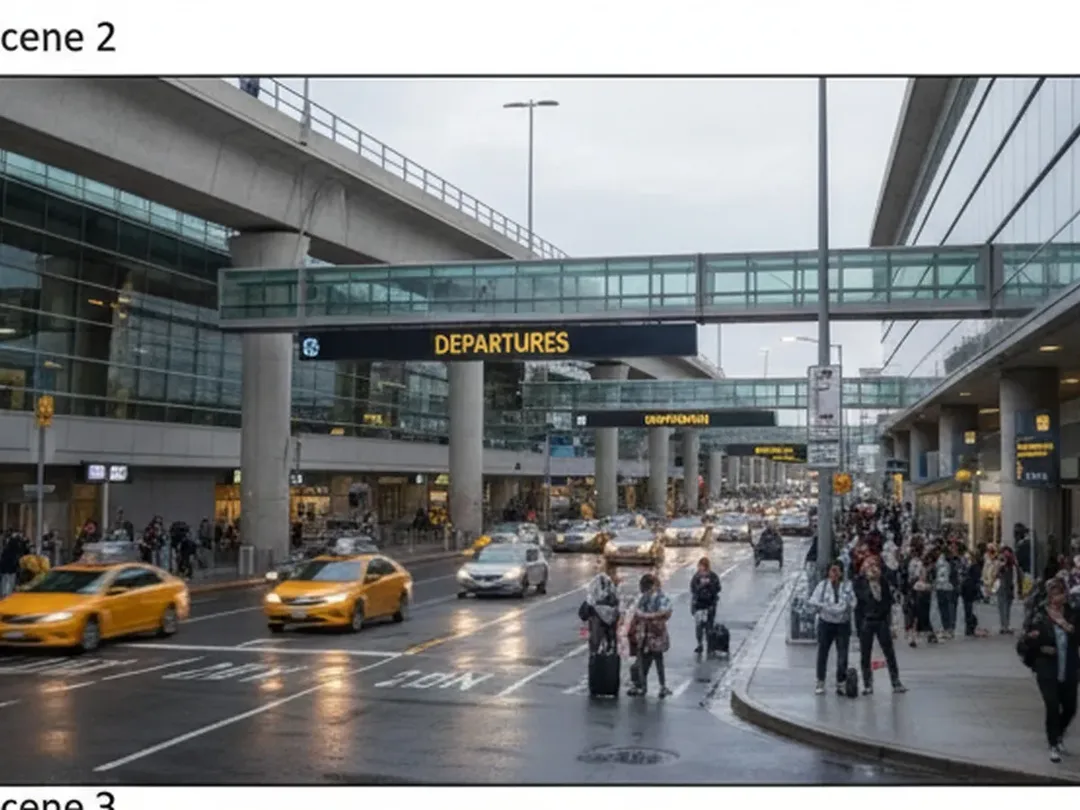
Myth: LaGuardia Is Still a Mess for American Flyers
LaGuardia had a long reputation for cramped terminals and confusing construction, and many NYC travelers still assume flying American from LGA means dealing with chaos. That’s outdated. The LaGuardia Terminal B redevelopment is largely complete, and the Port Authority describes a modern terminal with upgraded security areas, concessions, and better roadway access. American Airlines uses Terminal B for most of its LGA flights as of 2026, and the passenger experience is significantly improved compared with pre-renovation days.
Myth also lingers around LaGuardia access. There is no direct subway or rail station in the terminal, but multiple MTA bus routes, including the Q70 SBS LaGuardia Link from Jackson Heights–Roosevelt Ave, provide connections from the subway to LGA. Official MTA information shows free transfers between subway and bus for most riders, so this can be an efficient option if you’re starting in Queens or parts of Manhattan. For Brooklyn and the Bronx, multi-transfer bus and subway trips are possible but may be less attractive at odd hours; in those cases, yellow cabs or app-based rides are often the backup. Always re-check fares, schedules, and any service changes on the MTA’s website before your travel day.
If you have a domestic trip with American and you live or stay in Manhattan or western Queens, LaGuardia may now be the least stressful choice, especially for quick weekend plans. The reality is that the new Terminal B plus bus-plus-subway access can beat JFK’s longer train ride or Newark’s cross-river journey for many city dwellers—provided you allow honest buffer time for traffic and security.
Reality: Newark Can Be Faster Than You Think
Many NYC travelers avoid Newark Liberty International Airport (EWR) on instinct, assuming out-of-state automatically means longer and more complicated. In reality, official guidance from NJ Transit and the Port Authority shows that EWR has direct rail access from Manhattan that can be competitive with, or faster than, some JFK and LGA trips, especially from Midtown. American Airlines operates from Terminal A at Newark, focusing mostly on domestic routes.
The key link is the AirTrain Newark, which connects all terminals with the Newark Liberty International Airport Station on the NJ Transit and Amtrak lines. From New York Penn Station, NJ Transit trains run regularly to the airport station, where you transfer to the AirTrain for the short ride into Terminal A. According to NJ Transit timetables, train frequency varies by time of day and day of week, so you should check current schedules and any planned service changes before you travel. This rail-plus-AirTrain combo often means a roughly 35–50 minute trip from Midtown, depending on connections, which can be very competitive with highway traffic to JFK or LaGuardia at peak times.
For weekend travel, the reality is that Newark can be a smart backup or even first choice if you’re near Penn Station, staying in New Jersey, or heading to destinations heavily served from EWR. Factor in at least 2.5–3 hours before departure when using NJ Transit and AirTrain, and use the American Airlines app plus the Port Authority Newark page to verify your terminal, security wait estimates, and any advisories. If rail service is disrupted, taxis and app-based rides from Manhattan to Newark are a backup—but you’ll want to check traffic conditions and tolls in advance to avoid surprises.
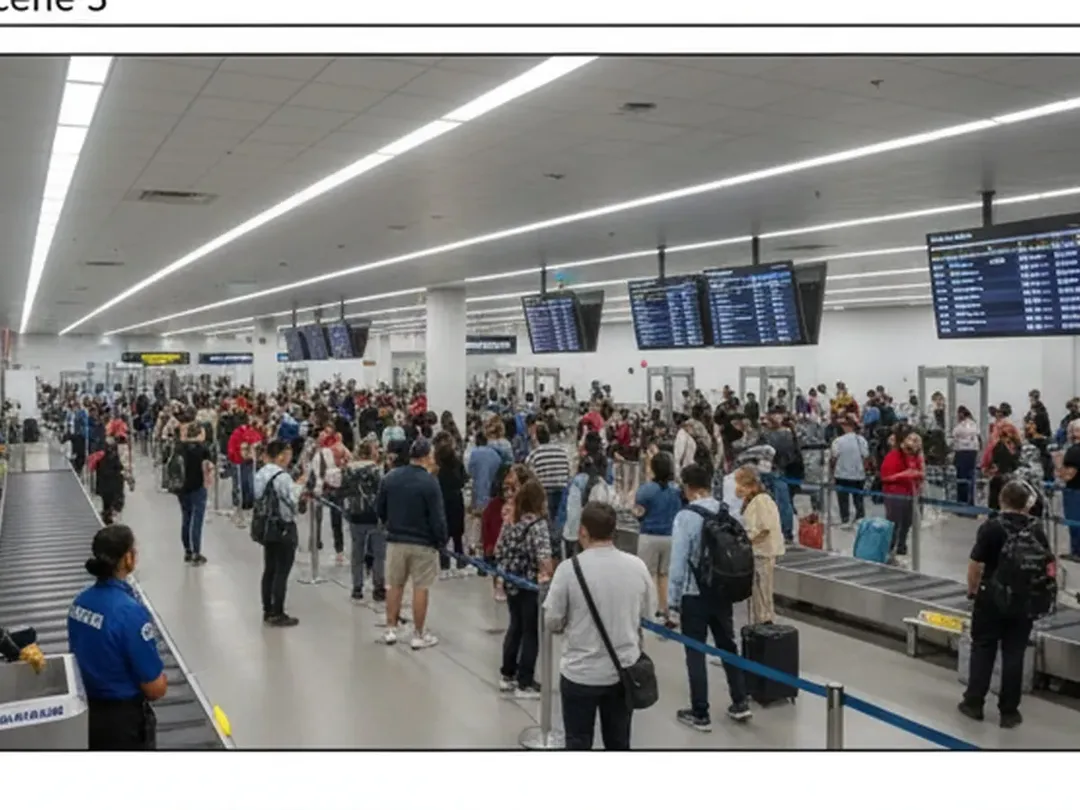
Myth: One Set of Rules Fits All American Flights
A common myth is that once you know American’s basic boarding and check-in rules, you can apply the same timing across all NYC airports. Official guidance from American and the airports shows this is risky. American typically recommends that passengers arrive at least two hours before domestic and three hours before international departures, but airport conditions, security layouts, and transit access make those “minimums,” not guarantees.
At JFK Terminal 8, long-haul flights, heavy connecting traffic, and long walks between check-in and gates can add hidden time, especially if you need to check bags or clear security at peak hours. At LaGuardia Terminal B, the newer design improves flow, but roadway traffic and variable bus connections can reduce your margin if you cut it close. At Newark Terminal A, rail connections via AirTrain are efficient when they’re running smoothly, but any delay on NJ Transit can compress your buffer quickly. In all cases, American Airlines’ own app and website can show recommended arrival times and cutoffs for check-in and baggage drop for your exact flight, and those details can differ by destination and cabin.
For NYC-based travelers, the reality is that airport-specific planning matters more than generic rules. Build in extra time when you’re relying on multi-leg transit (subway plus AirTrain, subway plus bus, or rail plus AirTrain), traveling during rush hours, or flying before or after holidays when lines tend to spike. Always confirm current baggage cut-off times, security requirements, and boarding procedures in the American app rather than relying on past experience or old advice from friends.
Reality: Smart Timing and Transit Beat Airport Myths
If you zoom out, the biggest reality is that good timing and transit planning matter more than airport reputation when flying American Airlines to or from NYC. The MTA, NJ Transit, and Port Authority all publish up-to-date maps, schedules, and service alerts that make it possible to plan a reasonably predictable route to JFK, LaGuardia, or Newark. When you combine those tools with American’s real-time flight status and mobile boarding passes, you can often turn what used to be a stressful airport choice into a manageable logistics problem.
A practical approach for city weekends is to start with your origin point: your apartment, a friend’s place, or your hotel. Use official transit resources to compare estimated times and connections to each airport, including transfer points like Jamaica Station for AirTrain JFK, Jackson Heights for LGA buses, or New York Penn Station for NJ Transit to Newark. Then layer in your flight type: international versus domestic, morning versus evening, and whether you’re checking bags or carrying on. This lets you choose not just an airport but a door-to-gate plan, including realistic departure time from home.
Backup thinking matters too. If you’re relying on transit, identify a Plan B in case of major delays—for example, knowing what time you’d switch from the subway to a rideshare for JFK, or which train you’ll catch instead if your NJ Transit departure changes for Newark. For LaGuardia, check both MTA bus options and approximate taxi/ride-share times for your neighborhood. Keeping American’s app, MTA, NJ Transit, and airport advisories bookmarked (and re-checking them the day you travel) is more reliable than any rule of thumb and helps turn airport myths into predictable routines.
Ask Karpo first
Heading out of NYC with American Airlines shouldn’t feel like solving a transit puzzle alone. Ask Karpo first whenever you’re booking an AA trip from JFK, LaGuardia, or Newark, and it will help you compare airports by real-world travel time, transit reliability, and backup options—not just price. Use Karpo to save your preferred routes, share your airport plan with friends, and keep a simple checklist for departure day so your next weekend flight starts like a local pro, not a stressed-out tourist. Karpo is your proactive NYC lifestyle sidekick, here to make every American Airlines departure or arrival feel more like a routine and less like a gamble.
Karpo NYC lifestyle sidekick. All rights reserved.
Tags: #weekendplans #airports #nyctravel #americanairlines #jfk #laguardia #newark #publictransit #NYC #KarpoFinds #AskKarpo
Sources consulted: American Airlines – official site · American Airlines – Airport information · Port Authority NY/NJ – JFK Terminal 8 · Port Authority NY/NJ – LaGuardia Terminal B · Port Authority NY/NJ – Newark Terminal A · Port Authority NY/NJ – AirTrain JFK · Port Authority NY/NJ – AirTrain Newark · MTA – maps and schedules NYC transit (subway/bus)
All trademarks are the property of their respective owners.
Ask Karpo first
Ask Karpo what’s realistic for your next American Airlines trip—then let it turn that intel into a simple, time-stamped plan you can trust, from “leave the apartment” to “sit down at the gate.” Tell Karpo your neighborhood, airline, airport, and rough departure time, and get a personalized route, backup options if things go sideways, and a shareable game plan for you and your travel buddy—before you even start packing.
Ask Karpo for more information.
Keep reading
- Places To Eat Near Me in Williamsburg: Smorgasburg's Open-Air Vendors
 Dinner Near Me in the West Village: Buvette's Tiny French Plates
 Best Restaurants Near Me in Midtown: Le Bernardin Holds Three Stars