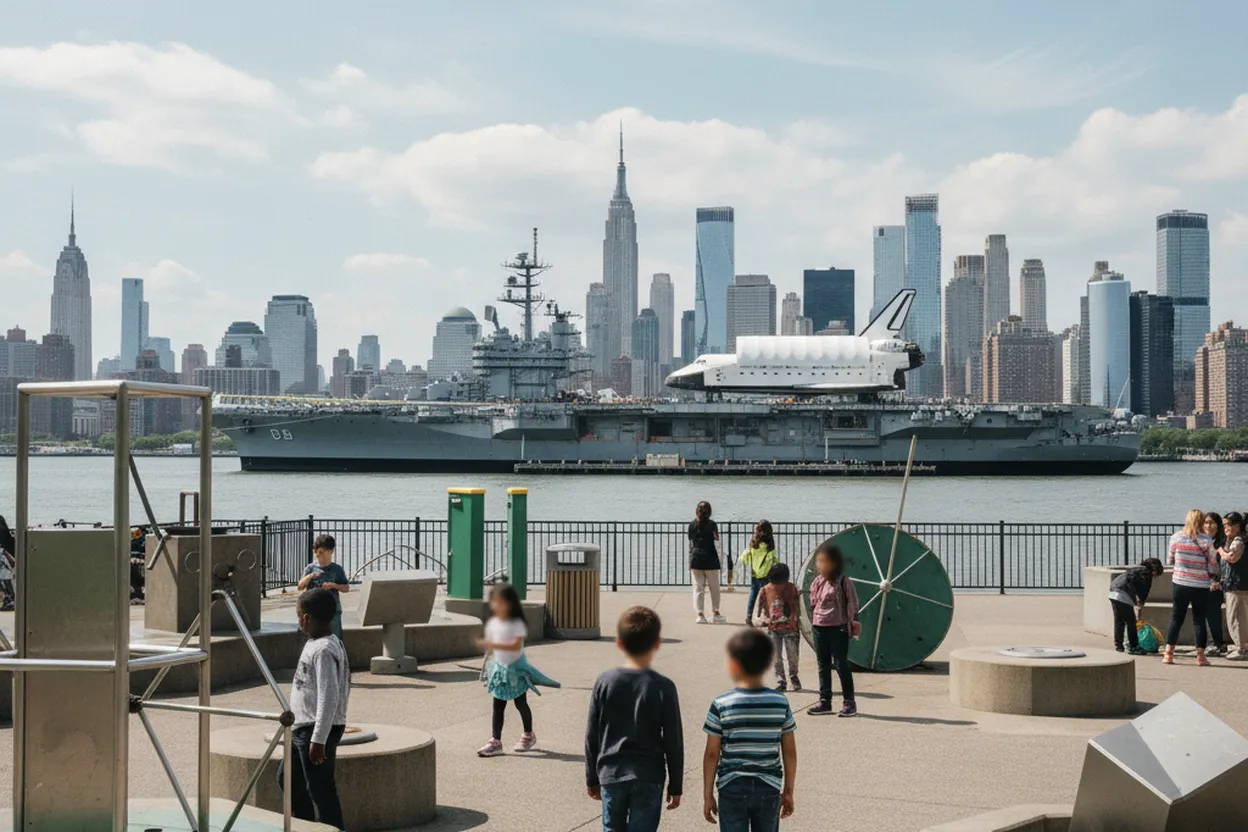
The recent release of the first data from the NISAR (NASA-ISRO Synthetic Aperture Radar) satellite, including striking images of Antarctica, offers a fresh opportunity to explore Earth’s dynamic systems. This joint U.S.-India mission, launched on July 30, 2025, provides unprecedented detail on ice sheets, landmass changes, and ecosystems. With data now publicly accessible as of July 20, 2026, understanding these scientific advancements becomes crucial for students. The captivating detail in the NASA NISAR satellite Antarctica images, such as the 'hummingbird' shaped Nunatak Zaterjavshijsja, makes for a compelling entry point into the world of remote sensing and climate science.
Want to turn the NASA NISAR satellite Antarctica images into a museum day that actually connects? Text Karpo “NISAR NYC” for current hours, transit timing, and a one-venue or two-venue route.

Read the Hummingbird Radar Image Before the Museum Visit
The New York Hall of Science (NYSCI) provides an ideal environment to contextualize the scientific breakthroughs represented by the nasa nisar satellite antarctica images. Its extensive collection of interactive exhibits, totaling over 450, often focuses on fundamental principles of physics, engineering, and Earth sciences, making it a perfect starting point. Students can explore concepts like radar technology, remote sensing, and the properties of ice through hands-on displays, gaining a foundational understanding before delving into complex satellite data.
Consider how NYSCI's emphasis on participatory learning can bridge the gap between abstract satellite data and tangible scientific concepts. Exhibits demonstrating wave properties, signal processing, or even the mechanics of geological forces could directly relate to how NISAR collects and interprets information about Antarctic ice flow and land deformation. This initial visit helps build the scientific literacy necessary to appreciate the mission's significance.
Use Intrepid’s Enterprise to Explain Orbit and Hardware
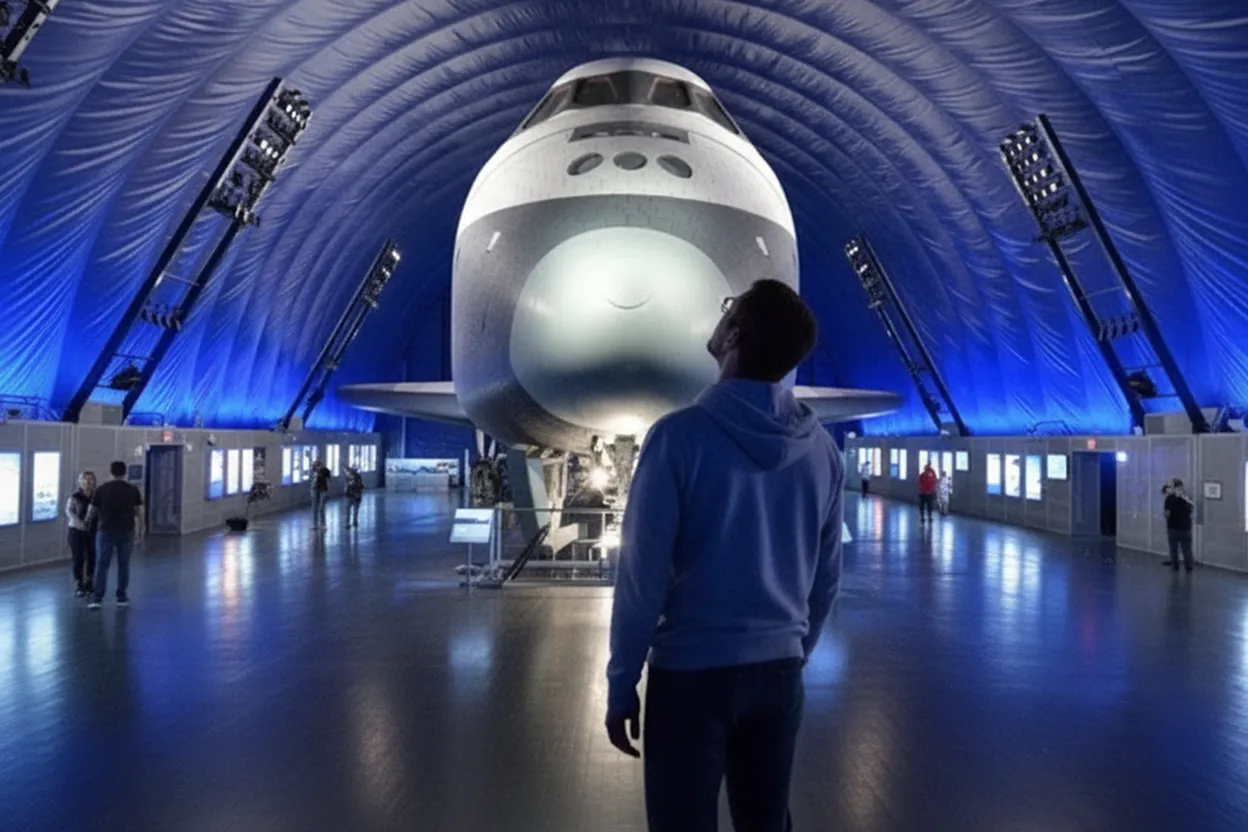
Following the scientific groundwork at NYSCI, a visit to the Intrepid Sea, Air & Space Museum's Space Shuttle Pavilion offers a powerful connection to the vessels that make such Earth observation missions possible. The pavilion, home to the Space Shuttle Enterprise, showcases the engineering marvels behind spaceflight and the broader history of NASA's endeavors. Understanding the scale and complexity of a space shuttle helps students grasp the technological sophistication required for a mission like NISAR.
While Enterprise itself is a prototype and didn't fly to space, its presence illustrates the journey of innovation from concept to operational flight. Students can explore the design, engineering, and human ingenuity involved in space exploration, drawing parallels to the development and deployment of advanced scientific satellites. This portion of the day reinforces that the data captured by NISAR is the product of immense scientific and engineering effort.
Build the Ice–Radar–Orbit Route Across Queens and Manhattan
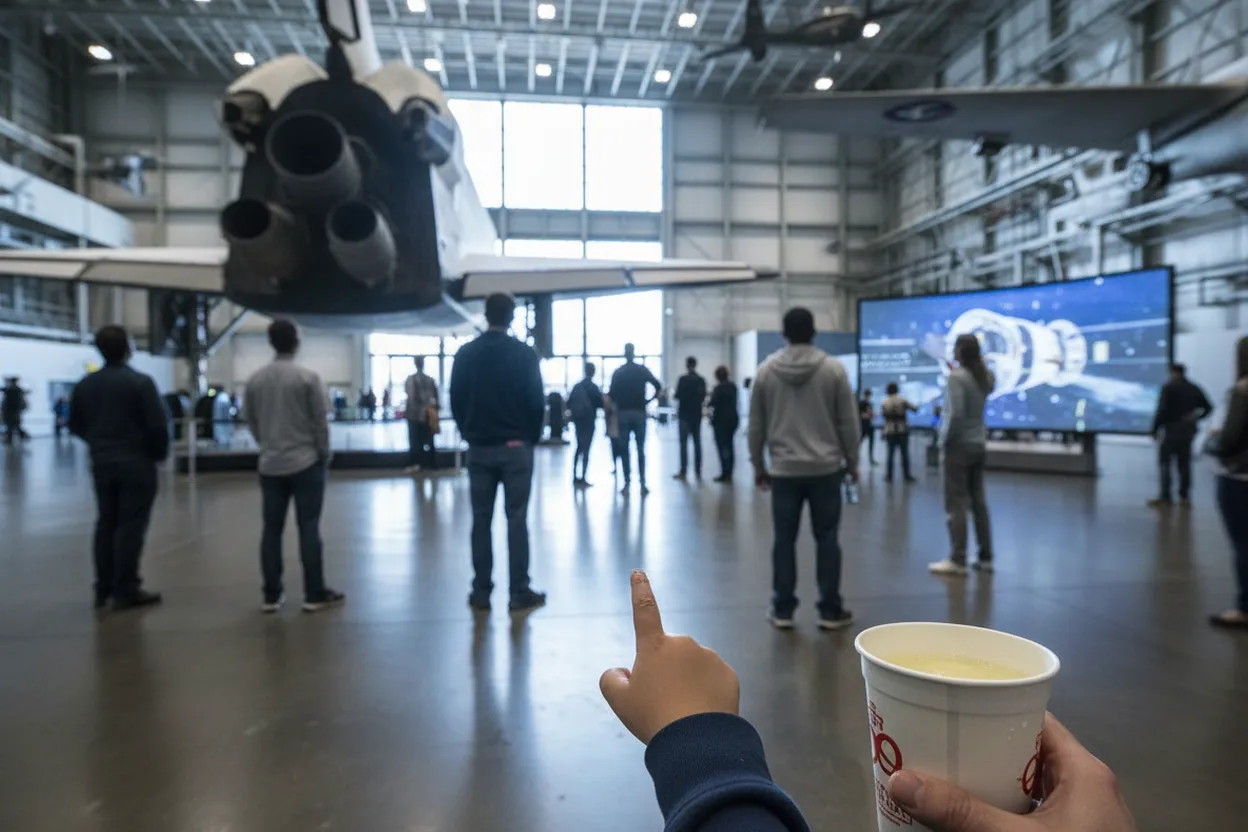
A well-planned route through both venues can create a cohesive narrative. Start at NYSCI by focusing on exhibits that introduce the physics of sound and light waves, then transition to displays on Earth's climate and geological processes. This primes students to understand how NISAR's L-band and S-band radars penetrate ice and vegetation to gather data on Earth's surface changes, as seen in the recent Antarctic imagery.
At the Intrepid, guide students through the Space Shuttle Pavilion, emphasizing the engineering and operational aspects of space missions. Highlight the challenges of deploying instruments into orbit and maintaining satellites. The contrast between the broad scientific principles at NYSCI and the concrete realities of space technology at the Intrepid fosters a richer, multi-faceted understanding of Earth observation.
Give Students Three Questions to Carry Through Both Stops
This dual-venue plan is particularly suited for curious and focused students, whether visiting solo, with a parent, or as part of a small group. The blend of interactive exhibits and historical artifacts caters to different learning styles and encourages deeper engagement than passive observation. By framing the museum visits around the trending NISAR news, students can see the direct relevance of scientific research to real-world issues like climate change.
Encourage students to actively look for connections between the exhibits and the NISAR mission. For instance, at NYSCI, ask them to identify how different types of waves could be used to 'see' through ice. At the Intrepid, prompt discussions about the challenges of launching and maintaining a satellite like NISAR. This approach transforms a museum visit into an active learning experience, fostering critical thinking and scientific inquiry.
Pick a Weekday for Focus or a Weekend for Flexibility
This plan is versatile enough for a weekday or weekend afternoon, offering a manageable yet enriching experience. Starting at NYSCI in the late morning allows for ample time to explore its numerous exhibits, perhaps dedicating 2-3 hours. Given its distance, allocate travel time to the Intrepid, aiming to arrive by early afternoon to enjoy the Space Shuttle Pavilion without feeling rushed. This timing avoids peak crowds at both locations, enhancing the solo or small-group learning environment.
To maximize efficiency, consider pre-booking tickets online for both venues where available. This saves time upon arrival and ensures entry, especially for popular exhibits. Remember to check each museum's official website for their most current operating hours, any special exhibition schedules, and accessibility information before planning your trip, as details can change.
Decide Whether Two Boroughs Are Worth the Transit
The primary trade-off for this two-venue itinerary is the travel time between Queens and Manhattan. While both museums offer distinct and valuable perspectives on Earth science and space, visitors should factor in approximately 45-60 minutes of travel via public transportation or rideshare. Planning this transition efficiently can make a significant difference in the overall flow and enjoyment of the day. Consider subway routes that minimize transfers to reduce travel stress.
Despite the distance, the unique educational synergy between understanding foundational science at NYSCI and witnessing the grandeur of space technology at the Intrepid justifies the effort. The depth of learning gained from experiencing both aspects of space exploration, from the data collection to the vehicles themselves, outweighs the minor logistical challenge. This comprehensive approach enriches the understanding of missions like NISAR.
Check NYSCI and Intrepid Access Before Leaving
Before embarking on this scientific journey, always confirm the latest operating hours and specific exhibit availability for both the New York Hall of Science and the Intrepid Sea, Air & Space Museum. Museum schedules can vary, particularly on holidays or for special events. Reviewing their official websites will provide the most up-to-date information on general admission, any special programming, and accessibility details, ensuring a smooth visit.
It is also advisable to check for any temporary closures or exhibit rotations that might impact your planned learning trajectory. This proactive verification helps avoid disappointment and allows for adjustments to your itinerary, guaranteeing that you can fully engage with the science and history that inspired this Earth-science day plan.
Tags: #NASA #NISAR #Antarctica #EarthScience #NYC #Museums #STEM #Education #ScienceMuseum #SpaceExploration #ClimateChange #StudentLife #AskKarpo #BeforeYouGo
Sources consulted: Source 1: nasa.gov · Source 2: science.nasa.gov · Source 3: isro.gov.in · Source 4: tickets.nysci.org · Source 5: intrepidmuseum.org
All trademarks are the property of their respective owners.
Ask Karpo first
Tell Karpo your date, group size, budget, and starting neighborhood. We’ll check current access, timing, transit, and the cleanest plan for New York Hall of Science and the Intrepid Space Shuttle Pavilion before you head out.