 Where to Eat Near Penn Station That Isn't a Chain
US Open 2026
Naomi Osaka’s Hard-Court Game and Her US Open Ceiling
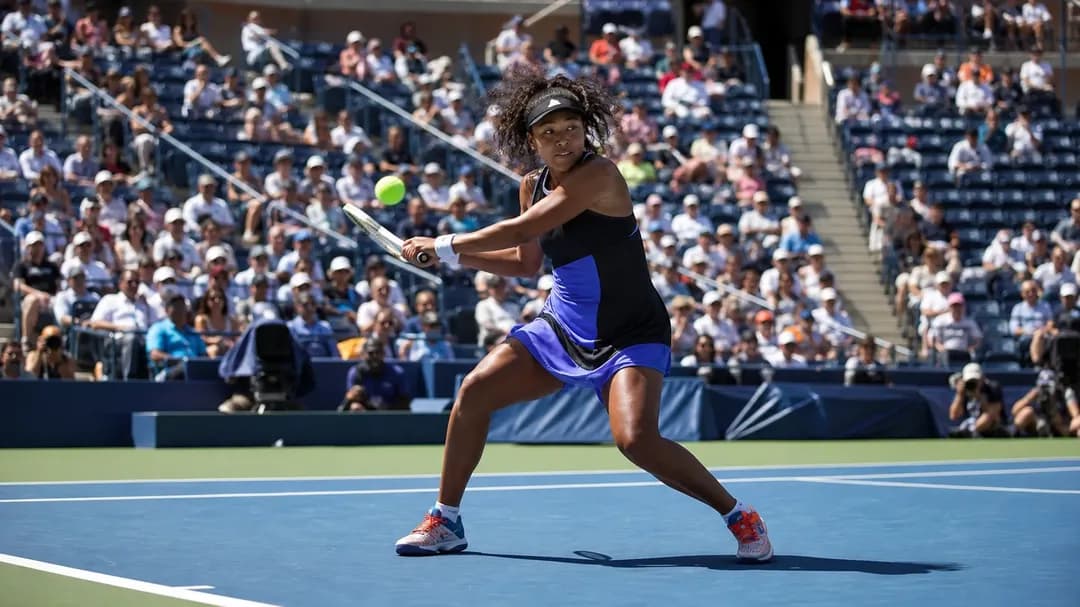
If Naomi Osaka is part of the US Open conversation, her hard-court ceiling still starts with first-strike tennis and depends on rhythm, returns, and pressure control.
Naomi Osaka’s connection with the US Open is already part of modern tennis history: she won the women’s singles title in New York in 2018 and again in 2020. That is the confirmed foundation, but everything beyond it should be treated conditionally. This is not a prediction that she will play the 2026 US Open, receive a seed, land in a certain draw, or arrive in a specific level of form. It is a tactical look at what her hard-court game can look like when it is working well, why that style has been so dangerous in New York-style conditions, and what fans can watch for if she is in the field. The basic idea is simple: Osaka’s best tennis tends to shorten points on her terms. Serve quality, return aggression, and early ball contact can turn neutral situations into immediate pressure, forcing opponents to defend before they have settled into a rally.
Text Karpo Now: Tell us what matters most for Naomi Osaka s Hard Court Game, and Karpo can turn current US Open updates into a practical plan before you go.
Why Hard Courts Fit
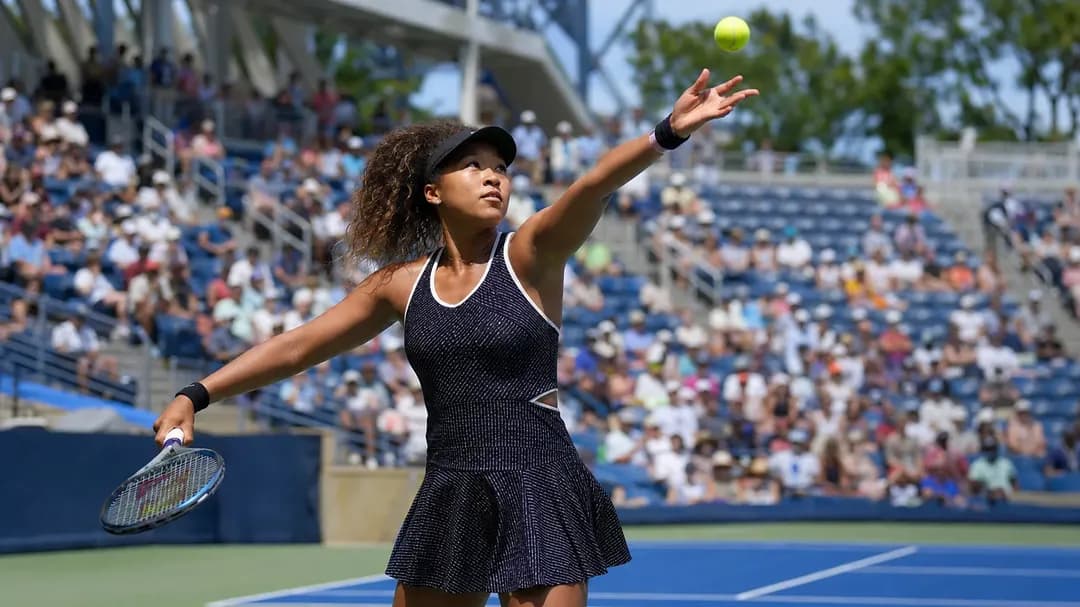
Hard courts reward clean timing, direct shot paths, and the ability to take the ball before an opponent has fully recovered. Osaka’s first-strike style is built for that environment. When she serves well, she is not only chasing free points. She is trying to shape the next shot. A strong serve can pull the returner wide, jam the body, or produce a shorter reply. From there, early contact lets her hit into open space before the rally becomes complicated.
The same principle applies on return. Return aggression is not only about winners. It is about denying comfort. A deep return through the middle can remove angle. A driven crosscourt return can force the server to defend immediately after landing. Even a blocked return, if it lands deep enough, can stop the server from stepping into a first forehand.
On hard courts, the bounce is usually reliable enough for a player with early timing to trust the strike. That does not mean every point should be rushed. The best version of this style mixes controlled aggression with selective patience. If the first big shot does not finish the point, the next question is whether she can keep court position without overhitting.
Serve Patterns To Watch
Osaka’s service games can reveal her overall level quickly. The most important sign is not only ace count or visible power. It is whether the serve is creating predictable, attackable replies. If the returner is repeatedly stretched wide, jammed into awkward body contact, or forced to float the ball short, the service pattern is doing its job.
A wide serve can open the court for the next forehand, but it also carries risk if it misses too often and exposes second serves. A body serve can be useful against a returner who likes full swings, because it turns clean contact into a cramped decision. A serve down the T can reduce the return angle and make the next ball easier to locate. The pattern matters more than a single highlight. Holding serve with repeated first-ball control is a stronger signal than one spectacular point followed by loose errors.
- Watch whether the first serve produces short or central returns.
- Notice if the second shot after the serve is struck from inside the baseline.
- Track whether body serves disrupt the returner’s timing.
- Look for variety when an opponent starts reading one favorite target.
Second-serve points are just as revealing. A first-strike player does not need to blast every second serve, but predictability can invite trouble. If the second serve sits in the same zone too often, aggressive returners can step in and reverse the pressure. If it has enough location, spin, or surprise, the server can still begin the rally on even terms.
Return And First Contact
Osaka’s return game is a major part of her hard-court identity because it can pressure opponents before rallies fully develop. Against big servers, the first goal may be depth rather than a clean winner. A return that lands deep through the center can take away the server’s preferred first swing. Against softer second serves, the opportunity changes: stepping forward and contacting early can turn the point into an immediate attack.
The geometry matters. Returning crosscourt gives a safer target because the net is lower and the court is longer diagonally. Returning down the line can be more damaging, but it is usually higher risk because the target is narrower and the recovery demand is greater. The best return games use both ideas at the right moments. A firm crosscourt return can pull an opponent wide; a sudden line return can punish a predictable serve pattern.
Early ball contact after the return is just as important as the return itself. If Osaka steps inside the baseline and meets the next ball early, the opponent has less time to reset. This is where her first-strike game can create a chain reaction: aggressive return, hurried reply, open court, finishing swing. But if timing is slightly off, the same ambition can produce errors. Fans should watch her feet before judging the shot.
Movement Under Pressure
Power tennis can be misunderstood as standing still and hitting hard. On a hard court, movement is what allows power to stay accurate. Osaka’s ceiling in any hard-court event would depend partly on how well she manages the space behind and inside the baseline. When she takes small adjustment steps, sets the outside foot, and recovers toward the right lane, her aggressive swings have a sturdier base.
Pressure moments are where movement and shot selection meet. At break point, deuce, or late in a set, an opponent may test whether she will pull the trigger too soon. A smart opponent can hit heavier through the middle, change height, or make her play one extra ball. The response does not have to be defensive. It may mean choosing a bigger target, using depth instead of angle, or waiting for the ball that truly opens the court.
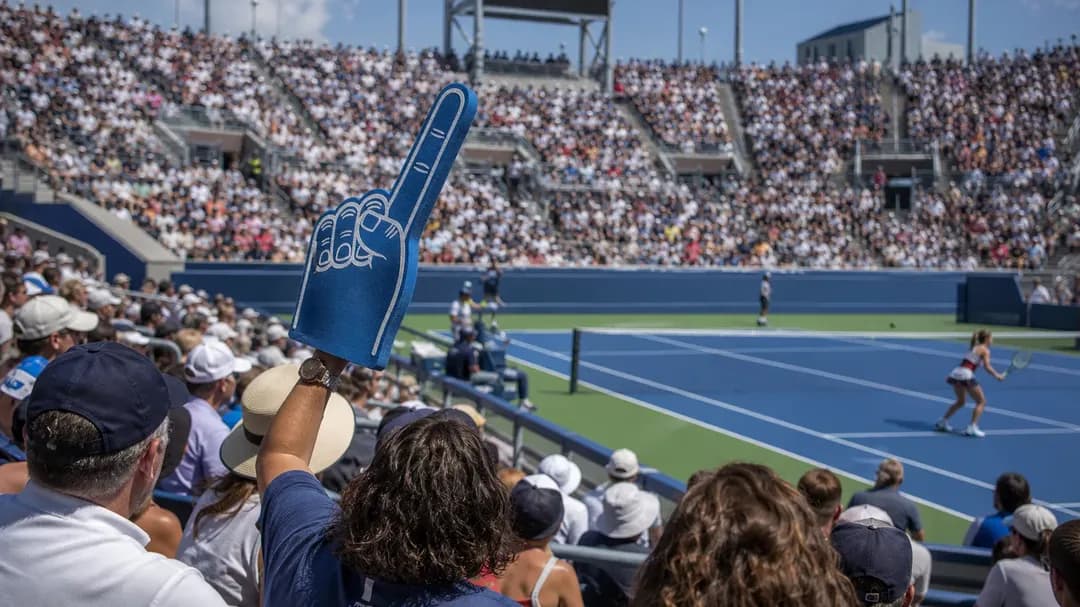
New York can also create emotional and tactical noise. Crowds react loudly, sessions can feel different from day to night, and momentum can swing quickly on a hard court. Pressure management in that setting is not only about calm body language. It is about returning to repeatable patterns: make the first serve location, drive the return deep, take the ball early only when the feet are organized, and avoid giving away a neutral rally with a low-percentage choice.
- In tight games, see whether she chooses bigger targets instead of narrower lines.
- After long rallies, watch if the next service point starts with clear intent.
- When pulled wide, notice whether recovery keeps her ready for the next ball.
- If errors arrive, look for adjustment in height, depth, or return position.
The ceiling conversation comes from the fact that her best hard-court patterns are proven at the highest level by those US Open titles in 2018 and 2020. The conditional part matters just as much. A title-winning past does not automatically define a future tournament. Match sharpness, opponent styles, daily execution, and pressure handling all shape what is possible.
Practical Notes
If you are planning around the US Open, keep the practical side separate from tactical expectations. Use official player and schedule pages for confirmed participation and session information, because entry status, court assignment, and timing should not be assumed in advance. If Osaka is listed for a match, warmups can be useful viewing: serve rhythm, return positioning, and movement intensity are often easier to spot before the first game than during crowd noise. For TV or streaming viewers, baseline camera angles are especially helpful because they show depth, recovery, and court geometry better than close-up reaction shots.
Tags: #USOpen2026 #Tennis #GrandSlam #NewYorkTennis #ArthurAsheStadium #FlushingMeadows #USOpenGuide #TennisFans #SportsTravel #HardCourt #NewYork #KarpoFinds
Sources consulted: wtatennis.com — Official reference · usopen.org — Official reference · usopen.org — Official reference
All trademarks are the property of their respective owners.
Ask Karpo first
Want to know what is confirmed, when to show up, and how to make naomi osaka s hard court game work for your day? Ask Karpo for current US Open updates, a respectful fan plan, and a live route around Flushing Meadows.
Ask Karpo for more information.
Keep reading
- Where to Eat Near Penn Station That Isn't a Chain
 Andytown Coffee in the Outer Sunset: The Snowy Plover Explained
- Best Things to Do in Chicago: What the City Gives Away