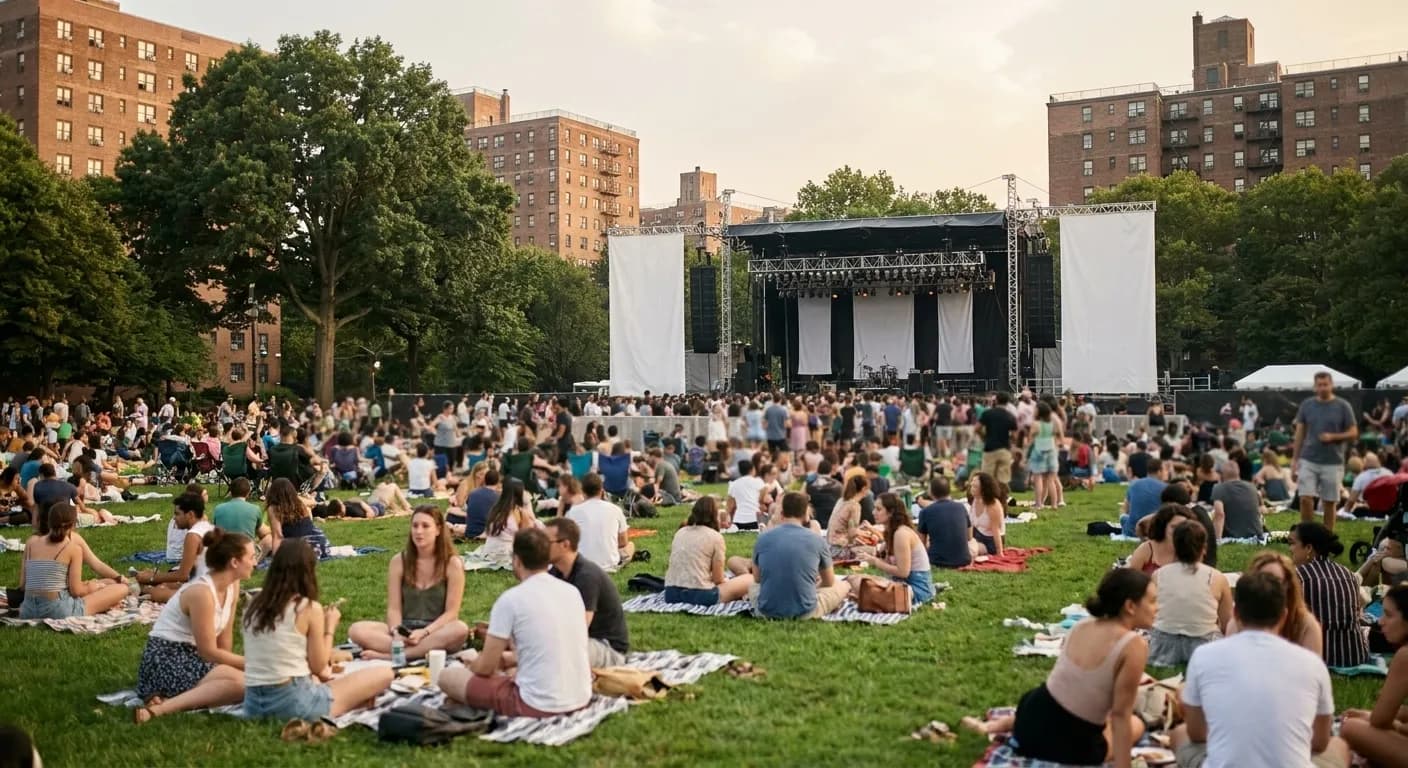
New York has an unusually good cinema landscape and an unusually confusing one. Within a few subway stops of most of Manhattan you can find a multiplex, a nonprofit arthouse, a repertory house screening film prints, a museum cinema and a single-screen neighbourhood theatre, all showing something worth seeing on the same night. Choosing well means knowing which of those you are looking at, because they are not interchangeable.
Showtimes, formats and which rooms are actually good change constantly. Ask Karpo what is worth seeing near you tonight and where.
The four kinds of cinema
The commercial multiplex shows the current wide releases in the largest formats, with reserved seating, recliners in the newer builds, and premium screens. The arthouse shows independent, foreign-language and documentary releases, usually in smaller rooms, often as a nonprofit with a membership scheme. The repertory house shows older films, frequently on 35mm or 70mm prints, in curated seasons. And the museum and institutional cinemas programme film as part of a wider cultural remit.
New York has all four in strength, which very few American cities do. Film Forum on West Houston, a nonprofit running since 1970, is the reference arthouse. The Museum of the Moving Image in Astoria and the Paris Theater near Central Park sit at the institutional end. The IFC Center, Angelika, Metrograph on the Lower East Side and the Alamo houses cover the space between arthouse and repertory. Which one you want depends entirely on what you want to see.
What actually makes a room good
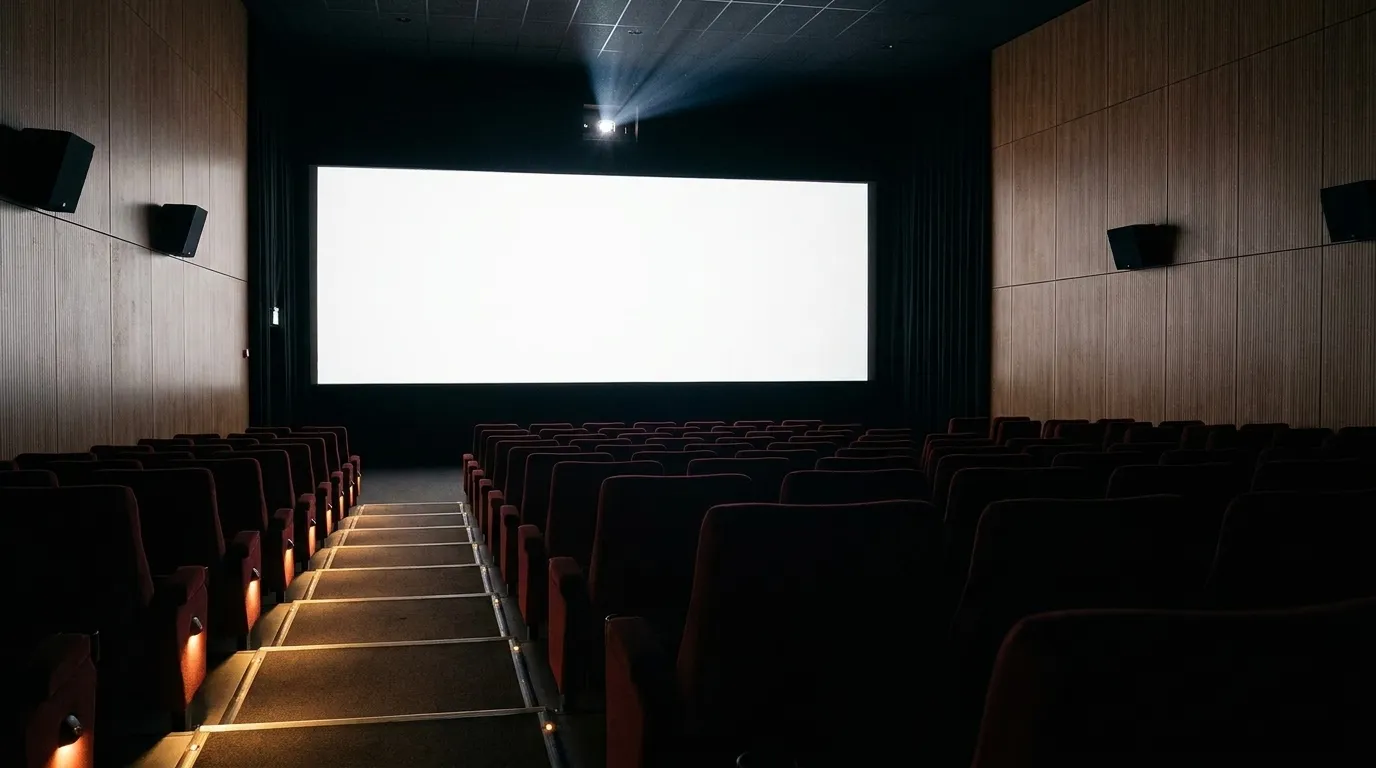
Four things, in order. Projection and sound quality, which varies far more between rooms in the same chain than most people assume. Screen size relative to the room, which determines whether you feel inside the film or are watching a television at a distance. Seat rake, meaning how steeply the rows are banked — a shallow rake puts the head in front of you in the frame. And audience behaviour, which is a genuine variable and correlates strongly with ticket price and with whether the venue enforces anything.
Format matters less than people think and room quality matters more. A standard screening in a well-maintained large auditorium is a better experience than a premium-format screening in a poorly set-up one. The specific screen number at a multiplex is worth knowing; regulars at every cinema in the city know which auditoriums are the good ones.
Repertory, which is the city's real advantage
The thing that makes New York exceptional for film is the repertory scene. On any given week, several venues are screening older films in curated programmes, frequently on original prints, often with introductions or discussions. This is a genuinely rare cultural resource and it is cheaper than a first-run ticket at a premium multiplex.
The practical approach is to look at what the repertory houses are programming before deciding what to see, rather than starting from the new releases. A restored print of a film you have only seen on a laptop, in a room full of people who chose to be there, is a different experience from anything a streaming service offers, and it is available most nights of the week in this city.
Booking and timing
Reserved seating is now standard almost everywhere in New York, which means the useful question is not when to arrive but which seat to pick. Roughly two-thirds of the way back, centre, is the reference position in most auditoriums. Avoid the front three rows in the older houses, which have shallow rake and were designed before anyone sat there.
Weeknight evening screenings are quieter than weekends by a wide margin. The first weekend of a major release is the busiest and worst-behaved audience of its run. Weekday matinees are the cheapest and emptiest screenings available, and several venues price them substantially lower. And the last screening of the night is usually the quietest room in the building.
The neighbourhood single screens
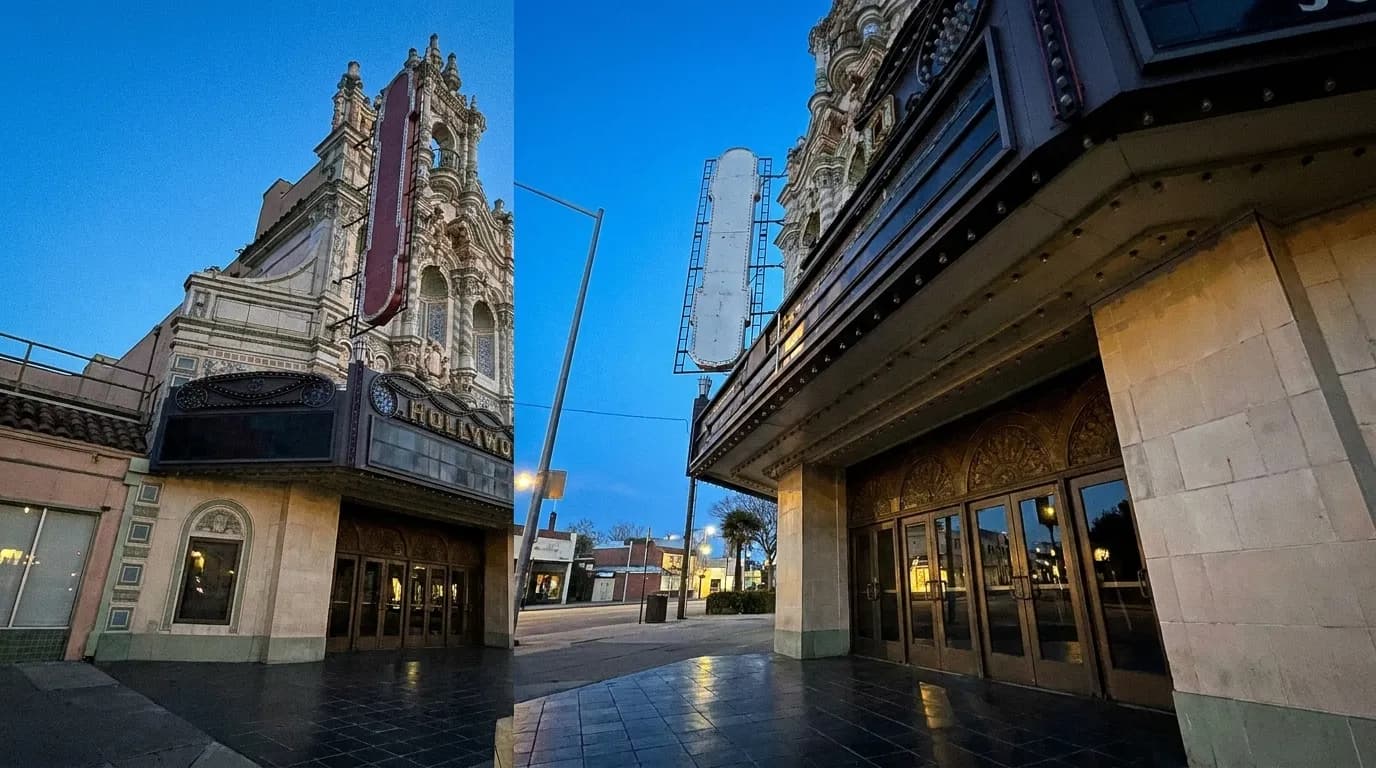
New York still has a scattering of small, older, independently run cinemas in residential neighbourhoods — a few screens, a modest lobby, an audience drawn from the surrounding blocks. They rarely have the newest projection and they never have recliners, and they are frequently the most enjoyable places in the city to see a film: no queue, a quiet room, and tickets priced for a neighbourhood rather than for Times Square. Several have been rescued by nonprofits or community groups in the last decade. If there is one near you, it is worth using before it is not there.
Membership, which pays for itself
Most of the nonprofit arthouses in New York run memberships that discount tickets and often include priority booking, and if you go more than about once a month they pay for themselves. The chains run subscription schemes that work on the same logic at a higher volume. Given ticket prices in this city, doing the arithmetic once is worth it.
The nonprofits are also worth supporting on their own terms. Several of New York's most important cinemas operate on tight margins and depend on membership income to keep programming things that a commercial operator would not touch.
Food and drink policies
One practical difference between New York venues that catches people out: the Alamo Drafthouse houses serve full meals and drinks to your seat during the film and enforce a strict no-talking, no-phone policy; several arthouses serve beer and wine but no food; and the multiplexes sell concessions only. Which of those you want depends on the evening you are planning, and it is worth checking before booking, because a dinner-and-a-film plan and a quiet-room plan are served by different venues entirely.
Practical notes
Check which auditorium your screening is in, not just the venue; the difference within a single building is large. Book ahead for anything on a weekend and for repertory screenings, which sell out faster than people expect. Weekday matinees are the cheapest tickets in the city. Several venues have strict no-phone policies and enforce them, which is a feature rather than a warning. And if you are travelling across boroughs, check weekend subway service changes before committing to a late screening.
Tags: #NYC #NewYorkCity #Movies #Cinema #MoviesNearMe #FilmForum #Metrograph #Repertory #Manhattan #Brooklyn #Astoria #WeekendPlans #NYCCulture #FilmLovers
All trademarks are the property of their respective owners.
Ask Karpo first
Want to know what is screening near you tonight, which auditorium is the good one, and whether the repertory houses have something better on? Ask Karpo before you book.