Los Angeles is the best city in the United States to watch a film in, which is not surprising given what the industry does here. It has more restored movie palaces, more repertory programming and more specialist venues than anywhere else in the country. It also has traffic and parking, which means a film date here succeeds or fails on planning as much as on the film itself.
The right room, the right hour and the right parking plan are what make this work. Ask Karpo to sort the logistics before you book.
The rooms worth the drive
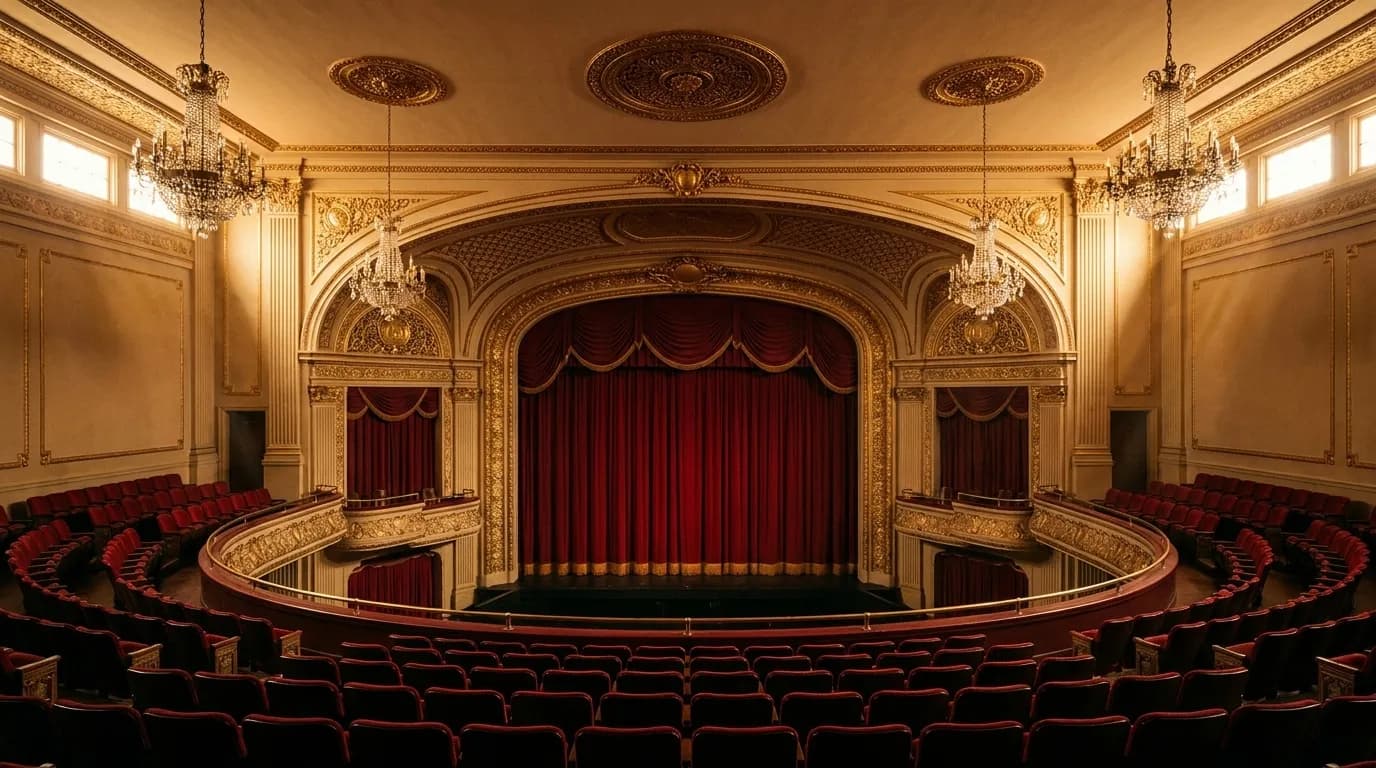
Los Angeles has a genuine collection of historic cinemas still operating as cinemas, and any of them turns an ordinary film into an occasion. The Egyptian Theatre on Hollywood Boulevard opened in 1922 and hosted what is generally regarded as the first Hollywood film premiere; the Chinese Theatre opened in 1927 and remains one of the most recognisable buildings in the city. The Vista in Los Feliz, the New Beverly on Beverly Boulevard, and the Los Feliz 3 are the smaller, more idiosyncratic end of the same tradition.
Downtown's Broadway theatre district holds the largest concentration of surviving movie palaces anywhere in the country, most of them no longer operating daily but several used for screenings and events. The Orpheum, the Los Angeles Theatre and the United Artists building are extraordinary rooms, and a screening in one of them is an evening that does not need a plan B.
Repertory, which is the local advantage
The thing Los Angeles offers that almost nowhere else does is a nightly repertory scene, much of it on film prints. The New Beverly programmes double bills on 35mm. The American Cinematheque runs seasons at the Egyptian and the Aero in Santa Monica. The Academy Museum, the UCLA Film and Television Archive and the Los Feliz and Vista between them cover most of the rest.
For a date, this is the highest-value option in the city. A restored print of a film neither of you has seen properly, in a room built for exactly that, is a better evening than a new release in a suburban multiplex and frequently costs less. It also gives you something to talk about afterwards, which is the actual point.
The logistics that decide it
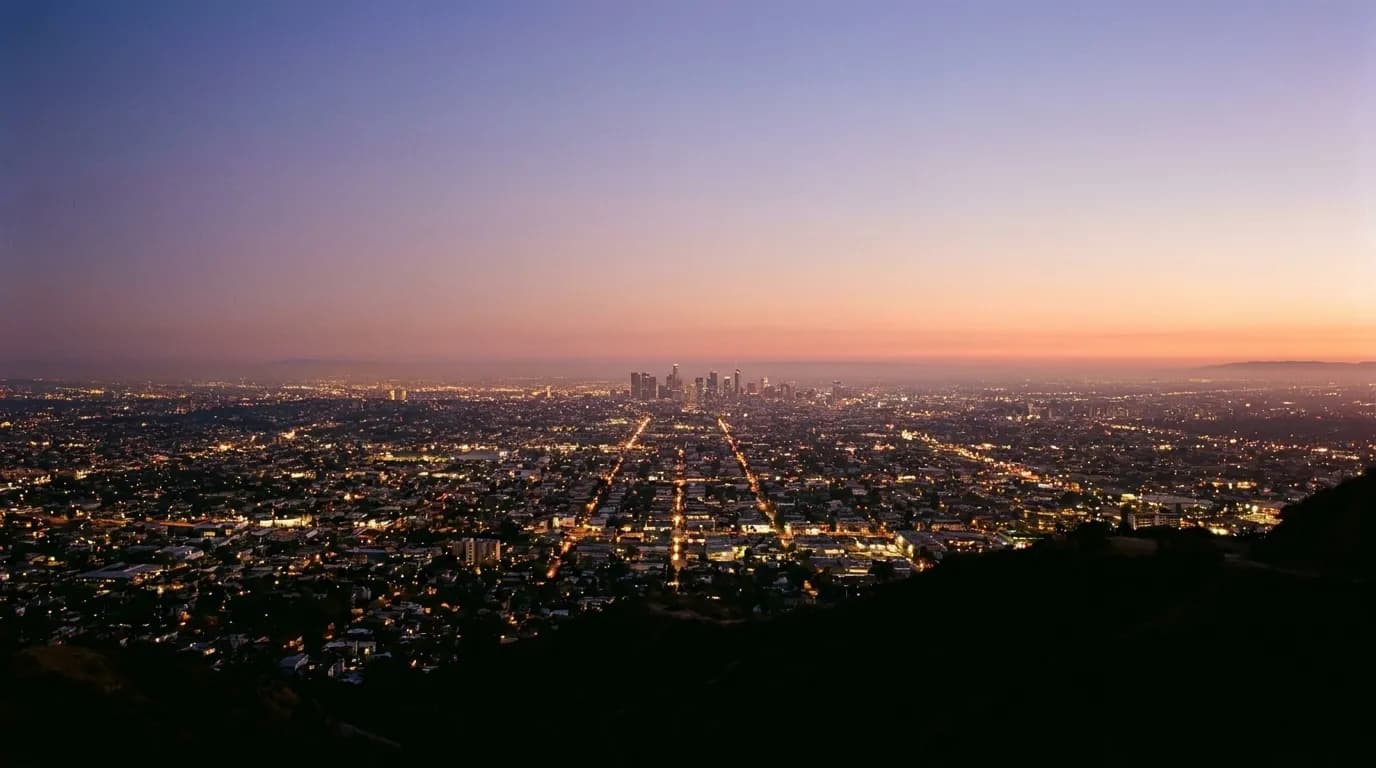
Traffic is the first constraint. Between three and seven in the evening, add half again to any estimate. A seven-thirty screening in Hollywood means leaving the Westside at six, and being late for a film is a worse start to an evening than almost anything else. Booking a later screening — nine or nine-thirty — usually means an easy drive in both directions and a quieter room.
Parking is the second. The historic Hollywood and downtown venues are garage-only and the garages fill on event nights; several offer validation and it is worth checking. Los Feliz and Santa Monica are street parking and often permit-restricted after six. Culver City and the Valley venues have lots. Sorting this before you leave removes the single most common source of friction in an LA evening.
Either side of the film
The advantage of the neighbourhood venues is that dinner and a drink are within walking distance, which in Los Angeles is rare and worth using. Los Feliz, Hollywood around the Egyptian, downtown's Broadway and Santa Monica near the Aero all have restaurants and bars within a few minutes on foot, which means one parking decision for the whole evening.
The sequence that works best is a drink beforehand and dinner afterwards, rather than the reverse — it removes the time pressure on the meal, and having something to discuss makes the dinner considerably better than a pre-film conversation about what you are about to watch. Booking the restaurant for after the film's end time plus twenty minutes is the arithmetic that matters.
The outdoor and specialist options
Los Angeles offers a few things no other city can for an evening like this. Screenings in the grounds of historic properties and cemeteries in the warmer months, which are strange and genuinely memorable. Rooftop series downtown and in Hollywood. Drive-in style pop-ups in car parks across the county. And the Academy Museum, which combines an exhibition with one of the best-equipped auditoriums in the city, so the evening has two halves without a second parking decision. All of these need booking further ahead than a normal screening, which is the trade for the novelty.
What to avoid
Opening weekend of a major release, which is the loudest and worst-behaved audience of the run. Premium formats for a film that does not need one, which costs more for nothing. Suburban multiplexes when a repertory house is showing something better twenty minutes away. And a film neither of you actually wants to see — the room and the plan matter, but not enough to rescue two hours of something you chose by default.
The other thing to avoid is over-scheduling. A film is two hours plus travel and parking, and stacking a full dinner reservation before it turns a relaxed evening into a series of deadlines. Pick one thing to be unhurried about.
The drive-in and the outdoor option
For a first date in particular, an outdoor or drive-in screening solves a specific problem: it is a film that permits talking. The lawn screenings and pop-up drive-ins that run across the county in the warmer months are considerably lower pressure than a silent auditorium, they cost less, and they give you somewhere to be for an hour before the film starts. If the conversation is more important than the film, that is the version to choose.
Practical notes
Book a later screening to avoid the evening traffic peak in both directions. Check parking and validation before you leave. Historic venue screenings sell out for special events, so book ahead. Several venues have strict phone policies, which is a feature. Weeknights are quieter, cheaper and better behaved than weekends. And if the drive is more than thirty minutes, choose a venue with restaurants within walking distance so the whole evening happens on one parking decision.
Tags: #LosAngeles #LADate #Movies #Cinema #DateNight #MoviesNearMe #Hollywood #LosFeliz #DowntownLA #SantaMonica #Repertory #WeekendPlans #LACulture #FilmLovers
All trademarks are the property of their respective owners.
Ask Karpo first
Want to know which rooms near you have something worth seeing tonight, how long the drive really is, and where to park? Ask Karpo before you book the tickets.