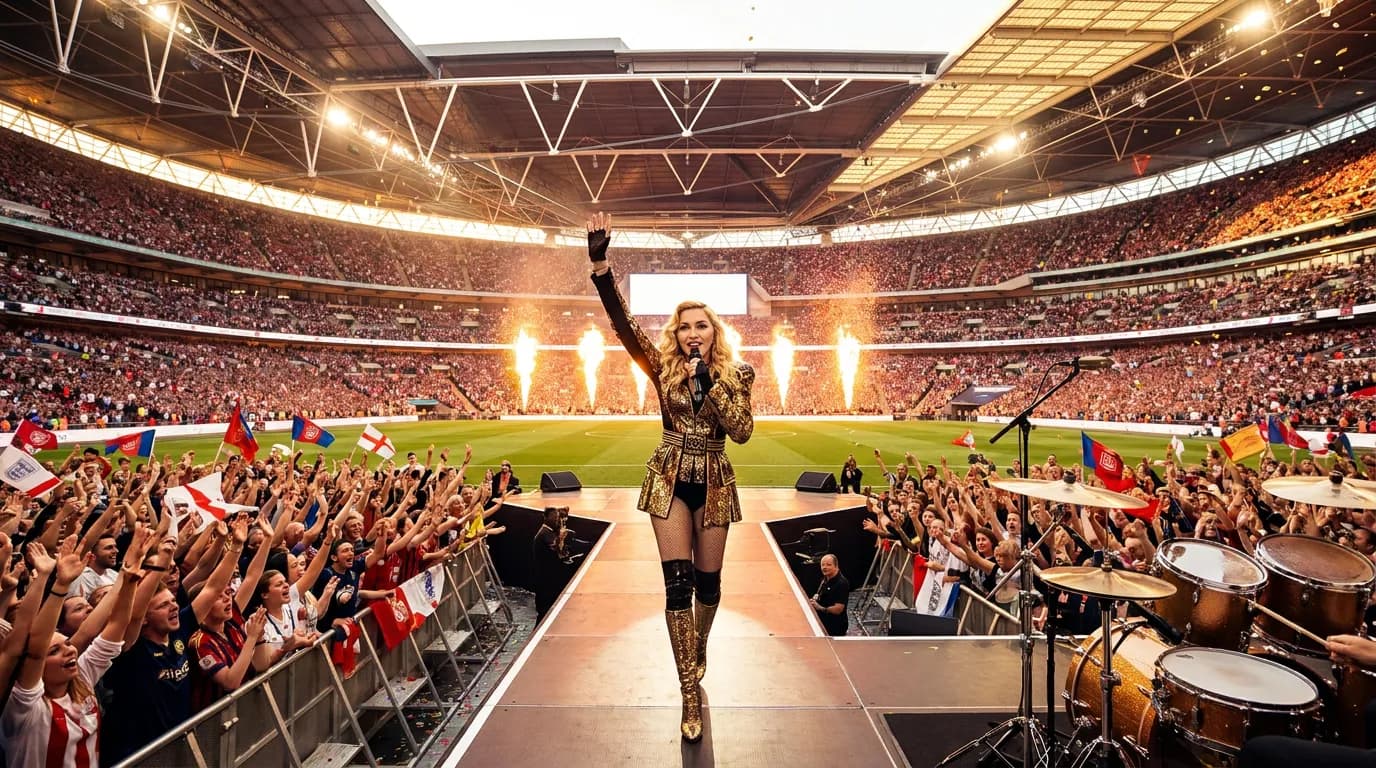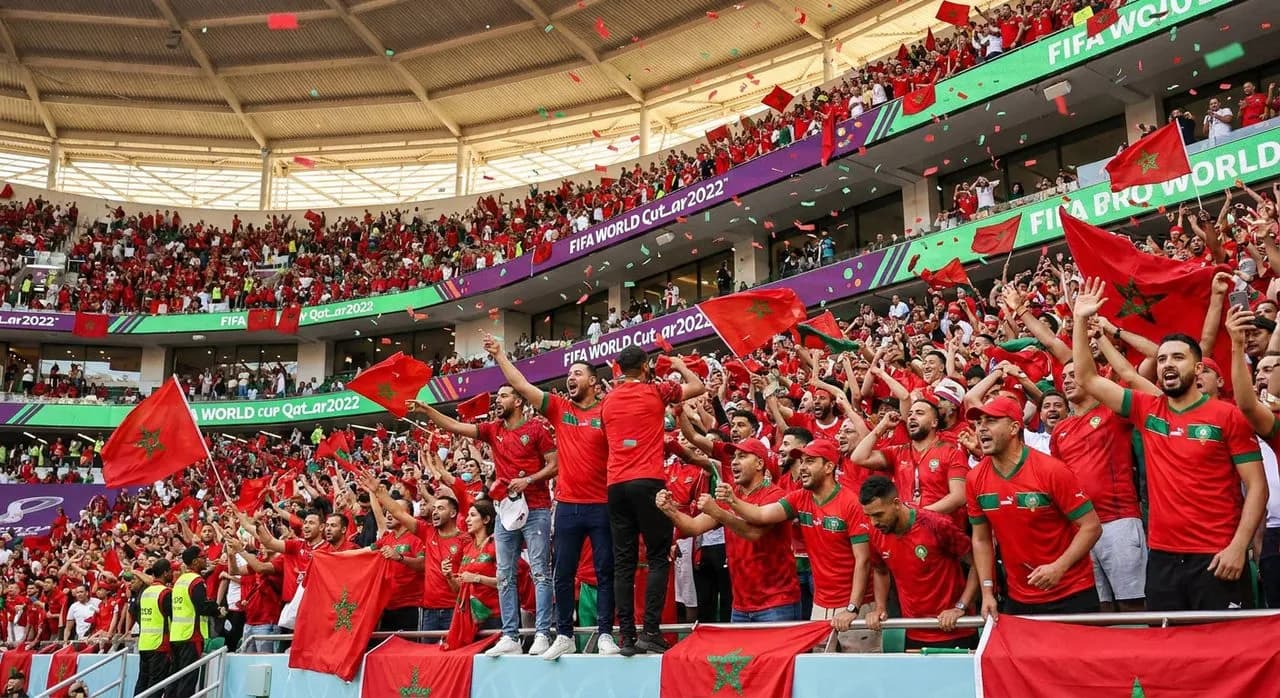
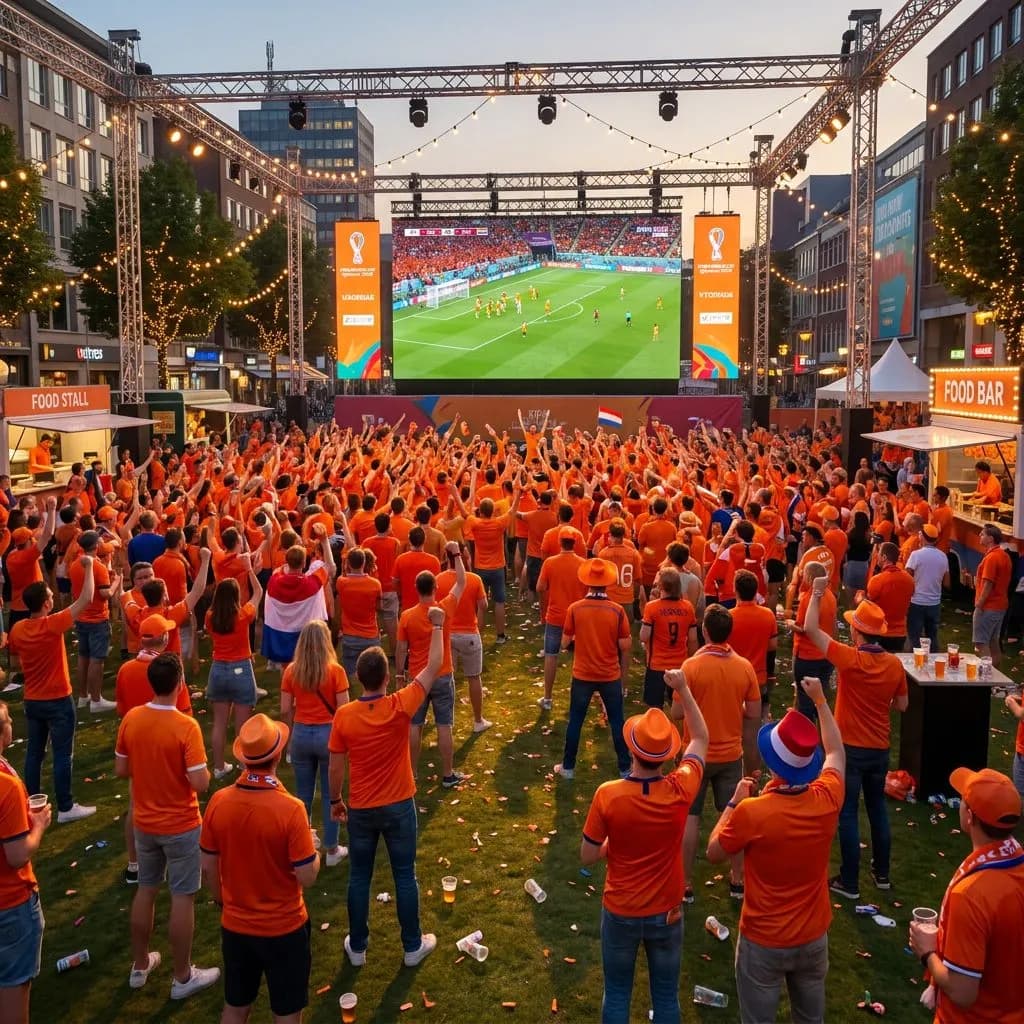
The roar was deafening, a visceral wave of sound that crashed over the Lusail Stadium. Orange and red painted the stands in a vibrant, pulsating tapestry, each flicker of color a heartbeat in the collective chest of 80,000 expectant fans. On the pitch, two nations, two footballing philosophies, stood on the precipice of World Cup glory or despair. The tension was so thick you could almost taste it – a metallic tang of anticipation and a faint aroma of mint tea and stroopwafels carried on the desert breeze. This wasn't just a game; it was a global confrontation, a narrative centuries in the making, distilled into 120 minutes of breathless football, culminating in the cruelest, most exhilarating drama known to the beautiful game: the penalty shootout.
Match Overview and Final Score
The World Cup 2026 Round of 16 clash between Morocco and the Netherlands lived up to every ounce of its colossal billing. What began as a tactically astute, cagey affair blossomed into an end-to-end spectacle, ultimately decided from 12 yards. The final score, following an exhausting 120 minutes of regular and extra time, read Morocco 0-0 Netherlands, leading to the decisive penalty shoot-out. It was a test of nerve, skill, and sheer psychological fortitude, with both teams refusing to yield an inch. The encounter was a masterclass in defensive resilience from Morocco, expertly countered by the Netherlands' fluid attacking movements, creating a compelling narrative that captivated audiences worldwide.
First Half Standoff: Bounou vs Verbruggen
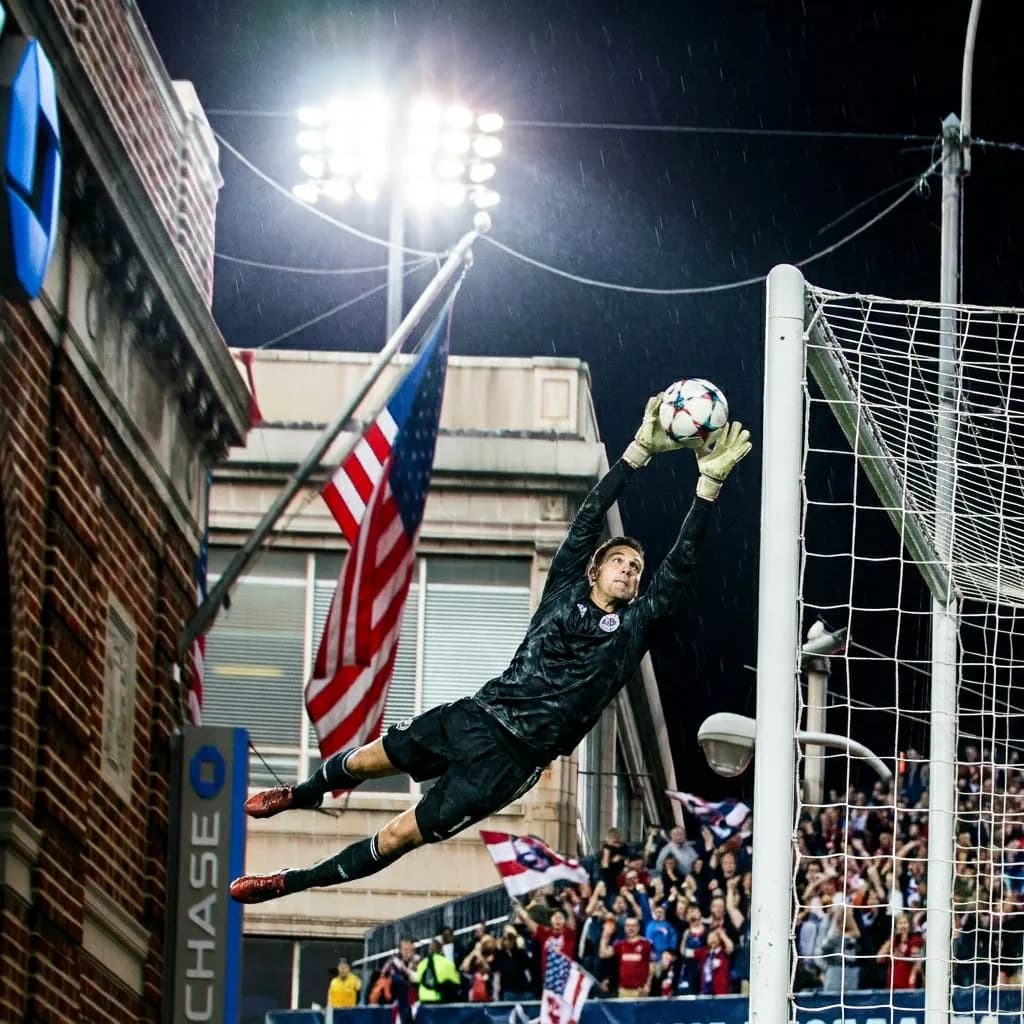
The opening 45 minutes were a testament to the tactical discipline instilled by both opposing managers. Morocco, known for their compact defense and rapid transitions, initially absorbed pressure, with their midfield trio effectively disrupting Dutch passing lanes. The Netherlands, meanwhile, sought to exploit the flanks, with their wingers constantly looking to get in behind. Key to this early stalemate was the exceptional goalkeeping from both sides. For Morocco, Yassine Bounou, often referred to simply as "Bounou," was an imposing figure. His commanding presence in the box and a crucial diving save from a Memphis Depay free-kick in the 27th minute denied the Dutch an early lead. Across the pitch, Bart Verbruggen, the Dutch shot-stopper, was equally impressive, notably tipping a curling Hakim Ziyech effort over the bar in the 38th minute. Insider intel suggests that Verbruggen’s unusual pre-match routine, which includes reciting specific affirmations related to focus and calm, played a significant role in his early composure under immense pressure. Both keepers were clearly primed for a long battle, signalling that goals would be at a premium.
Second Half and Extra Time Breakdown
The second half saw a significant increase in tempo and attacking intent. Morocco grew into the game, leveraging the pace of their wingers and the creative spark of Azzedine Ounahi. Ten minutes into the half, a superb through-ball from Sofyan Amrabat released Youssef En-Nesyri, whose powerful shot from a tight angle was brilliantly blocked by Verbruggen, pushing it wide for a corner. The Netherlands responded with fresh legs, bringing on Xavi Simons, whose immediate impact added a new dimension to their attack. The Dutch continued to press, creating several half-chances, including a header from Virgil van Dijk that narrowly cleared the crossbar in the 78th minute. The game became a lung-busting exhibition of end-to-end football, with both teams committing bodies forward, though the final clinical touch remained elusive. As the whistle blew for full time, the score remained 0-0, extending the agony into extra time. The additional 30 minutes saw tired legs and frayed nerves. Moroccan defender Nayef Aguerd, a linchpin in their defense, made a crucial goal-line clearance in the 105th minute after a goalmouth scramble following a Dutch corner. Despite a late flurry of substitutions aimed at finding a decisive goal, neither side could break the deadlock. The referee’s final whistle for extra time was met with a collective gasp, confirming the inevitable: a penalty shoot-out.
The Penalty Shootout: Every Kick
The walk to the center circle for the coin toss felt like an eternity. The atmosphere was unbearable, a nervous hum replacing the earlier roars. The penalty shoot-out unfolded as follows:
Netherlands 1st: Cody Gakpo – Scores.
Morocco 1st: Hakim Ziyech – Scores.
Netherlands 2nd: Wout Weghorst – Scores.
Morocco 2nd: Sofiane Boufal – Scores.
Netherlands 3rd: Frenkie de Jong – Saves by Bounou! A fantastic diving save to his right, igniting the Moroccan section.
Morocco 3rd: Abde Ezzalzouli – Scores.
Netherlands 4th: Teun Koopmeiners – Scores.
Morocco 4th: Ismael Saibari – Scores. Cool and collected, placing it perfectly into the top corner.
Netherlands 5th: Donyell Malen – Blazes over! The ball sailed high over the bar, sending the Moroccan team and their fans into delirium.
Morocco had won the penalty shoot-out 4-3, progressing to the quarterfinals in a historic moment. The explosion of joy from the Moroccan team was immediate, a wave of elation that swept across the stadium as the Dutch players crumpled to the ground in despair.
Standout Players: Saibari and Summerville
While Bounou's heroics in the penalty shootout will undoubtedly be etched into World Cup folklore, two other players significantly impacted the match. For Morocco, Ismael Saibari, coming on as a substitute, provided a much-needed injection of energy and creativity in the attacking third. His composure to slot home his crucial penalty kick under immense pressure was a testament to his burgeoning talent. Saibari’s journey to the national team has been one of quiet determination, marked by consistent performances in the Eredivisie, and his late-game impact here showcased exactly why the coaching staff trust him in high-stakes situations.
For the Netherlands, Crysencio Summerville, another second-half substitute, was a constant threat. His blistering pace and direct running caused problems for the Moroccan defense, and he nearly created a decisive moment with a jinking run in extra time that ended with a shot just wide of the post. Summerville’s inclusion was a tactical masterstroke by the Dutch coach, aimed at exploiting tired legs, and he delivered on that promise, even if the ultimate outcome wasn't in his favor. Insider reports indicated that Summerville had been particularly singled out for his ability to change games from the bench, a role he embraced with gusto.
Practical Notes
For those wondering about the immediate aftermath, Moroccan fans erupted in celebrations across the globe, from Doha to Amsterdam, Casablanca to Montreal. Many are already looking ahead to the quarterfinals, analyzing potential matchups and booking flights. For Moroccan citizens requiring passport renewals or travel advice for Qatar, embassies and consulates are expected to see increased demand. Similarly, for Dutch fans, while disappointment reigns, the focus will soon shift to domestic league action and reviewing the national team's performance. Travelers planning to attend remaining World Cup matches should be aware of continued high demand for accommodation and transportation in Doha, with booking in advance remaining paramount. Public transport around Lusail Stadium operated with commendable efficiency, a critical logistical success for such a high-profile fixture.
Tags: #WorldCup2026 #FIFAWorldCup #MoroccoVsNetherlands #PenaltyShootout #FootballDrama #Bounou #Saibari #Qatar2026 #KnockoutStage #FootballHighlights #WorldCupHistory #NetherlandsFootball #MoroccoFootball #LusailStadium #SportsTravel
Sources consulted: fifa.com · metlifestadium.com
All trademarks are the property of their respective owners.
Ask Karpo First
Curious about how the penalty shootout unfolded, what Morocco's path to the quarterfinals looks like, or where Dutch and Moroccan fan communities are celebrating? Ask Karpo for penalty breakdowns, updated bracket analysis, and fan zone locations near you.