The Venue Nobody Expected to Steal the Show
When FIFA announced the 2026 World Cup venues, Estadio BBVA in Monterrey was the least discussed. It lacked MetLife Stadium's final-hosting prestige, SoFi Stadium's Hollywood glamour, and the Azteca's historical weight. Located in Mexico's industrial northeast, Monterrey was seen as a practical choice — close to the US border, adequate infrastructure, a serviceable stadium. Nobody predicted that Estadio BBVA would host the most dramatic match of the tournament. But Morocco's penalty shootout victory over the Netherlands on June 30 changed the narrative entirely, transforming a city known for steel manufacturing and craft beer into the World Cup's most talked-about location.
Estadio BBVA's Design Created the Perfect Cauldron
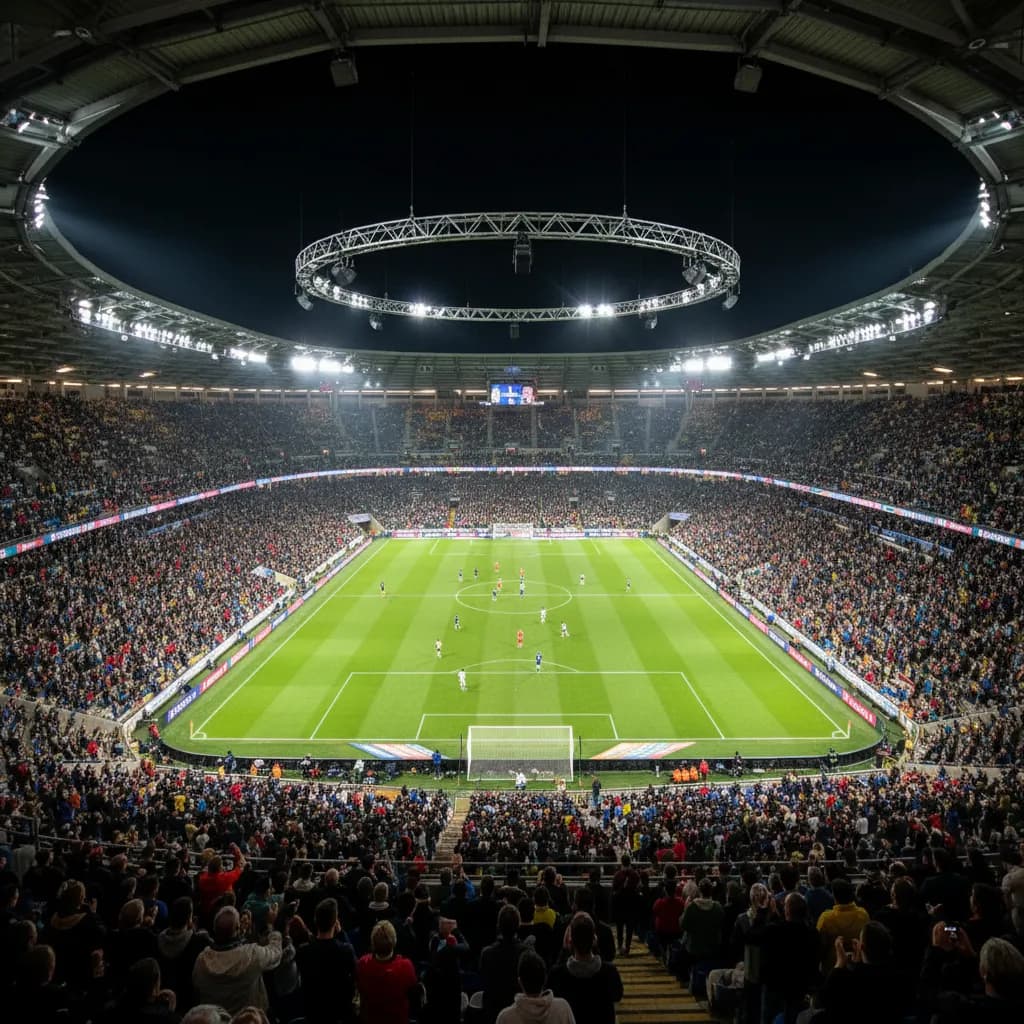
The stadium's architecture — designed by Populous, the same firm behind Tottenham Hotspur Stadium — features a steep, single-tier bowl that places fans extraordinarily close to the pitch. The acoustics, designed for Liga MX matches where crowd noise is a competitive weapon, amplified the Morocco-Netherlands drama to an almost unbearable intensity. The 53,500 capacity is modest by World Cup standards, but every seat felt like it was on top of the action. Broadcast commentators noted that the noise during Bounou's penalty saves was so loud it distorted their microphones — a phenomenon that had not occurred at any other venue.
The Sierra Madre Backdrop Added Cinematic Beauty
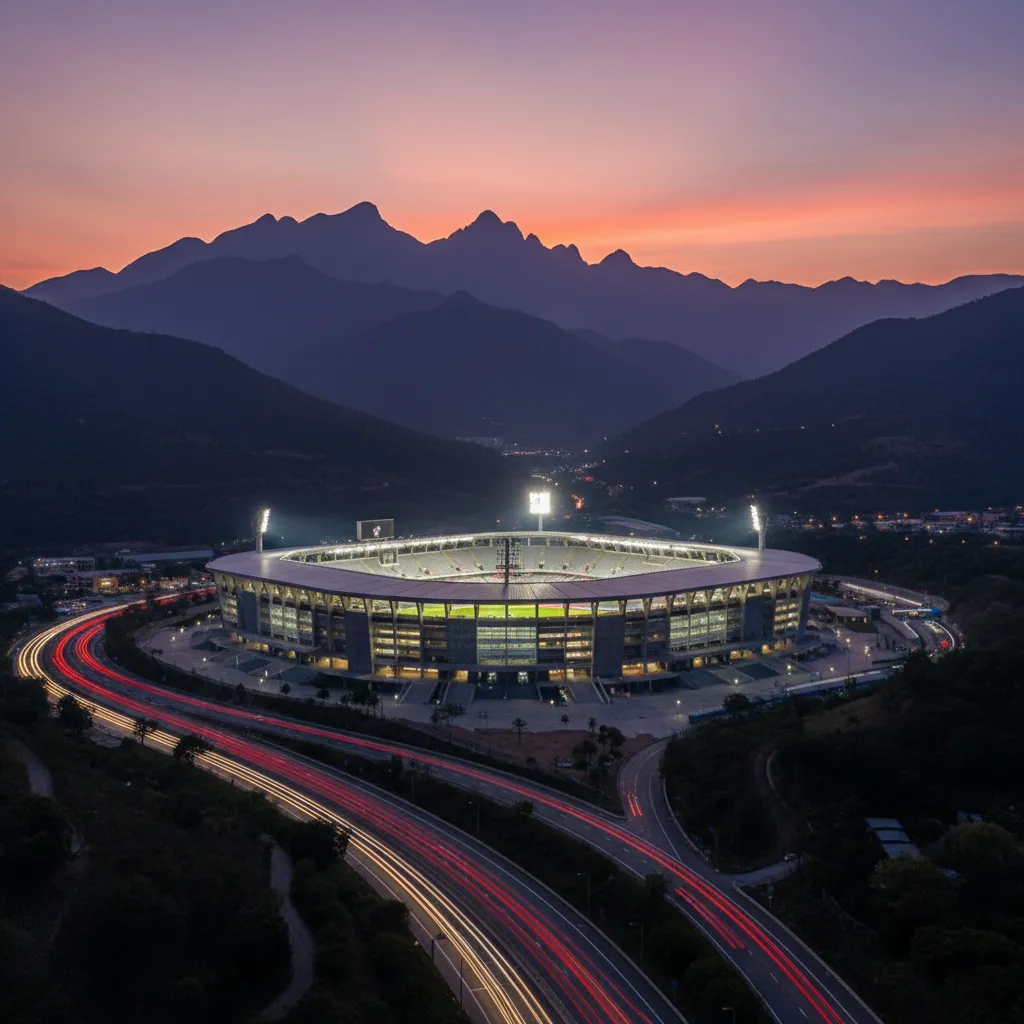
Monterrey sits in a valley surrounded by the Sierra Madre Oriental mountain range, and Estadio BBVA's open north end frames the mountains in a way that has become iconic during the tournament. Television cameras captured the penalty shootout with the illuminated peaks as a backdrop — an image that was shared millions of times and has already been described as one of the most beautiful sporting photographs ever taken. The contrast between the stadium's modern architecture and the ancient mountain range created a visual narrative that no other venue could match.
Monterrey's Food Scene Became a World Cup Story
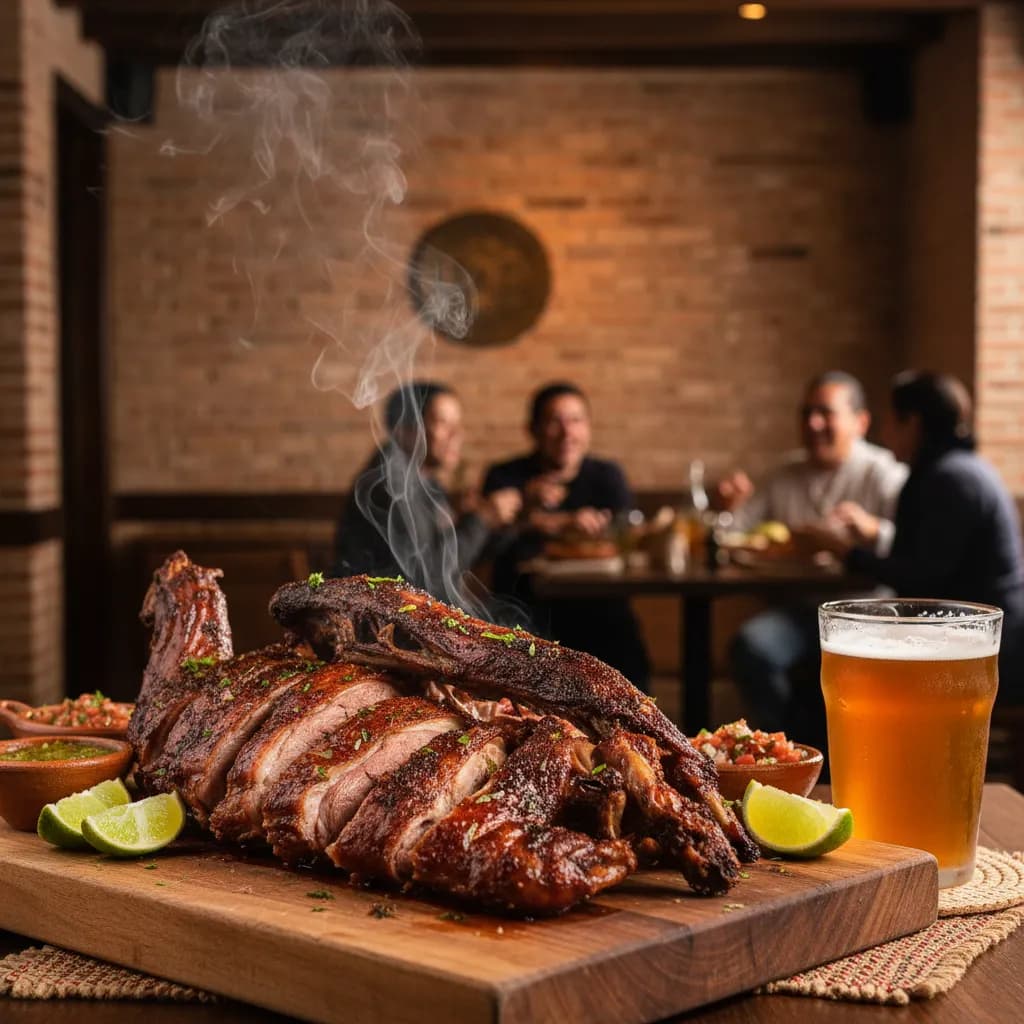
The tournament brought 200,000 international visitors to a city that had never hosted a global sporting event of this scale. What they found surprised them: Monterrey's food scene — centered on cabrito (roasted goat), machaca (dried beef), and some of Mexico's best craft beer — became a viral sensation. Dutch and Moroccan fans posted hundreds of videos of themselves trying cabrito for the first time, with reactions ranging from ecstatic to bewildered. Local restaurants reported 300% increases in revenue during match weeks, and several international food publications have since featured Monterrey in "destinations to watch" lists.
The Local Crowd Adopted Morocco
Monterrey's population of 5.3 million had no pre-existing connection to either Morocco or the Netherlands. But by halftime of the Round of 32 match, the local crowd had overwhelmingly adopted Morocco as their team. The reasons were partly cultural — Mexico's North African diaspora is small but vocal — and partly emotional: Morocco's underdog story resonated with a city that prides itself on self-made success. When Bounou saved the decisive penalty, the celebration in the stands was as passionate as any in Casablanca or Rabat.
The Economic Impact Has Exceeded All Projections
Monterrey's tourism board projected $120 million in World Cup-related economic impact. Early estimates suggest the actual figure will exceed $180 million — driven by longer-than-expected visitor stays, higher-than-anticipated restaurant and hotel spending, and a surge in post-tournament tourism inquiries. The city's Airbnb bookings for July have increased 240% compared to the same period in 2025, driven by visitors who experienced the city during the World Cup and plan to return.
A Legacy That Will Last Beyond the Tournament
Monterrey's World Cup moment will have lasting implications. The city has submitted a formal bid to host Copa America matches in 2028. Estadio BBVA's ownership group has announced a $45 million expansion plan that would increase capacity to 65,000. And the Morocco-Netherlands match has given Monterrey something that money cannot buy: a place in World Cup folklore. When football fans think of penalty shootouts, they will now think of Bounou, of the Sierra Madre, and of a city that nobody expected to steal the show.
Tags: World Cup 2026, Monterrey Stadium, Estadio BBVA, Morocco vs Netherlands, penalty shootout, venue, Sierra Madre, Mexican food, World Cup venue, Monterrey Mexico
Sources consulted: FIFA · ESPN · Yahoo Sports
All trademarks, team names, league names, and player likenesses mentioned in this article are the property of their respective owners and are used here for informational and editorial purposes only.
Ask Karpo First
Want to explore Monterrey's food scene and find out if more World Cup matches are coming to Estadio BBVA? Ask Karpo for the latest match schedule, a guide to Monterrey's Barrio Antiguo restaurants, and the best cabrito spots near the stadium.