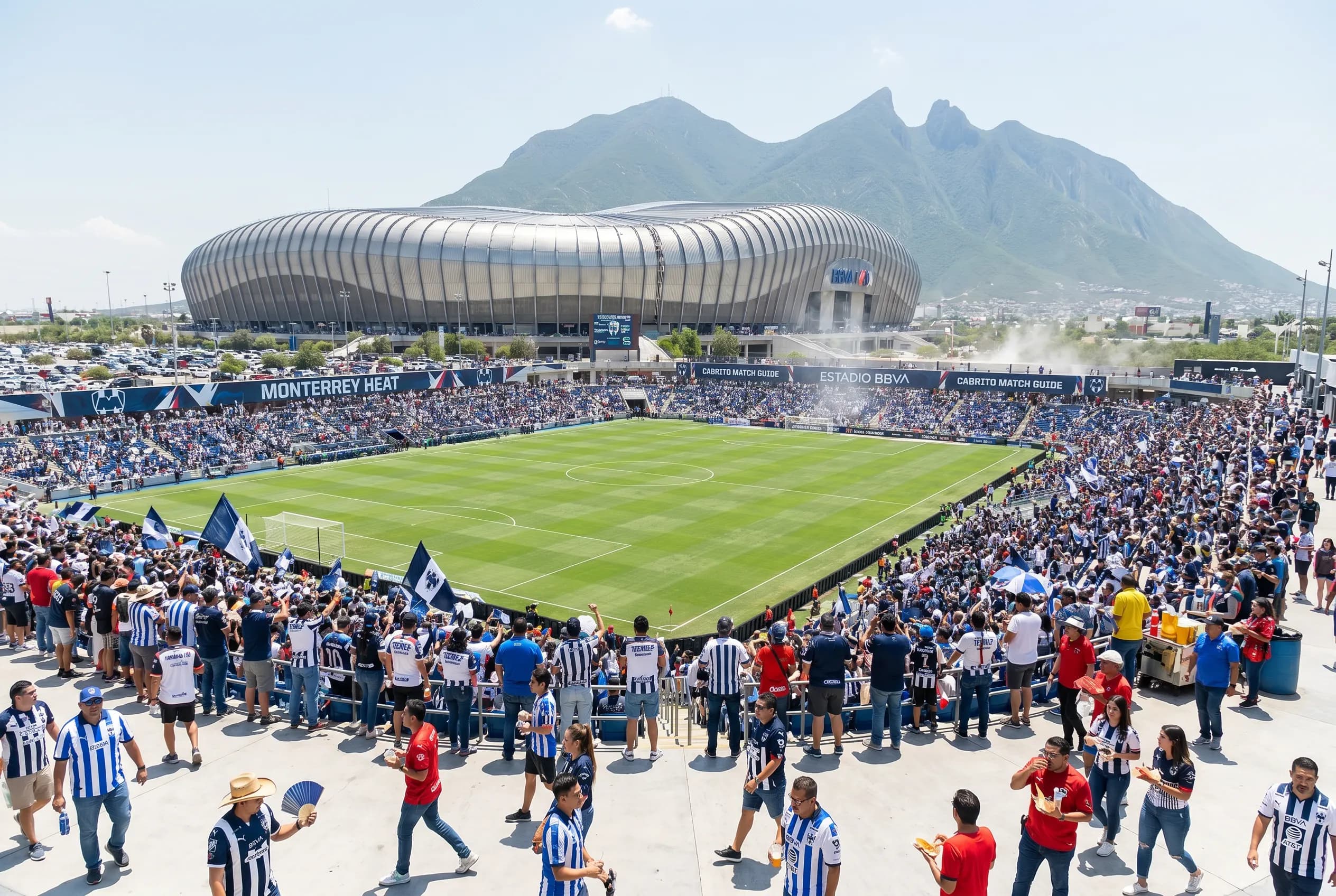
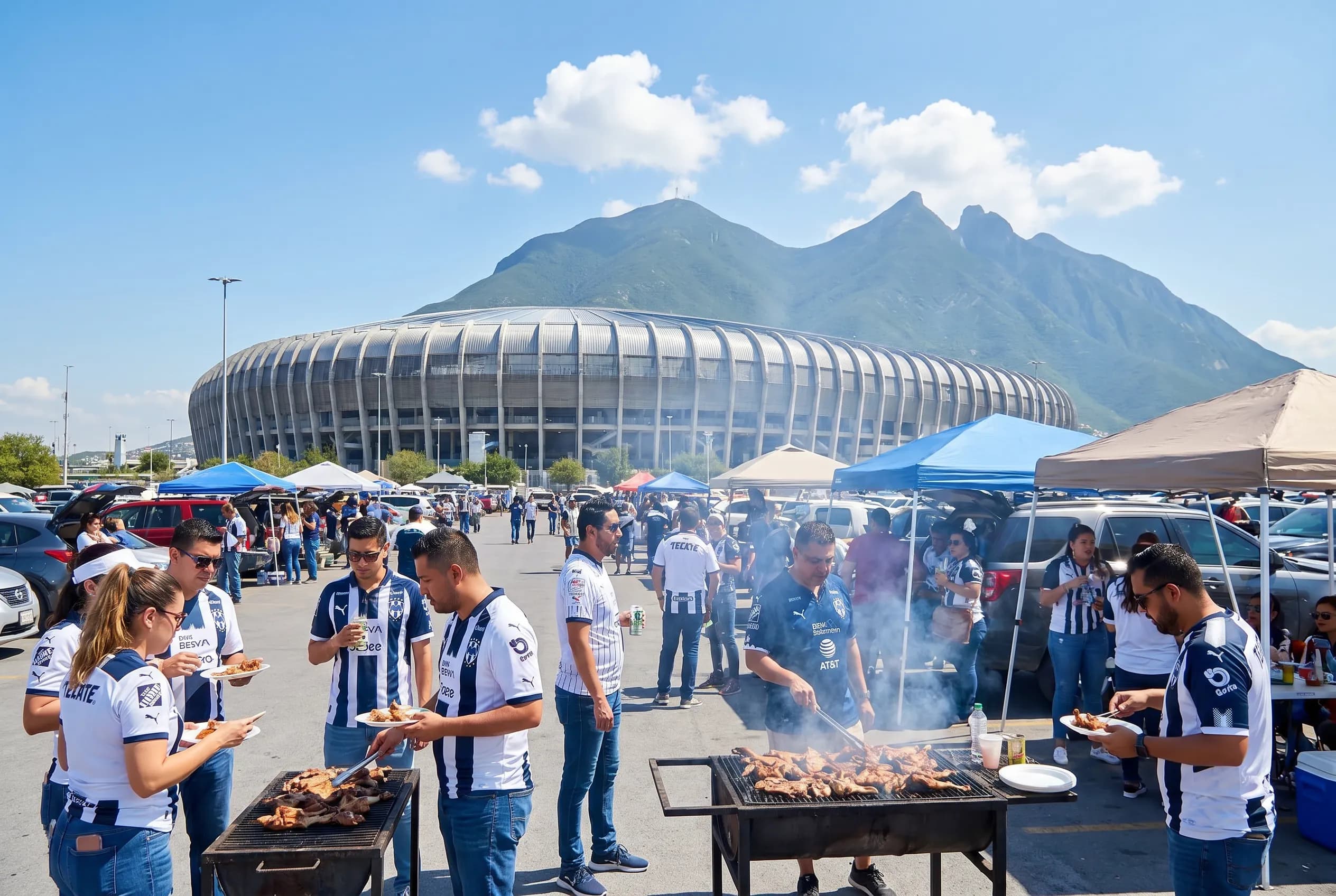
Monterrey will welcome the world to Estadio BBVA for FIFA World Cup 2026, bringing international football to a city defined by dramatic mountain backdrops, industrial energy, and culinary traditions rooted in northern Mexico's ranching heritage. The modern stadium sits in the Guadalupe municipality, roughly twenty minutes east of downtown when traffic cooperates, but match days will test the metropolitan area's car-dependent infrastructure. Summer temperatures regularly climb above thirty-five degrees Celsius, and the basin geography traps heat well into evening kick-offs. Visitors who plan around the climate, understand parking realities, and build time for cabrito—the slow-roasted young goat that anchors regiomontano cuisine—will find Monterrey rewards preparation with unforgettable match-day atmosphere.
Karpo helps you design a personalized Monterrey match-day plan that accounts for heat, parking constraints, and the cabrito spots locals actually visit. Text us your kick-off time, group size, and whether you want pre-match tradition or post-match celebration, and we'll map a route that keeps you comfortable, on schedule, and well-fed. No generic recommendations—just a timeline built for your specific fixture and preferences.
Understanding Monterrey's Summer Heat Reality
Monterrey sits in a semi-arid basin surrounded by the Sierra Madre Oriental, and summer heat becomes a serious planning factor rather than mere discomfort. Daytime temperatures from June through August frequently exceed thirty-seven degrees Celsius, with low humidity that accelerates dehydration. The surrounding mountains limit air circulation, so heat persists well after sunset—evening matches may still see temperatures above thirty degrees at kick-off. Estadio BBVA's modern design includes a partial roof covering most seats, but the open ends and field exposure mean direct sun remains a factor for afternoon arrivals and pre-match activities in surrounding plazas.
Visitors should treat heat as a logistical constraint, not just a weather observation. Carry more water than seems necessary, plan indoor stops between hotel and stadium, and avoid alcohol-heavy pre-match routines that compound dehydration. Light-colored, loose clothing and high-SPF sunscreen matter for anyone arriving more than an hour before kick-off. The stadium's concourses offer air-conditioned relief, but queues for food and restrooms mean extended outdoor exposure. Locals time their arrival to minimize time in direct sun, often entering the venue thirty to forty minutes before kick-off rather than the early arrival common in cooler climates.
Parking Strategy for Estadio BBVA
Estadio BBVA offers official parking in multiple lots surrounding the venue, but capacity fills quickly for high-demand matches, and World Cup fixtures will test the system beyond typical Liga MX crowds. The stadium complex includes both surface lots and structured parking, with closer spaces commanding premium prices. Traffic on Avenida Pablo Livas and the connecting arterials slows to a crawl in the two hours before kick-off, and post-match exit can take an hour or more as thousands of vehicles funnel onto limited roadways. Parking passes often sell separately from match tickets, and availability is not guaranteed on match day.
Many experienced visitors park at shopping centers along Avenida Gonzalitos or near the Guadalupe municipal center, then use ride-share services for the final approach to avoid post-match gridlock. This strategy trades parking cost for exit flexibility and eliminates the stress of lot navigation in unfamiliar surroundings. For groups comfortable with longer walks, neighborhoods south of the stadium offer street parking within a twenty-minute walk, though security and lighting vary by block. Arriving three hours early secures official parking but means extended time managing heat; arriving ninety minutes out often means circling for alternatives. There is no perfect solution, only trade-offs between cost, convenience, and time.
Public Transit and Ride-Share Options
Monterrey's metro system does not directly serve Estadio BBVA, and the city's public transit network remains car-centric compared to Mexico City or Guadalajara. The nearest metro station, Exposición on Line 2, sits roughly five kilometers west of the stadium, requiring a bus connection or ride-share transfer. Metrobús Line 3 runs closer, with stops along Avenida Morones Prieto, but still leaves a significant walk or final connection. For visitors staying in central neighborhoods like Barrio Antiguo or the Macroplaza area, public transit to the stadium involves multiple transfers and typically exceeds an hour each way.
Ride-share services—primarily Uber and Didi—dominate match-day transit for those without cars. Designated pick-up and drop-off zones around the stadium help manage the volume, but surge pricing during peak demand can multiply fares by three or more. Booking a ride thirty minutes after the final whistle often means long waits as the app struggles to match supply with thousands of simultaneous requests. Some visitors pre-arrange return trips with drivers, negotiating flat rates that avoid surge algorithms. Taxis remain an option but require negotiating fares in advance and confirming the driver knows the stadium pick-up zones. The transit reality in Monterrey means budgeting more time and money for match-day movement than in cities with comprehensive metro networks.
Cabrito Dining Tradition and Timing
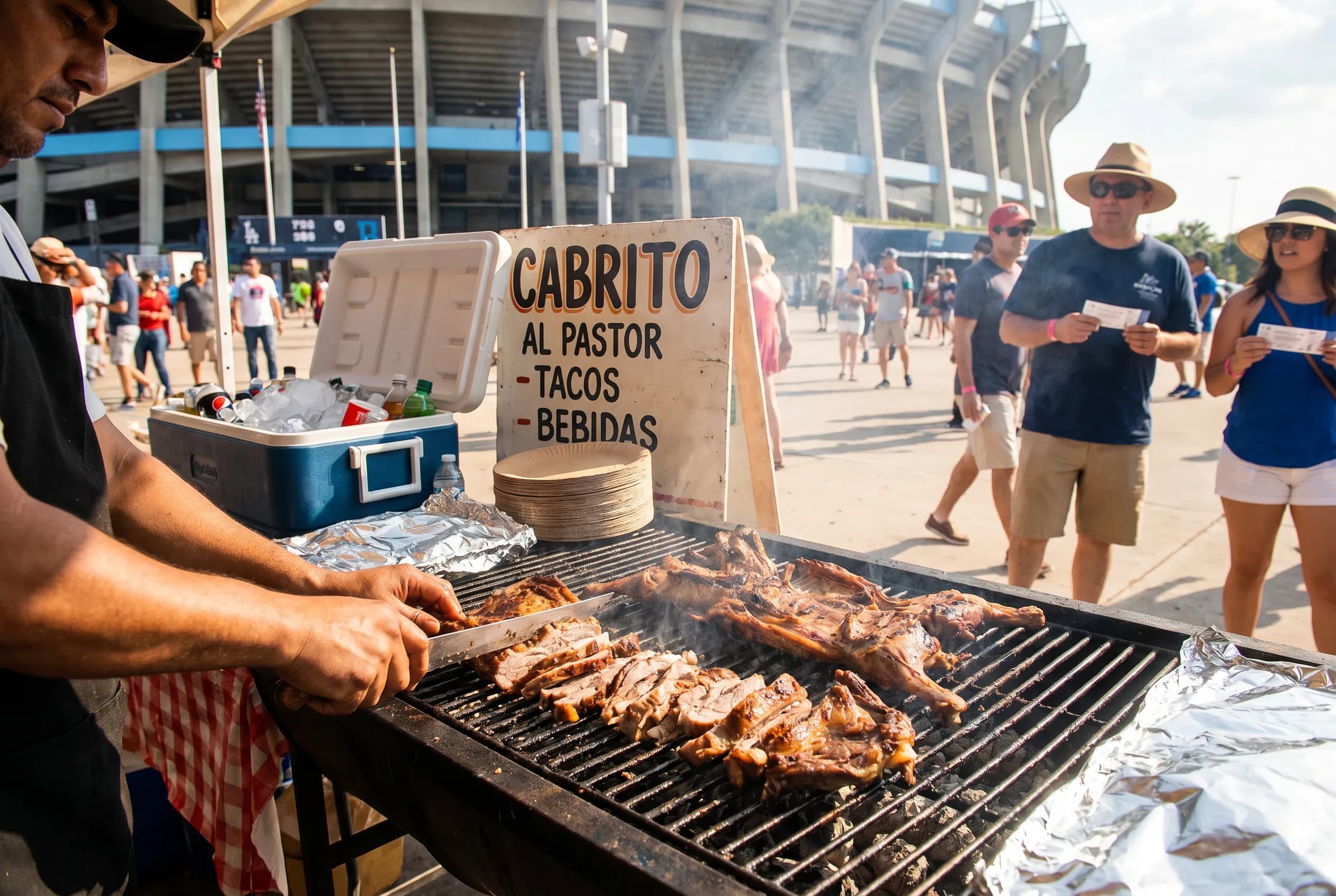
Cabrito—young goat slow-roasted over mesquite or in traditional ovens—defines Monterrey's culinary identity, and no visit feels complete without experiencing the dish that has anchored regiomontano tables for generations. The preparation varies by restaurant: some roast whole kids on vertical spits, others braise in underground pits, and a few offer northern-style grilled cuts. The meat arrives tender and subtly gamey, typically served with flour tortillas, grilled onions, cilantro, salsa, and sides of frijoles charros. Cabrito restaurants range from simple roadside spots with plastic chairs to polished dining rooms with extensive wine lists, but quality correlates more with technique and sourcing than ambiance.
Timing cabrito around match schedules requires understanding that the dish is not fast food. Traditional preparations take hours, and many restaurants serve cabrito only at lunch or require advance orders for evening service. A pre-match cabrito meal means a midday start, allowing time for the leisurely pace locals expect and digestion before kick-off. Post-match cabrito works better for late-night spots that stay open past midnight, though options narrow considerably. Visitors should not assume cabrito availability at any given restaurant without checking hours and preparation schedules—calling ahead or asking hotel concierges for current information prevents disappointment.
Where Locals Eat Cabrito
Monterrey's cabrito landscape includes both storied institutions and neighborhood favorites that rarely appear in tourist guides. The city's cabrito culture is deeply local, with families loyal to specific restaurants for decades, and recommendations vary widely based on neighborhood and personal tradition. Some of the most respected names operate in the Guadalupe and San Nicolás municipalities, convenient to the stadium area, while others cluster in northern colonias or along highways leading out of the city. Quality and style differ: some emphasize the traditional whole-roasted presentation, others focus on specific cuts, and a few modernize the dish with contemporary plating.
Visitors should approach cabrito dining with flexibility, understanding that the most authentic experiences may involve basic surroundings, limited English, and cash-only payment. The dish itself remains the focus—tender meat with smoky depth, served simply to highlight the preparation. Portions tend toward generous, and sharing is common. Side dishes and salsas vary by restaurant, with some offering extensive accompaniments and others keeping the plate minimal. Asking locals for current recommendations yields better results than relying on outdated online reviews, as restaurant quality can shift with ownership changes or chef departures. The cabrito experience is as much about participating in regional food culture as it is about the meal itself.
Match-Day Logistics and Neighborhood Context
Estadio BBVA sits in a mixed commercial and residential area that lacks the dense urban fabric surrounding older stadiums in Mexico City or Guadalajara. The immediate surroundings include shopping centers, chain restaurants, and automotive businesses rather than traditional cantinas or street-food corridors. This geography means pre-match atmosphere builds inside the stadium complex rather than in surrounding neighborhoods, and visitors looking for spontaneous street-level energy may find the area quieter than expected. The stadium's modern design and amenities compensate with comfort and sightlines, but the trade-off is a more controlled, less organic match-day environment.
Planning a full match-day experience in Monterrey often means splitting time between downtown or Barrio Antiguo for pre-match meals and atmosphere, then traveling to the stadium closer to kick-off. This approach requires realistic transit time estimates and acceptance that the stadium area itself offers limited pre-match exploration. Alternatively, visitors can embrace the modern stadium experience, arriving early to enjoy the venue's concourses and plazas, then exploring Monterrey's broader attractions on non-match days. Neither approach is wrong, but expectations should match the city's geography and infrastructure. Monterrey rewards visitors who plan around its realities rather than expecting it to function like more compact football cities.
Tags: #WorldCup2026 #Monterrey #EstadioBBVA #Cabrito #MexicoTravel #StadiumGuide #MatchDayPlanning
Sources consulted: FIFA Monterrey destination · Nuevo Leon tourism
All trademarks are the property of their respective owners.
Ask Karpo First
Karpo builds Monterrey match-day plans that sync kick-off times, heat management, parking realities, and cabrito dining into a single workable timeline. Text us your fixture details and preferences, and we'll map the route that gets you fed, comfortable, and to your seat without the guesswork. Let us handle the logistics so you can focus on the football.