 Where to Eat Near Penn Station That Isn't a Chain
US Open 2026
Mixed Doubles at the US Open: Format and Fan Guide
Mixed doubles can be a smart US Open viewing choice because it combines fast tactics, close-up atmosphere, and flexible planning for fans.
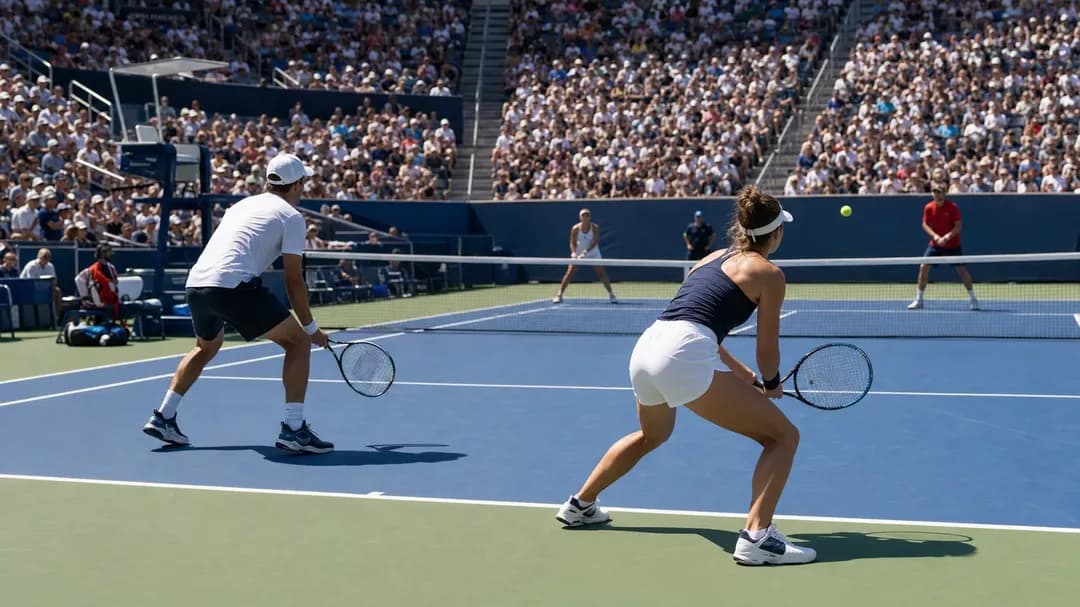
Mixed doubles at the US Open is easy to miss if your visit is built only around singles, but it can be one of the most enjoyable ways to watch elite tennis in New York. The US Open includes doubles and additional championship events alongside singles, and mixed doubles gives fans a different rhythm: two players on each side, one woman and one man per team, sharing space, decisions, pressure, and momentum. Points often turn on serve location, return placement, net instincts, and communication rather than long baseline exchanges alone. That makes the event approachable for newer fans and rewarding for experienced ones. Because match schedules and court assignments are released closer to play, the best plan is not to build your day around an assumed matchup, court, or time. Treat mixed doubles as a flexible opportunity. Check the official schedule, follow posted court assignments, and be ready to adjust when a compelling match appears.
Text Karpo Now: Tell us what matters most for Mixed Doubles at the US Open, and Karpo can turn current US Open updates into a practical plan before you go.
What Mixed Doubles Is
At its simplest, mixed doubles is doubles tennis played by two-player teams made up of one woman and one man. The court is the standard doubles court, including the alleys, so angles and spacing matter immediately. Each team must cover more width than in singles, decide who handles balls through the middle, and choose when to attack the net. The format changes how spectators read a match. In singles, one player owns every tactical choice. In mixed doubles, nearly every point reflects partnership: who serves, who returns, who crosses, who protects the middle, and who settles the team after a loose game.
For a fan in the stands, the key is not to memorize every pattern before arriving. Watch the spacing first. Notice whether the net player is active or pinned in place. See which team is getting more first volleys, which returns are landing low, and which pair looks calm when talking between points. Those clues often explain a shift before the scoreboard makes it obvious.
Why Fans Should Watch
Mixed doubles offers strong fan value because the action is compact, social, and visibly strategic. Even if you do not know the teams in advance, the pressure is easy to feel. A single sharp return can change a service game. A poach at the net can make the server rethink the next point. A missed call between partners can become a theme for several games. That makes mixed doubles friendly for visitors who want lively tennis without needing hours of background knowledge.
It is also a useful complement to singles viewing. Singles often highlights endurance, baseline patterns, and one-on-one problem solving. Mixed doubles highlights timing, trust, and quick decision-making. The server may aim a body serve not only to win the point outright, but to create an easier volley for the partner. The returner may take pace off the ball to keep it away from the net player. The partner at net may fake a move, then stay home, forcing hesitation. These details are visible from many seats and can make a smaller-court atmosphere feel intense.
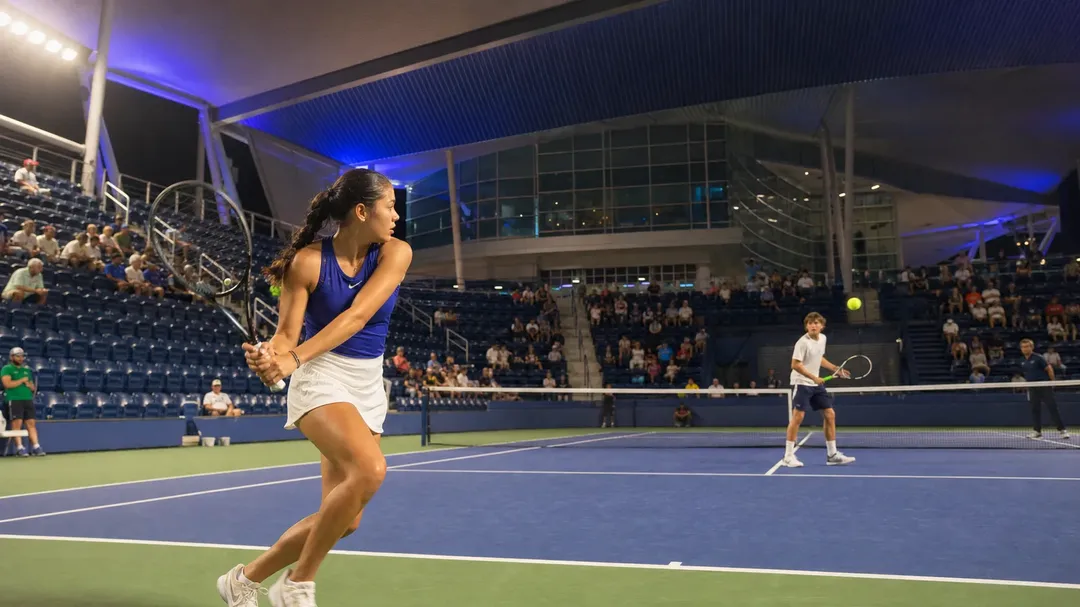
- Watch the net player’s first step; it often shows whether a team is attacking or protecting.
- Track return placement, especially low crosscourt balls that make the server volley upward.
- Listen for communication after close points, because partnership adjustments can be immediate.
- Notice body serves and middle balls, two common ways to reduce clean attacking angles.
Tactics That Stand Out
The tactical appeal of mixed doubles comes from variety without predictability. Different serving styles, return positions, heights, reach, and volleying instincts can all influence the shape of a point. One team may use the server’s partner aggressively at net. Another may prefer steadier patterns, asking opponents to make several clean shots. There is no need to assume that one player always carries a team. Strong partnerships make both players useful in different phases: one may start the point with serve accuracy, while the other may finish it with fast hands or clever positioning.
Pay close attention to the middle of the court. In doubles, the middle is both a safe target and a communication test. Balls hit between partners can create hesitation, especially when both players think the other has the better play. Strong teams solve that problem with clear roles. The player with the stronger forehand may take certain balls, the net player may cover specific poaching lanes, or the server may follow a pattern that makes the next shot more predictable. When a team starts winning the middle, opponents often aim closer to the sidelines, which raises risk.
Serving strategy is another easy entry point. A wide serve can open the court, but it can also expose the server’s partner if the return comes back sharply. A body serve can jam the returner and bring the net player into the point. A serve down the middle may limit return angles and give the serving team a cleaner first volley. On return, the goal is not always a winner. A low return at the server’s feet can be more valuable than a flashy strike because it forces the server to lift the ball.
Schedules And Court Assignments
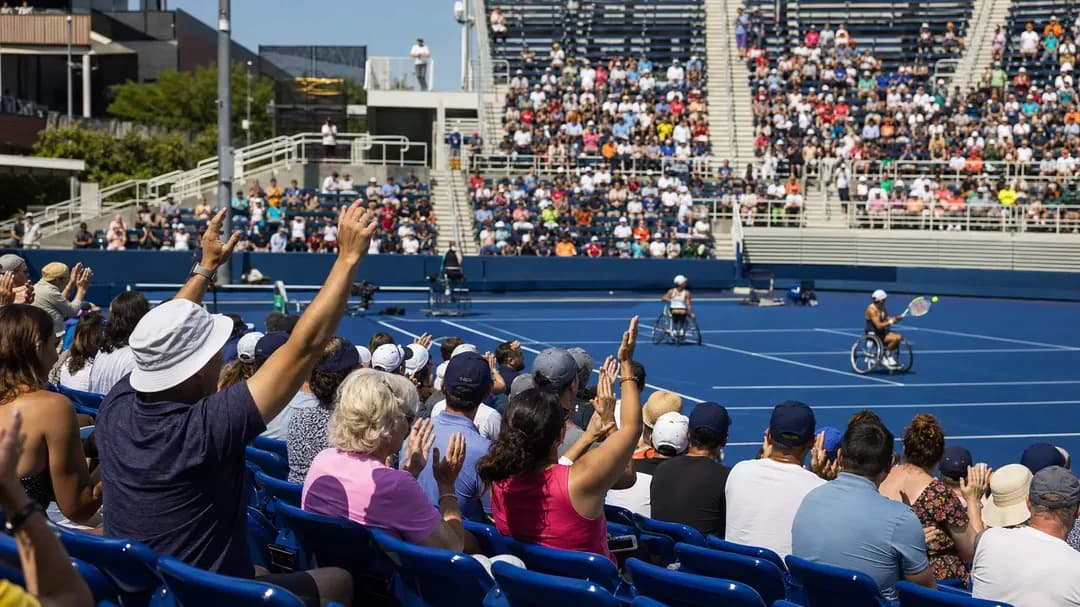
The most important planning point is simple: use the official US Open schedule and scores pages as your live reference. Match schedules and court assignments are released closer to play, so early assumptions about exact times or courts can be unreliable. The official event schedule gives the broader structure of the tournament, while the scores and schedule area is where fans should look for confirmed daily information once it is available. The player index can also help visitors identify players across events, but participation in any specific match should be treated as confirmed only when official tournament information shows it.
Because doubles can be placed around other championship matches, flexibility is part of the experience. A mixed doubles match may become your main viewing plan, or it may fit neatly between singles sessions, meals, practice-court visits, and time exploring the grounds. If you are attending with friends who have different levels of tennis knowledge, mixed doubles can be a good shared choice. The points are short enough to stay lively, but the patterns are clear enough for a newcomer to learn in real time.
- Check the official schedule before leaving for the grounds and again after you arrive.
- Look for court assignments, not just player names, because movement time matters.
- Build a backup plan in case earlier play affects when a court becomes available.
- Use mixed doubles as a flexible bridge between must-see singles matches.
Practical Notes
For a smoother day, save the official US Open schedule, scores, and player pages on your phone before arriving, then refresh them once you are inside the grounds. Avoid planning around rumored pairings, projected courts, or unofficial times; wait for confirmed information. If a mixed doubles match interests you, check what is scheduled before it on the same court, because earlier matches can affect when play begins. Arrive a little early when possible, especially if you want to watch warmups and understand each team’s roles from the start. Bring sun protection, plan for water access, and allow time to move between courts. If your top choice becomes inconvenient, choose the best available court and settle in. Mixed doubles rewards spontaneous viewing because its tactics become clear quickly.
Tags: #USOpen2026 #Tennis #GrandSlam #NewYorkTennis #ArthurAsheStadium #FlushingMeadows #USOpenGuide #TennisFans #SportsTravel #HardCourt #NewYork #KarpoFinds
Sources consulted: usopen.org — Official reference · usopen.org — Official reference · usopen.org — Official reference
All trademarks are the property of their respective owners.
Ask Karpo first
Want to know what is confirmed, when to show up, and how to make mixed doubles at the us open work for your day? Ask Karpo for current US Open updates, a respectful fan plan, and a live route around Flushing Meadows.
Ask Karpo for more information.
Keep reading
- Where to Eat Near Penn Station That Isn't a Chain
 Andytown Coffee in the Outer Sunset: The Snowy Plover Explained
- Best Things to Do in Chicago: What the City Gives Away