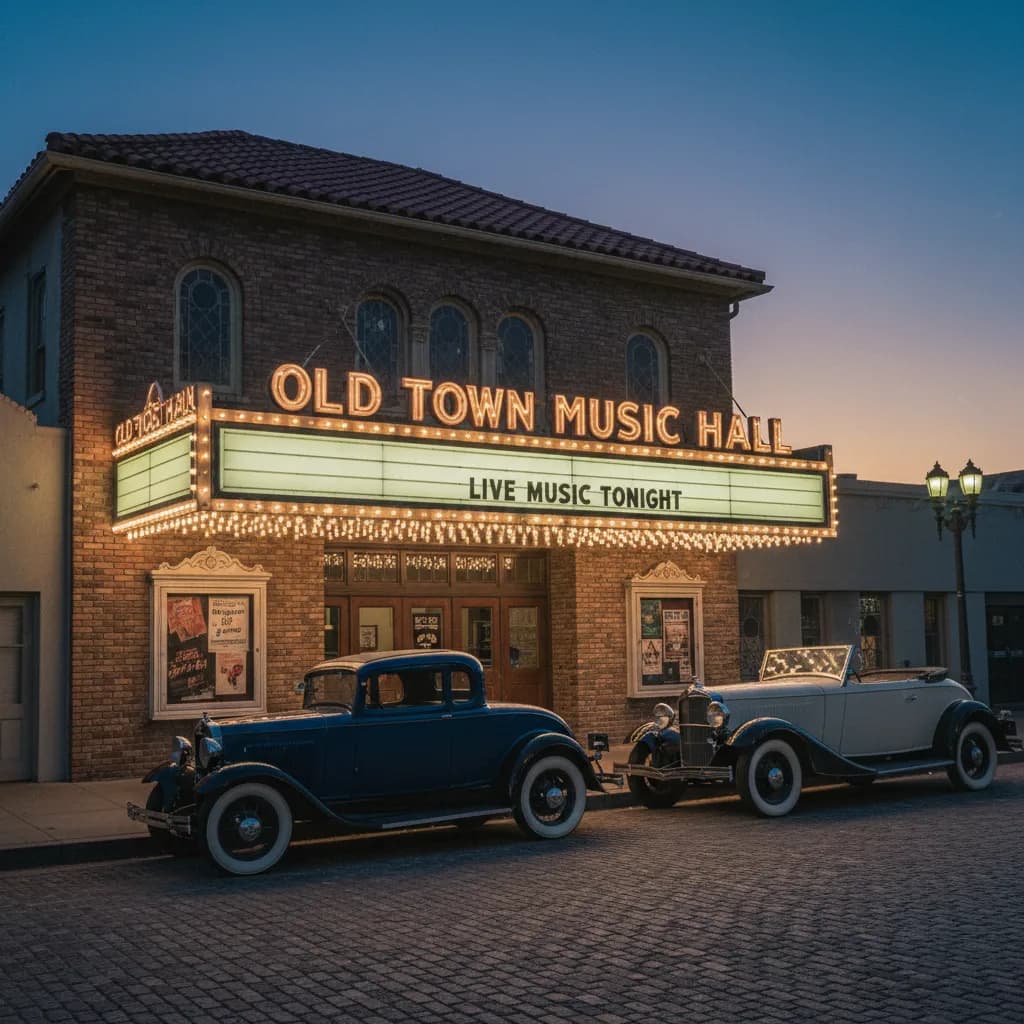
 Old Town Music Hall El Segundo Concerts: Silent Films and Mighty Wurlitzer Magic
Weekend Plans
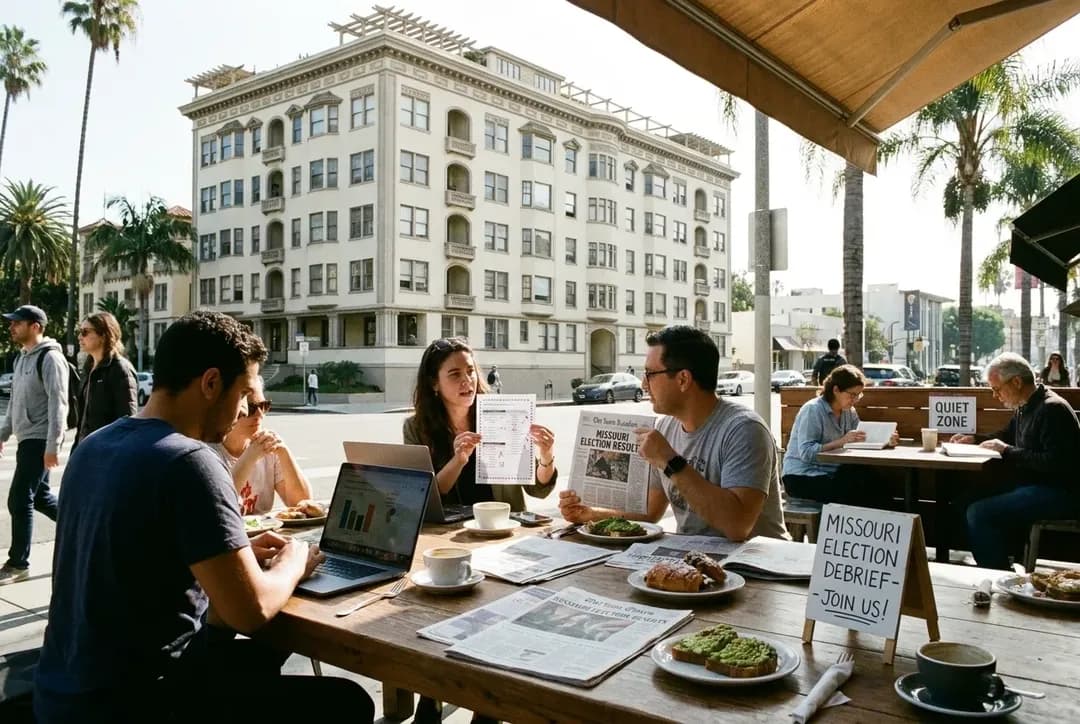
Missouri Election Results Brunch: LA Cafés With Morning-After Ballot Debrief Tables
Civically engaged groups seeking Sunday brunch spaces to dissect missouri election results will find LA cafés with communal tables, newspapers, and two-hour windows for post-ballot analysis. Verify each venue's policy on political discussion and whether quiet zones exist for patrons avoiding debate.
When a civic-minded group of four to six friends wants to unpack missouri election results over scrambled eggs and strong coffee, Los Angeles offers a constellation of brunch venues designed for exactly this kind of reflective, two-hour Sunday morning debrief. The search keyword "missouri election results" may trend nationally after any major election cycle, drawing politically engaged Angelenos to cafés where communal seating, accessible newspapers, and a tolerance for animated conversation converge. This weekend plan suits groups who value easy logistics—no reservations required, Metro-accessible locations, and menus that accommodate dietary restrictions—while acknowledging the tradeoff: not every café welcomes sustained political talk, and some actively designate quiet zones to shield other patrons from election fatigue. Before claiming a corner table, verify the venue's discussion policy, check whether they stock print or digital news sources, and confirm that your group's energy level matches the room's vibe.
Text Karpo your LA neighborhood, whether you want a quiet or lively café, if your group needs a reserved table, and your brunch budget per person. We'll send you two cafés perfect for missouri election results debrief, their weekend hours and reservation policies, and a backup park picnic spot if weather is nice.
Mapping Brunch Geography Against Metro Access and Noise Tolerance
Choosing a café begins with transit logistics and acoustic realities. According to official Metro guidance, the system connects Los Angeles County by bus and rail, with regular fare at $1.75 and a daily cap ensuring riders never pay more than $5 after three trips; transfers between buses and trains remain free within two hours when using a TAP, credit, or debit card. Groups arriving from different neighborhoods can converge at cafés near Metro Rail stations—think Downtown, Hollywood, or Westside stops—minimizing parking hassles and allowing one member to coordinate a shared ride home if the conversation runs long. However, transit convenience often correlates with higher ambient noise: a bustling café near Union Station may drown out nuanced ballot-measure breakdowns, while a quieter spot in Silver Lake might enforce a no-politics rule to preserve its serene atmosphere.
Before committing, scout online reviews or call ahead to ask three questions: Does the café provide newspapers (print editions of the Los Angeles Times, for example, or tablets with news apps)? Will a table for six be available on a Sunday morning without a reservation? And does management mind if a group discusses election outcomes for ninety minutes to two hours? Some establishments explicitly market themselves as community hubs—posting chalkboard signs inviting civic dialogue—while others prioritize turnover and may gently nudge lingering groups toward the exit. The tradeoff is clear: high-traffic, Metro-adjacent spots offer convenience but less control over your acoustic bubble, whereas neighborhood gems in residential pockets grant privacy at the cost of longer travel times for friends coming from the Valley or South LA.
Decoding Café Policies on Political Discussion and Quiet Zones
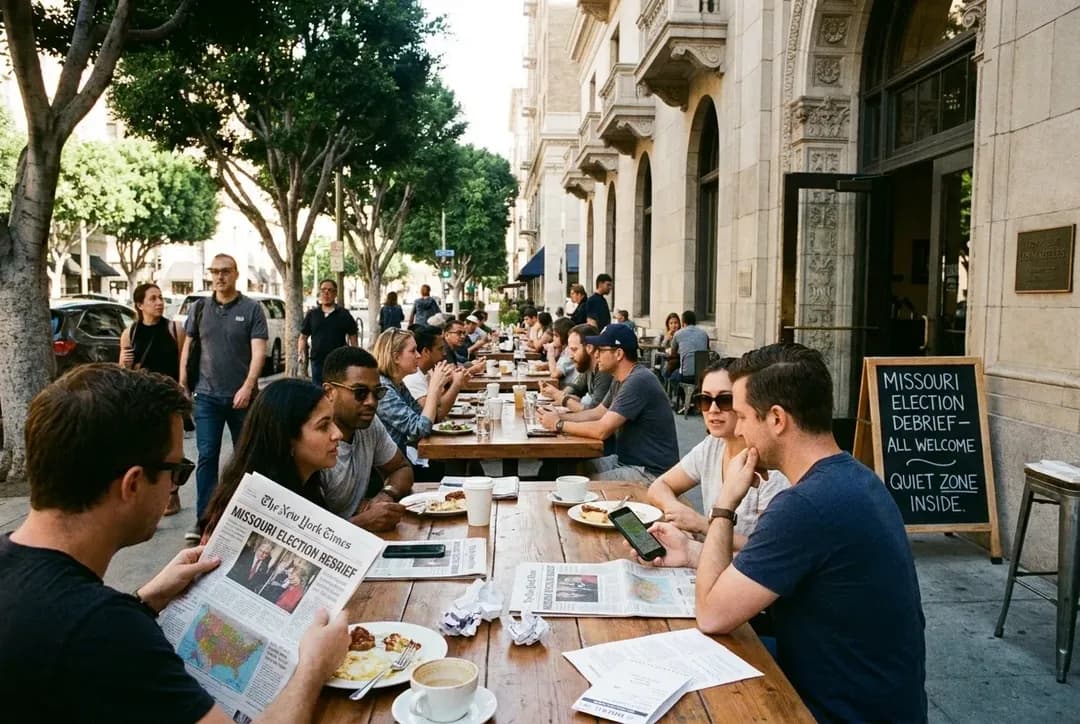
Not all brunch venues welcome election debriefs with equal enthusiasm. A café's tolerance for political conversation hinges on its business model, clientele mix, and owner philosophy. Some independent coffee houses in neighborhoods like Echo Park or Highland Park cultivate a progressive, salon-style atmosphere, displaying community bulletin boards and hosting author talks or book clubs—signals that your group's dissection of missouri election results will blend seamlessly into the ambient hum. Others, particularly chains or spots catering to remote workers with laptops, enforce quiet-zone policies or post signs requesting that patrons keep voices low and avoid contentious topics. The absence of a posted policy does not guarantee permission; observe the room before launching into ballot-measure minutiae.
To verify a venue's stance, check its social media channels for past event photos—do you see groups gathered around shared tables, gesturing animatedly? Read recent Yelp or Google reviews for phrases like "great for group conversations" or "too loud for work calls," which hint at the acceptable decibel range. If the café operates a quiet section—often a back room or upstairs loft—ask the host whether your group can claim a communal table in the livelier front area. The key tradeoff: cafés that welcome robust debate may lack the cozy, Instagram-worthy aesthetics your group craves for post-brunch photos, while picture-perfect minimalist spaces often prioritize tranquility over spirited exchange. Decide whether your priority is unfettered conversation or a serene backdrop, then choose accordingly.
Timing Your Arrival to Secure Communal Tables and Fresh News
Sunday morning brunch crowds in Los Angeles peak between 10:00 a.m. and noon, precisely when your group hopes to claim a large communal table and access the day's newspapers. Arriving at 9:00 a.m. or earlier—before the post-yoga rush—increases your odds of snagging a six-top near an outlet (useful for charging phones mid-debate) and ensures the café's print newspaper rack remains fully stocked. Many establishments receive their Sunday Los Angeles Times delivery by 7:00 a.m., but popular sections like Opinion and National News vanish quickly as solo diners claim them. If your group's analysis hinges on reading editorial endorsements or county-level election maps, assign one member to arrive fifteen minutes early, secure the table, and collect the relevant sections.
The two-hour window matters for both your group's stamina and the café's turnover expectations. Most brunch spots tolerate lingering on weekday mornings but grow less patient on high-revenue Sundays. If you arrive at 9:00 a.m., you can comfortably occupy the table until 11:00 a.m. without guilt; arriving at 10:30 a.m. compresses your debrief and may prompt subtle signals—a server clearing plates too eagerly, a host hovering near your table—that your time is up. The tradeoff: early arrival grants leisure and access to fresh pastries, but requires friends to wake before their typical Sunday rhythm; late arrival fits natural sleep schedules but risks a standing-room-only scenario or a table too small for six people plus newspapers, laptops, and coffee mugs. Coordinate via group text the night before to align on a realistic meet-up time that balances ambition with human biology.
Balancing Menu Variety Against Dietary Restrictions and Budget
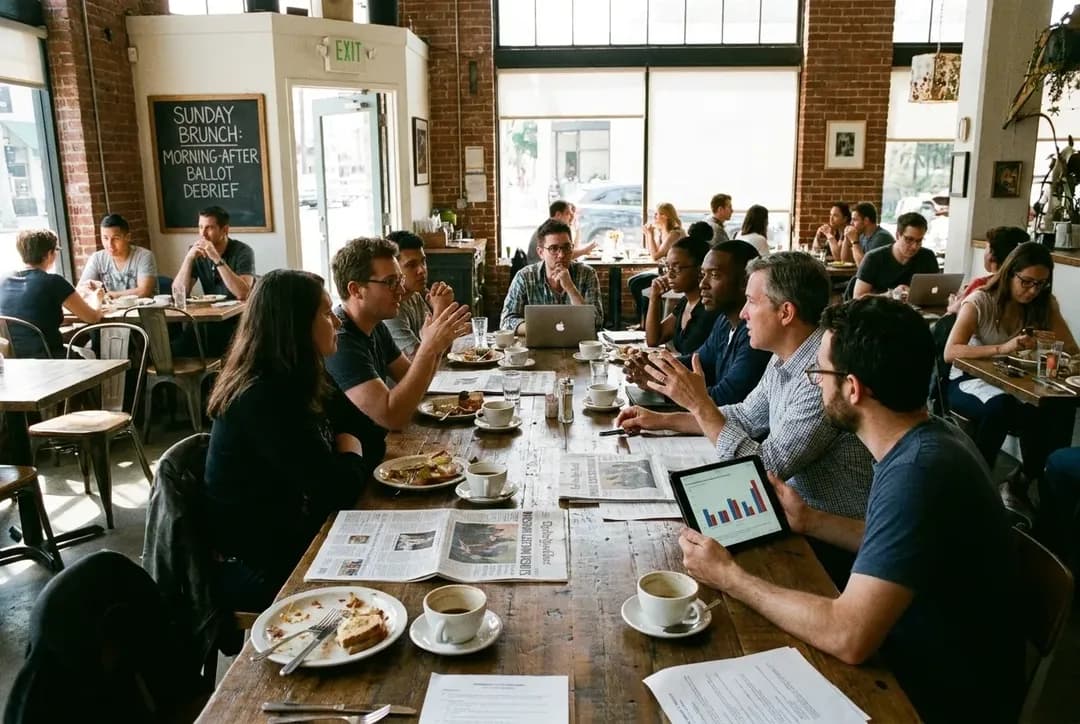
A successful brunch debrief requires food that satisfies diverse palates without monopolizing the conversation or the budget. Scan menus online before choosing a café, flagging options for vegetarians, vegans, gluten-free eaters, and anyone observing religious dietary laws. A spot offering only pastries and drip coffee will leave your protein-craving friends hungry by 10:30 a.m., while a full-service restaurant with table service and $18 entrées may pressure the group to order quickly and vacate for the next seating. The sweet spot: counter-service cafés with build-your-own avocado toast, breakfast burritos, grain bowls, and oat-milk lattes, allowing each person to customize without lengthy waiter negotiations.
Budget transparency prevents awkward moments when the check arrives. If one friend orders a $6 drip coffee and a $9 pastry while another splurges on a $16 shakshuka and $7 fresh-squeezed juice, splitting evenly feels unfair. Establish a spending ceiling in advance—"Let's keep it under $20 per person including tip"—or agree that everyone pays individually. Some cafés post prices clearly on wall menus; others bury them in fine print or omit them entirely, a red flag for budget-conscious groups. The tradeoff: high-end brunch spots often provide the spacious, well-lit environments ideal for spreading out newspapers and laptops, but their premium pricing may exclude friends on tight budgets; affordable neighborhood joints offer economic accessibility but sometimes lack the elbow room or electrical outlets your group needs for a sustained, tech-assisted election analysis.
Who Thrives in This Plan and Who Should Skip It
This brunch debrief format rewards groups who share baseline civic engagement, mutual respect for differing viewpoints, and a tolerance for public settings. If your six friends span the political spectrum but trust one another to debate ballot measures without personal attacks, a café table becomes a microcosm of healthy democracy—animated, educational, and energizing. The plan also suits extroverts who process events by talking them through, rather than introverts who prefer solitary reflection or small, quiet conversations. Groups with young children should weigh whether the café offers high chairs and a kid-friendly menu, or whether a park picnic with takeout coffee better accommodates naptime and playground breaks.
Conversely, this plan frustrates groups seeking definitive answers or those prone to heated arguments that escalate beyond friendly disagreement. A café is not a private living room; other patrons will overhear your discussion, and management reserves the right to intervene if voices rise or language turns offensive. Friends who process election outcomes through immediate action—phonebanking, canvassing, drafting op-eds—may find a two-hour brunch too passive, preferring instead to meet at a campaign office or community center. Similarly, if one member of your group remains deeply distressed by the missouri election results and needs space to grieve rather than analyze, a public café surrounded by strangers may feel exposing rather than supportive. Assess your group's emotional readiness and conversational style before committing to this format, and offer an alternative—a private home brunch or a nature walk—if the public setting feels mismatched to the moment.
Tags: #brunch #cafs #politicaldiscussion #civicengagement #communaltables #Sundaymorning #groupactivities #electionanalysis #Metroaccess #LosAngelesdining #weekendplans #newspapers #postelectiondebrief
Sources consulted: Source 1: metro.net · Source 2: discoverlosangeles.com · Source 3: lacity.gov · Source 4: lapl.org
All trademarks are the property of their respective owners.
Ask Karpo first
Ask Karpo to turn this Los Angeles idea into a current plan for your date, budget, companion, transit preference, and energy level. Karpo can narrow the route and flag what to verify before you go.
Ask Karpo for more information.
Keep reading
- Old Town Music Hall El Segundo Concerts: Silent Films and Mighty Wurlitzer Magic
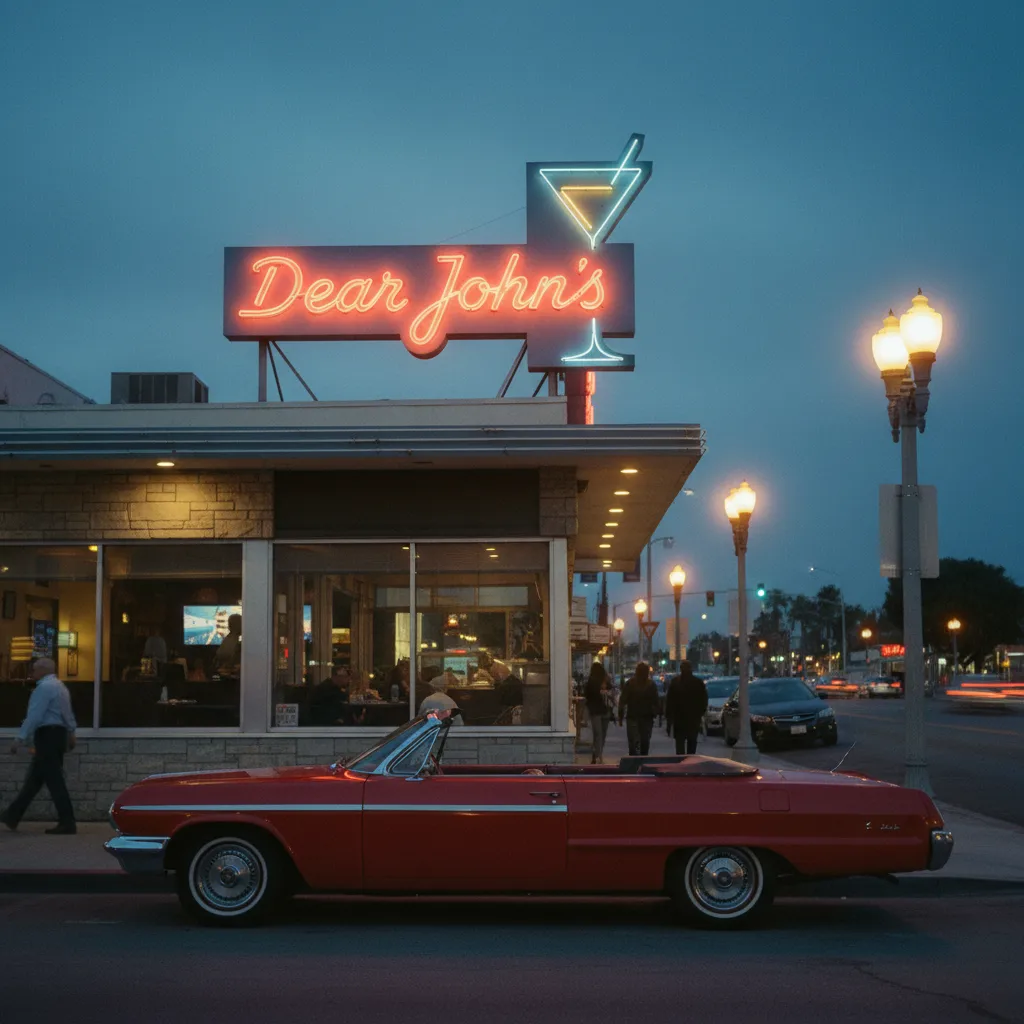 Searching Dinner Near Me: Dear John's, Culver City's Retro Gem
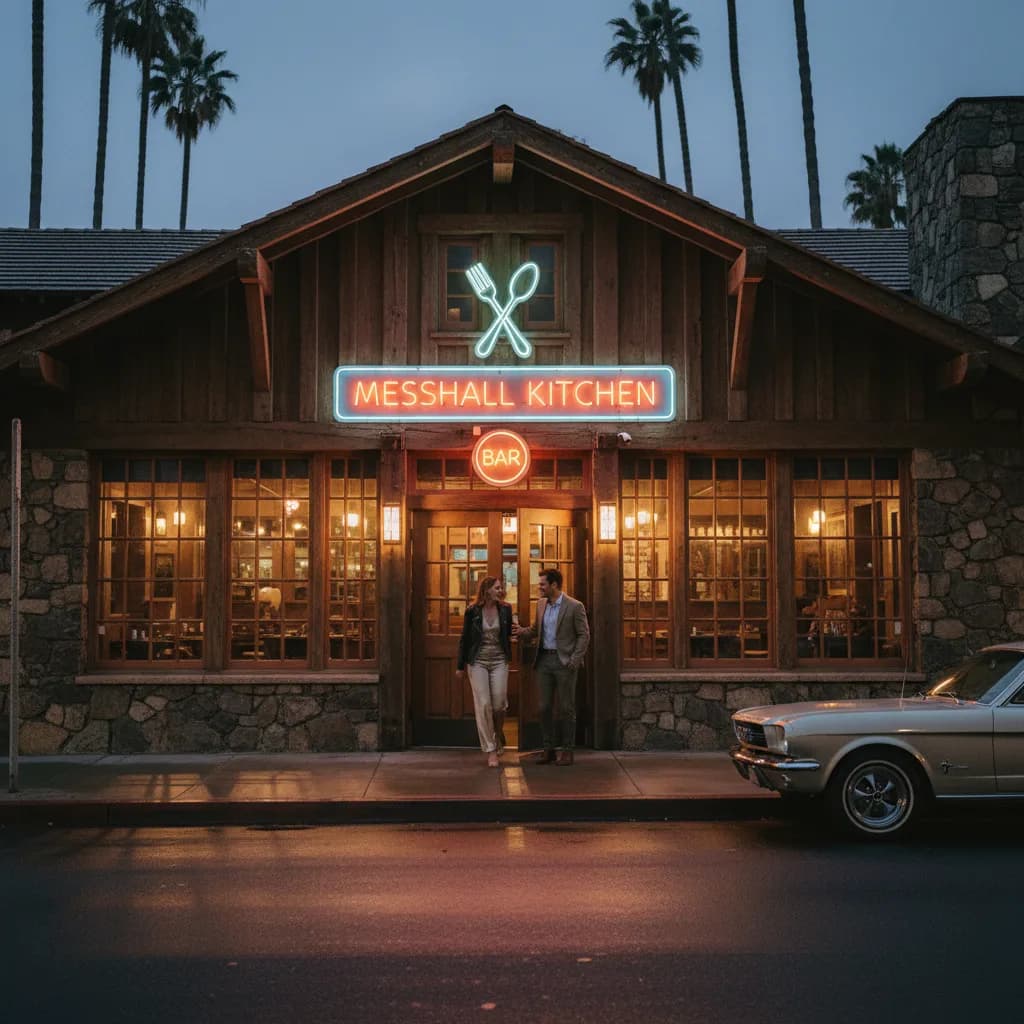 Messhall Kitchen Los Feliz: Your Perfect Dinner Near Me Destination