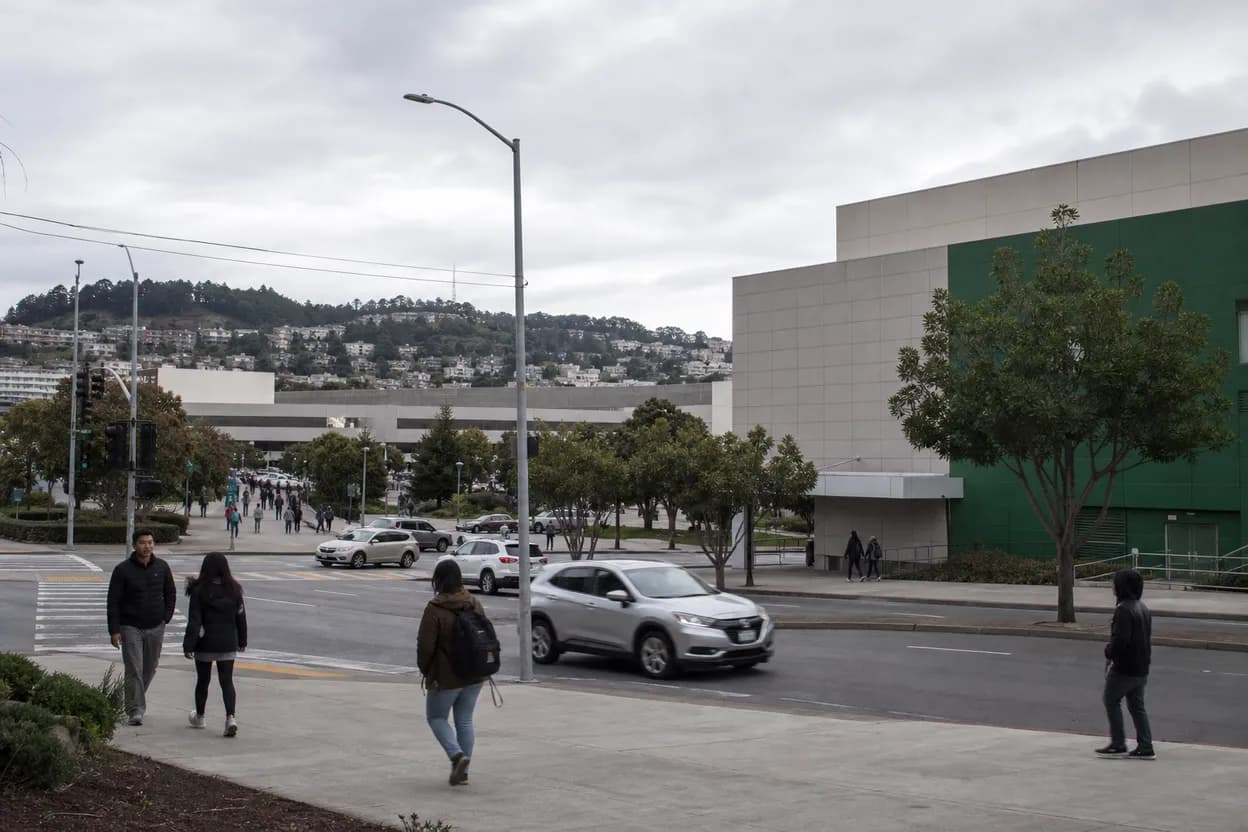
The spike around mike lafleur is a useful excuse to solve a more local San Francisco problem: getting a student ready without crossing the city twice. For Friday, August 7, 2026, the practical play is a compact after-3 p.m. loop around Stonestown Galleria, San Francisco State University, and the M Ocean View corridor. SFUSD’s 2026-27 first day is listed as Monday, August 17, so this is early enough to fix gaps, late enough to know what is missing, and simple enough for a parent with a middle-schooler or college student in a cool, changeable west-side afternoon.
Want a tighter route before you leave home? Text Karpo for a Stonestown errand order that matches SF transit, school-supply gaps, and food stops today.

Start at Stonestown Galleria’s Target and Daiso Supply Sweep
Stonestown Galleria’s official directory places Target on Level 1 and Daiso on Level 2, making them the strongest first pair for notebooks, pens, lunch containers, labels, hangers, and small dorm odds and ends. Start with the most teacher-specific or class-specific items first, because those are the easiest to forget once food and clothing enter the trip. If a required item is not visible, ask staff before substituting, especially for calculators, art supplies, or uniform-adjacent basics.
The tradeoff is crowding. Friday after 3 p.m. can overlap with commuters, SFSU students, and families doing the same last-minute reset. Keep one list in hand and one reusable bag open, then move departments in a fixed order: paper goods, writing tools, hygiene, lunch, and room items. If Target is missing a narrow item, Daiso is the backup for organizers and inexpensive duplicates, while the campus bookstore is better for college-course material questions.
Use the SFSU Bookstore for Course-Specific Items
The San Francisco State University bookstore site lists categories including textbooks, electronics, school supplies, dorm and home, convenience, and apparel. That makes it useful for college students who need campus-specific gear, but it should not replace checking the student’s course portal or instructor notes. For a middle-school family, the bookstore is mostly a backup for notebooks, tech accessories, or a campus-adjacent stop if the student wants to understand the area before classes begin.
Build this stop around verification, not browsing. College books, access codes, lab materials, and software requirements can change by section, instructor, and enrollment status, so confirm the exact class requirement before buying anything expensive. If a student has not received syllabi yet, use the visit to solve durable needs: charging cable, laptop sleeve, planner, pens, water bottle, or a sweatshirt for fog. Save receipt-sensitive purchases for items with clear return terms.
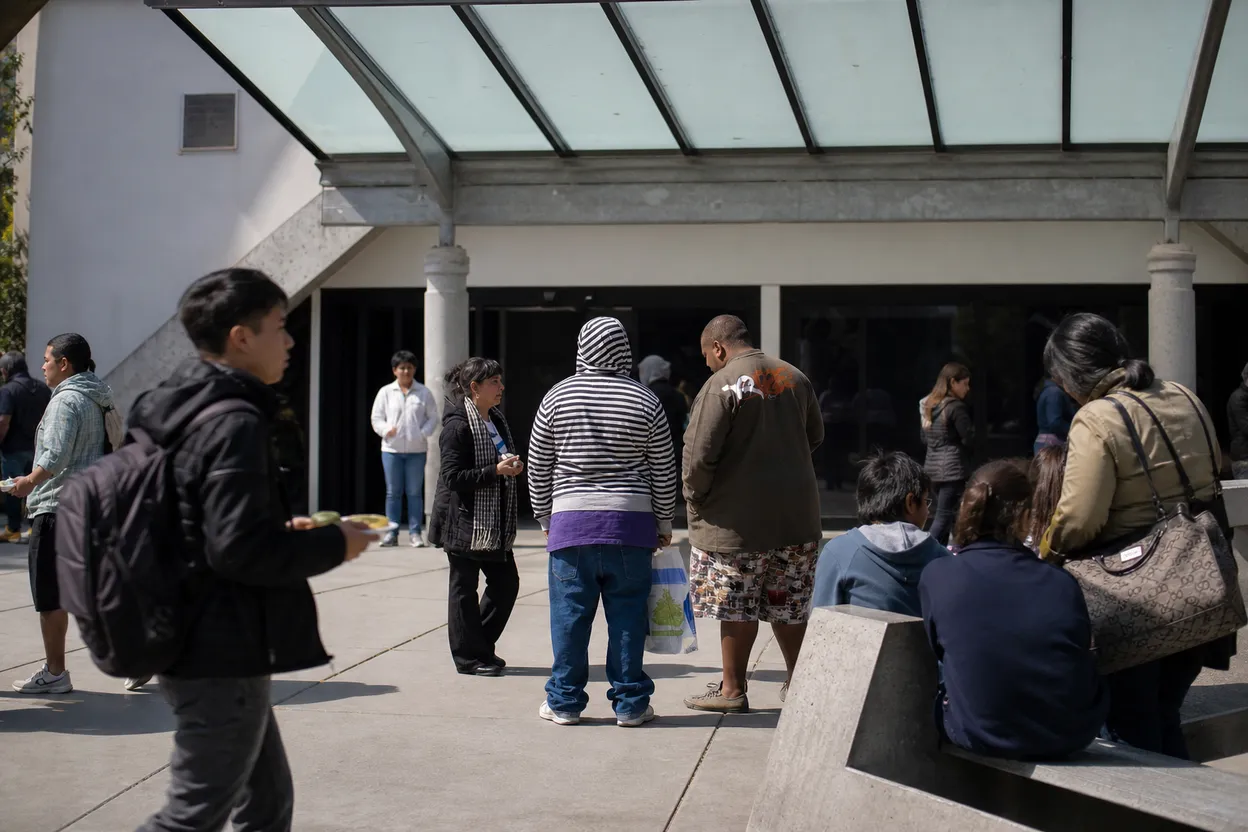
Fold Whole Foods, Trader Joe’s, and Boudin into Dinner Logic
Stonestown’s directory confirms Trader Joe’s and Whole Foods Market at the center, while Whole Foods’ Stonestown page lists the store at 3251 20th Ave Suite 340 and describes prepared-food amenities such as hot and salad bars. Treat groceries as the morale stop after supplies, not the first stop. Hungry shopping leads to scattered carts, duplicate snacks, and heavier bags before you have handled the academic list.
For a parent and student, the clean sequence is snack, then grocery, then transit or parking exit. Boudin, Chipotle, Kizuki Ramen, Kura, Tang Bar, and other listed food tenants give backup options if prepared foods are picked over or lines are long. The failure mode is assuming every eatery has the same hours or seating availability; check the current venue page or in-mall signs before promising dinner to a tired student.
Ride the M Ocean View to 19th and Winston Instead of Circling Parking
SFMTA lists the M Ocean View as active Muni Metro rail service running daily from 6 a.m. to midnight, with the 19th Ave & Winston Dr stop serving Stonestown and the 19th Ave & Holloway Ave stop serving SF State. Weekday listed service frequency is 10 minutes through morning, midday, and evening, then 20 minutes late night. That makes rail a serious option for a light-bag errand run.
Transit is best if your list fits in two shoulder bags and the student can walk comfortably from platform to store. It is weaker for bulk paper, dorm bins, or multiple grocery bags. Before leaving, open live arrival predictions or SFMTA’s route page, because alerts may not display reliably on every page load. If elevators, delays, or platform crowding matter for accessibility, verify status first and switch to pickup or parking.
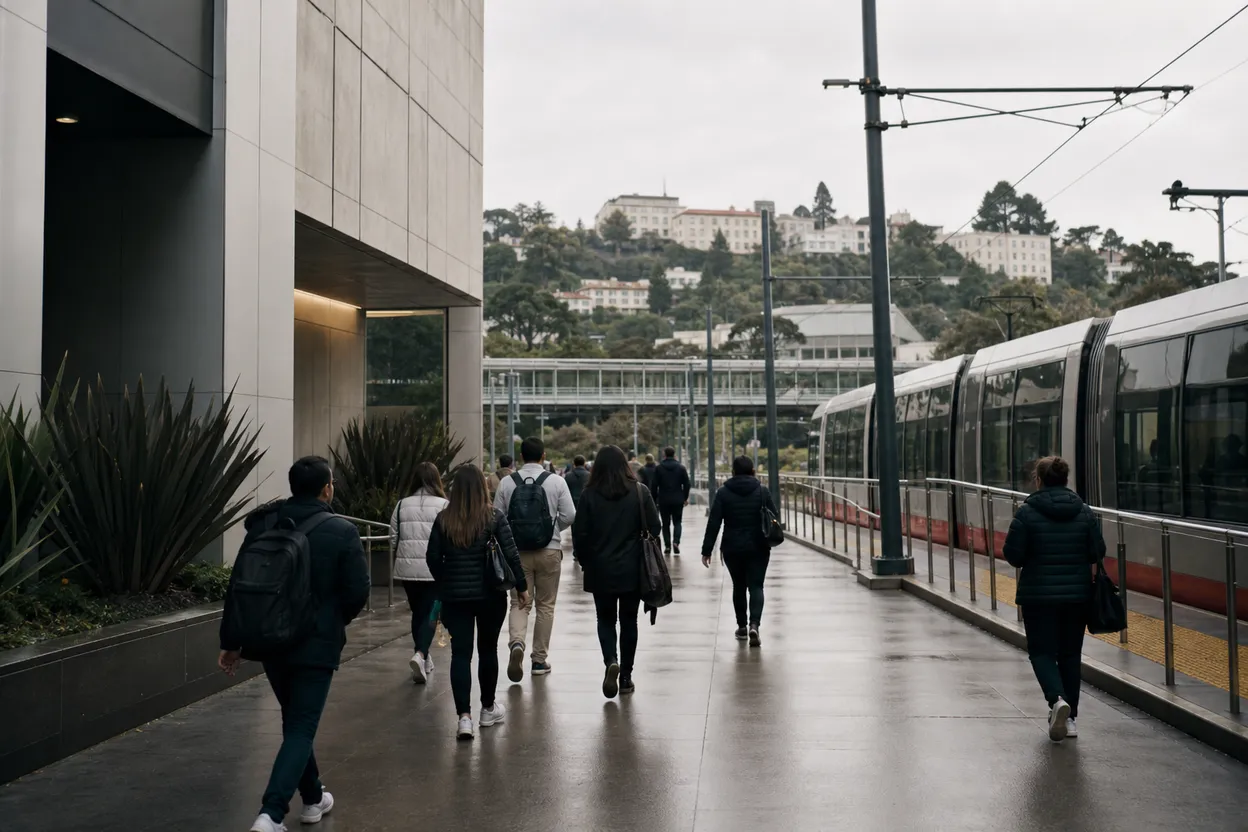
Time the 19th Avenue Crossing for Fog, Wind, and Student Energy
The National Weather Service forecast for San Francisco on Friday called for morning clouds becoming sunnier, a high near 72, and west-southwest wind with gusts up to 18 mph. Around Stonestown, that can still feel cooler than the number suggests, especially after indoor shopping and near 19th Avenue. Bring a light layer and keep fragile paper goods inside a bag before crossing or waiting outside.
The pacing target is 90 minutes for supplies and food, or two hours if you add the SFSU bookstore. Start with restrooms and water, then set a hard midpoint check: what has been bought, what remains, and what should be abandoned until teachers clarify. For younger students, end before fatigue turns the trip into negotiation. For college students, leave room for comparing electronics or dorm items without dragging groceries around.
Make Stonestown Accessibility and Bag Weight the Route Filter
Stonestown is a two-level enclosed center, and the official directory names lower-level anchors such as Sports Basement and YMCA as well as Level 1 and Level 2 tenants. That variety is useful, but it also means the route can sprawl if you chase every possible need. Put mobility, escalator or elevator preference, restroom breaks, and bag weight ahead of theoretical efficiency when traveling with a student or caregiver.
A practical accessibility plan is to cluster by level and use the nearest food or seating break before changing floors. If someone uses a mobility aid, avoid assuming the shortest map path is the easiest path; confirm elevator access inside the mall and Muni elevator status separately. The backup is curbside-style simplification: one adult shops the final heavy item while the student waits seated with water, receipts, and lighter bags.
Verify SFUSD, Store, and Muni Updates Before Checkout
SFUSD’s approved calendar announcement says the Board of Education approved 2026-27 calendars, and district school pages list Monday, August 17, 2026 as the first day for the coming school year. That date is close enough to make today’s supply run sensible, but school-specific start times, forms, teacher lists, and classroom requests can differ. Do not buy specialized items because another family mentioned them in line.
The final action is a three-tab check before paying: the student’s school or course portal, Stonestown’s current directory or store page, and SFMTA live arrivals for the trip home. If one tab contradicts your plan, adjust rather than forcing the route. Leave with receipts, note what still needs confirmation, and schedule a smaller follow-up after teachers publish final instructions or campus systems update.
Tags: #SanFrancisco #StonestownGalleria #SFSU #SFUSD #MOceanView #BackToSchool #SchoolSupplies #CollegeErrands #FamilyRoute #WestSideSF #TransitTips #AskKarpo #BeforeYouGo #KarpoSF
Sources consulted: Source 1: stonestowngalleria.com · Source 2: sfmta.com · Source 3: sanfranciscostate.bkstr.com · Source 4: sfusd.edu · Source 5: sfusd.edu · Source 6: forecast.weather.gov
All trademarks are the property of their respective owners.
Ask Karpo first
Tell Karpo your date, group size, budget, and starting point. We’ll check current access, timing, transit, and the cleanest San Francisco plan for Stonestown Galleria, San Francisco State University, and the M Ocean View corridor before you head out.


