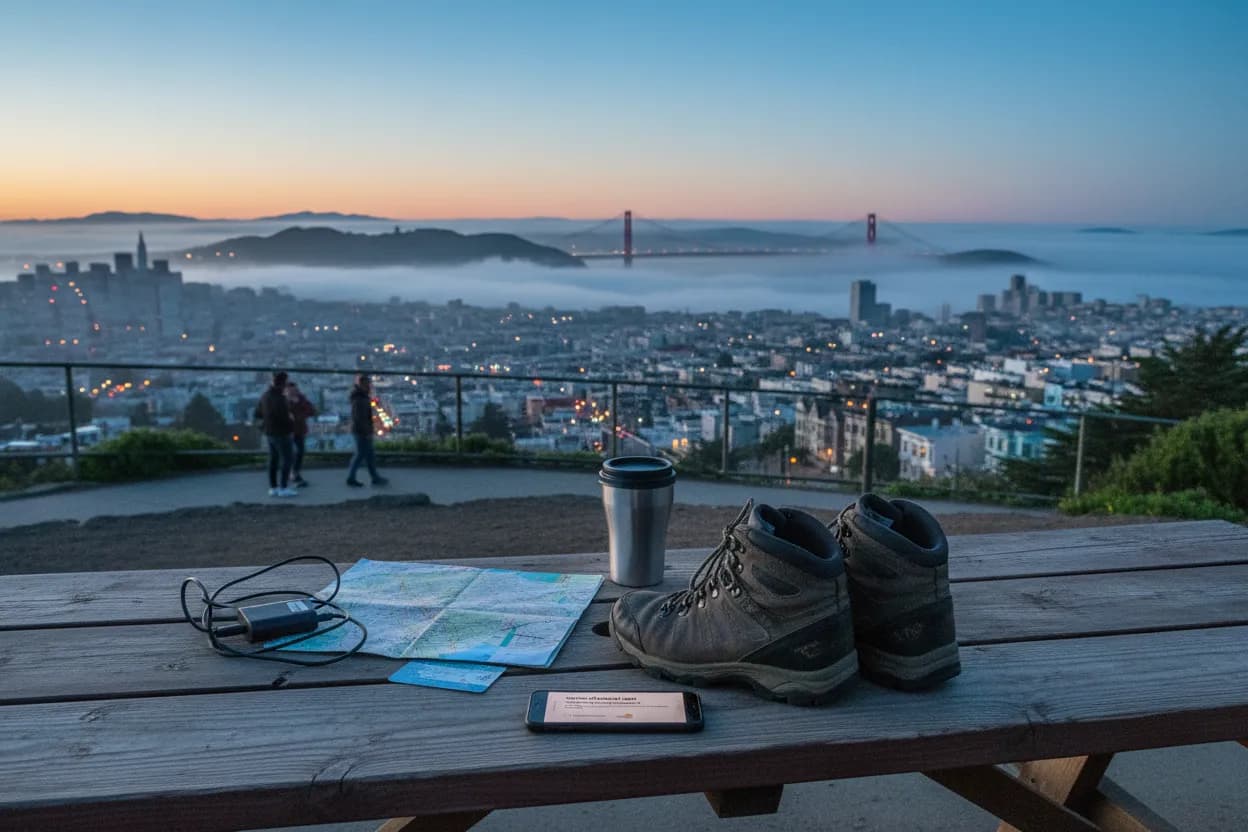
San Francisco rewards the visitor who resists the obvious itinerary, but it also punishes loose planning: a short hill can become a long delay, a small room can be closed, and a photogenic oddity can be more fragile than it looks. The phrase michele tafoya may be what brought you here, but treat it only as a timely hook for a smarter local detour, not as a clue to an appearance, endorsement, private stop, or guaranteed event. The better move is to build a verification-first route around one publicly accessible odd find, then use official city transportation tools before you leave. This guide keeps the plan public, flexible, and skeptical: check access, check transit, check crowd risk, and keep a second option close enough that the afternoon still works.
Want a quick sanity check before you cross town? Text Karpo with your starting point, time window, and preferred pace, and ask for a verified odd-find route with a backup.

Use the headline to open a more curious detour
A celebrity-adjacent search term can pull attention toward a city, but it should not distort the facts on the ground. For this San Francisco plan, michele tafoya is simply the search doorway. Do not assume a local appearance, a media taping, a meet-and-greet, or any private access unless an official organizer says so directly. The useful question is different: if you are already curious, where can you spend two or three public hours in San Francisco that feel specific rather than overproduced?
Start with one odd cultural target, not a chain of maybes. Pick something you can verify on an official page before you commit: a small public collection, a civic display, a materials-focused exhibit, a neighborhood historical feature, or a park-side curiosity. Then open the San Francisco Municipal Transportation Agency site and use its trip-planning tools. SFMTA’s public homepage points visitors to Muni routes and stops, transit maps and guides, ways to get around by Muni, bike, walk, drive, taxi, and accessibility resources. That is the base layer for the day.
The best hidden-gem plan is not secretive. It is public, respectful, and resilient. If a page is blocked by security verification or fails to load, treat that as a prompt to recheck later, not as permission to guess. If a destination depends on a park, recreation site, or special facility, verify current details on the official page before leaving.
Choose a place with a real point of view
For a San Francisco odd-find detour, avoid choosing a stop just because it photographs well. A stronger target has a point of view: it tells you something about labor, materials, transit, neighborhood memory, civic design, public art, maritime life, counterculture, or the city’s habit of saving strange fragments. The exact venue matters less than the reason you chose it. If you cannot explain the stop in one sentence without exaggeration, keep looking.
Build the route around a single neighborhood rather than trying to harvest the whole city. SFMTA’s site includes neighborhood-related transportation information and Muni route and stop resources; use those to keep your plan compact. A good city-scope detour can still be local in execution: arrive by Muni or on foot, spend unhurried time at the odd stop, then move to a quieter second place nearby. Do not make the plan depend on a cable car, historic streetcar, or particular vehicle unless you have checked current service information.
Be especially careful with “hidden” recommendations that sound too certain. If a blog promises an obscure room, a view, or a quirky collection without telling you how access is confirmed, downgrade it. Your standard should be simple: public access, current official confirmation, and a practical way to arrive and leave.
Look for materials archives or hands-on details
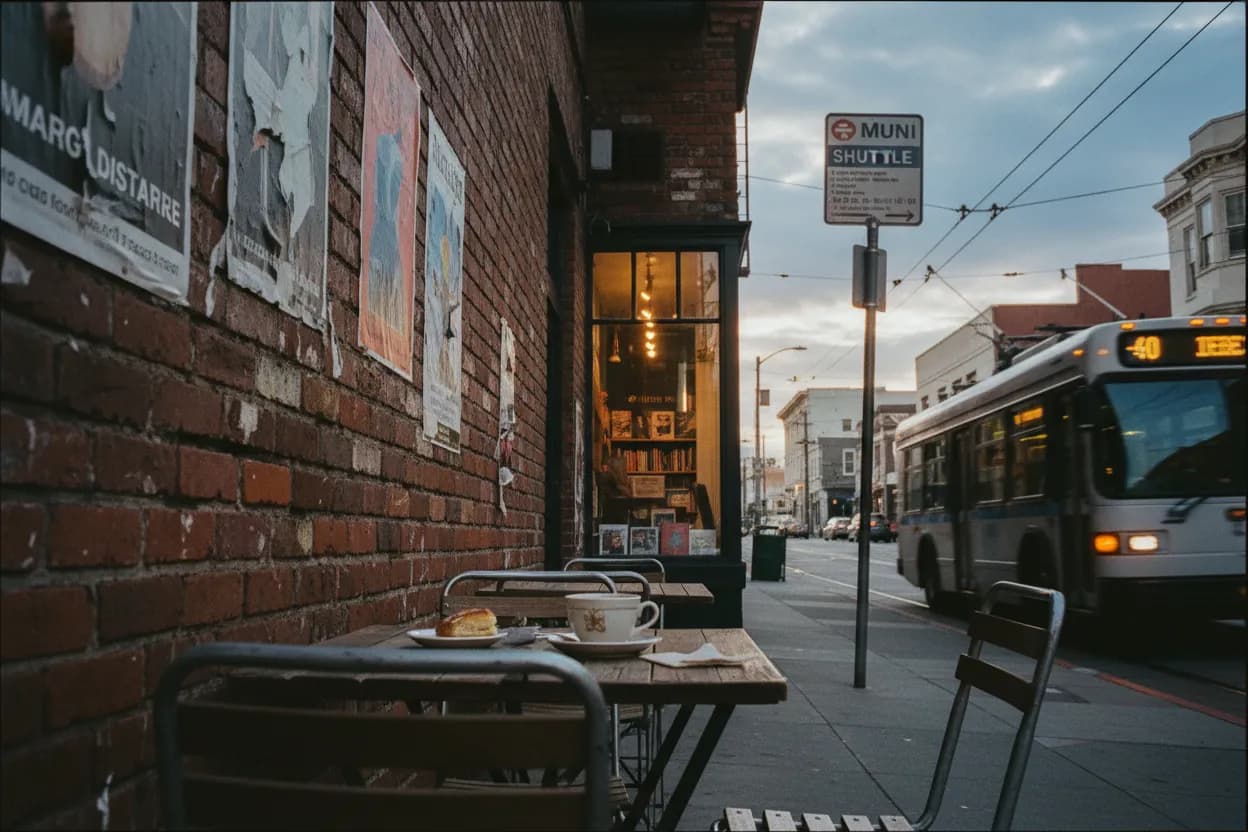
Odd San Francisco culture often lives in details: a preserved object, a transit artifact, a workshop texture, a public map, a handmade sign, a piece of civic infrastructure, or an overlooked building edge. Look for places where materials are part of the story. That might mean an archive-like display, a small museum-style room, a public-facing collection, or a park feature with interpretive information. Before naming it as your destination, check the official source for current access and any visitor instructions.
Hands-on does not always mean touching. In small or fragile places, the more useful skill is close looking. Read posted instructions, keep bags controlled, and assume older objects, signs, documents, or fixtures are not interactive unless the site says otherwise. If photography is allowed, take the wide shot first, then step aside; hidden-gem crowding often happens because everyone wants the same doorway or object.
Use timing as part of the experience. A short weekday window may feel different from a weekend rush, and a late-day visit can be ruined if access ends earlier than expected. Because the supplied official city sources do not provide a universal schedule for hidden cultural stops, the responsible move is to verify each destination’s current hours, entry process, accessibility notes, and closure notices on its own official page.
Pair the odd stop with a calmer second option
Your backup should not be across the city. Choose a calmer second option in the same general area: a public open space, a waterfront walk, a civic building exterior, a nearby neighborhood corridor, or another official-access cultural stop. The backup is not a consolation prize; it is how you avoid forcing a closed door, a crowd, or a transit delay into a bad afternoon.
SFMTA’s homepage highlights current travel and transit updates, service news, alerts, route information, and a trip planner. Use those before you leave and again before you transfer. The site also points to 311, 511 regional information, accessibility resources, and visitor guidance for getting around by transit, bike, foot, or car. Those are practical tools, not decorative links. A ten-minute check can save you from building a route around a disrupted corridor.
Make the backup decision early. If the first stop has a line you did not expect, unclear access, or a posted restriction that changes your plan, switch without argument. San Francisco is dense enough that a modest nearby alternative often beats a heroic cross-town scramble.
Respect access photography and privacy rules
Hidden-gem culture depends on restraint. Do not treat small public spaces, neighborhood displays, or unusual local features as a stage set. Follow posted access rules, stay out of private entries, and avoid photographing people in ways that make them part of your content without consent. If a place is in or near a residential area, keep voices low and do not block sidewalks, stairs, doors, ramps, or transit stops.
Photography policies can change by room, exhibit, event, or operator. The official extracts available here do not establish a citywide photography rule for cultural stops, so verify on the destination’s official page and obey on-site signage. If staff or volunteers give instructions, follow them. When in doubt, take fewer photos and write better notes.
Accessibility also deserves advance checking. SFMTA publishes accessibility resources as part of its public transportation information, but the conditions inside an odd small venue, older building, park path, or neighborhood feature may vary. Confirm step-free access, elevators, restrooms, seating, sensory considerations, and service-animal guidance directly with the destination when those details matter to your party.
Verify current entry details
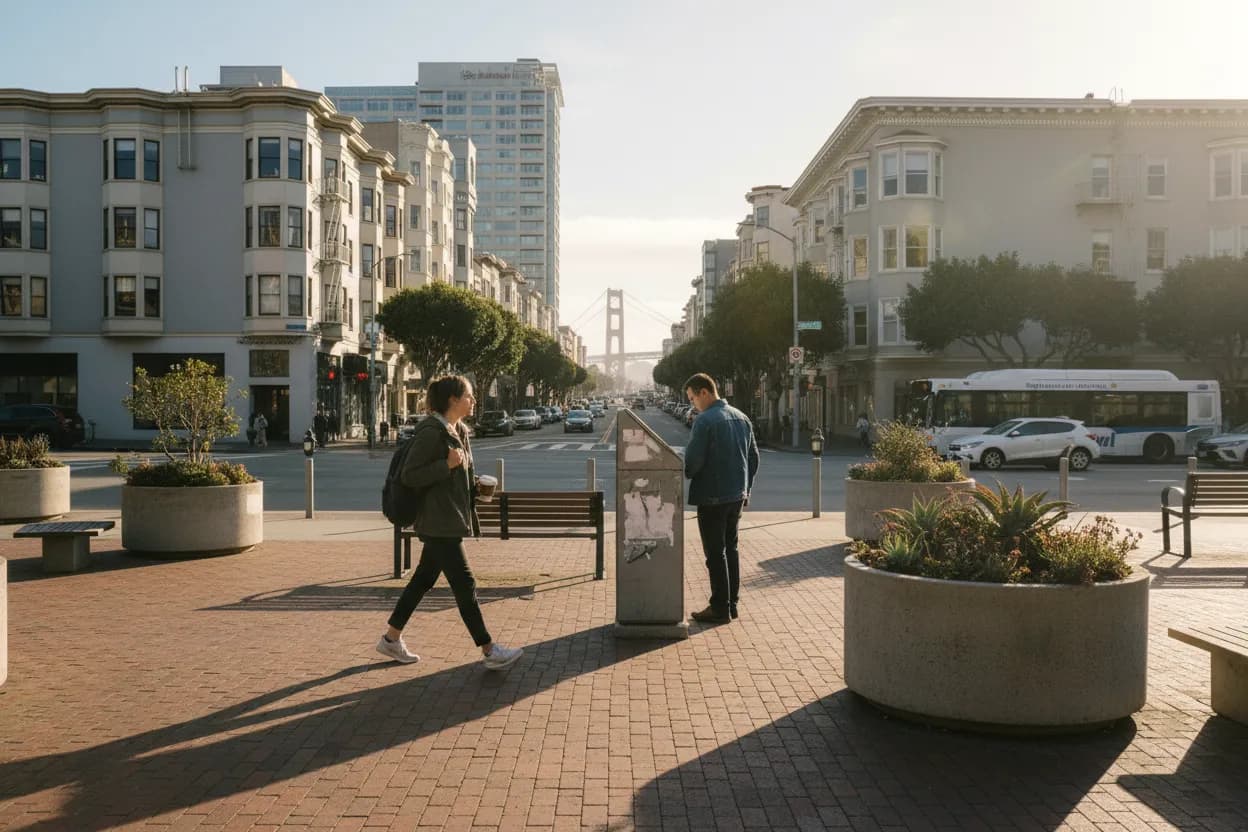
Before you go, run a final four-part check. First, confirm the destination’s official page for current entry details, hours, closure notices, and any reservation requirement. Second, check SFMTA’s trip planner, routes and stops, maps and guides, and travel updates for the way you plan to arrive. Third, look for alerts close to departure time. Fourth, confirm your backup is still viable.
If you are using a park, recreation facility, or public outdoor feature as either the main stop or the backup, verify changing details on the official San Francisco Recreation and Parks source before leaving. If a tourism page or venue page shows a security verification screen, wait for the official page to load or use another official channel; do not rely on cached snippets for current access.
A workable timing template is simple: allow a generous transit buffer, visit one odd stop with full attention, then leave enough daylight or operating time for the calmer second option. Keep the route reversible if possible, and do not buy into urgency unless an official source confirms it. The point is not to chase hype; it is to let San Francisco’s stranger public texture come into focus without turning the day into a rumor hunt.
Tags: #micheletafoya #SanFrancisco #HiddenGems #OddFinds #LocalCulture #SFMTA #Muni #PublicAccess #TransitTips #CityDetour #SFNeighborhoods #AskKarpo #BeforeYouGo #KarpoTravel
Sources consulted: sftravel.com · sfmta.com · sfrecpark.org
All trademarks are the property of their respective owners.
Ask Karpo first
Ask Karpo first if your San Francisco plan depends on a small venue, a park feature, a transfer, or a rumor. Send your timing, mobility needs, and preferred neighborhood, and Karpo can help pressure-test the route before you waste the detour.


