 Upper East Side Winter Farmers Market Picker With a Dog
Weekend Plans
Coconut Grove Baywalk Woodblock Print Workshop Artisan Trail
Experience lush subtropical relief printing and hand baren pressing methods in tranquil village artisan studios along peaceful Biscayne Bay shores.
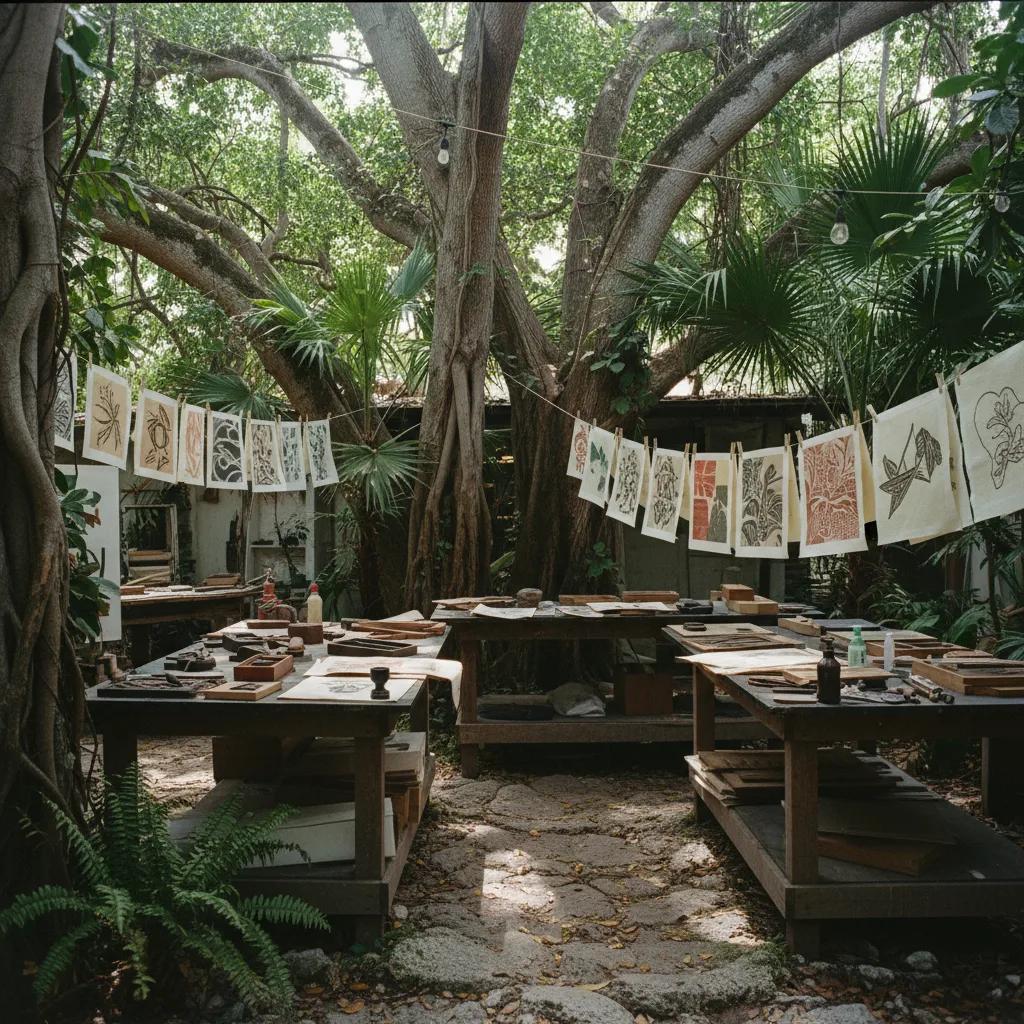
Tucked beneath the towering banyan canopies, lush tropical palms, and historic limestone cottages of Coconut Grove, community printmaking studios offer an extraordinarily peaceful creative retreat. Enrolling in a woodblock print workshop in Miami's oldest bohemian village allows makers to connect with a storied artisan tradition rooted in manual craft and environmental reverence. Gentle breezes off Biscayne Bay filter through open garden studios where creators carve seasoned wood blocks in meditative focus. The gentle coastal breeze rustling through dense palm fronds creates an idyllic backdrop where creators can slow down and immerse themselves in tactile craft. The lush garden setting and shaded banyan canopy create a serene outdoor studio haven where creators can slow down and master patient relief woodcraft.
The studio atmosphere in Coconut Grove is warm, relaxed, and deeply grounded in organic nature. Shaded courtyard worktables, vintage draftsman benches, and shelves holding natural pigment jars create an inviting sanctuary for artistic exploration. Natural light dances through dense foliage onto smooth wood panels, providing an ideal, glare-free environment for detailed carving and precision inking.
Relief printmaking in this coastal village provides a restorative antidote to the fast tempo of metropolitan living. Carving into a piece of wood requires mindful presence, patience, and deep listening to the natural grain structure of the timber. Each deliberate stroke of the chisel leaves an indelible relief contour, rewarding makers with the profound satisfaction of pulling tangible, handmade prints that carry organic warmth.
The distinctive natural landscapes of Coconut Grove—from twisting banyan aerial roots and tangled mangrove shorelines to native coral rock formations and historic sailboats on Biscayne Bay—supply endless graphic inspiration. Students learn to distill complex subtropical flora and coastal textures into high-contrast relief compositions, using clean carving to capture the lush organic soul of old Miami.
Carving Banyan Roots and Botanical Wood Selection
Capturing tangled mangrove roots and broad palm leaves starts with choosing an adaptable wooden matrix. Coconut Grove workshops favor Japanese shina plywood, renowned for its soft cellular density that cuts cleanly across both radial and tangential grain directions. Advanced carvers frequently select cured mountain cherry blocks, whose dense growth rings hold hair-thin botanical veins without chipping during intricate knife passes. Working on knot-free timber panels enables beginners to carve intricate petal outlines and sweeping water ripples with complete artistic confidence. Carving into supple shina panels allows makers to shape intricate root striations and tropical foliage outlines with fluid, effortless precision.
Students develop refined blade control using traditional Japanese carving chisels. The slanted hanto knife traces delicate perimeter boundaries around twisted root contours, creating clean vertical shoulder walls. Micro V-tools carve fibrous bark striations and delicate leaf textures, while wide U-gouges excavate open sky and water areas in long, rhythmic passes.
Workshop instructors emphasize relaxed shoulder posture and disciplined two-handed tool handling. Carvers secure timber plates against heavy wooden bench stops, keeping the guiding hand strictly behind the cutting blade at all times. Applying smooth forward pressure from the torso produces clean, continuous wood shavings and prevents hand fatigue over hours of focused carving.
Observing circular tree ring patterns allows carvers to glide through curved bark textures with steady tactile control. Slicing with the grain produces continuous wooden ribbons, while cutting across requires shallow, slicing strokes to avoid chipping wood fibers. Carvers adjust their blocks frequently against the wooden stop, guaranteeing comfortable hand leverage from start to finish.
Earth Pigment Grinding and Hand Brush Application
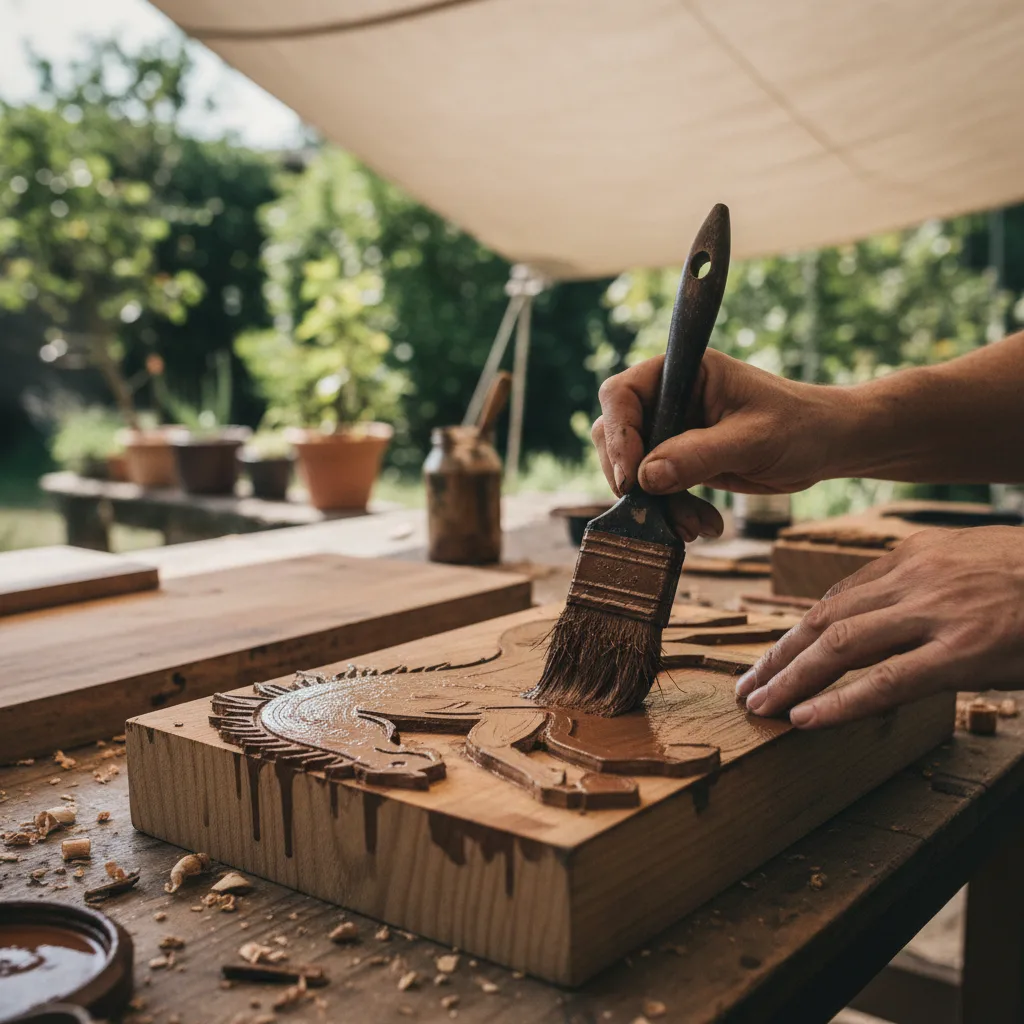
Coconut Grove printmakers celebrate organic, earth-toned color palettes derived from mineral earth pigments. Raw umber, burnt sienna, deep mangrove green, and charcoal pigments are ground with water and blended with cooked rice paste directly on the wood block. Stiff badger-hair brushes work the earthy paste into the wood grain, yielding warm, velvety matte impressions that harmonize with natural paper tones.
Water-based moku hanga printing eliminates harsh chemical solvents, making outdoor garden printing exceptionally pleasant. Printmakers regulate moisture levels on the block with fine spray mists, allowing subtle color gradations to blend smoothly across carved root ridges. This natural chemistry produces breathable, painterly proofs that honor subtropical flora.
Selecting handmade Japanese washi sheets elevates the tactile beauty of botanical impressions. Studios supply fine kozo and mulberry papers celebrated for their long, interlocking fibers and organic deckle edges. Humidifying papers inside damp blotter trays softens the sheet, allowing it to conform intimately to carved wood textures during hand rubbing.
Layering multiple sheer washes of green and sepia pigments creates the illusion of tropical canopy depth. Printmakers apply pale background washes first, following with richer mid-tones and crisp line impressions to evoke the sun-dappled shade of coastal hammock forests.
Natural Baren Rubbing and Organic Registration
Manual ink transfer in garden studios relies on the traditional Japanese baren wrapped in cured bamboo skin. The ribbed surface of the bamboo leaf focuses gentle palm pressure across the paper backing, driving water-based pigments deep into the damp washi mesh without tearing delicate deckle borders.
Multi-color botanical prints achieve perfect alignment through kento registration notches chiseled directly into block corners. Slicing an L-shaped corner guide and an aligned straight stop into the wood margin allows carvers to drop damp washi into position with repeatable precision across every color layer.
Lifting the completed print from the inked timber matrix delivers a deeply rewarding moment of revelation. As the damp washi peels away, rich earthen pigments, organic wood grain patterns, and fine leaf veins appear in stunning clarity. Every finished impression carries unique handmade character that reflects the peaceful spirit of the Grove.
Peacock Park Walks and Studio Preparation
Concluding your workshop with a refreshing walk along the waterfront paths of Peacock Park and the Coconut Grove baywalk offers a delightful creative transition. Watching sailboats glide across Biscayne Bay beneath ancient banyans allows newly pulled prints to dry safely in protective blotter portfolios. The tranquil bayfront greenery provides quiet reflection and renewed artistic inspiration for future studio explorations.
Dressing in comfortable, washable cotton work clothes and bringing a sketchbook filled with palm and root studies ensures you can jump straight into carving upon arrival. The Karpo APP serves as a versatile resource for finding Grove artisan workshops, booking weekend print classes, and exploring historic botanical walking trails in South Florida.
Ask Karpo for more information.
Keep reading
- Upper East Side Winter Farmers Market Picker With a Dog
 Normandy Village Winter Farmers Market Picker for an Asado
 Coral Gables Winter Farmers Market Picker for New Gardeners