 Upper East Side Winter Farmers Market Picker With a Dog
Weekend Plans

Miami Weekend Plan Builder: One Meal and Culture Walk
A compact Miami outing pairs a meal with a cultural stop in one area. Choose an anchor, compare the order and leave room for a comfortable walk between them.
A meal and a cultural stop can make a satisfying Miami weekend without filling every hour. The difficult part is the connection between them: the wrong pairing can turn a simple outing into repeated travel. Use a weekend plan builder to start from one anchor and look for a compatible second stop. In the Karpo APP, describe your interests, starting area and comfortable walking limit, then ask for a compact pairing rather than a tour of the entire city.
Should the meal or the cultural stop come first?
Choose the part you care about most as the anchor. If there is an exhibition you already want to see, the meal should support that visit geographically and in timing. If the reason for going out is a particular meal with a friend, make that the fixed point and ask for a manageable cultural addition. Giving both equal importance before you know their locations can make the search unnecessarily broad.
Order also depends on attention and appetite. A cultural visit before eating can work if you are comfortable waiting for the meal and want to arrive mentally fresh. Eating first can make the afternoon feel relaxed, provided you leave enough time for the second stop. These are personal planning choices. They do not establish any venue's opening hours, admission availability or expected length of a visit.
What does walkable mean for your group?
Use a limit that describes your comfort, rather than relying on the word "nearby." You might be happy with a continuous walk but dislike long periods of standing. Another person may prefer short walking segments with somewhere to sit between them. Tell Karpo which description fits. Include anyone using a mobility aid and any access requirement that must be met by the actual route and entrances.
A close pair on a map does not tell you everything about the journey between the doors. Crossings, entrances and the direction from which you approach can affect how the connection feels. Use a navigation service to review the route you intend to take. When comfort is uncertain, choose a shorter link or reduce the number of stops instead of relying on an optimistic description of distance.
How do you keep the suggestions in one area?
Give the planning conversation an anchor neighborhood or a specific place you have already selected. Then ask for the second activity around that anchor. For example: "I have chosen the cultural stop. Help me think about a casual meal in the same area so we can keep the outing compact." A focused request makes it easier to judge whether the second suggestion belongs in the afternoon.
In Miami, be explicit about whether your intended area is on the mainland or in Miami Beach. You do not need to cover both to have a worthwhile outing. If you are comfortable making a transfer between them, state that as a choice. Otherwise, keep the request centered on your selected area and reject pairings that add another journey purely to include a more famous destination.
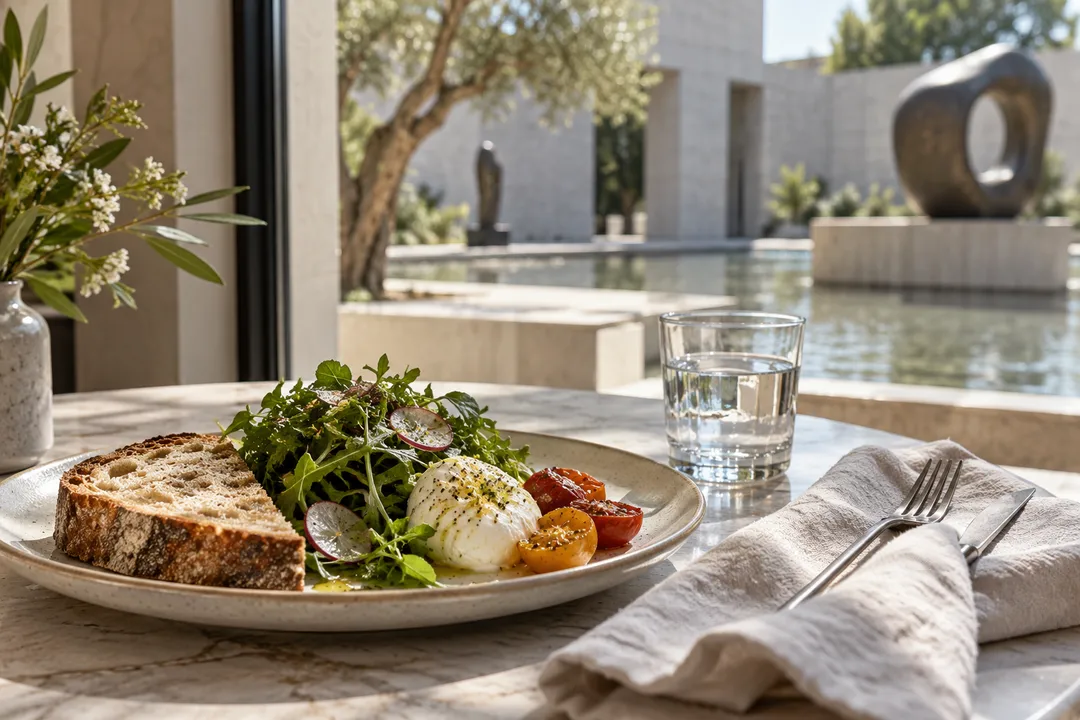
How much room should you leave between the two?
Allow a real transition rather than treating the end of one activity as the instant the next begins. The meal includes ordering, eating and settling the bill. A cultural visit may involve an entrance process or time to find the part you came to see. Your personal schedule should contain enough slack to handle those ordinary steps without making conversation feel like a delay.
Where one stop has a timed commitment, arrange the flexible part around it. A meal with no fixed finish should not be placed immediately before a timed entry you would be upset to miss. Conversely, a leisurely exhibition browse should not put a restaurant reservation under pressure. Ask Karpo to compare the order, and keep the actual commitment details from your venue or booking confirmation alongside the outline.
What information makes a meal suggestion useful?
Say what sort of meal you want: a quick bite, a relaxed lunch or an occasion where the food is the main event. Include dietary needs and whether you want table service. The cultural pairing affects this decision. A short, independent browse leaves different room for lunch than a structured activity with a fixed duration. The meal should fit the pace instead of becoming an unrelated recommendation.
Set an overall spending intention that covers food, any admission and transport. If culture is the priority, you may want a simpler meal. If lunch is the treat, you may prefer a brief cultural addition without another paid commitment. A budget entered in a prompt represents what you are willing to spend. Use the merchant's own menu or ticketing information for the prices on which you base a purchase.
Can the cultural stop be a short visit?
Yes, if the activity and its admission arrangement suit that choice. The useful question is what you want to get from the visit. You might want to see one exhibition, browse a particular type of work or simply spend a little time looking closely at something unfamiliar. Describe that intention so the planning conversation does not automatically expand the cultural portion into an entire afternoon.
Avoid reducing a place to a box to tick. Once there, let your interest determine whether to linger, within any commitments you have already made. A compact plan has the advantage of leaving room for attention. If the first stop is more absorbing than expected, the flexible second part can become shorter. That is easier when both destinations are in the same area and you have not added several optional detours.
What should the first message say?
Try this version: "I want a compact Miami weekend outing with one casual meal and one cultural stop. Start from my chosen area, keep the connection within my comfortable walking limit and leave time to sit. Compare a meal-first version with a culture-first version. Explain the main tradeoff and keep any extra sightseeing out of the plan." Add your actual area and access needs before sending it.
When you receive suggestions, compare them by the connection as well as by their individual appeal. Ask which pairing offers the simpler transition, or how to shorten the plan if you spend longer over lunch. A recommendation is a starting point for your decision. Complete any admission or restaurant arrangements through the relevant provider, and retain those details yourself rather than treating an outline as a booking.
Practical notes for the short route
Use the entrance you will actually need when reviewing the walk, and decide where the outing ends before adding another stop. Comfortable shoes and a realistic return journey matter more than collecting another neighborhood. Begin in the Karpo APP with the meal or cultural activity you most want, then build a modest connection around it. Two well-chosen stops can give the afternoon variety while leaving enough space to enjoy each one.
Ask Karpo for more information.
Keep reading
- Upper East Side Winter Farmers Market Picker With a Dog
 Normandy Village Winter Farmers Market Picker for an Asado
 Coral Gables Winter Farmers Market Picker for New Gardeners